The Plymouth Barracuda arrived before the Ford Mustang and had many of the ingredients needed to become a market leader. It offered sporty styling, performance options, and innovative design, yet it never achieved the same level of success. The reasons were not simply about engineering—they involved timing, marketing, and how buyers perceived the two cars.
The Barracuda Actually Arrived First
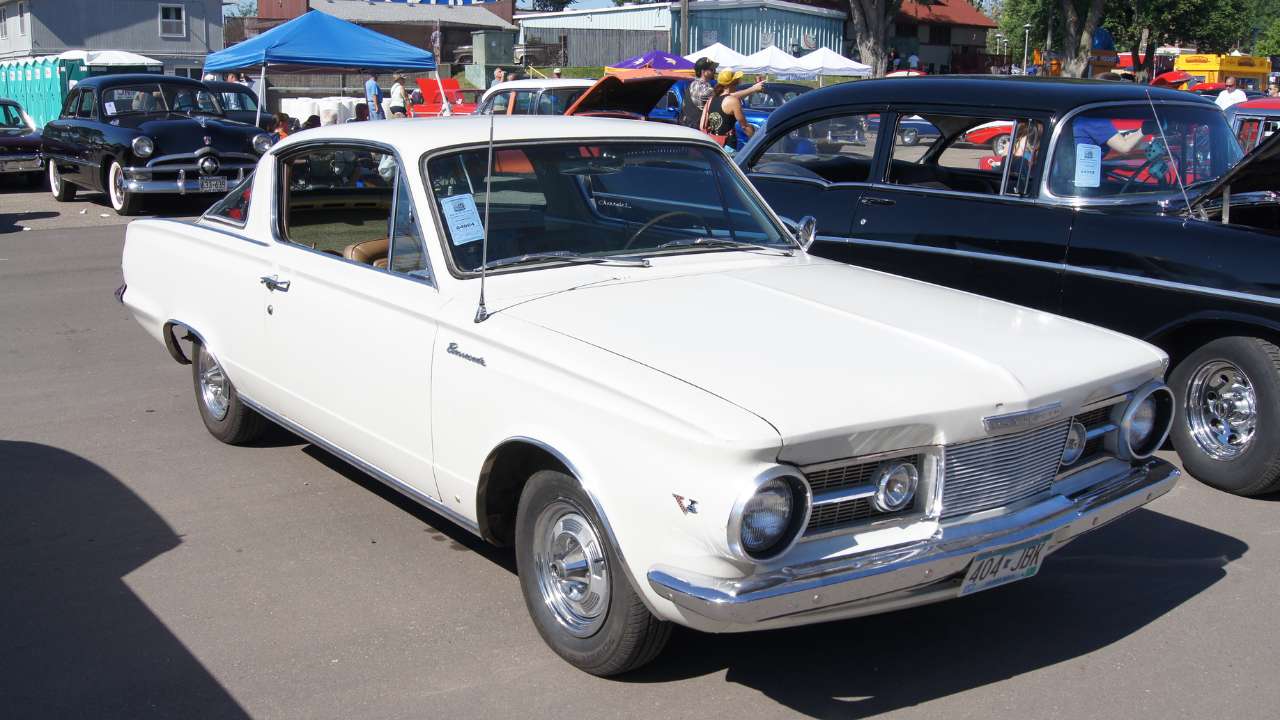
When Plymouth introduced the Barracuda in 1964, it became the first car in what would later be called the pony car segment. Built from the Valiant platform, the Barracuda featured a distinctive fastback design and targeted younger buyers looking for something more exciting than traditional compact cars.
However, its early introduction became both an advantage and a disadvantage. Plymouth had created the concept before the market fully understood what customers wanted. The company positioned the Barracuda as a sporty compact rather than aggressively promoting it as a new type of performance car.
Just weeks later, Ford introduced the Mustang with a much clearer message. It was marketed as a stylish, customizable, and affordable performance vehicle designed specifically for a new generation of drivers.
The Mustang did not invent the idea alone, but it communicated the idea far more effectively.
Marketing Made the Biggest Difference
One of the main reasons the Barracuda struggled against the Mustang was Ford’s massive marketing strategy. Ford invested heavily in promoting the Mustang through advertising campaigns that highlighted youth, freedom, and personalization.
The Mustang was presented as a car buyers could make their own. Customers could choose from multiple engines, colors, options, and accessories, creating a sense of individuality that strongly appealed to the public.
Plymouth offered many similar ideas with the Barracuda, but its message was less focused. Many buyers viewed it simply as a sporty version of the Valiant rather than a completely new category of vehicle.
The difference was not just what the cars offered—it was how customers understood them.
Ford successfully created an emotional connection that Plymouth struggled to match.
Performance Improvements Came Too Late
The early Barracuda featured attractive styling but was initially limited by its compact-car origins. While it offered six-cylinder engines and later gained V8 options, it did not immediately have the performance image that helped the Mustang become famous.
Plymouth eventually transformed the Barracuda into a more serious performance car with the redesigned 1967 model. The new body style featured stronger engines, including powerful V8 options, and eventually led to legendary versions such as the Hemi-powered ‘Cuda.
By then, however, the Mustang had already established itself as the dominant name in the segment. Ford had built a massive customer base and a strong identity that was difficult for competitors to overcome.
The Barracuda became a great performance car, but it was always fighting from behind.
A Different Path Created a Different Legacy
Although the Barracuda never matched the Mustang’s sales numbers, it developed its own loyal following. Its rarity, unique styling, and impressive performance versions made it highly desirable among collectors.
The car’s later transformation into the Plymouth ‘Cuda gave it a legendary reputation during the muscle car era. High-powered versions equipped with engines like the 426 Hemi and 440 Six Barrel became some of the most valuable American muscle cars ever produced.
The Barracuda’s story shows that being first does not always guarantee success. Timing, branding, and customer perception can be just as important as engineering.
Plymouth created the original pony car idea, but Ford perfected the formula. The Barracuda may never have caught the Mustang, but it remains one of the most important cars that helped define the American performance era.
More from Fast Lane Only
- Unboxing the WWII Jeep in a Crate
- 15 rare Chevys collectors are quietly buying
- 10 underrated V8s still worth hunting down
- Police notice this before you even roll window down
*Research for this article included AI assistance, with all final content reviewed by human editors