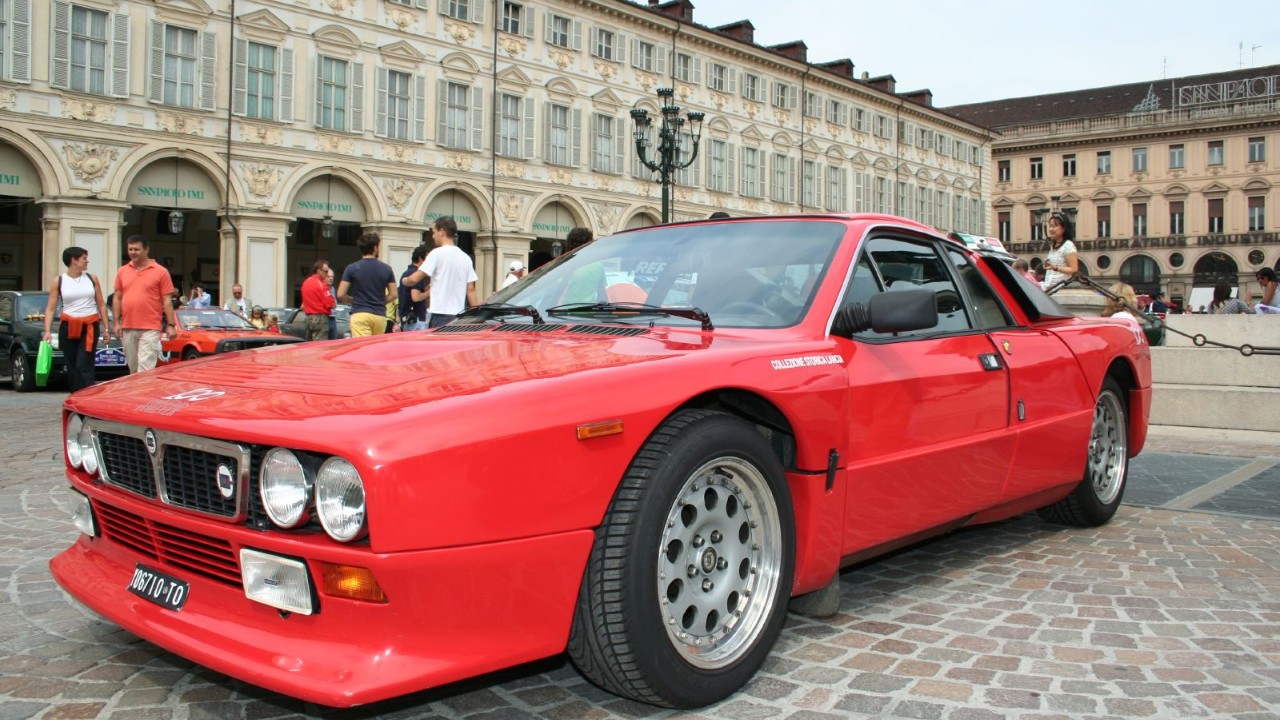
As a car enthusiast, I’ve seen firsthand how certain collector cars become increasingly challenging to insure over the years. Factors such as rising values, scarcity, and specific performance characteristics contribute to this trend. Here’s a look at nine iconic vehicles that have become more difficult to insure, each with unique reasons behind their rising premiums.
Classic Ford Mustang
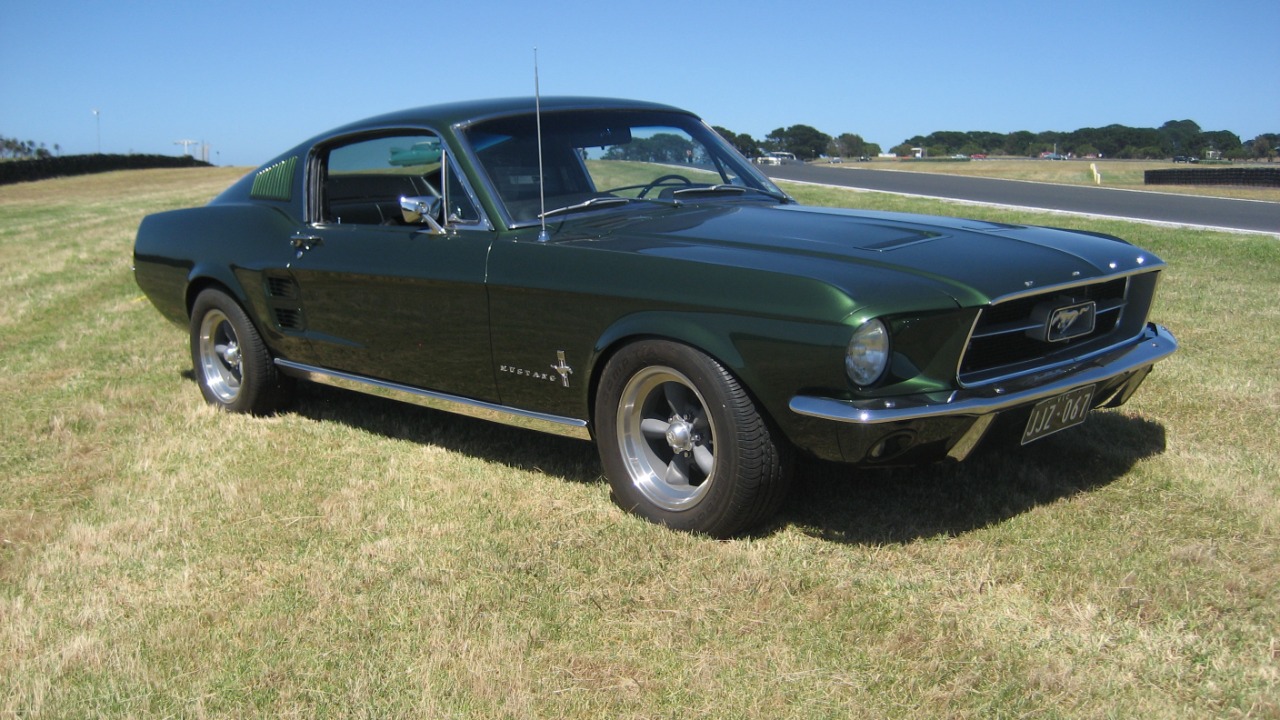
The Ford Mustang, particularly the models from the late 1960s, has skyrocketed in value, making it a target for insurance companies. Previously, insuring a classic Mustang was relatively straightforward, but as demand surged, so did the complexity of obtaining coverage. For instance, a 1967 Mustang Fastback can fetch upwards of $100,000 at auction, leading insurers to scrutinize the vehicle’s condition and its modifications more closely.
Additionally, the Mustang’s popularity among collectors means that replacement parts are more accessible, but this doesn’t always equate to lower premiums. Specialty insurers like Hagerty offer tailored policies, but they often require extensive documentation of modifications and maintenance history to ensure comprehensive coverage.
Chevrolet Corvette
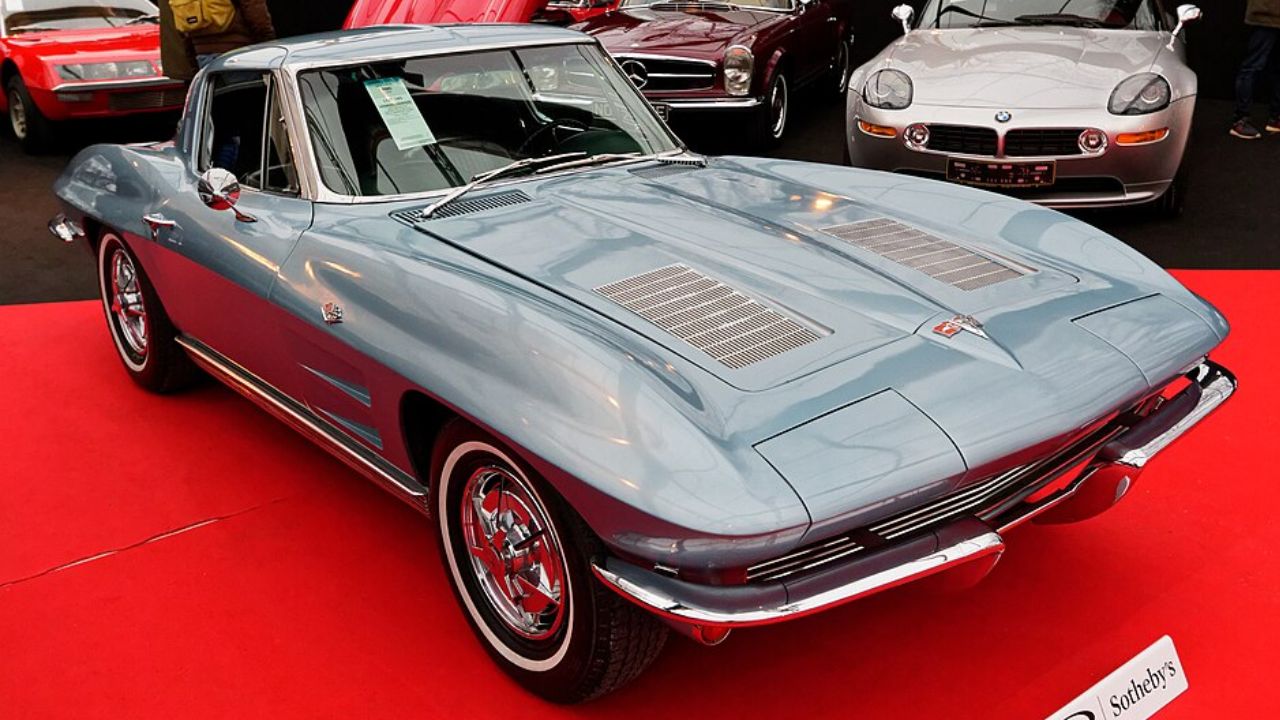
The Chevrolet Corvette, especially models from the late 1950s and early 1960s, has become a staple in collector circles, and with that, insuring these vehicles has become increasingly complex. The allure of the Corvette lies in its performance and iconic design, but as values have soared—some models now exceeding $200,000—insurers are more cautious about covering them. Factors like high repair costs and the likelihood of theft contribute to rising premiums.
For example, the 1963 split-window Corvette is not only a classic but also a sought-after investment. Insurers now often require appraisals and comprehensive coverage plans that reflect the car’s true market value. Many enthusiasts turn to specialized insurance providers to navigate these challenges, ensuring they have policies that adequately protect their investments.
Porsche 911
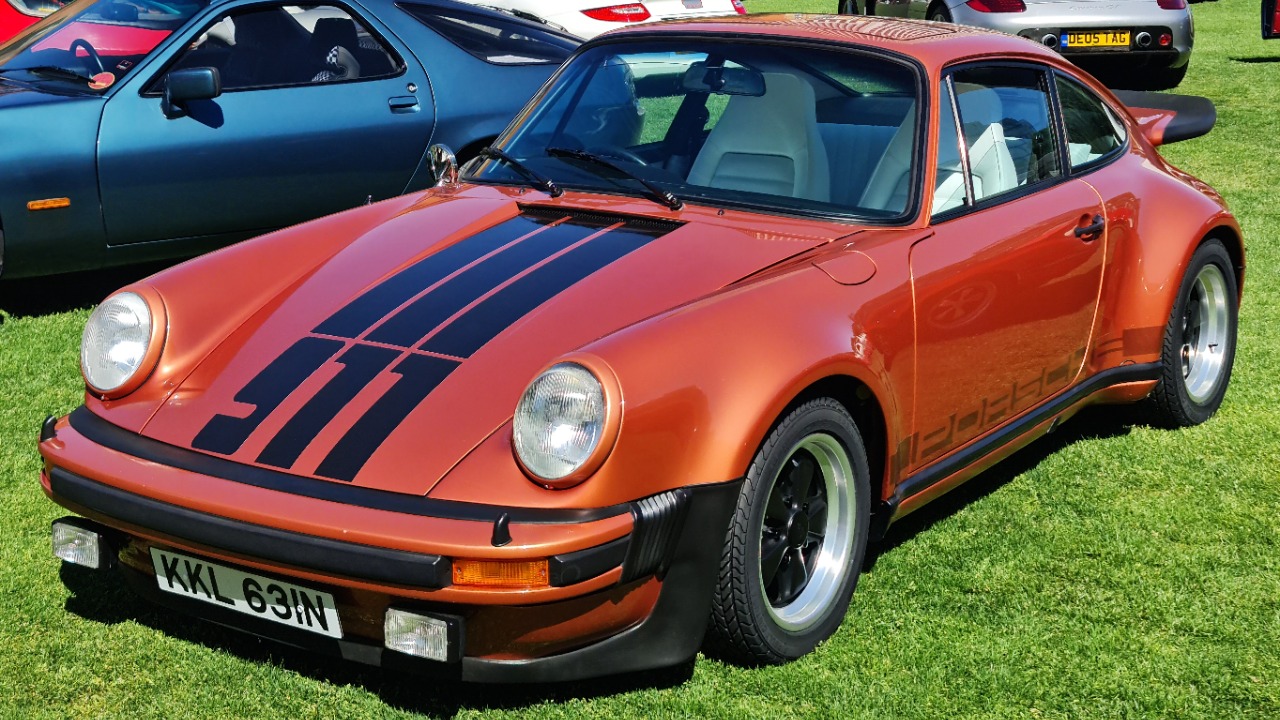
The Porsche 911 has long been revered for its performance and engineering excellence, but as values have escalated, so has the difficulty in obtaining insurance. Models from the 1970s and 1980s, like the cherished 911 Turbo, have become collectibles, with prices often exceeding $100,000. The complexity of the vehicle’s engineering makes repairs costly, which in turn raises insurance premiums.
Additionally, the demand for classic Porsches has led to a surge in valuations, with some models appreciating significantly over the years. Insurers now require detailed documentation and a thorough understanding of the vehicle’s condition. Enthusiasts often look to specialty insurance that caters specifically to high-value cars to ensure they get the right coverage at a reasonable rate.
Dodge Charger
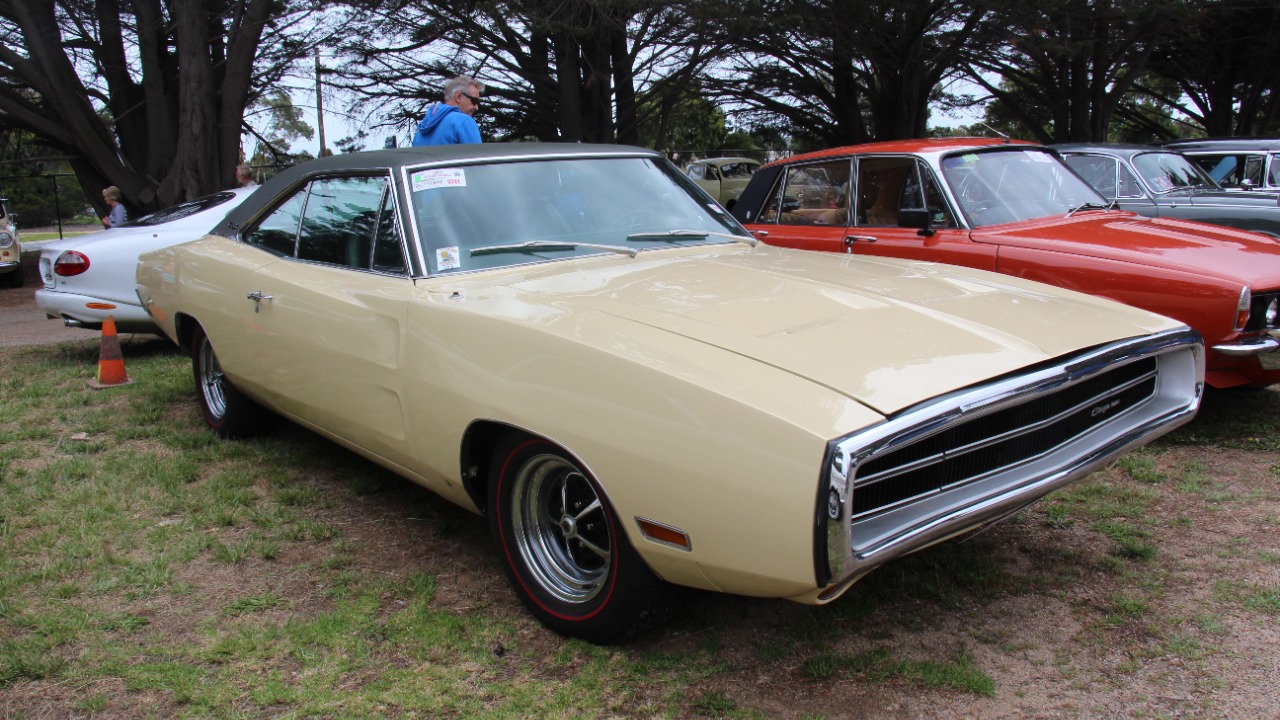
The Dodge Charger, particularly the iconic models from the late 1960s and early 1970s, has become increasingly challenging to insure due to rising values and their status as muscle car legends. Classic Chargers, like the 1970 model equipped with a Hemi engine, can command prices well over $100,000, prompting insurers to reevaluate their coverage options. The performance capabilities of these vehicles often lead to higher premiums due to the risks associated with high-speed driving.
Moreover, the Dodge Charger has a strong following, and as more collectors enter the market, the demand for these vehicles continues to grow. Insurers often require detailed appraisals and documentation of restoration work, which can complicate the process. It’s essential to work with specialized companies that understand the muscle car market, ensuring you receive fair coverage terms.
Mercedes-Benz 300SL
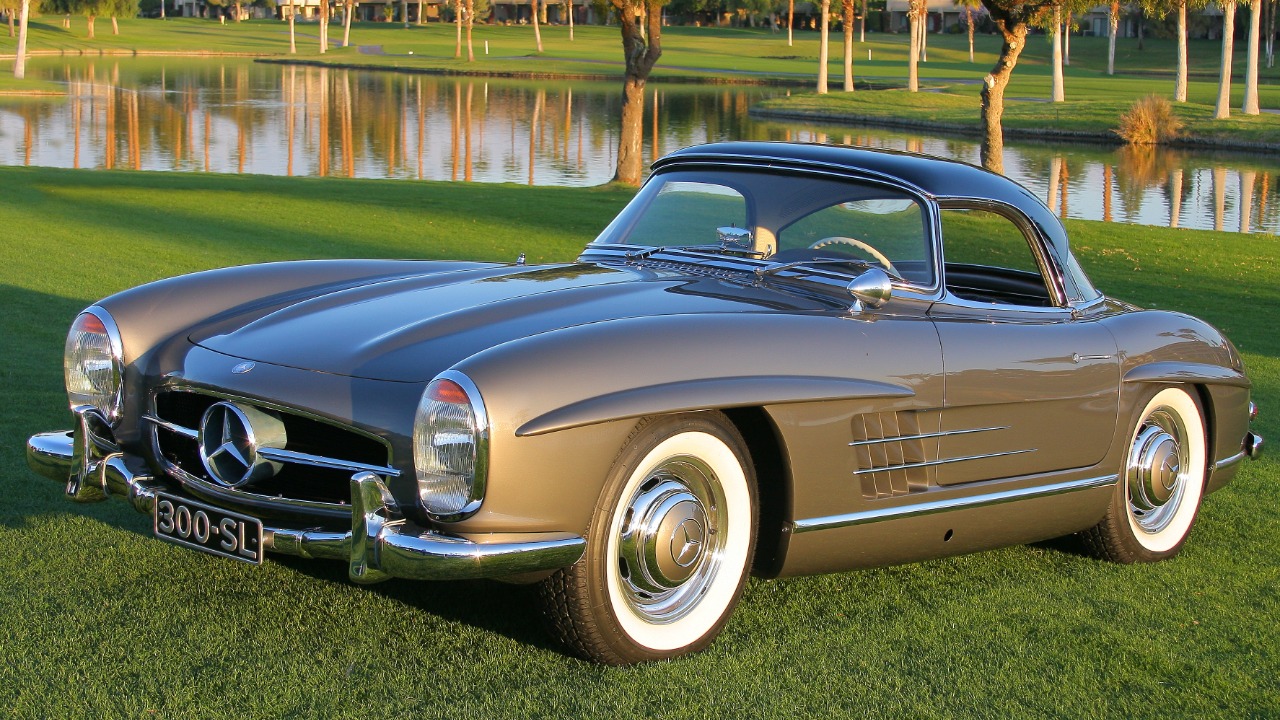
The Mercedes-Benz 300SL, known for its distinctive gullwing doors and engineering marvels, is a prime example of a classic car that has become difficult to insure. With values often exceeding $1 million, insurers are particularly cautious about covering such high-value vehicles. The rarity and intricacy of the 300SL’s design mean that repairs can be both challenging and costly, which contributes to the higher premiums.
Additionally, the historical significance of the 300SL adds another layer of complexity to insurance policies. Many insurers require extensive documentation, including proof of authenticity and a detailed restoration history before providing coverage. Collectors often turn to specialized insurance providers that can offer tailored policies designed for high-end classic cars.
Volkswagen Beetle
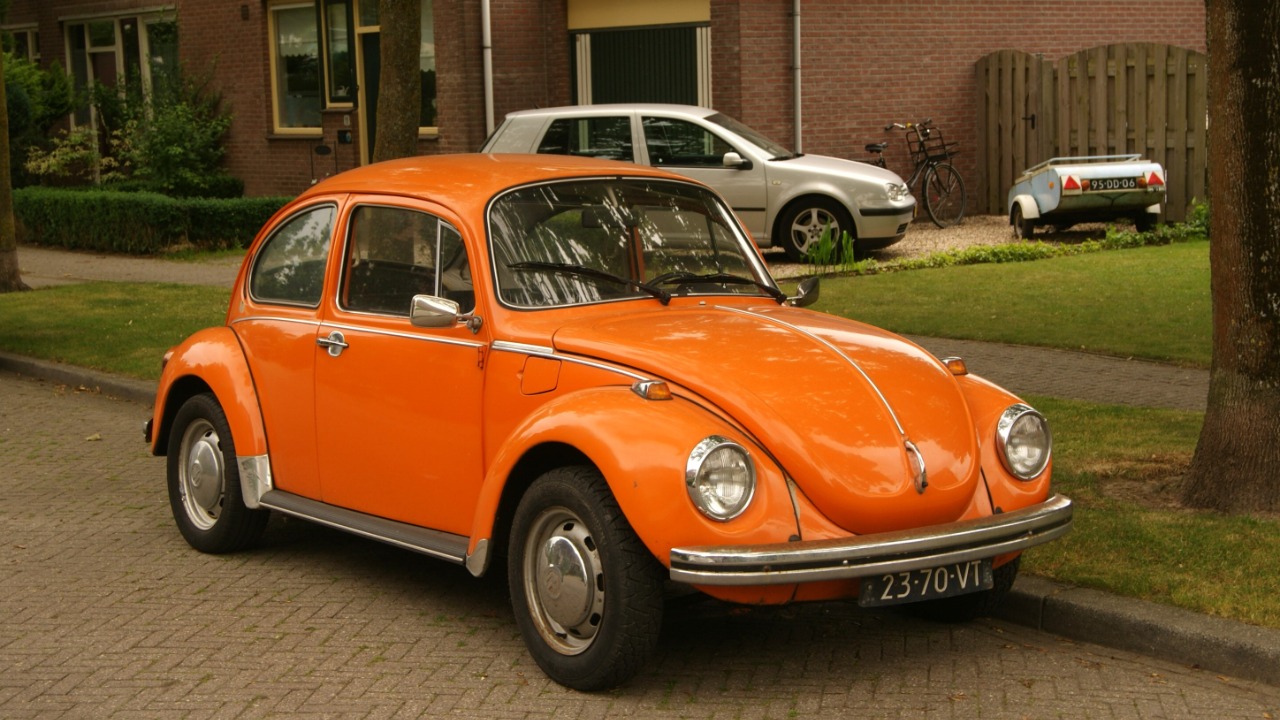
The Volkswagen Beetle is an iconic vehicle that has seen an increase in value as collectors seek to own a piece of automotive history. However, as these cars gain value, insuring them has become more complicated. Original models from the 1960s and 1970s are particularly sought after, with some fetching prices around $30,000 or more. Insurers often have to navigate the challenges of evaluating vintage cars that may have extensive modifications or restorations.
While replacement parts for the Beetle are relatively easy to find, the cost of restoring a classic can still be significant. Insurers may require appraisals and detailed documentation of the vehicle’s condition, which can complicate the insurance process. Many enthusiasts find it beneficial to connect with insurers that specialize in classic vehicles, ensuring they receive the appropriate coverage for their beloved Beetles.
Jaguar E-Type

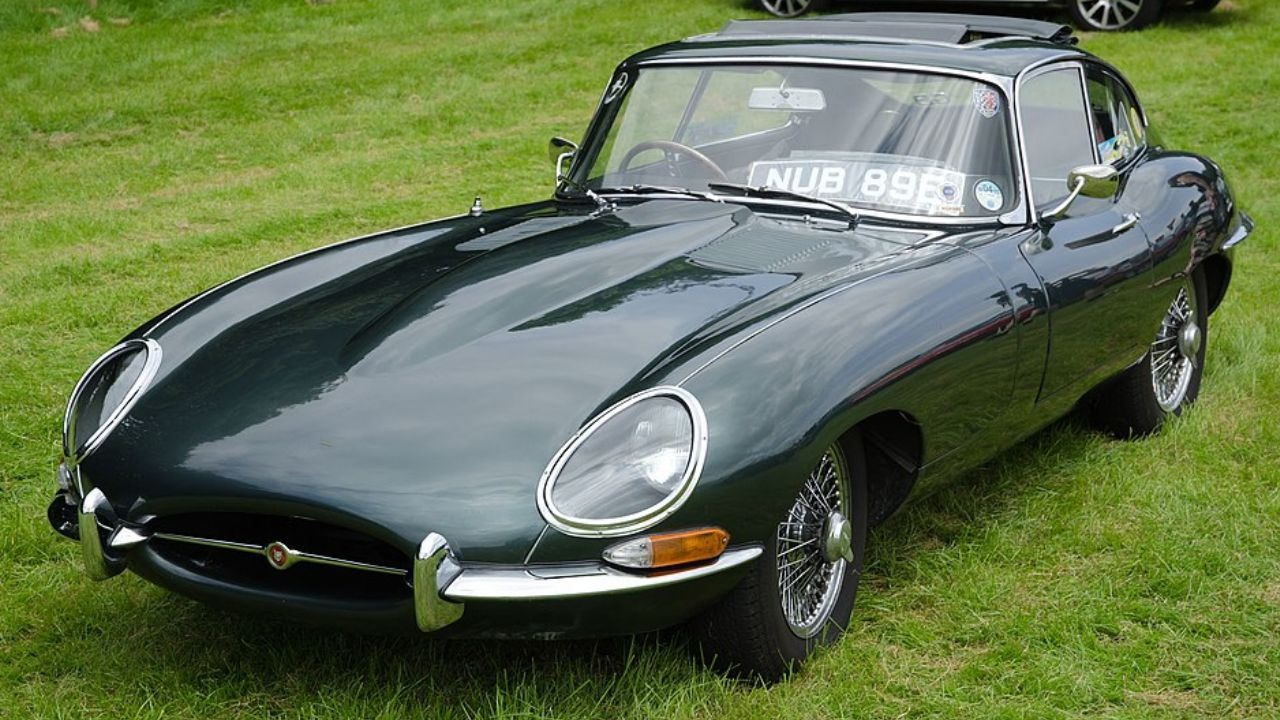
The Jaguar E-Type is often regarded as one of the most beautiful cars ever made, but its increasing value has made insurance more complicated. Early models, particularly those from the 1960s, can command prices well over $100,000, prompting insurers to exercise caution. The E-Type’s performance capabilities and the potential for costly repairs contribute to higher premiums, as well as the increased risk of theft.
As more collectors recognize the value of the E-Type, the demand for insurance has surged. Insurers often require detailed documentation and a thorough appraisal to establish the vehicle’s value accurately. This complexity leads many owners to seek out specialized insurers who understand the nuances of classic car coverage, ensuring they receive the best policy for their prized E-Types.
Ferrari 308
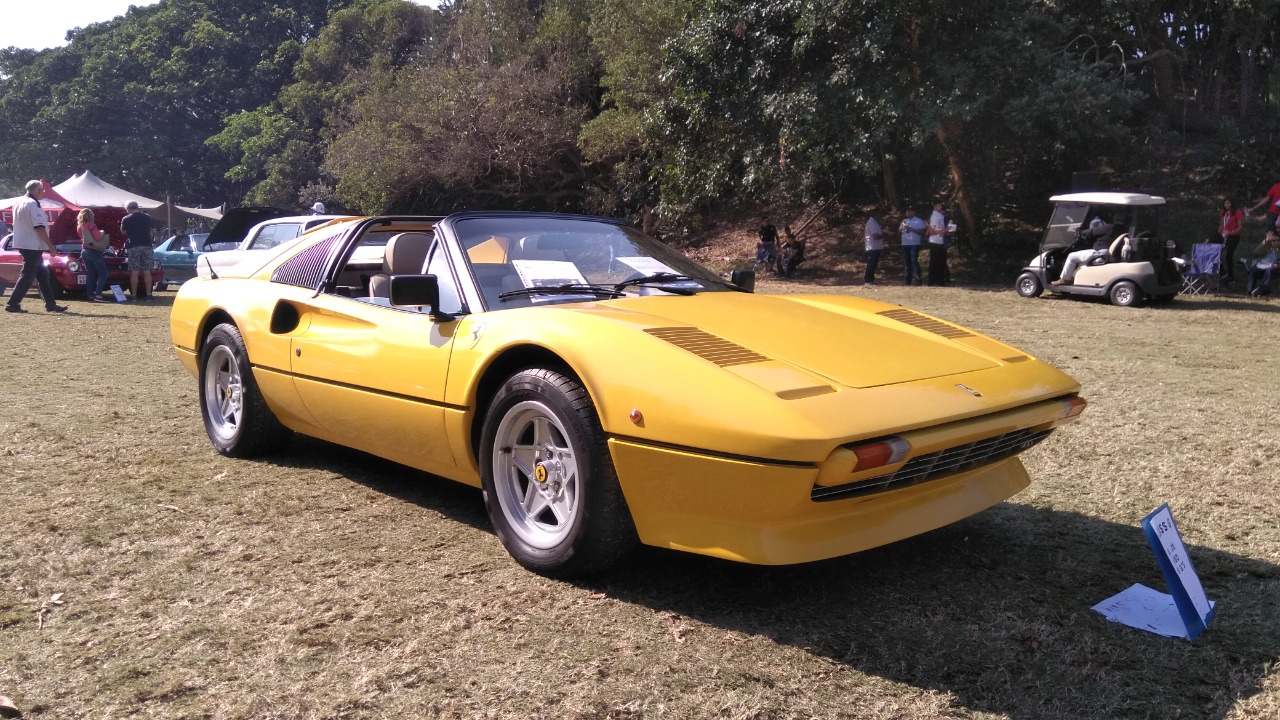
The Ferrari 308, a symbol of Italian engineering and design, is a collector’s dream. However, as the value of these cars continues to rise, insuring them has become increasingly challenging. Models from the late 1970s and early 1980s can exceed $50,000, and the cost of repairs can be astronomical due to the specialized nature of the parts and labor involved.
As a result, insurers are becoming more cautious, often requiring detailed appraisals and documentation before issuing a policy. The Ferrari 308’s performance capabilities also factor into the equation, as high-performance vehicles typically come with higher risk assessments. Many collectors turn to specialized insurance providers that can tailor coverage to fit the unique needs of high-value sports cars.
Subaru WRX STI

The Subaru WRX STI has gained a cult following among car enthusiasts, particularly for its rally heritage and performance capabilities. However, as values have risen, insuring these vehicles has become more complicated. Specific models, especially those from the mid-2000s, can fetch prices over $30,000, leading insurers to reevaluate their risk assessments.
Moreover, the potential for modifications and the car’s performance capabilities add layers of complexity when it comes to insurance. Insurers often require extensive documentation of modifications and may charge higher premiums due to the increased risk associated with high-performance vehicles. It’s crucial for WRX STI owners to connect with specialized insurance companies that understand the unique aspects of insuring performance cars, ensuring they receive adequate coverage for their investments.
More from Fast Lane Only
- Unboxing the WWII Jeep in a Crate
- 15 rare Chevys collectors are quietly buying
- 10 underrated V8s still worth hunting down
- Police notice this before you even roll window down
*Research for this article included AI assistance, with all final content reviewed by human editors.