Family cars have played a pivotal role in shaping the automotive landscape and reflecting the values of their times. From the early days of mass production to the rise of modern electric vehicles, these vehicles have served as more than just modes of transportation; they have become symbols of family life, adventure, and innovation. Here are nine family cars that have significantly impacted generations.
Ford Model T (1908-1927)
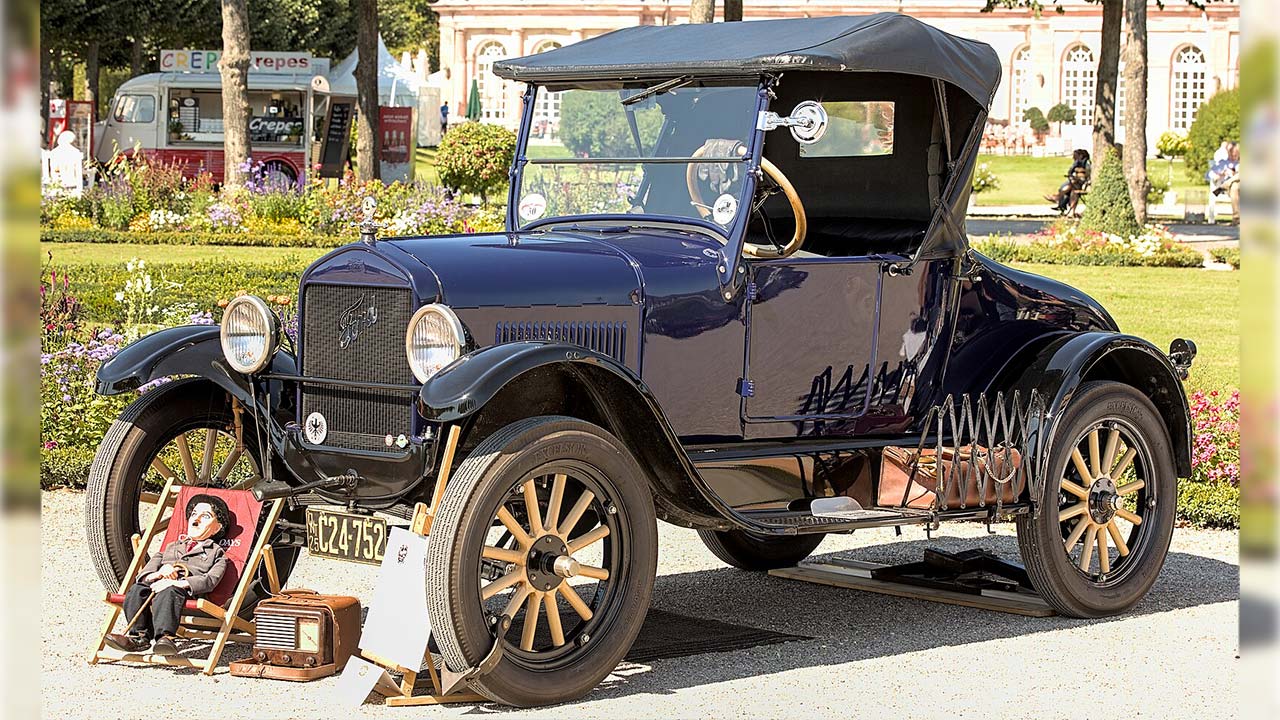
The Ford Model T revolutionized the automobile industry by making cars affordable for the average American family. Introduced in 1908, it was the first mass-produced car, thanks to Henry Ford’s innovative assembly line technique. The Model T’s simple design and durability appealed to families across the nation, as it could handle rough terrains and long distances. With over 15 million units sold, it laid the groundwork for the modern automotive market and established the family car as a staple of American life.
Beyond its economic impact, the Model T also changed how families traveled. It allowed for spontaneous road trips and vacations, fostering a culture of mobility that hadn’t existed before. The car’s influence extended beyond its production years, leading to the birth of countless automotive innovations that followed. Its legacy is felt even today, as many families continue to enjoy the freedom that automobiles provide.
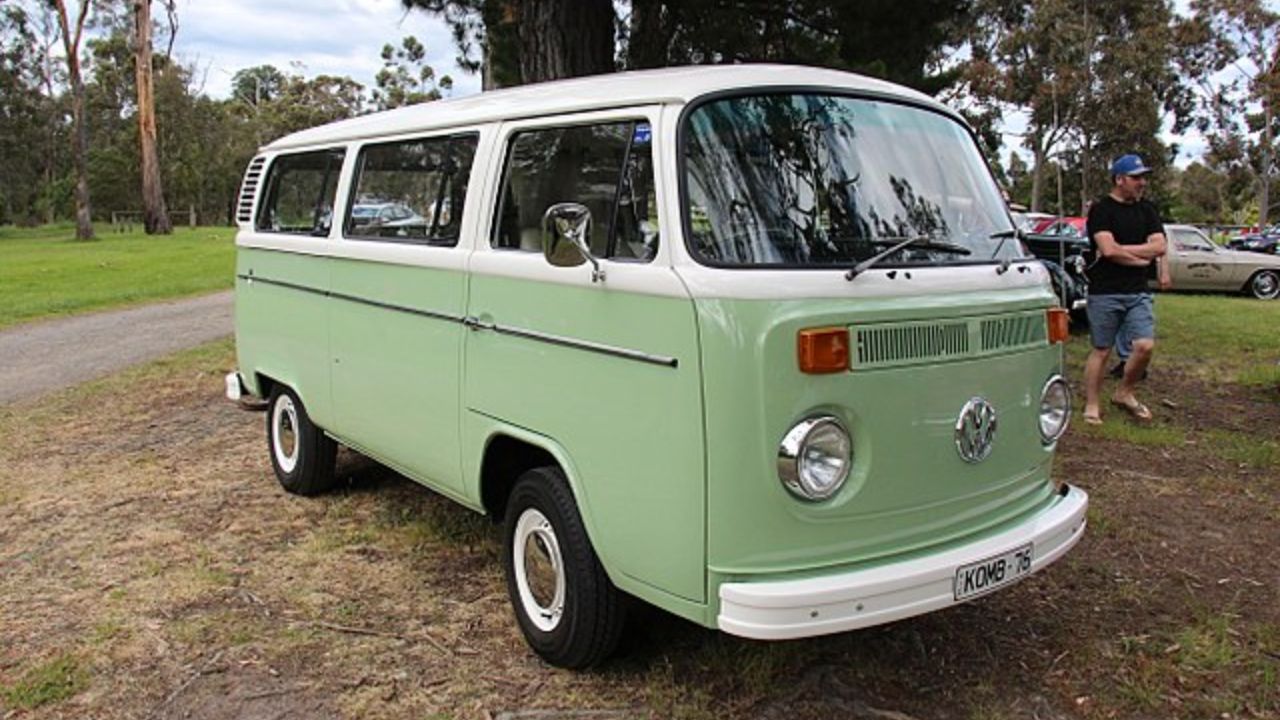
Volkswagen Type 2 (1960-1979)
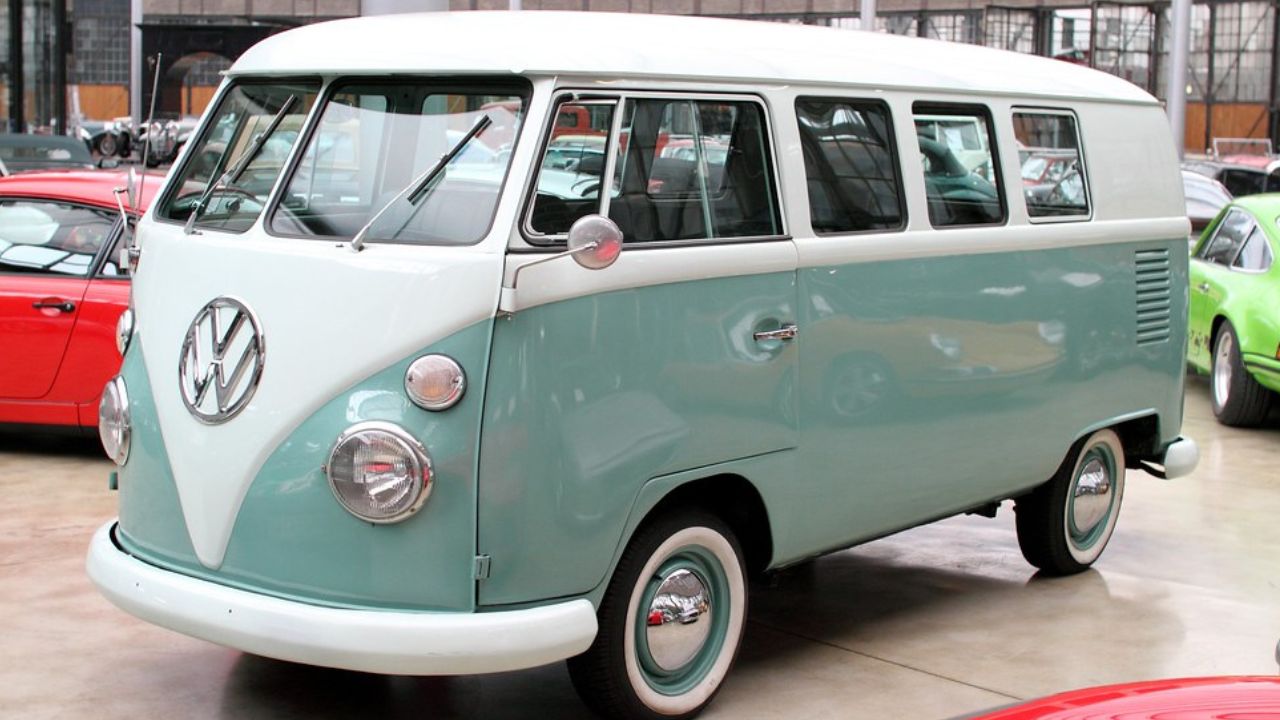
The Volkswagen Type 2, often referred to as the VW Bus, became an icon of the counterculture movement in the 1960s. Its spacious interior and unique design made it the perfect vehicle for families and groups of friends to embark on adventures. Whether used for road trips, camping, or simply as a means of transportation, the Type 2 fostered a sense of community and freedom.
Its affordability and versatility resonated with families during a time of social change, as many sought alternatives to traditional family vehicles. The VW Bus became a symbol of a generation, often associated with peace and love. Its ongoing popularity has led to a dedicated following and numerous restorations, keeping its spirit alive in contemporary culture.
Chrysler Minivan (1983-1990s)
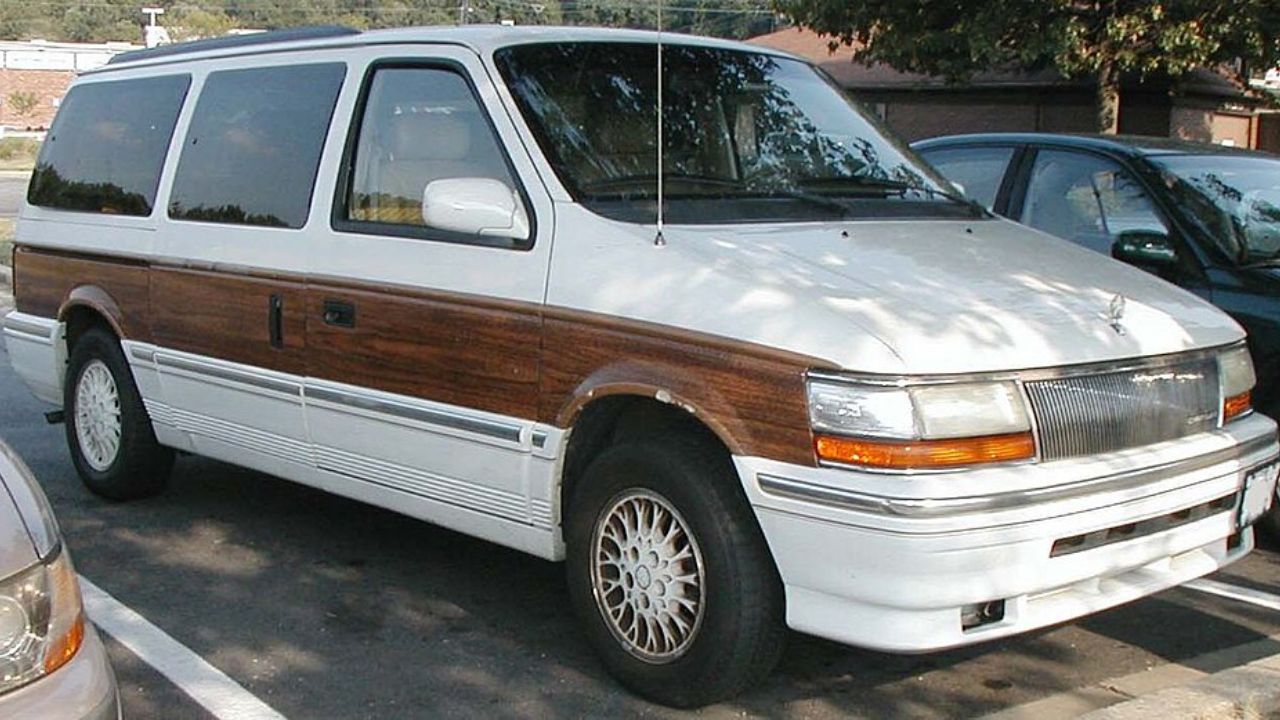
When Chrysler introduced the minivan in the early 1980s, it transformed family transportation. The Chrysler minivan, including models like the Dodge Caravan and Plymouth Voyager, offered families a perfect blend of space, comfort, and convenience. With sliding doors for easy access and a spacious interior, the minivan quickly became the go-to choice for families with children.
As the minivan gained popularity, it also influenced the design and functionality of family vehicles. It emphasized practicality, with features like removable seats and ample storage. The minivan’s impact on family life was profound, as it made traveling with children easier and more enjoyable. Even today, it continues to be a popular choice for families seeking a reliable and spacious vehicle.
Honda Accord (1976-present)

The Honda Accord has long been recognized as a benchmark for reliability and value. Since its introduction in 1976, it has consistently ranked among the best-selling cars in America. The Accord’s spacious interior, fuel efficiency, and strong safety ratings have made it a favorite among families.
As it evolved through the decades, the Accord adapted to changing consumer preferences, incorporating advanced technology and features that enhance the driving experience. Its reputation for longevity means many families return to the brand for their next vehicle, knowing they are investing in a car that will serve them well over the years. The Accord’s impact on the family car segment is undeniable, as it continues to influence competitors and set standards for quality.
Toyota Camry (1982-present)
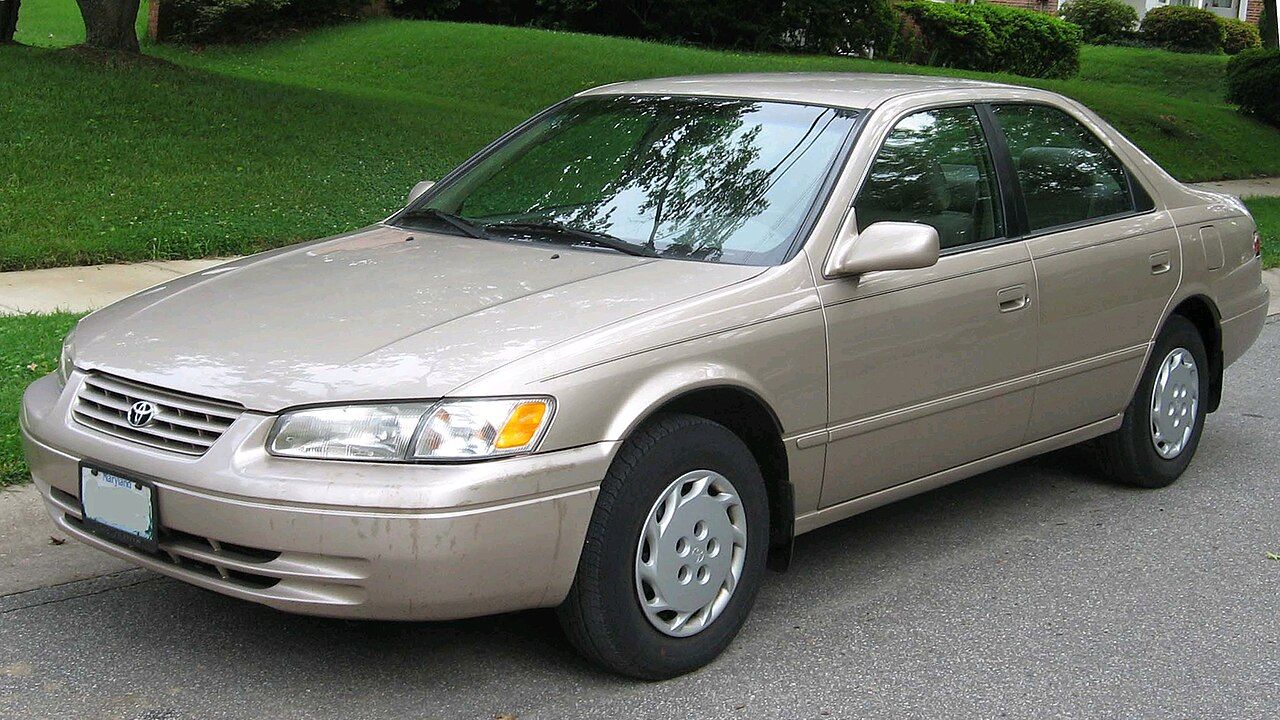
Like the Honda Accord, the Toyota Camry has solidified its place as a staple in family transportation since its debut in 1982. Known for its reliability and comfortable ride, the Camry has consistently been one of the best-selling cars in the United States. Its spacious interior and impressive safety features make it an ideal choice for families seeking both comfort and peace of mind.
Over the years, the Camry has evolved to include modern technology and fuel-efficient options, including hybrid models. Its commitment to innovation and practicality has kept it relevant in a competitive market. Families often turn to the Camry not just for its dependability, but also for its ability to meet the demands of contemporary life.
Subaru Outback (1995-present)

Since its launch in 1995, the Subaru Outback has carved a niche for itself as the go-to family adventure vehicle. With its all-wheel-drive capabilities, spacious interior, and rugged design, it appeals to families who value outdoor activities and travel. Its reputation for safety and reliability has made it a staple among families who enjoy exploring off the beaten path.
The Outback’s versatility has made it popular for both urban and rural families, allowing them to navigate various terrains without sacrificing comfort. It has become synonymous with a lifestyle that embraces adventure, making it a beloved choice for those who prioritize both family time and exploration.
Honda CR-V (1997-present)

Since its introduction in 1997, the Honda CR-V has emerged as one of the best-selling compact SUVs, appealing to families looking for a practical yet stylish vehicle. With its spacious interior, high safety ratings, and fuel efficiency, the CR-V has become a popular choice for those balancing daily commutes and family outings.
The CR-V’s design focuses on functionality, providing ample cargo space and comfortable seating for passengers. As families continue to prioritize versatility in their vehicles, the CR-V has consistently adapted to incorporate modern technology and safety features, ensuring it remains a top contender in the family car market.
Ford Explorer (1991-present)

The Ford Explorer has played a significant role in the popularization of SUVs since its debut in 1991. It quickly became a favorite among families for its spacious interior, safety features, and capability. The Explorer’s versatility allows it to serve as both a family vehicle and an adventure-ready SUV, accommodating various lifestyles.
As the SUV market has grown, the Explorer has evolved to meet consumer demands for technology and performance. Its ongoing success demonstrates the shift in family preferences towards larger vehicles that offer both comfort and functionality. The Explorer remains a strong contender in the family car segment, continuing to shape the landscape of automotive choices.
Tesla Model X (2015-present)

The Tesla Model X represents the forefront of innovation in family vehicles. Introduced in 2015, it combines electric vehicle technology with spaciousness and advanced safety features. Its unique falcon-wing doors and high-tech interior have made it a standout choice for families looking to embrace sustainability without compromising luxury.
As the electric vehicle market expands, the Model X has set new standards for family cars, integrating cutting-edge technology and performance. Its ability to accommodate a growing family while reducing environmental impact aligns with the values of a generation increasingly concerned about sustainability. The Model X is more than just a vehicle; it symbolizes a shift towards a more eco-conscious approach to family transportation.
More from Fast Lane Only