During the early 1960s, Buick was known for building comfortable and dependable automobiles, but the brand lacked the excitement and modern image needed to attract younger buyers. The introduction of the Buick Riviera changed that perception. With elegant styling, powerful performance, and luxury-focused engineering, the Riviera gave Buick a bold new identity and created a new direction for the company.
Buick Wanted Something More Distinctive
In the late 1950s and early 1960s, General Motors recognized that the personal luxury car market was beginning to grow. Buyers wanted vehicles that offered comfort and prestige while maintaining a sporty appearance. Buick needed a model that could compete with emerging luxury coupes and attract customers seeking something more exclusive.
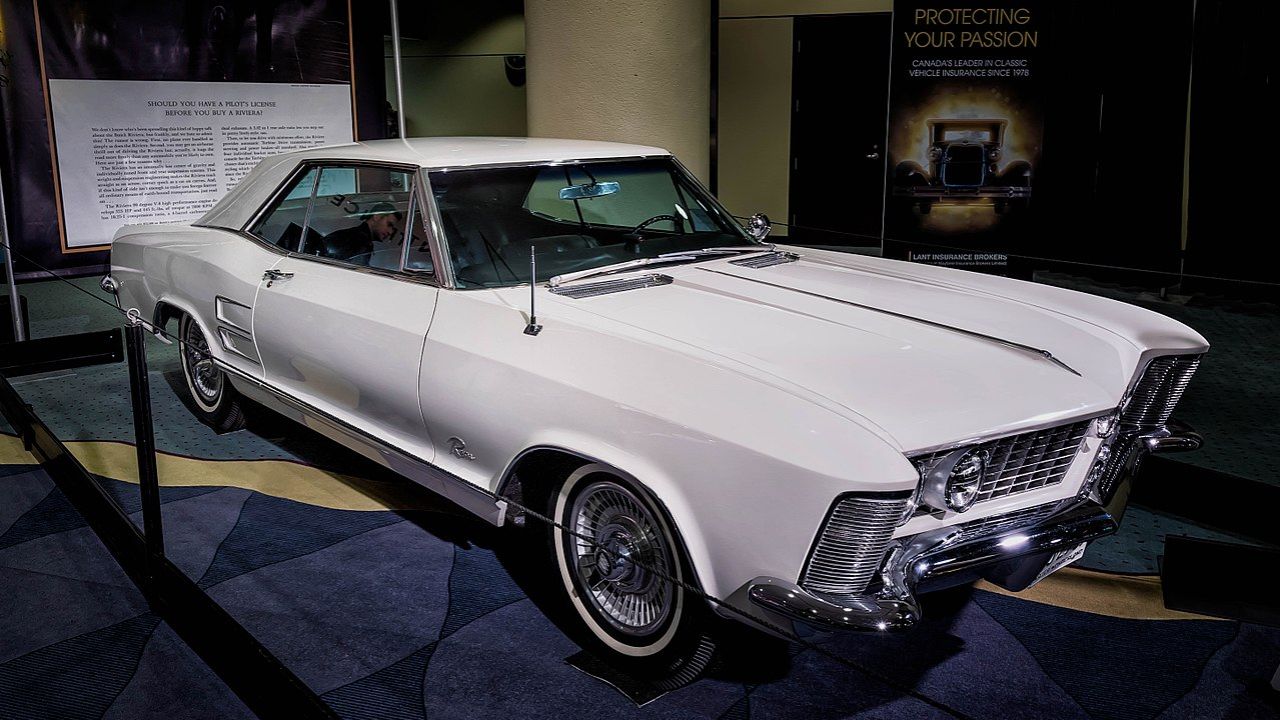
The Riviera debuted for the 1963 model year as Buick’s answer to this changing market. Unlike traditional Buick models that emphasized size and comfort, the Riviera featured a sleek, low-profile design with clean lines and a more European-inspired appearance.
Its styling immediately separated it from the rest of Buick’s lineup. The hidden headlights, thin roof pillars, and sculpted body created a sophisticated look that felt modern for its time.
The Riviera showed that Buick could create a vehicle focused on style and emotion rather than simply practicality.
Performance Added to Its Luxury Image
Although the Riviera was designed as a luxury coupe, Buick ensured it had enough performance to match its impressive appearance. Early models featured powerful V8 engines that provided smooth acceleration and effortless highway cruising.
The combination of strong performance and refined driving characteristics made the Riviera appealing to buyers who wanted excitement without sacrificing comfort. It was not designed as a traditional muscle car, but it delivered enough power to compete with many performance-oriented vehicles.
Buick also focused on ride quality and handling balance. Engineers created a vehicle that felt stable, quiet, and confident while still providing an enjoyable driving experience.
This approach helped establish the Riviera as a unique type of American automobile—a personal luxury car with genuine performance capability.
Advanced Design Changed Buick’s Image
The Riviera represented a major shift in Buick’s design philosophy. Instead of following the large, heavily styled trends of the 1950s, the car introduced a cleaner and more sophisticated appearance that appealed to a new generation of customers.
Inside, the Riviera offered a premium environment with high-quality materials, comfortable seating, and advanced features. The interior reflected Buick’s goal of combining luxury with modern technology.
Its success encouraged Buick to explore more distinctive designs across its lineup. The Riviera became proof that the brand could compete in more exclusive segments while maintaining its reputation for quality and comfort.
The car helped move Buick away from being seen only as a traditional luxury manufacturer.
A Legacy That Redefined Buick
The Buick Riviera remains one of the most important vehicles in the company’s history because it changed how people viewed the brand. It demonstrated that Buick could produce automobiles with style, personality, and performance while still delivering the comfort customers expected.
Collectors continue appreciating early Riviera models for their elegant proportions, innovative design, and unique place in automotive history. The car represented a period when Buick was willing to take risks and create something different from its competitors.
Although the automotive market has changed dramatically, the Riviera’s influence remains visible in Buick’s pursuit of premium design and refined performance.
By creating a luxury coupe that was both sophisticated and exciting, the Riviera gave Buick a bold new identity and proved that innovation could transform an entire brand.
More from Fast Lane Only
- Unboxing the WWII Jeep in a Crate
- 15 rare Chevys collectors are quietly buying
- 10 underrated V8s still worth hunting down
- Police notice this before you even roll window down
*Research for this article included AI assistance, with all final content reviewed by human editors