Some cars arrive before the world is ready for them. They introduce technology, design ideas, or engineering concepts that seem unusual at launch but later become common across the industry. Many American vehicles were overlooked because buyers preferred more traditional choices or because timing worked against them. Looking back today, these forgotten cars reveal how creative and ambitious American automakers could be when they pushed beyond convention.
Chrysler Airflow
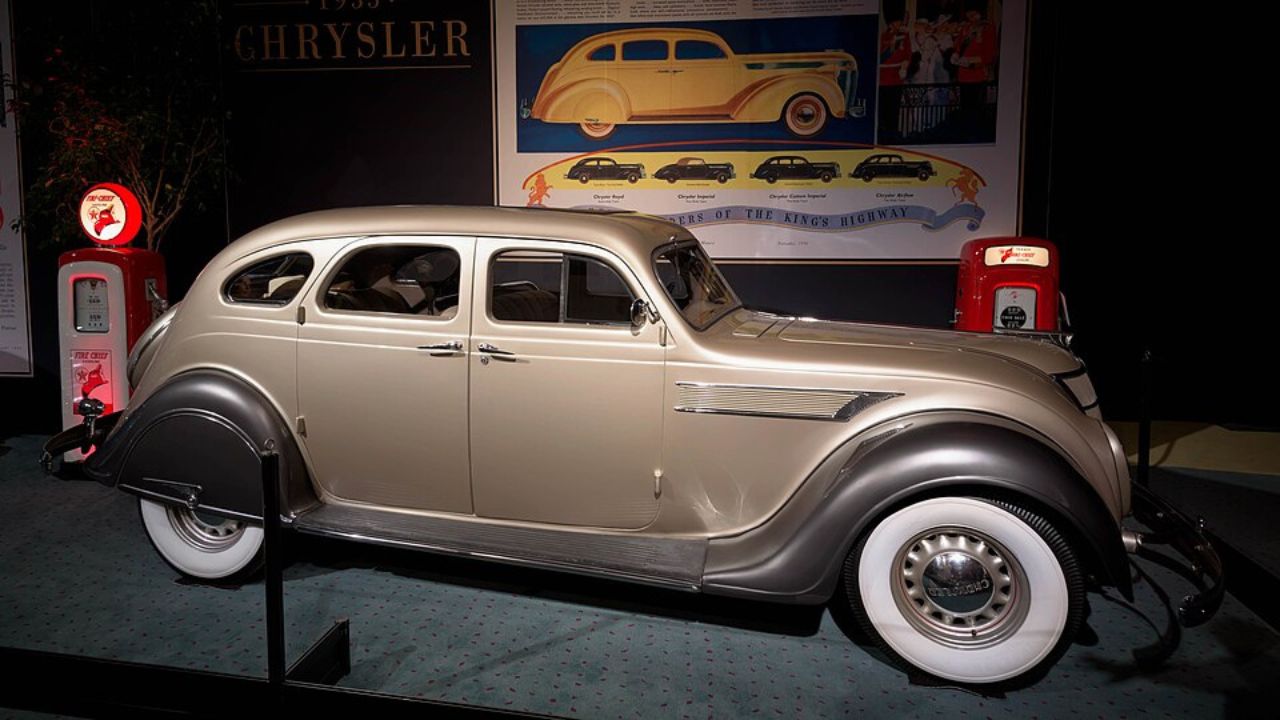
The Chrysler Airflow was one of the most revolutionary American cars ever created, even though it became a commercial disappointment. Introduced in 1934, it featured aerodynamic styling, a streamlined body, improved weight distribution, and advanced construction techniques that were decades ahead of many competitors. Buyers were not ready for such a dramatic departure from traditional designs, but many of its ideas later influenced automotive engineering. The Airflow remains a fascinating example of Chrysler attempting to shape the future rather than simply follow trends.
Oldsmobile Toronado
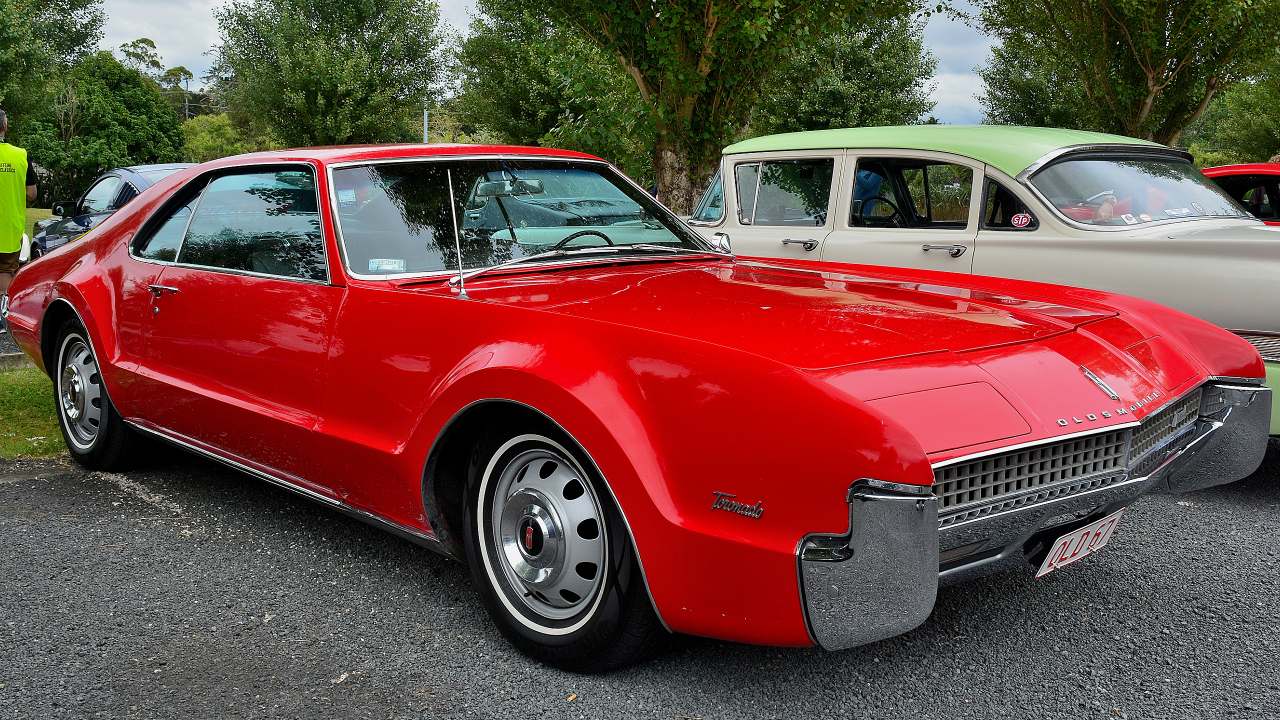
The Oldsmobile Toronado challenged decades of automotive thinking when it debuted in 1966 with front-wheel drive and a powerful V8 engine. At a time when most American performance cars used rear-wheel-drive layouts, the Toronado proved that front-wheel-drive vehicles could deliver strong performance and impressive handling. Its sleek styling and innovative drivetrain made it one of the most advanced American cars of its era. Although later overshadowed by muscle cars, the Toronado’s engineering significance continues to earn respect.
Chevrolet Corvair Monza

The Chevrolet Corvair Monza brought a completely different approach to the American compact car market with its rear-mounted, air-cooled engine and European-inspired driving feel. It offered better balance and handling than many traditional American cars, appealing to drivers who wanted something more agile. While controversy affected its reputation, the Corvair represented Chevrolet experimenting with ideas that later became common in the automotive world. Its unique engineering makes it one of America’s most interesting forgotten innovations.
Ford Mustang SVO
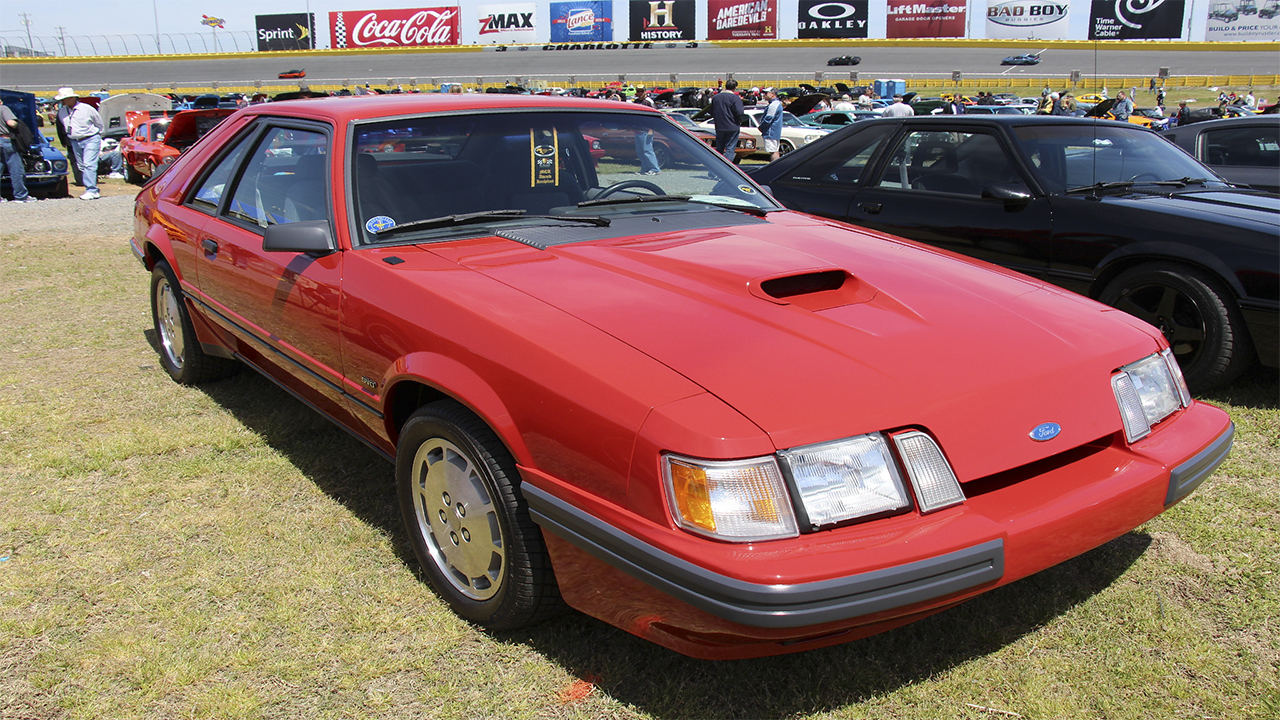
The Ford Mustang SVO arrived during the 1980s performance drought and proved that speed did not always require a large V8 engine. Using a turbocharged four-cylinder engine, upgraded suspension, and improved handling, it focused on balance and driver involvement rather than simple horsepower. At a time when many enthusiasts still expected V8 muscle, the SVO showed the potential of turbocharged performance. Today, it is recognized as one of the most advanced Mustangs of its generation.
AMC Eagle
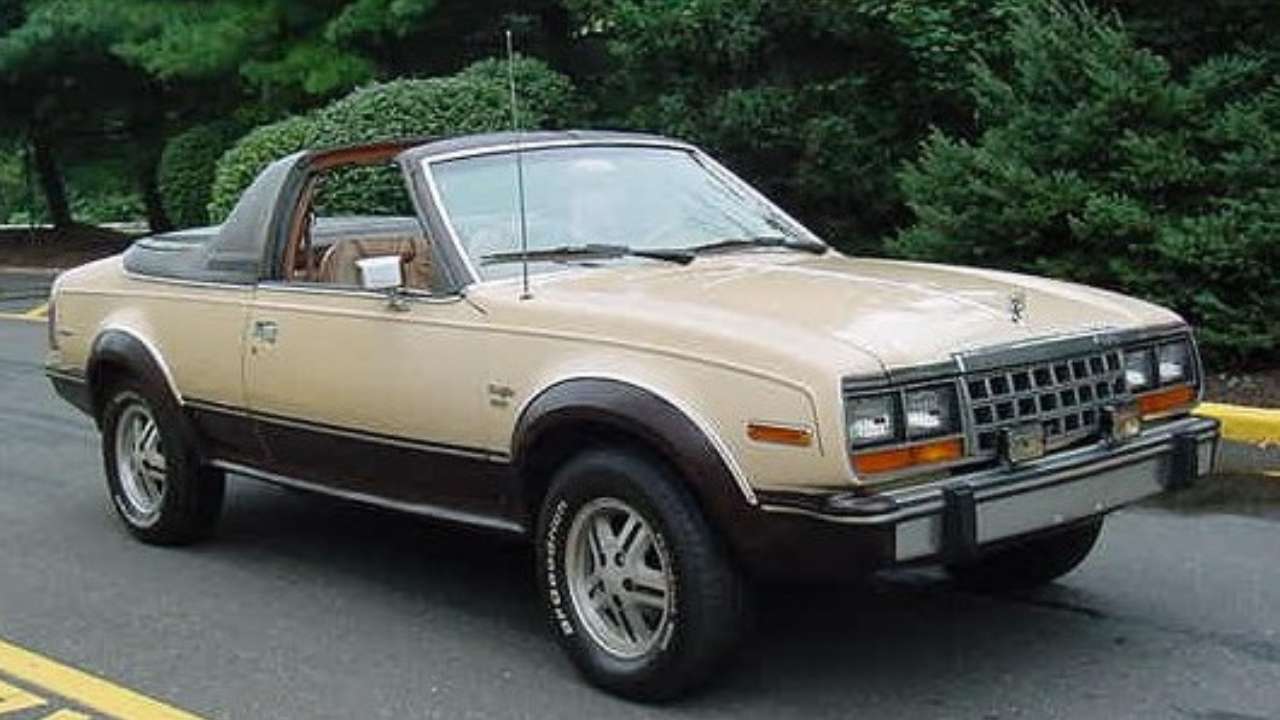
The AMC Eagle was one of the earliest vehicles to combine car-like comfort with four-wheel-drive capability, making it a true pioneer of the crossover concept. Introduced in 1979, it offered all-weather confidence without the size and roughness of traditional SUVs. While buyers did not fully understand its purpose at the time, modern crossover vehicles follow a similar formula. The Eagle’s innovative design proved AMC was thinking far ahead of mainstream automotive trends.
Cadillac Seville (1976)

The first-generation Cadillac Seville represented a major shift for American luxury cars by focusing on smaller dimensions, efficiency, and European-inspired handling. During an era when large luxury vehicles dominated, the Seville offered a more refined alternative for buyers seeking sophistication without excessive size. Its compact proportions and premium features predicted the move toward smaller luxury sedans that would become popular decades later. The Seville helped redefine what a Cadillac could be.
Pontiac Fiero
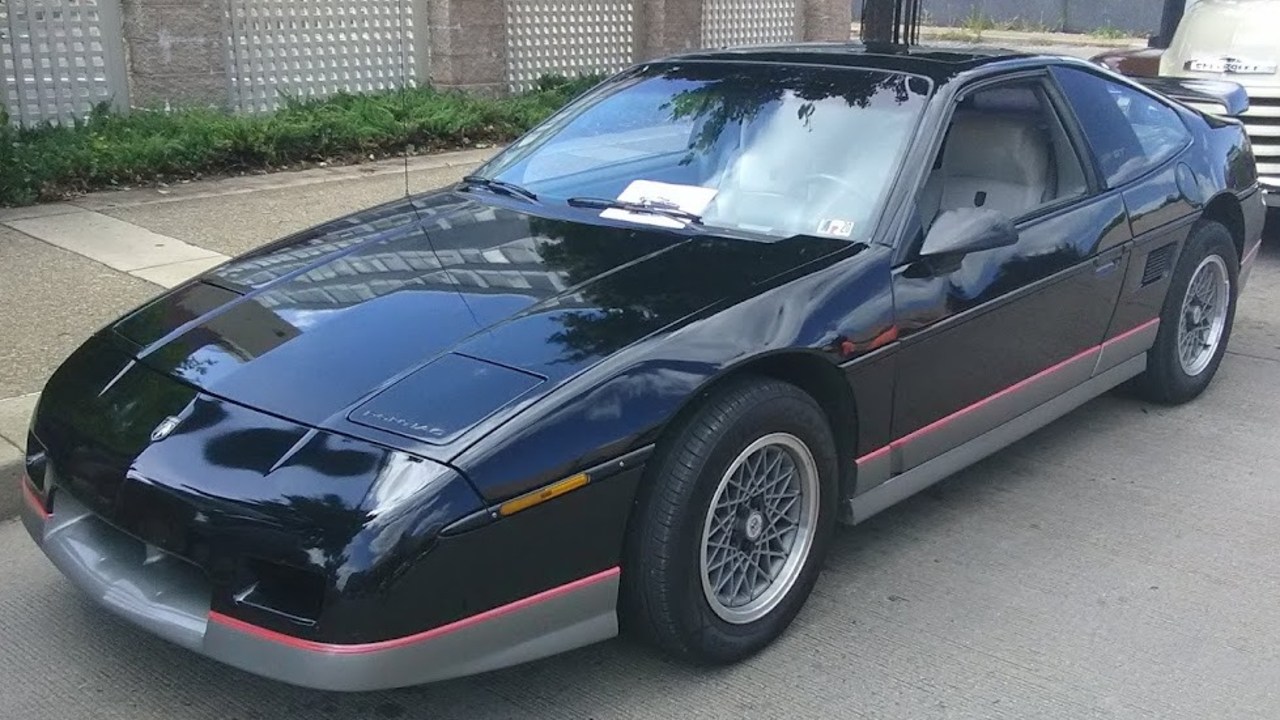
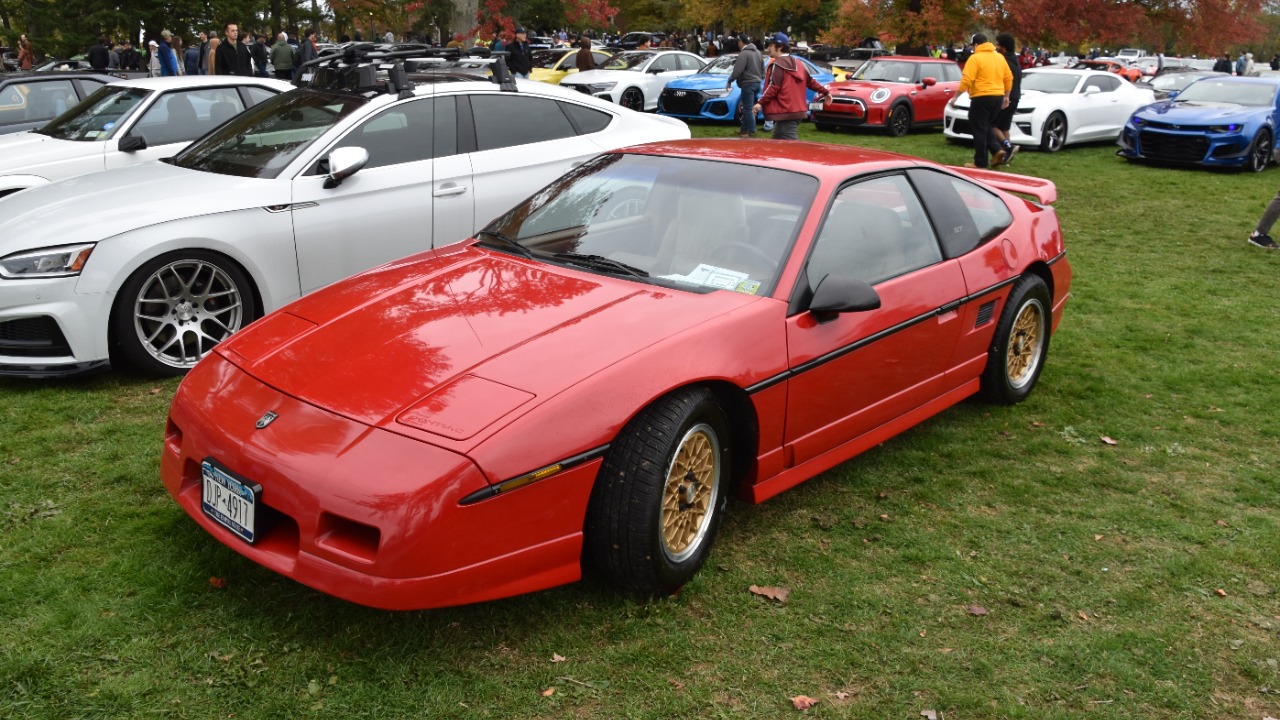
The Pontiac Fiero introduced a mid-engine sports car concept to the American market at an affordable price. While early issues affected its reputation, later versions improved significantly with better suspension and engineering updates. Its lightweight design and unique layout made it unlike anything else produced by an American manufacturer at the time. Although it never achieved mainstream success, the Fiero helped prove there was demand for accessible mid-engine performance cars.
Chevrolet Volt
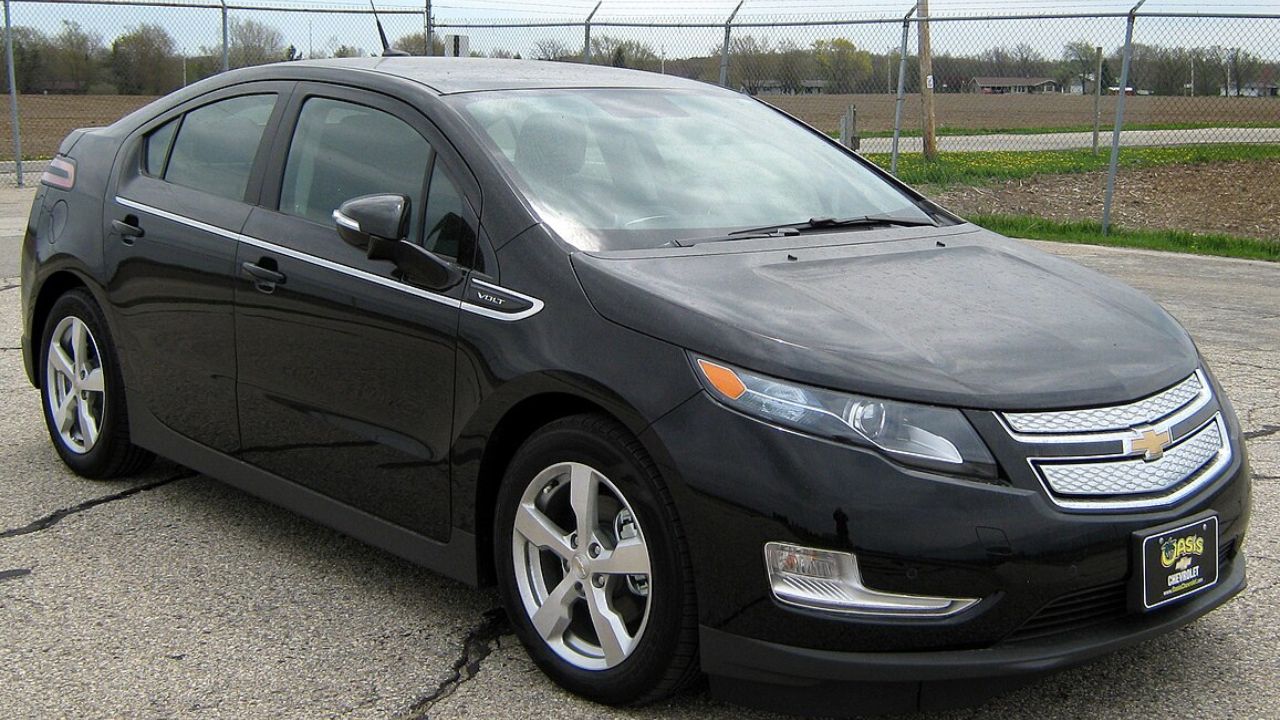
The Chevrolet Volt was one of America’s most ambitious attempts to rethink electric vehicle ownership. Instead of being limited by battery range, it used an extended-range electric system that allowed drivers to rely on electric power for daily trips while still having a gasoline engine for longer journeys. Although it arrived before electric vehicles became mainstream, many of its ideas predicted the direction of modern automotive technology. The Volt remains an important milestone in Chevrolet’s history.
Buick Reatta
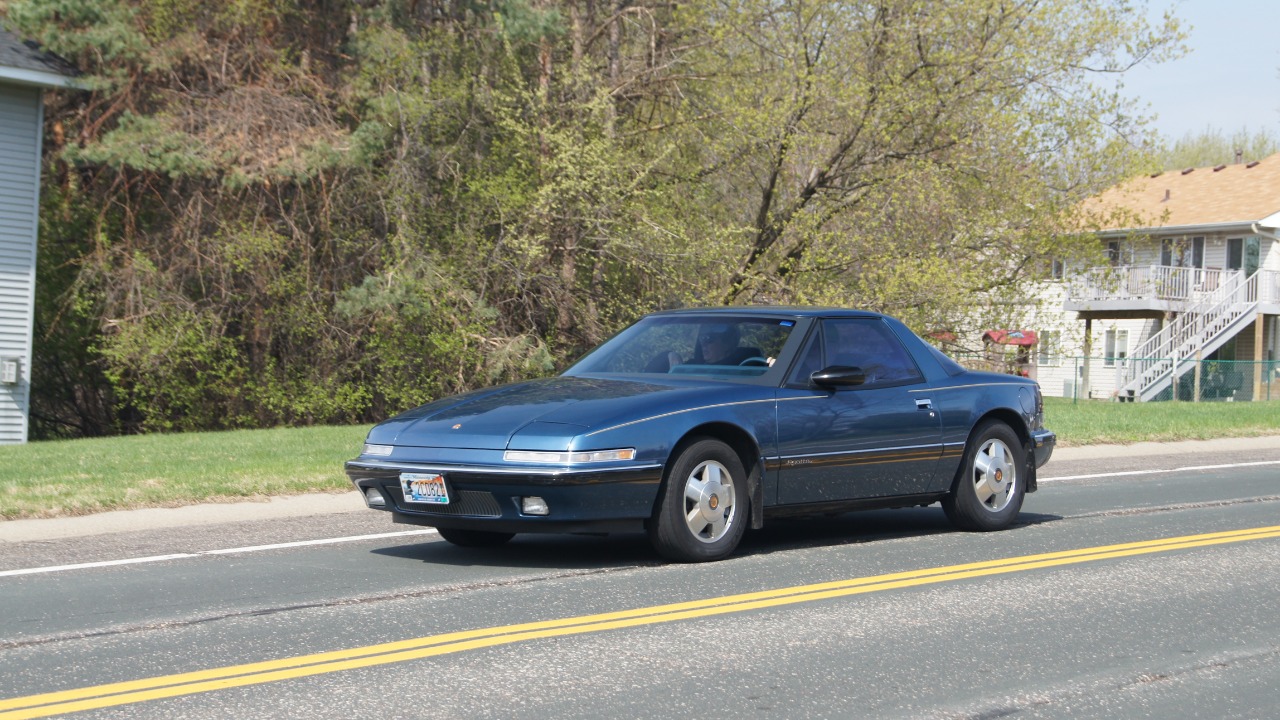
The Buick Reatta showcased futuristic thinking through advanced technology, limited-production craftsmanship, and a sleek design that separated it from traditional Buick models. Its touchscreen control system was remarkably advanced for the late 1980s, appearing years before similar features became common. Built with careful attention to detail, the Reatta represented Buick experimenting with a more modern luxury identity. While sales were limited, its innovative features make it one of the brand’s most interesting forgotten creations.
More from Fast Lane Only
- Unboxing the WWII Jeep in a Crate
- 15 rare Chevys collectors are quietly buying
- 10 underrated V8s still worth hunting down
- Police notice this before you even roll window down
*Research for this article included AI assistance, with all final content reviewed by human editors.