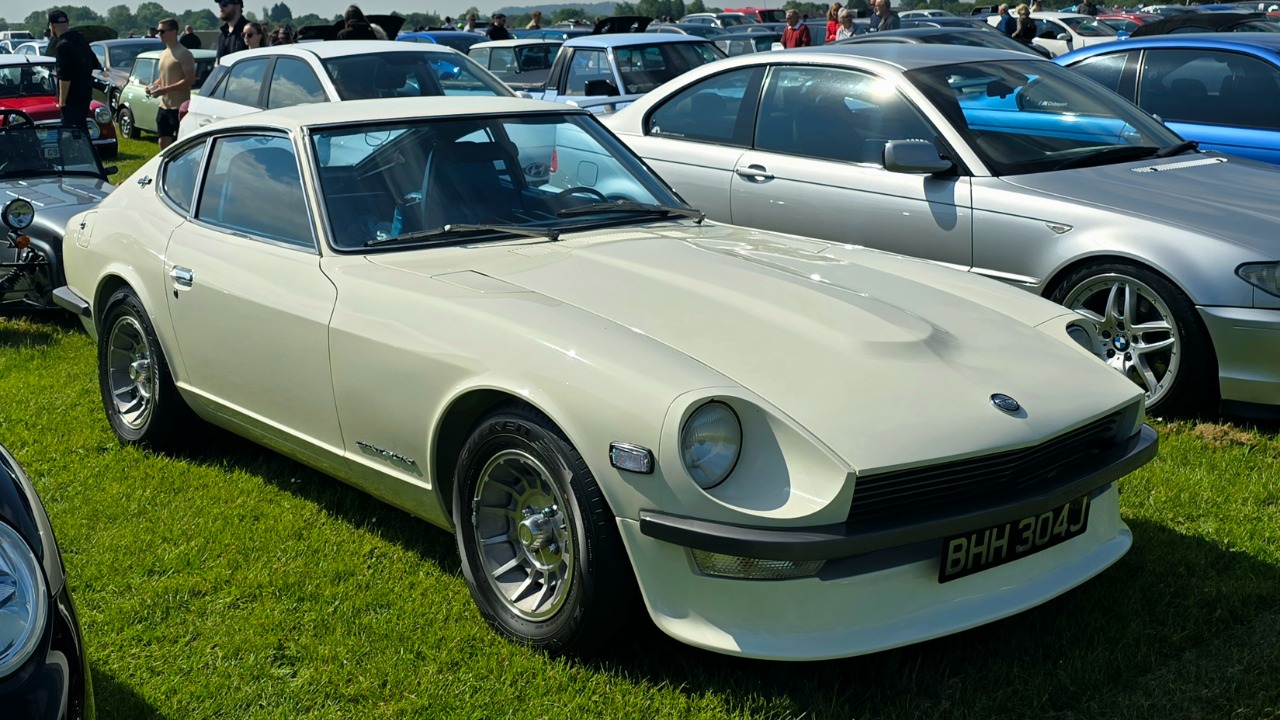
Pony cars emerged as a distinctive class of American muscle in the 1960s, blending style, performance, and affordability. These vehicles not only captured the spirit of the youth culture but also set the tone for automotive design and marketing strategies for decades to come. From the iconic Ford Mustang to the stylish Chrysler 300, each model contributed uniquely to the pony car legacy, defining an entire generation.
Ford Mustang: The Original Pony Car
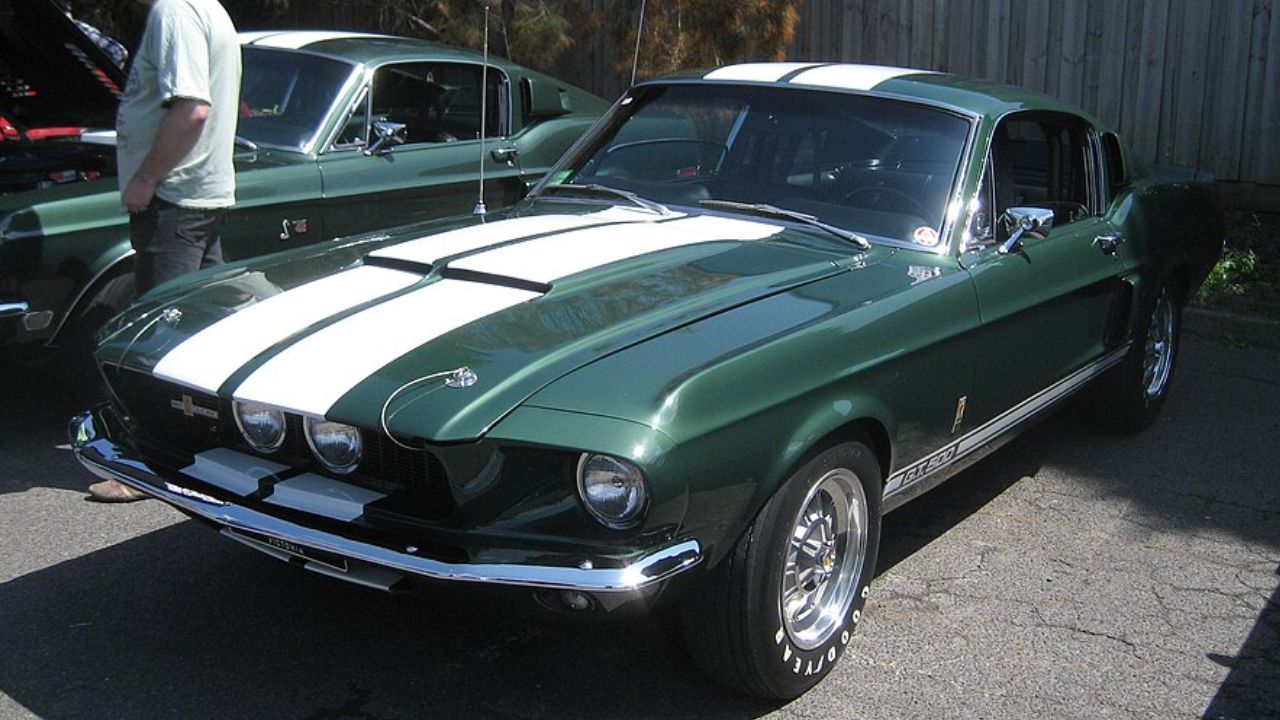
The Ford Mustang debuted in 1964 and quickly became synonymous with the pony car movement. Its sleek design, powerful engines, and competitive pricing made it an instant hit among young drivers. The Mustang was more than just a car; it was a cultural phenomenon, symbolizing freedom and rebellion. Iconic variants like the 1969 Mach 1 and the Shelby GT500 showcased performance that still resonates today. The Mustang has continued to evolve, adapting to changing consumer demands while retaining its classic appeal. As Ford’s flagship, it remains a benchmark in the automotive industry and a source of pride for enthusiasts worldwide. For more about its impact, check out this Ford article.
Chevrolet Camaro: The Fierce Competitor
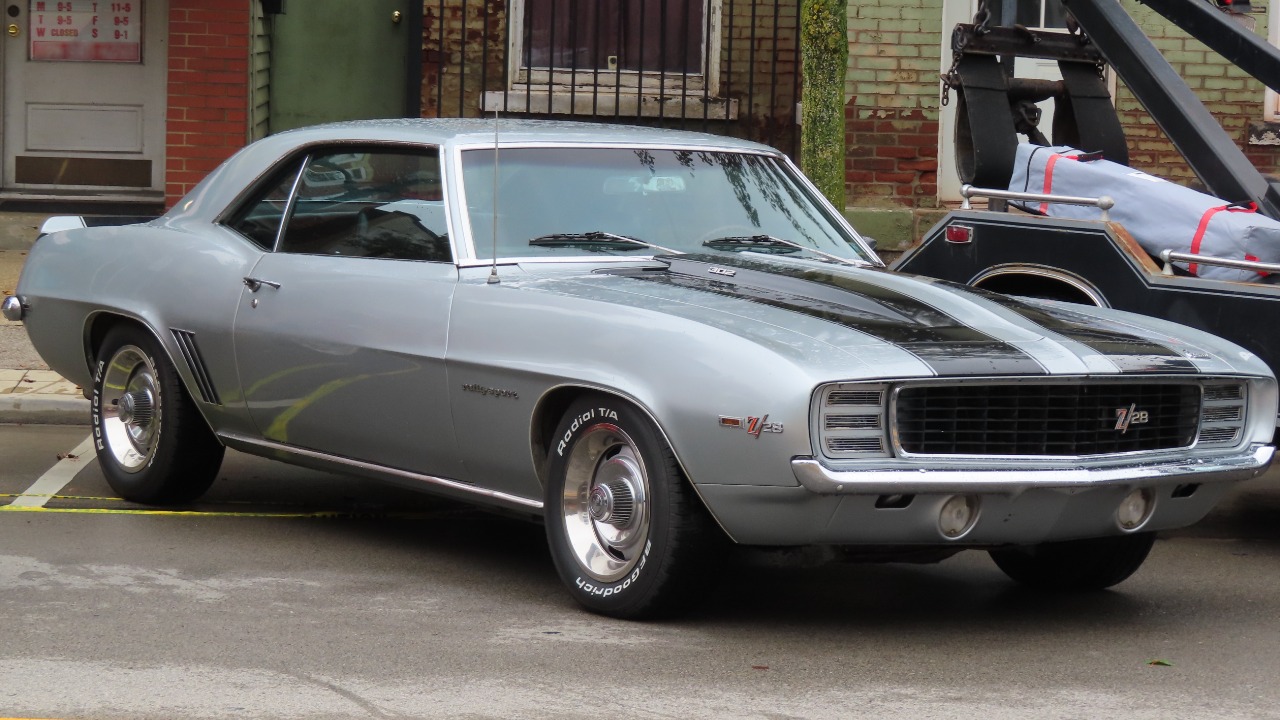
Launched in 1966, the Chevrolet Camaro was designed to compete directly with the Ford Mustang. It quickly established itself as a formidable contender in the pony car arena. The first-generation models, particularly the 1969 Z28, captured the hearts of muscle car fans with their aggressive styling and powerful V8 engines. The Camaro’s performance was impressive, as it became a popular choice for drag racing and street performance. Over the years, the Camaro has undergone various transformations, each generation maintaining a balance between modern technology and classic muscle car aesthetics. The enduring rivalry between the Mustang and Camaro has fueled a loyal fanbase for both brands.
Pontiac Firebird: The Sporty Rebel
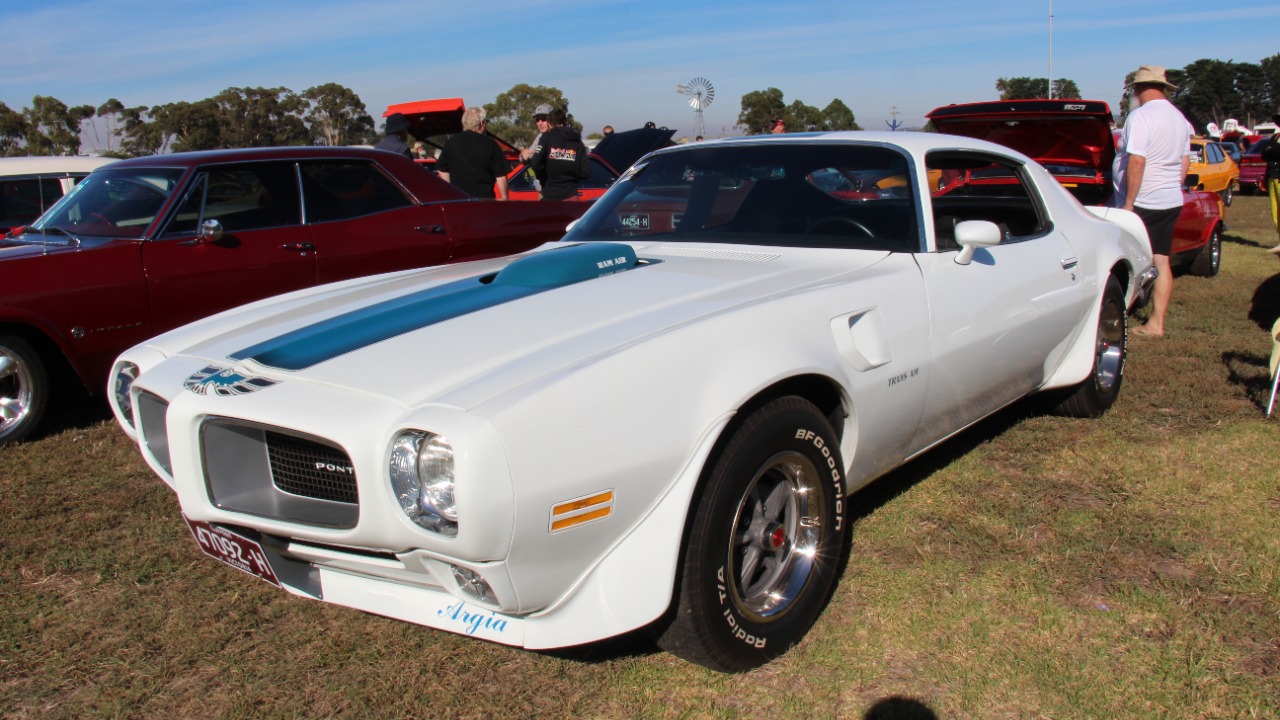
Debuting in 1967, the Pontiac Firebird was GM’s answer to the growing pony car market. Known for its sporty looks and high-performance options, the Firebird quickly gained a reputation as a rebellious alternative to its competitors. With models like the 1970 Trans Am, featuring the iconic “screaming chicken” hood decal, the Firebird became a symbol of American performance. Its powerful engines and handling characteristics made it a favorite among enthusiasts. Despite its discontinuation in 2002, the Firebird’s legacy endures, celebrated in car culture and popular media. The Firebird’s unique style and performance ensure it remains a cherished icon in automotive history.
Dodge Challenger: The Muscle Car Comeback
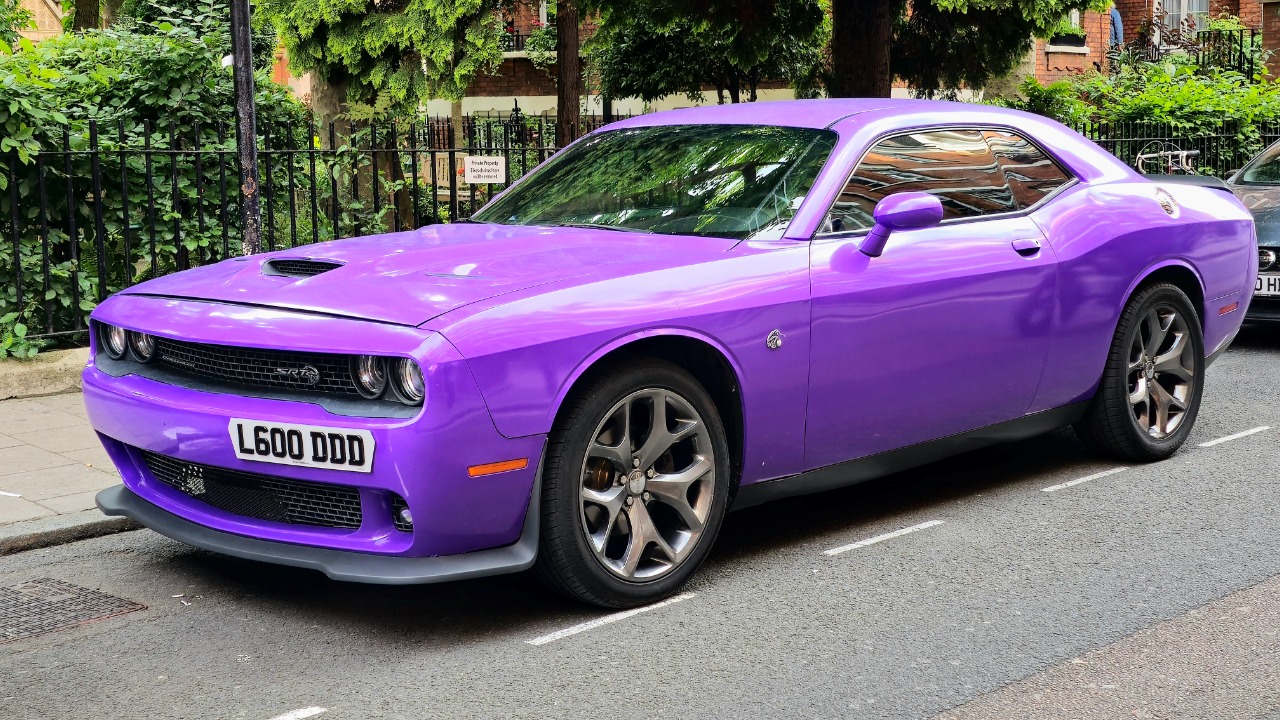
The Dodge Challenger made its debut in 1970 and quickly became known for its muscular design and powerful engine options, including the legendary HEMI V8. After a hiatus, Dodge brought back the Challenger in 2008, tapping into nostalgia while incorporating modern technology. The new generation retains the classic design cues while offering impressive performance and contemporary features. Models like the 2021 Challenger SRT Hellcat, with its supercharged 6.2-liter HEMI engine, demonstrate that the Challenger is still a force to be reckoned with. This blend of old-school charm and cutting-edge engineering has solidified the Challenger’s place in the modern muscle car landscape.
Mercury Cougar: The Stylish Alternative
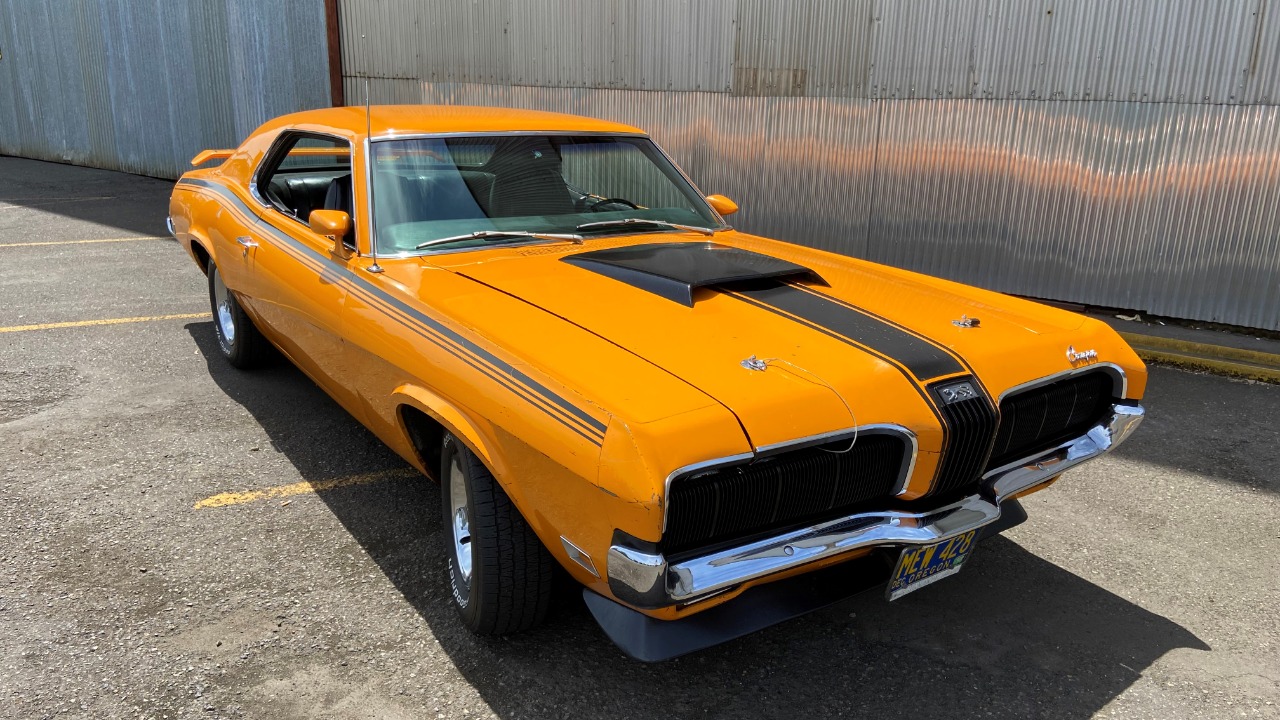
The Mercury Cougar was introduced in 1967 as a more upscale alternative to the Mustang, appealing to buyers looking for a blend of performance and luxury. Its design featured elegant lines and a more refined interior, catering to a different segment of the pony car market. The Cougar’s first-generation models, particularly the 1969 and 1970 versions, offered impressive performance with optional V8 engines. Although it never reached the same iconic status as its Ford sibling, the Cougar carved a niche for itself by combining style with muscle. Despite its discontinuation in 2002, the Cougar remains a notable part of the pony car legacy.
Plymouth Barracuda: The Early Challenger
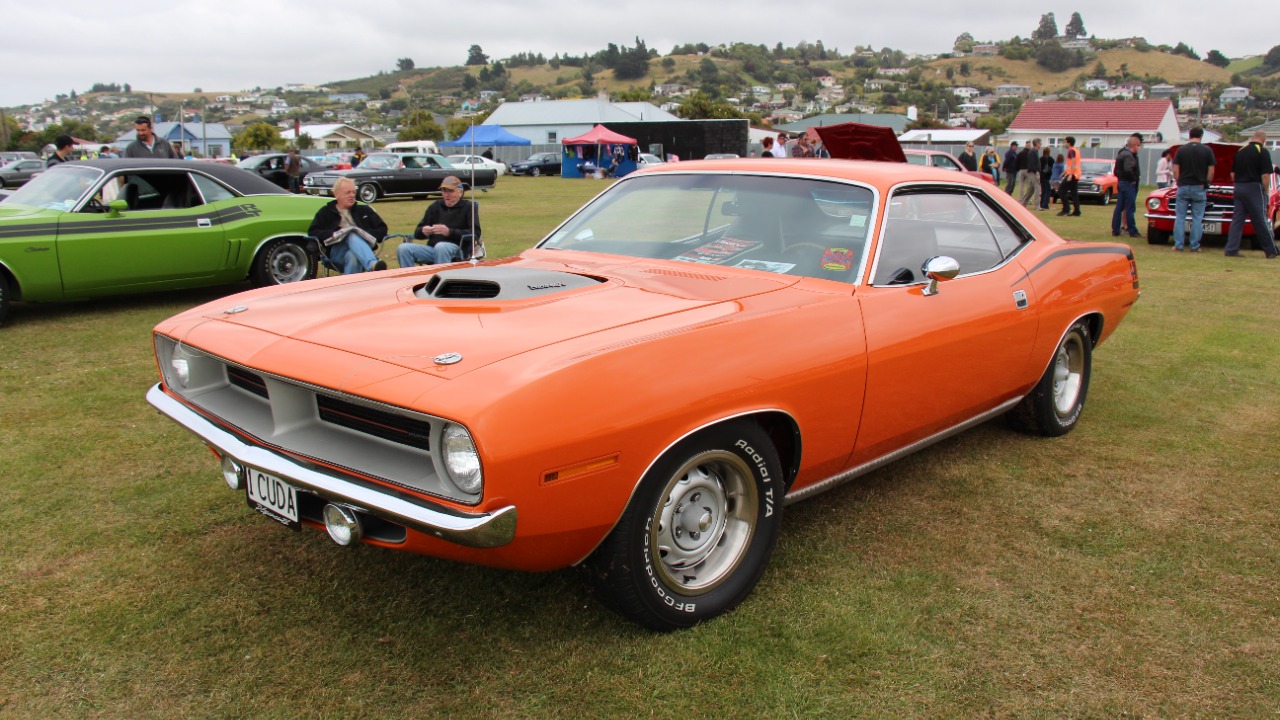
Introduced in 1964, the Plymouth Barracuda is often credited as one of the first pony cars, predating the Mustang by a few months. Its unique fastback design and aggressive styling set it apart from the competition. The Barracuda gained fame with the high-performance 1970 model, which featured a distinctive ‘shaker’ hood and powerful engine options. Despite its relatively short production run, the Barracuda remains a beloved classic among muscle car enthusiasts. Its combination of style, performance, and rarity makes it a sought-after collector’s item today, ensuring its place in the annals of automotive history. Check out discussions on platforms like Reddit for fan opinions.
Nissan Z-Car: The Japanese Contender
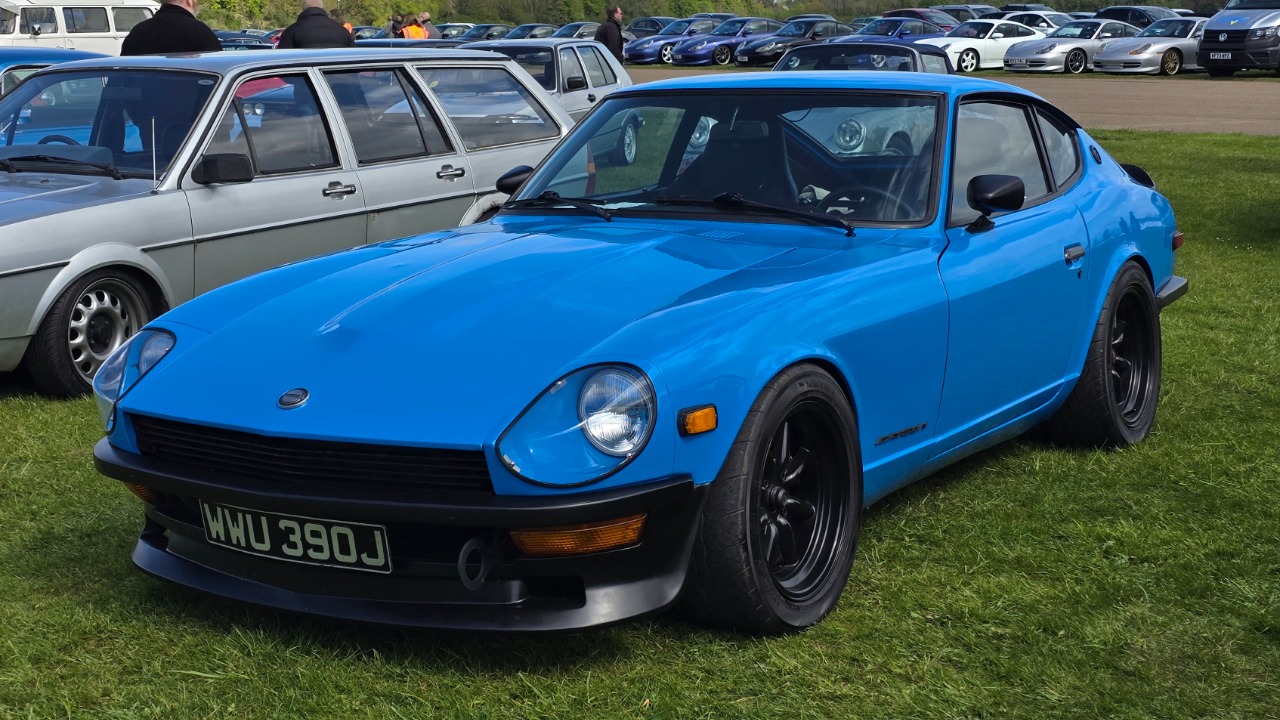
The Nissan Z-Car, starting with the Datsun 240Z in 1970, introduced a new level of performance and style to the pony car segment. With its lightweight chassis and powerful inline-six engine, the Z-Car quickly gained acclaim for its handling and speed. The 240Z was not just a sports car; it showcased the potential of Japanese engineering in a market dominated by American muscle. Over the years, the Z-Car evolved through various generations, each adding to its legacy. The modern Nissan Z continues to honor its roots while incorporating advanced technology, proving that the spirit of the pony car transcends national boundaries.
Toyota Celica: The Compact Game Changer
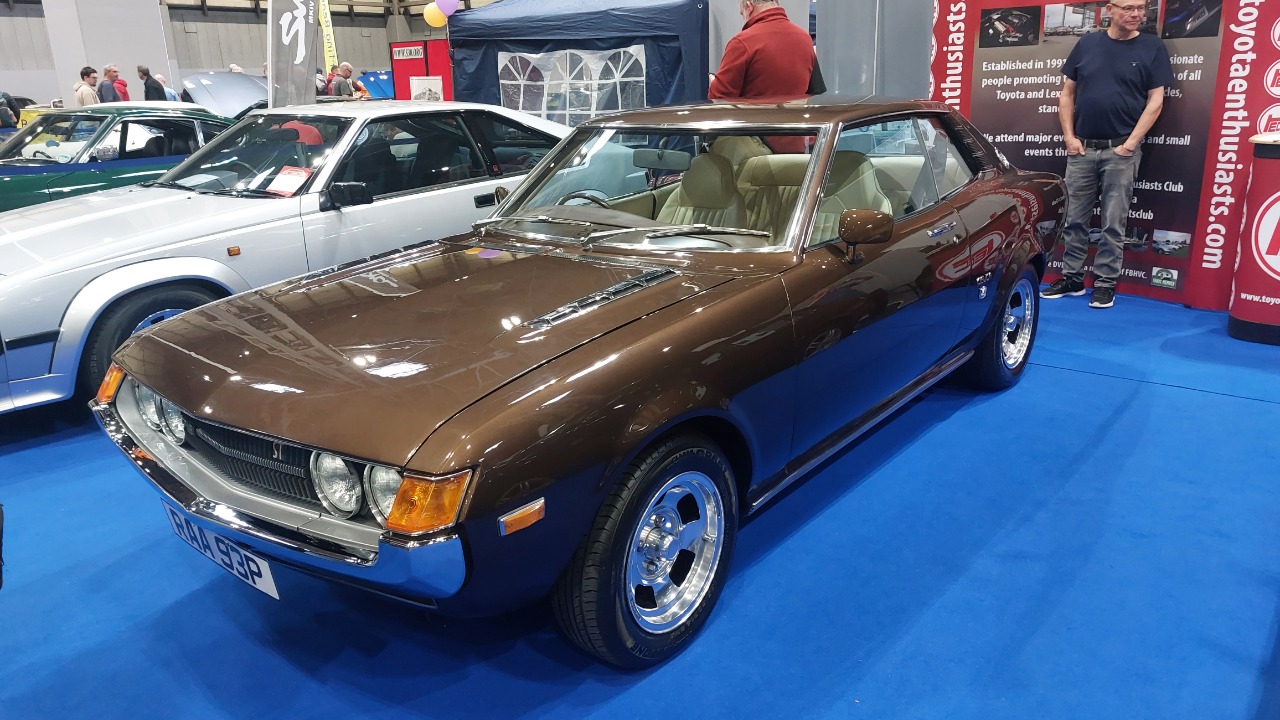
The Toyota Celica, introduced in 1970, brought a new perspective to the pony car landscape with its compact size and sporty character. While it may not have the sheer muscle of American counterparts, the Celica offered a blend of performance and practicality that appealed to a broader audience. The 1975 Celica, with its fastback design, became a favorite among sport compact enthusiasts. Over the years, the Celica evolved, incorporating advanced technology and performance enhancements. Its lightweight design and agile handling have made it a popular choice for racing and everyday driving alike, establishing the Celica as a significant player in the automotive world.
Chrysler 300: The Luxury Pony Car
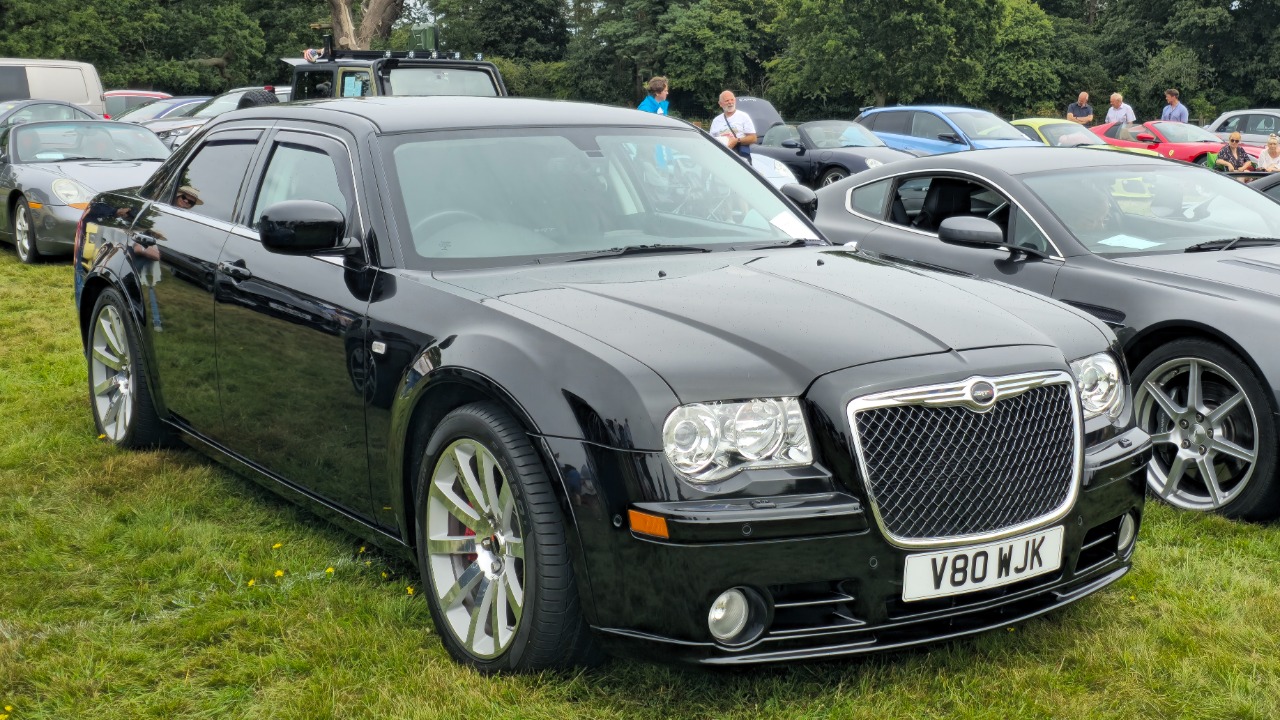
The Chrysler 300 emerged in 1955 but reinvented itself as a luxury pony car in the early 2000s. With its bold styling and high-end features, the 300 offered an upscale alternative to traditional muscle cars. The 300C, equipped with a powerful HEMI engine, combined luxury and performance, making it a favorite among drivers seeking comfort without sacrificing power. Its spacious interior and advanced technology appealed to a diverse demographic, further expanding the concept of what a pony car could be. Today, the Chrysler 300 stands as a testament to the versatility of the pony car segment and continues to attract attention for its unique blend of luxury and performance.
More from Fast Lane Only
- Unboxing the WWII Jeep in a Crate
- 15 rare Chevys collectors are quietly buying
- 10 underrated V8s still worth hunting down
- Police notice this before you even roll window down
*Research for this article included AI assistance, with all final content reviewed by human editors.