The 1980s was a transformative decade for automotive performance, birthing a range of vehicles that still ignite passion among enthusiasts today. From turbocharged beasts to iconic sports cars, this era laid the groundwork for modern performance machines. Let’s take a trip down memory lane and celebrate nine performance vehicles that defined the 1980s and continue to capture the hearts of car lovers around the world.
Porsche 911 Turbo (930)

The Porsche 911 Turbo, particularly the 930 model produced from 1975 to 1989, remains an icon of performance engineering. With its distinctive wide body and flared fenders, the 930 was not just about looks; it was powered by a 3.3-liter turbocharged flat-six engine that delivered exhilarating acceleration. Capable of reaching 0 to 60 mph in just 5.2 seconds, it was a game-changer for the sports car segment. This model helped establish Porsche as a leader in turbo technology and performance. The 930 continues to be celebrated in various events, including the annual Porsche Parade, where enthusiasts gather to appreciate its legacy.
In addition to its performance, the 911 Turbo (930) showcased Porsche’s commitment to innovation, featuring advanced technologies like rear-wheel drive and a unique suspension setup. Its racing pedigree also influenced its design, making it a favorite among collectors and racers alike. The car embodies the spirit of the 1980s while continuing to influence modern Porsche designs. Today, it’s not uncommon to see 930s at classic car shows or in the hands of collectors who appreciate its blend of history and performance.
Ferrari F40

Launched in 1987, the Ferrari F40 set a new standard for supercars with its lightweight construction and raw power. Designed to commemorate Ferrari’s 40th anniversary, the F40 featured a 2.9-liter twin-turbo V8 engine that produced an astonishing 471 horsepower. With a top speed of 201 mph, it was the fastest production car of its time. The F40’s minimalist interior and aggressive styling made it a standout, reflecting Ferrari’s racing heritage. It was built for performance rather than luxury, gaining respect among purists and enthusiasts alike.
Ferrari produced only 1,311 units of the F40, solidifying its status as a collector’s item. Its racing-inspired design elements, such as the prominent rear wing and lightweight materials, contribute to its allure. The F40 continues to resonate with car enthusiasts and has become a symbol of the brand’s commitment to performance. Events like the Ferrari Owners’ Club gatherings often feature this model, celebrating its legacy in the automotive world.
Chevrolet Corvette C4
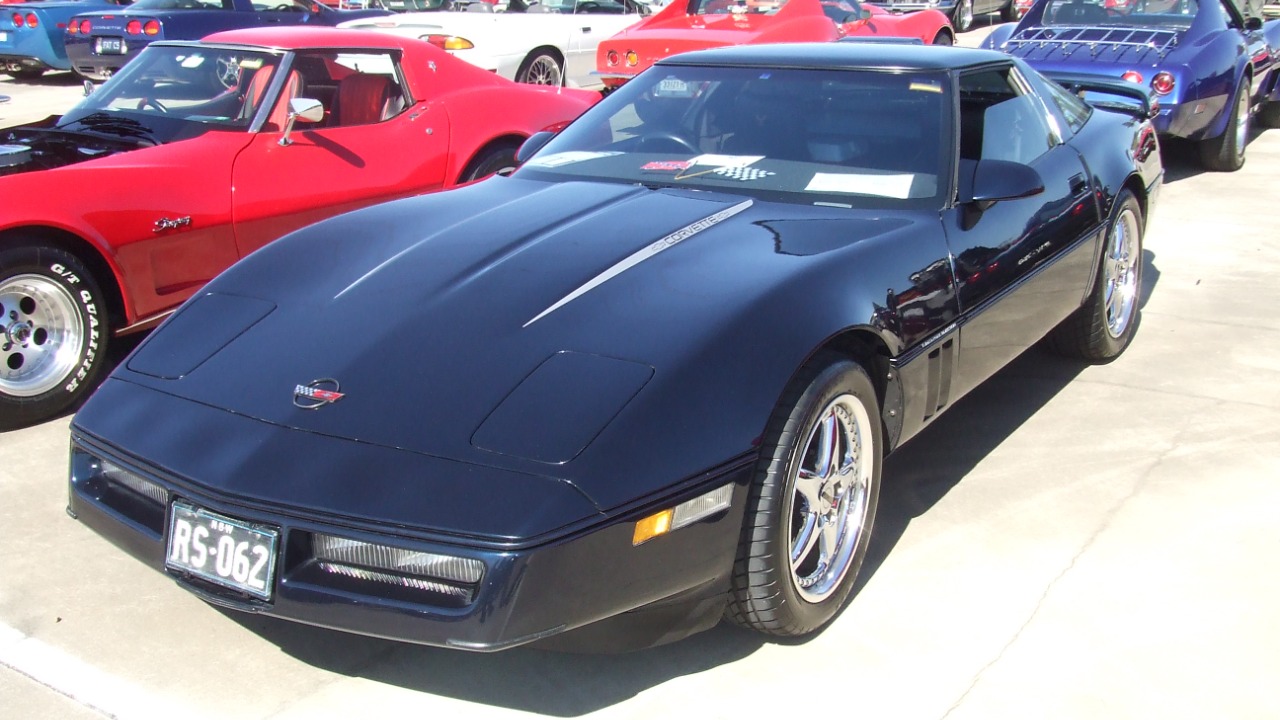
Introduced in 1984, the Chevrolet Corvette C4 marked a significant evolution in Corvette design and performance. Featuring a sleek, aerodynamic body, the C4 was powered by a range of engines, culminating in the 5.7-liter V8 that produced up to 350 horsepower in the ZR-1 variant. With a focus on handling and performance, the C4 was equipped with innovations like an independent rear suspension and advanced aerodynamics, setting it apart from its predecessors. It was also the first Corvette to be designed using computer-aided design technology, showcasing Chevrolet’s commitment to modern engineering.
The Corvette C4 became a staple at car shows and racing events, gaining a devoted following among enthusiasts. Its blend of everyday drivability and high performance made it a popular choice for sports car fans. The C4’s impact on the Corvette lineage is profound, influencing subsequent models with its focus on performance and technology. Today, C4 Corvettes can be seen at classic car gatherings, where they are celebrated for their role in redefining American sports cars.
Ford Mustang GT (Fox Body)
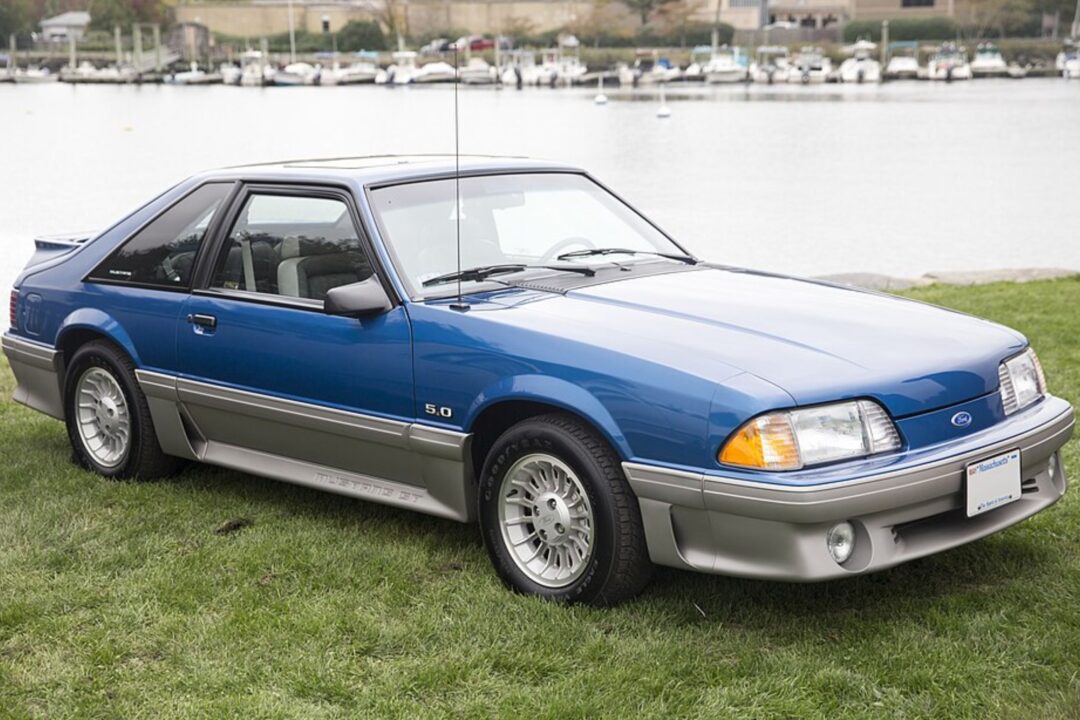
The Ford Mustang GT from the Fox Body generation (1979-1993) is a performance icon that embodies the spirit of the 1980s. With its lightweight chassis and powerful 5.0-liter V8 engine, the Mustang GT offered impressive performance at an accessible price. Capable of 0 to 60 mph in around 6.5 seconds, it became a favorite among enthusiasts. The Mustang’s customizable options and vibrant aftermarket support allowed owners to personalize their vehicles, further enhancing its popularity.
Moreover, the Fox Body Mustang played a significant role in motorsports during its production run, competing successfully in various racing events. Its distinctive styling and performance capabilities helped solidify the Mustang’s place in American automotive history. Today, the Fox Body Mustang is celebrated in enthusiast circles, with events dedicated to this generation, showcasing its lasting impact on the muscle car landscape. The community around the Mustang GT continues to thrive, ensuring its legacy endures well into the future.
Toyota Supra Mk3 (A70)
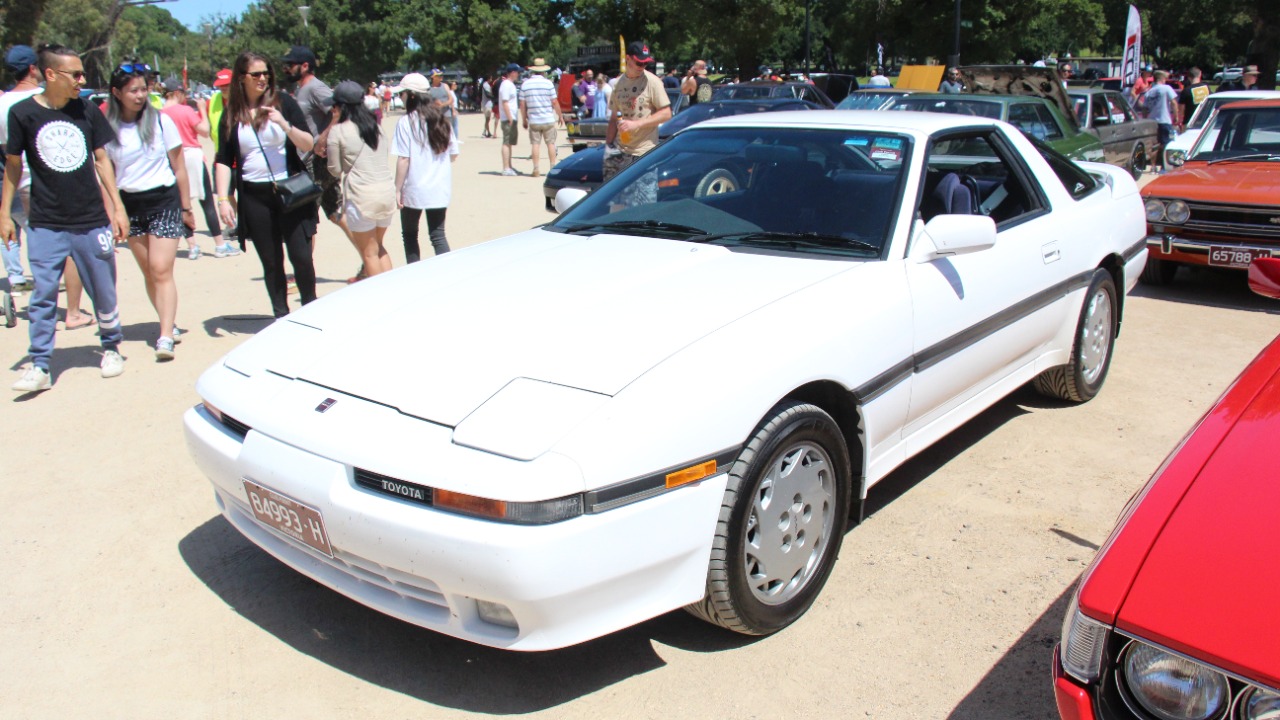
The Toyota Supra Mk3, produced from 1986 to 1992, is a beloved performance vehicle that has garnered a dedicated following. Equipped with a range of engines, including the legendary 7M-GTE 3.0-liter inline-six turbo, the Mk3 offered impressive power and tuning potential. With a reputation for reliability and a robust aftermarket, the Supra became a favorite among tuners and racing enthusiasts. Its sleek design and advanced technology set it apart in the crowded sports car market.
In addition to its performance credentials, the Supra Mk3 gained fame through its appearances in popular culture, including movies and video games, further solidifying its status as an icon. Its blend of performance and practicality made it a versatile choice for drivers. The Supra community remains active, with events celebrating its legacy and a vibrant market for parts and modifications. As a result, the Mk3 continues to inspire new generations of car enthusiasts drawn to its potent performance and rich history.
Lamborghini Countach
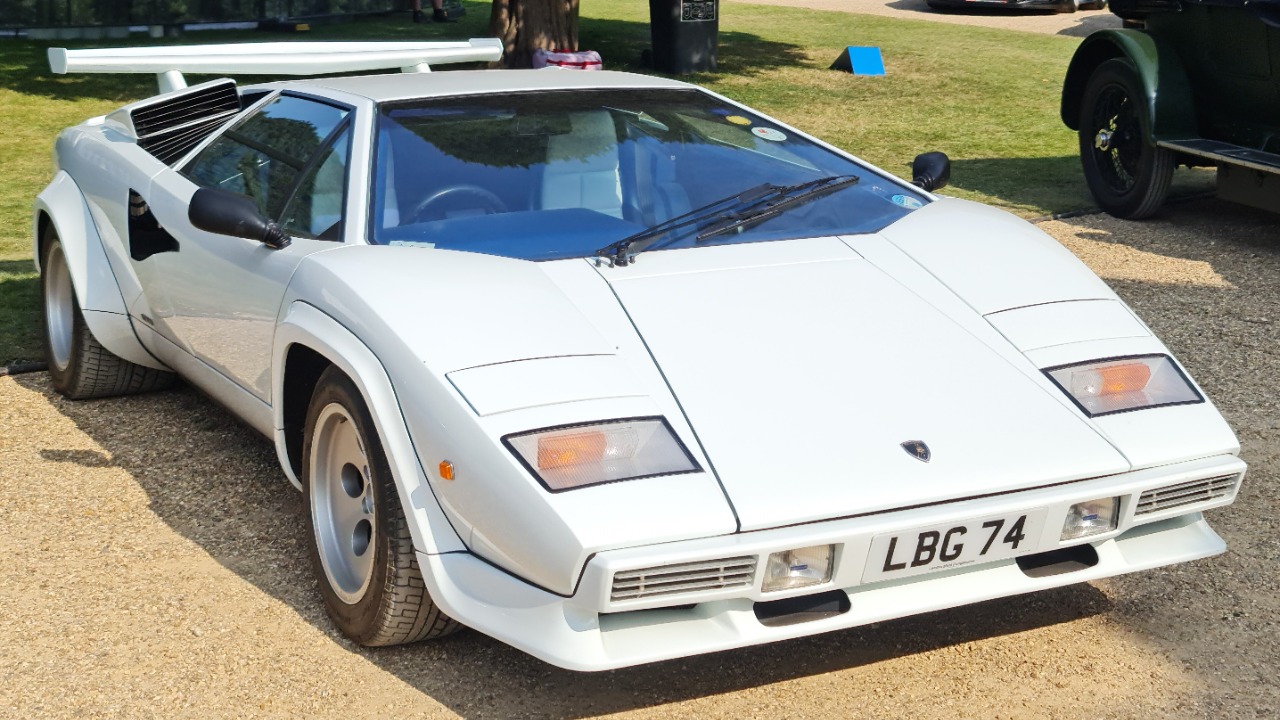
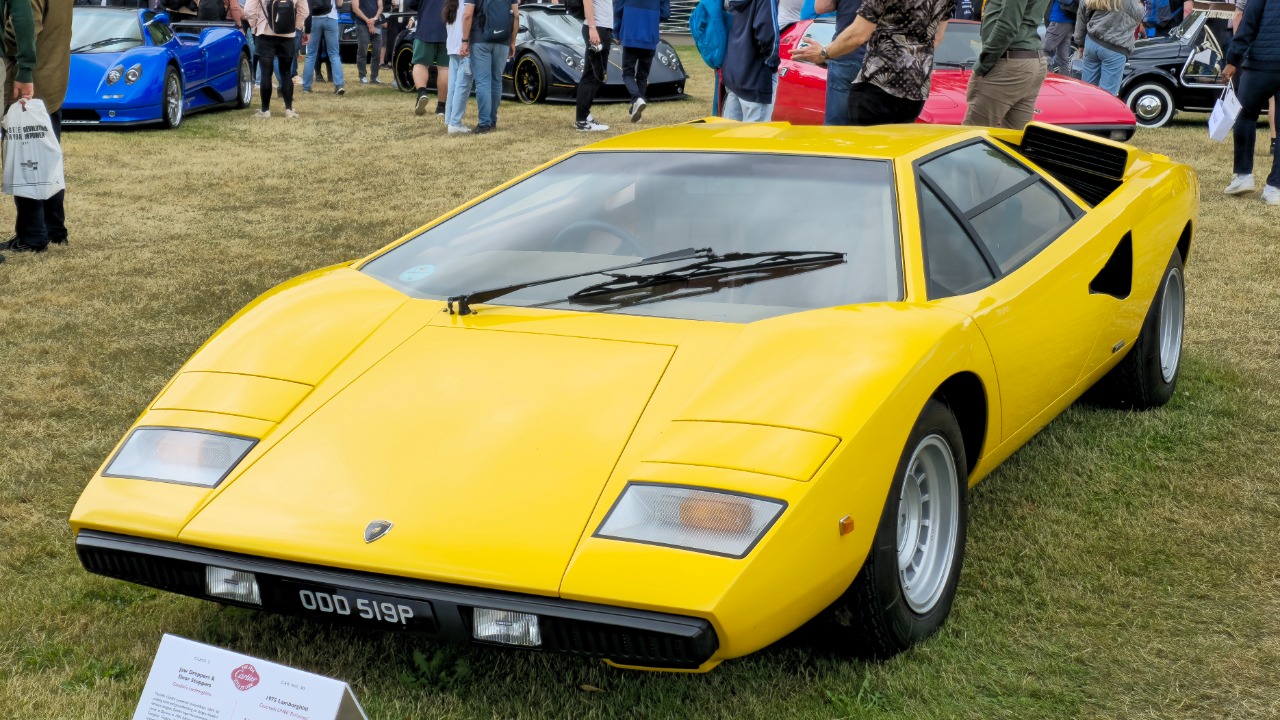
Debuting in the late 1970s and continuing its production into the early ’90s, the Lamborghini Countach is often considered the epitome of 1980s excess. With its wedge-shaped design and scissor doors, the Countach was a showstopper that defined an era. Under the hood, it featured a powerful V12 engine, producing up to 500 horsepower in its later iterations. The Countach’s performance was equally impressive, with a top speed exceeding 180 mph, making it a true supercar.
The Countach was more than just a performance machine; it was a cultural phenomenon, appearing in numerous films and media, cementing its status as an icon. Events like the annual Lamborghini Festival celebrate its legacy, drawing crowds eager to admire its striking design and engineering. Even decades later, the Countach remains a symbol of automotive aspiration, influencing countless designs and capturing the imagination of enthusiasts around the globe.
Nissan 300ZX (Z31)
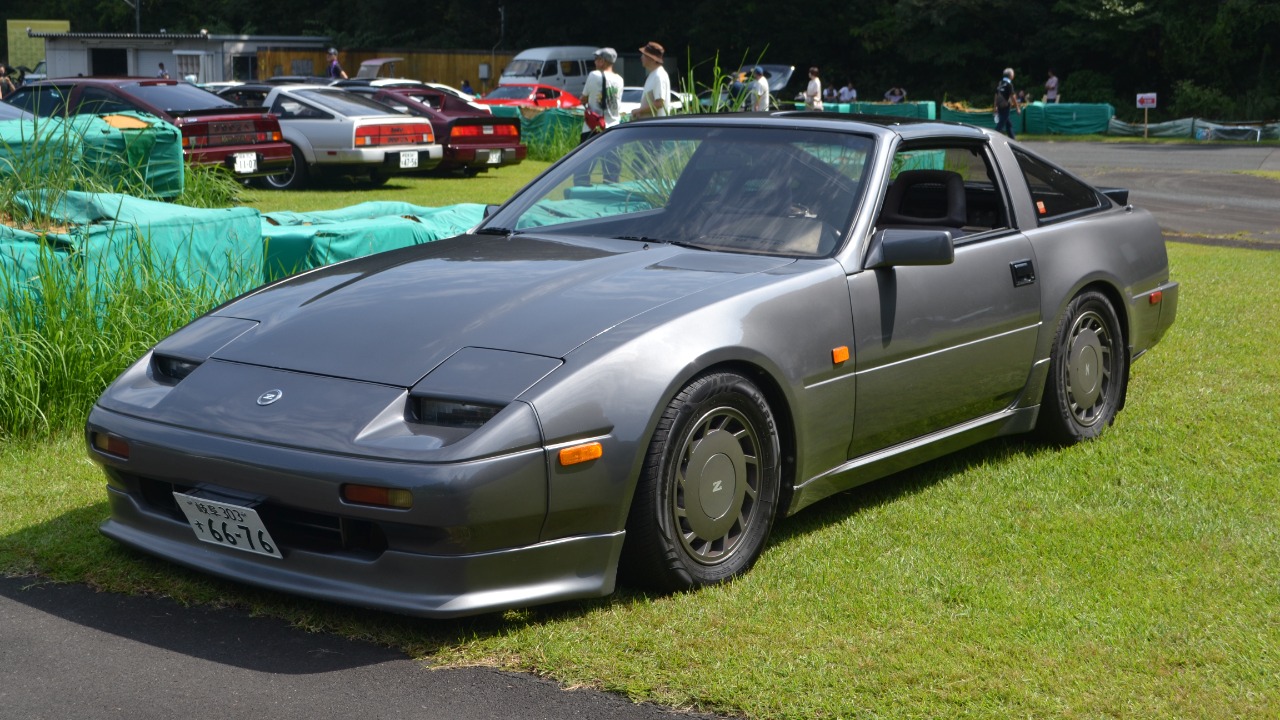
The Nissan 300ZX, particularly the Z31 model produced from 1983 to 1989, is a classic sports car that combined performance and technology. Featuring a turbocharged 3.0-liter V6 engine, the 300ZX offered impressive power and agility, capable of reaching 0 to 60 mph in around 6 seconds. Its design was innovative, featuring a sleek profile and advanced aerodynamics, which enhanced both performance and fuel efficiency.
As one of the first vehicles to incorporate digital displays and advanced suspension systems, the 300ZX was ahead of its time. It quickly gained recognition in the automotive community and became a favorite among enthusiasts and tuners. Today, the Z31 has a growing fan base, with many owners restoring and modifying their vehicles to maintain their performance legacy. Car shows and meetups often feature the 300ZX, showcasing its enduring appeal and significance in the history of performance cars.
Audi Quattro

The Audi Quattro, introduced in 1980, revolutionized the automotive world with its innovative all-wheel-drive technology. Designed for rally racing, the Quattro’s combination of a turbocharged inline-five engine and quattro all-wheel drive made it a formidable competitor on various terrains. It was capable of delivering power to all four wheels, providing exceptional grip and handling, which was particularly beneficial in inclement weather conditions.
The Quattro’s success in motorsports, including numerous rally championships, helped solidify Audi’s reputation for engineering excellence. Its design, featuring a wide stance and distinctively boxy shape, remains iconic. The Audi Quattro continues to inspire the brand’s performance models, reflecting its lasting impact on the automotive industry. Today, enthusiasts celebrate the Quattro at events dedicated to classic Audis, where its legacy as a pioneering performance vehicle is acknowledged and honored.
BMW M3 (E30)

The BMW M3 (E30), produced from 1982 to 1994, is one of the most revered performance cars in automotive history. Powered by a high-revving 2.3-liter inline-four engine, the E30 M3 produced 192 horsepower and was renowned for its precise handling and agility. Its lightweight construction and balanced chassis made it a favorite among driving enthusiasts, and it quickly established itself in motorsports, particularly in touring car racing.
The E30 M3’s classic boxy design and iconic “M” badging have made it a sought-after collector’s item. Today, it is celebrated not only for its performance but also for its contribution to the M brand’s legacy. Events dedicated to classic BMWs often feature the E30 M3, showcasing its status as a true performance machine. The community surrounding the E30 remains vibrant, with owners sharing their passion for this legendary model and its enduring influence on the performance car landscape.
More from Fast Lane Only
- Unboxing the WWII Jeep in a Crate
- 15 rare Chevys collectors are quietly buying
- 10 underrated V8s still worth hunting down
- Police notice this before you even roll window down
*Research for this article included AI assistance, with all final content reviewed by human editors.