The pony car segment has survived changing tastes, rising fuel prices, stricter regulations, and fierce competition for more than half a century. While some models disappeared from showrooms, they continued building loyal followings among enthusiasts who refused to let them be forgotten. Others adapted and evolved through multiple generations while preserving the sporty character that made them successful. These pony cars proved their staying power by remaining relevant long after many expected them to disappear.
Plymouth Duster
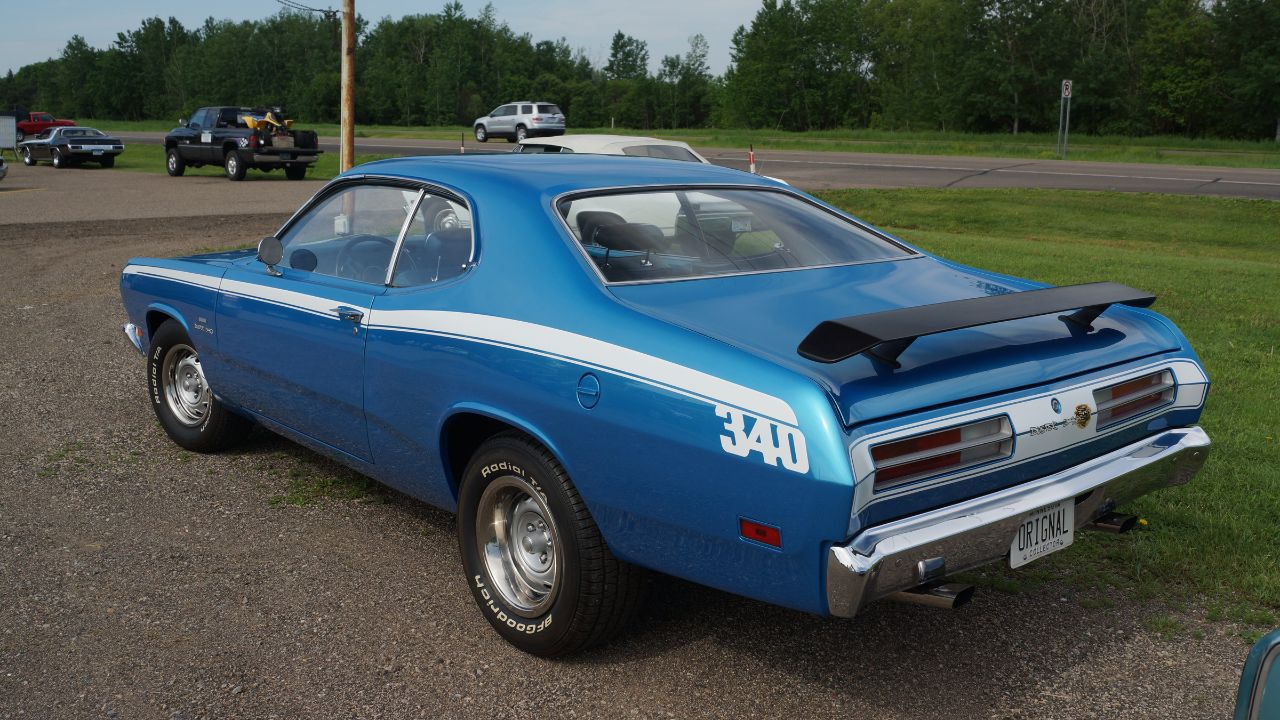
The Plymouth Duster brought performance to buyers who wanted something more affordable than larger muscle cars. Its lightweight design and available V8 engines helped it develop a reputation for delivering plenty of excitement without a high price tag. Even after production ended, enthusiasts continued restoring and racing these cars. The Duster’s simple formula has helped it remain popular with collectors for decades.
Mercury Capri
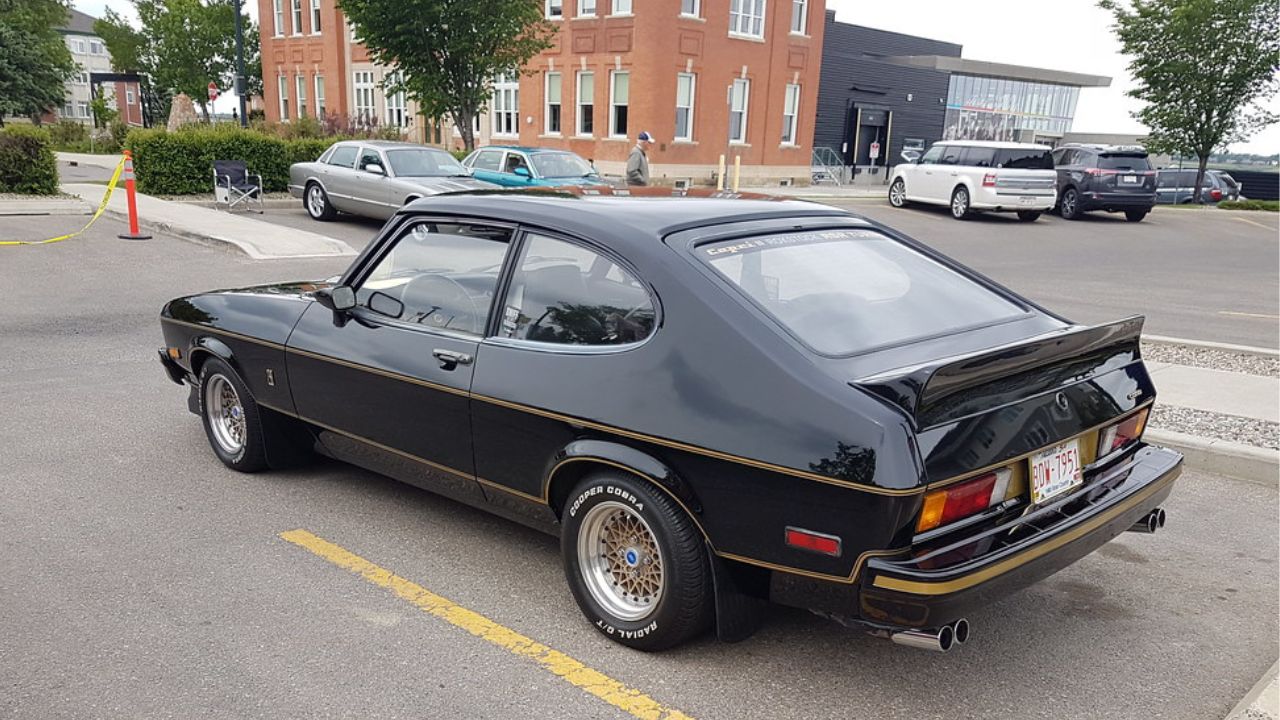
The Mercury Capri offered American buyers a different interpretation of the pony car formula. Imported from Europe during its early years, it combined sporty styling with smaller, more efficient engines. Later generations adopted a more traditional American approach while maintaining their performance identity. Although often overshadowed by better-known rivals, the Capri developed a loyal following that has endured for years.
AMC Javelin
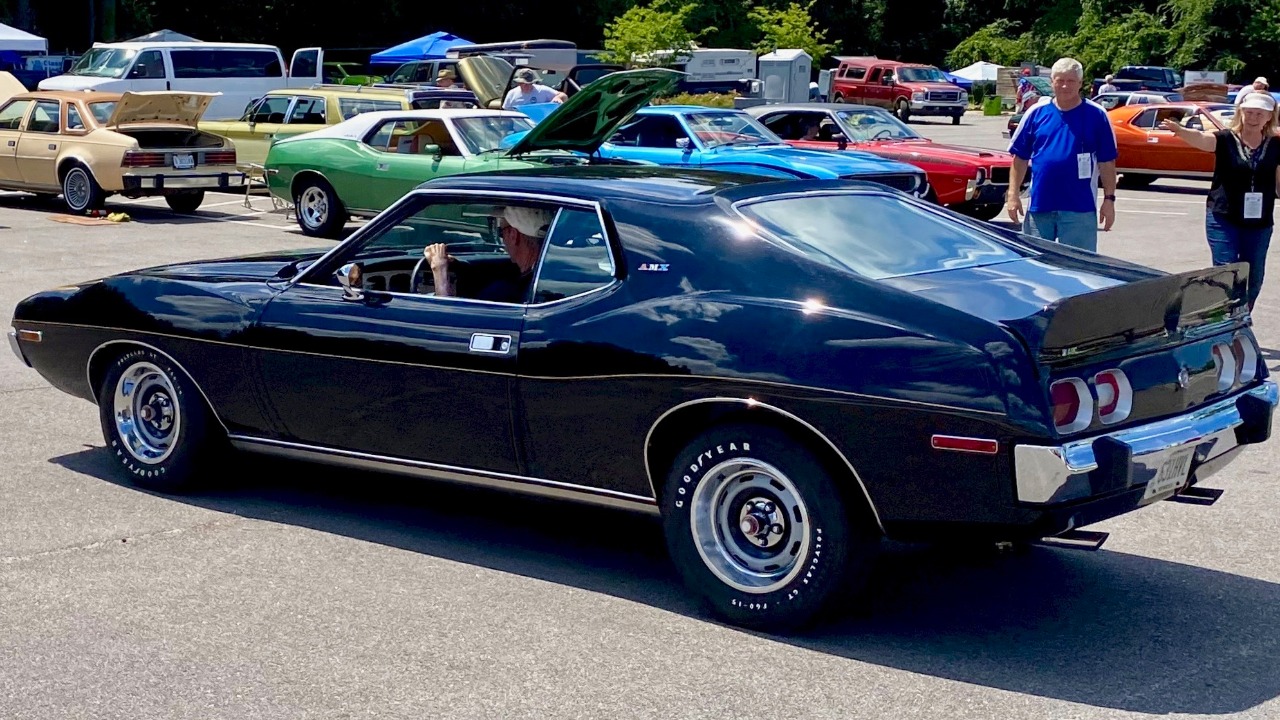
The AMC Javelin proved that a smaller automaker could compete in one of the most competitive automotive segments of the era. Distinctive styling and several powerful engine options helped it stand apart from the crowd. Racing success also strengthened its reputation among performance enthusiasts. Although American Motors eventually disappeared, interest in the Javelin has continued to grow.
Plymouth Barracuda
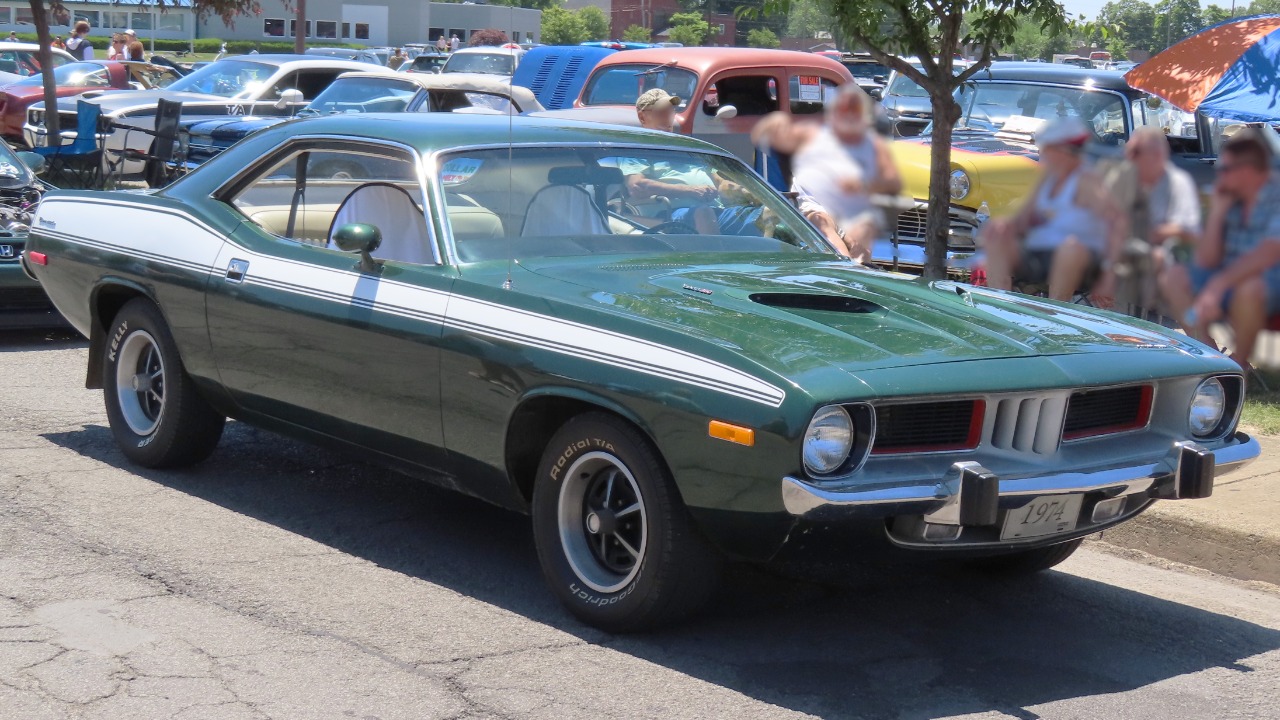
The Plymouth Barracuda arrived just before the pony car boom exploded across America. Its distinctive styling and wide range of performance packages gave buyers plenty of choices throughout the 1960s and early 1970s. Even after the model disappeared from dealerships, collectors kept its legacy alive. Today, the Barracuda remains one of the most desirable and recognizable pony cars ever built.
Pontiac Firebird Formula
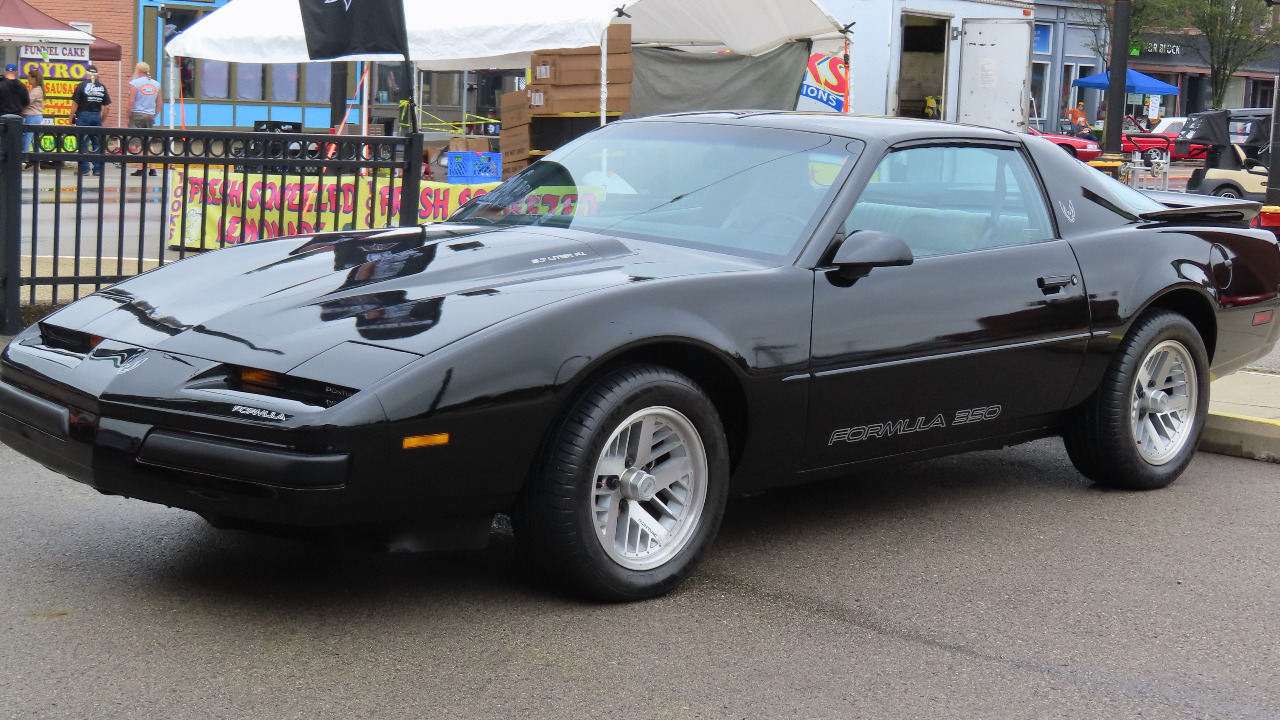
The Pontiac Firebird Formula often lived in the shadow of the more famous Trans Am, but it delivered impressive performance in a slightly more understated package. Powerful engines and aggressive styling helped it develop a devoted fan base. Even after the Pontiac brand disappeared, demand for Firebird models remained remarkably strong among enthusiasts.
Dodge Challenger
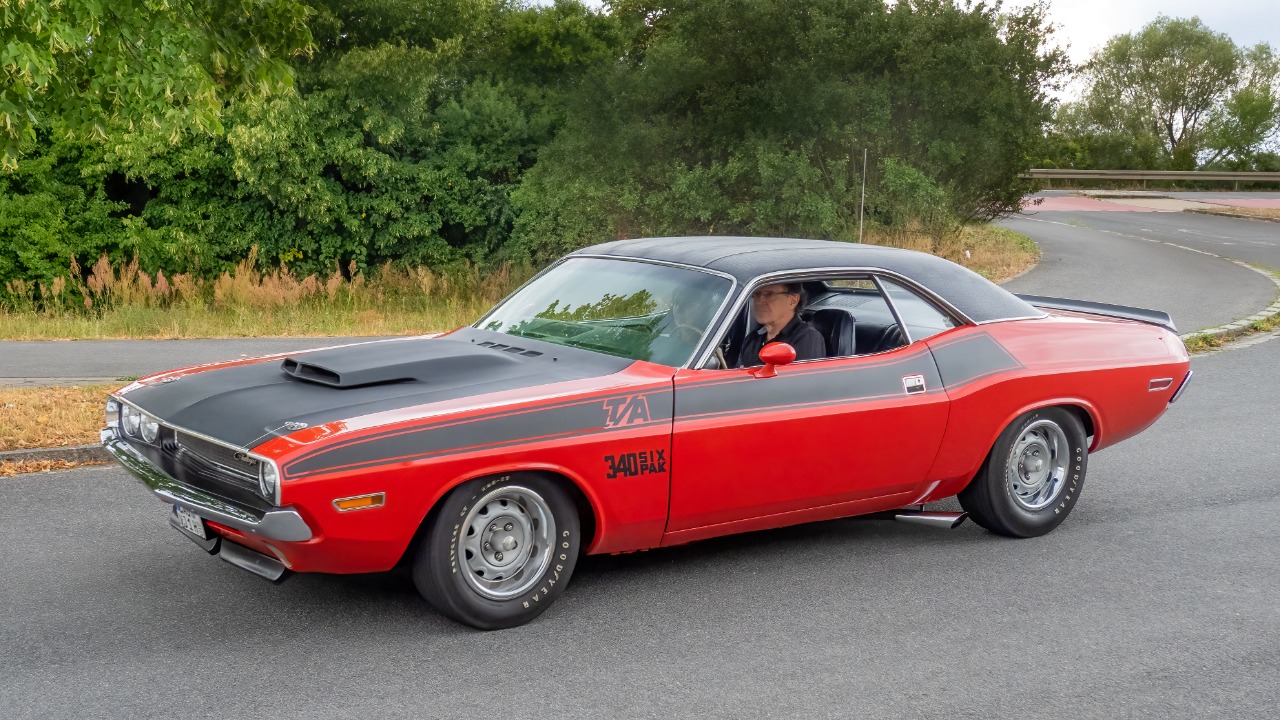
The Dodge Challenger survived one of the most remarkable automotive comebacks in recent history. After disappearing for decades, it returned with styling that honored its original design while embracing modern technology. The revival attracted both longtime enthusiasts and a new generation of drivers. Few performance cars have demonstrated the same ability to reconnect with their roots.
Ford Falcon Futura Sprint
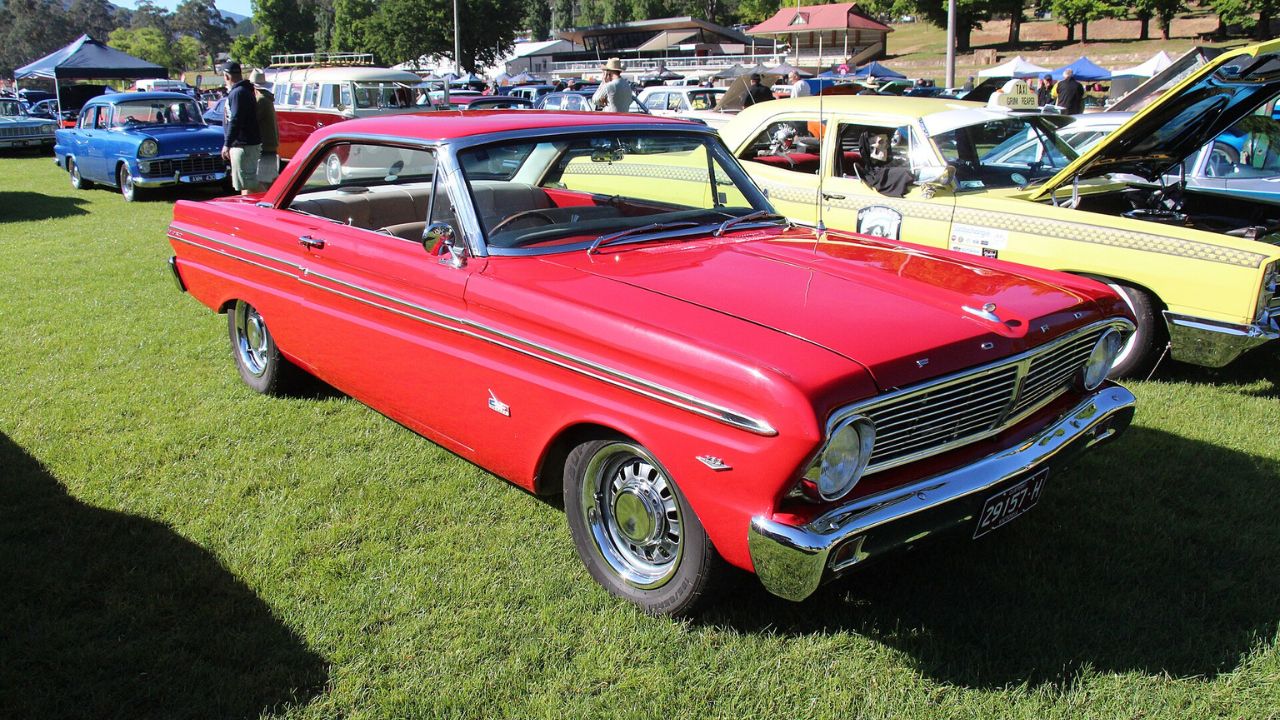
The Ford Falcon Futura Sprint helped pave the way for the pony car movement by combining compact dimensions with V8 performance. Although it never achieved the cultural impact of some later models, it introduced many of the ideas that would define the segment. Collectors have increasingly recognized its historical importance, helping preserve its legacy.
Chevrolet Monza 2+2
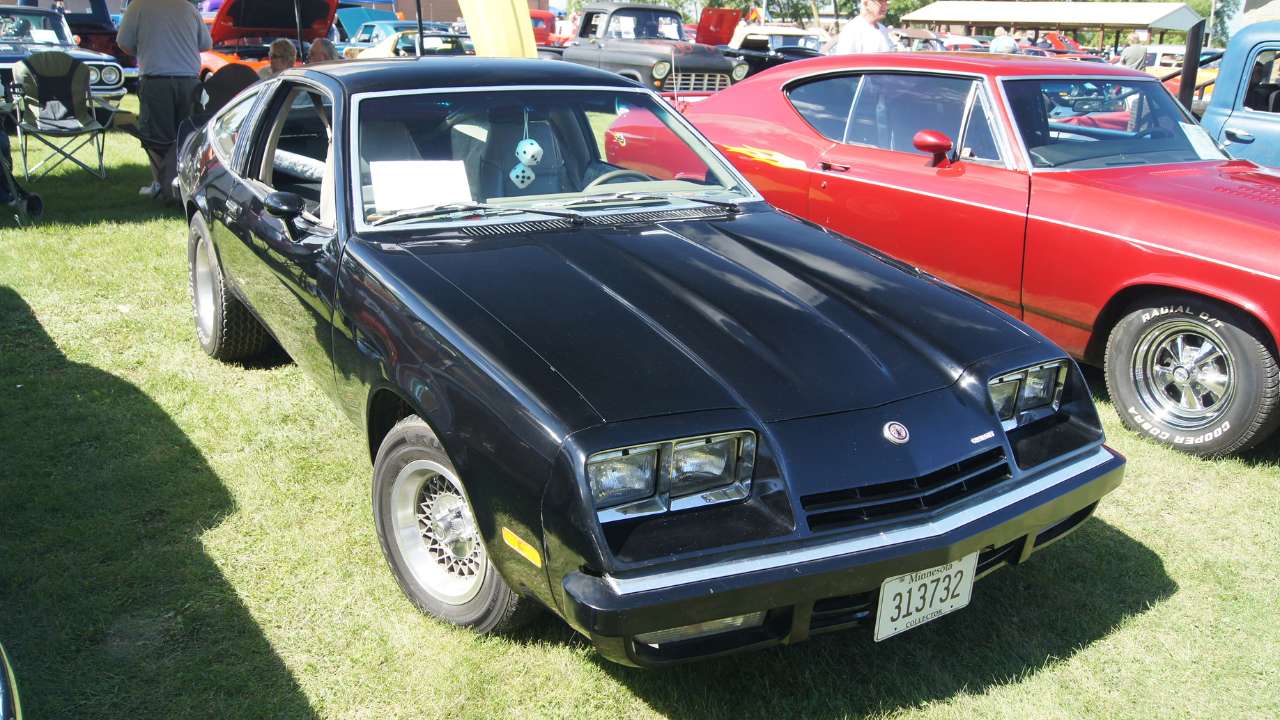
The Chevrolet Monza 2+2 carried the spirit of the pony car into the challenging automotive environment of the 1970s. Compact proportions, sporty styling, and available V8 power allowed it to maintain performance traditions during a period of major industry changes. Although often overlooked, the Monza has continued attracting enthusiasts who appreciate its unique place in Chevrolet history.
Ford Mustang II Cobra
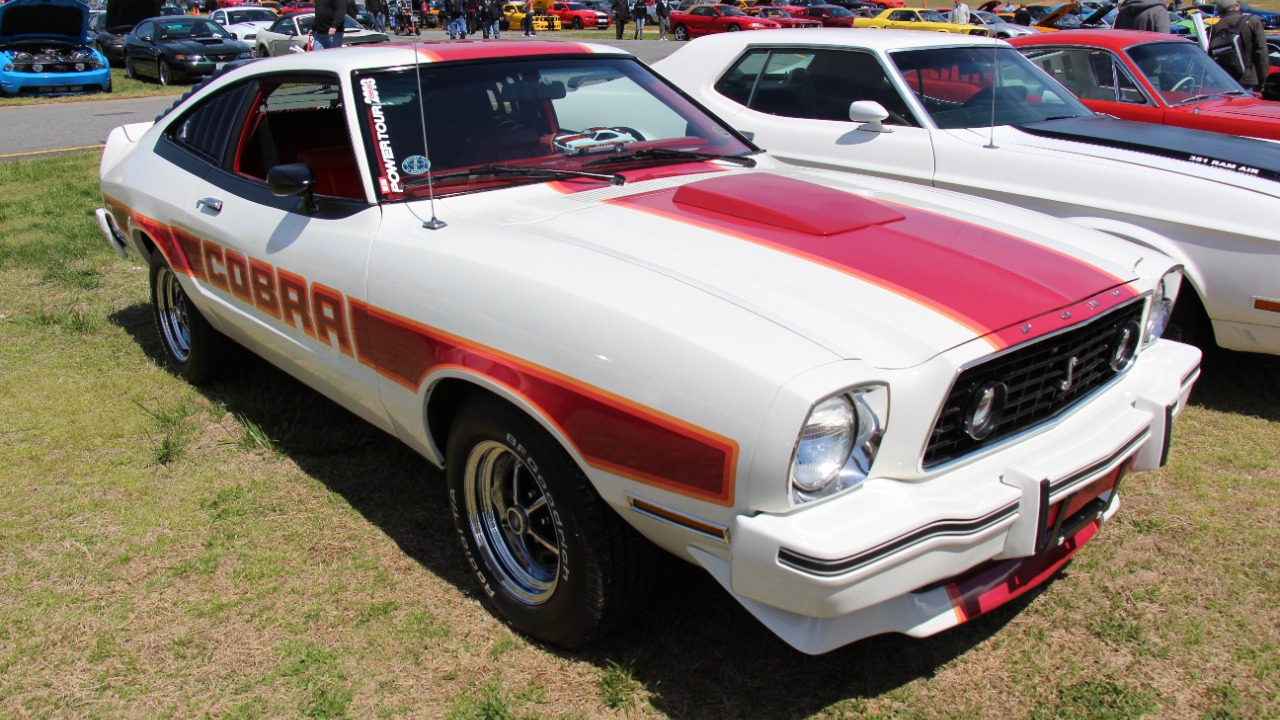
The Ford Mustang II remains one of the most debated chapters in Mustang history, yet it played a critical role in ensuring the survival of America’s most famous pony car. Smaller dimensions and improved fuel efficiency helped the Mustang adapt to changing market conditions during the 1970s. Without it, the Mustang’s uninterrupted production history might have looked very different.
More from Fast Lane Only
- Unboxing the WWII Jeep in a Crate
- 15 rare Chevys collectors are quietly buying
- 10 underrated V8s still worth hunting down
- Police notice this before you even roll window down
*Research for this article included AI assistance, with all final content reviewed by human editors.