Some street machines seem almost untouched by the decades that followed their creation. Their styling, sounds, proportions, and mechanical character still transport enthusiasts to another era. These cars capture a period when performance was often straightforward and highly visual. Even today, encountering one on the road can feel like discovering a moving piece of automotive history.
Chevrolet Nova SS
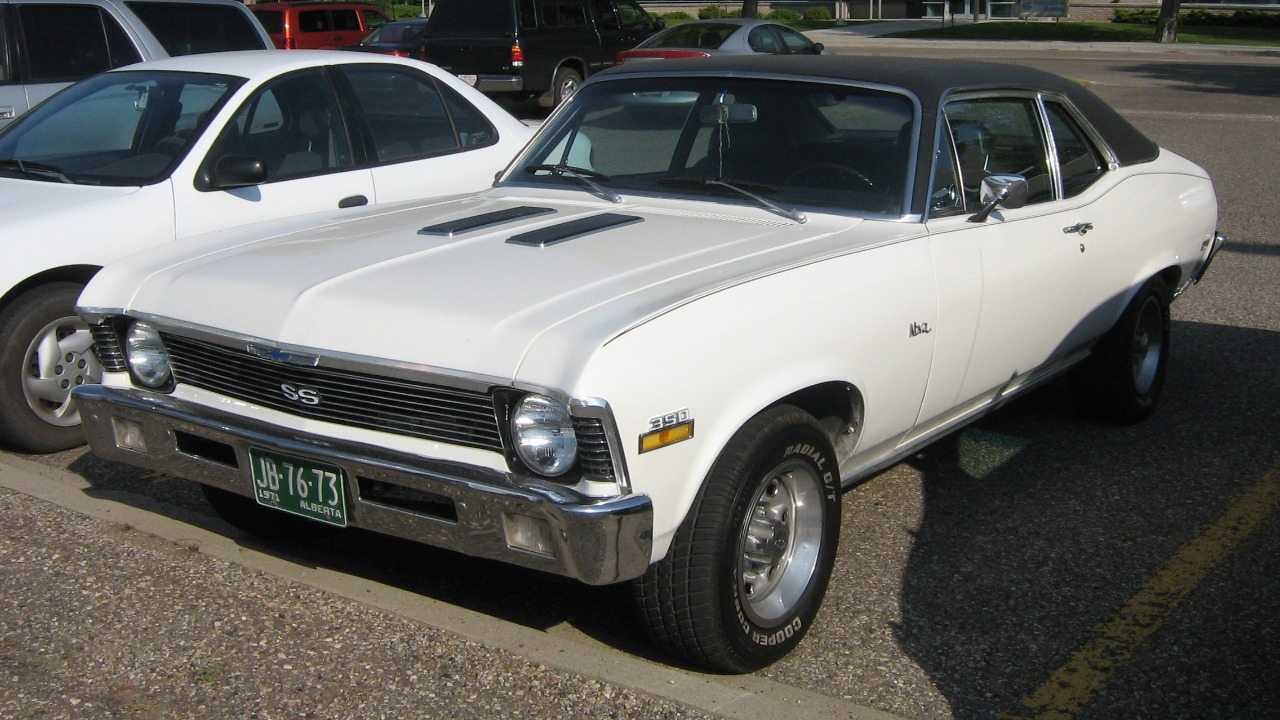
The Chevrolet Nova SS has a remarkably simple appearance that makes it feel like a genuine survivor from the classic muscle-car era. Its compact body, straightforward interior, and available V8 power created an ideal foundation for street performance. Unlike more flamboyant muscle cars, the Nova could blend into ordinary traffic. A well-preserved example still feels authentic because its basic proportions and mechanical character have changed very little in the imagination of enthusiasts.
Plymouth Road Runner
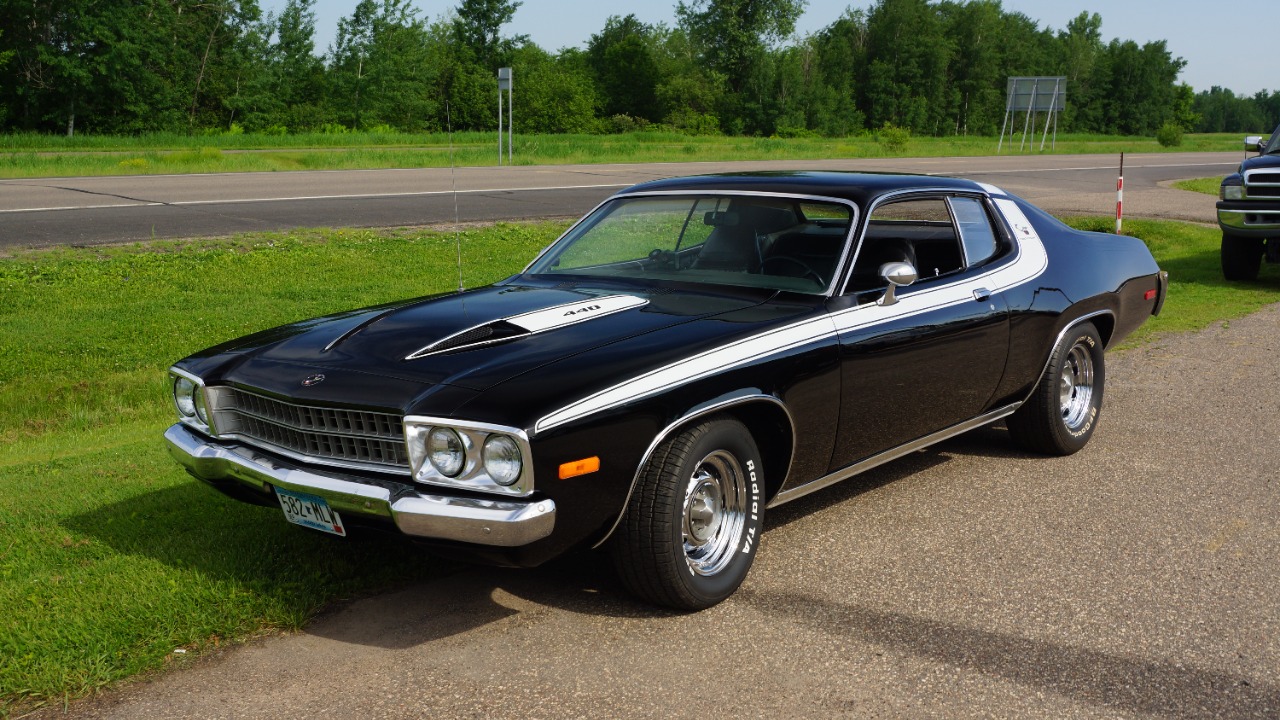
The Plymouth Road Runner captured the idea that performance did not need unnecessary luxury. Its bold graphics, simple interior, lightweight construction, and powerful engine options created a car focused primarily on speed and fun. The Road Runner’s unmistakable personality remains strongly connected to late-1960s street culture. Seeing one today can feel like stepping directly into the era when affordable muscle cars became an important part of American automotive life.
Ford Torino Cobra
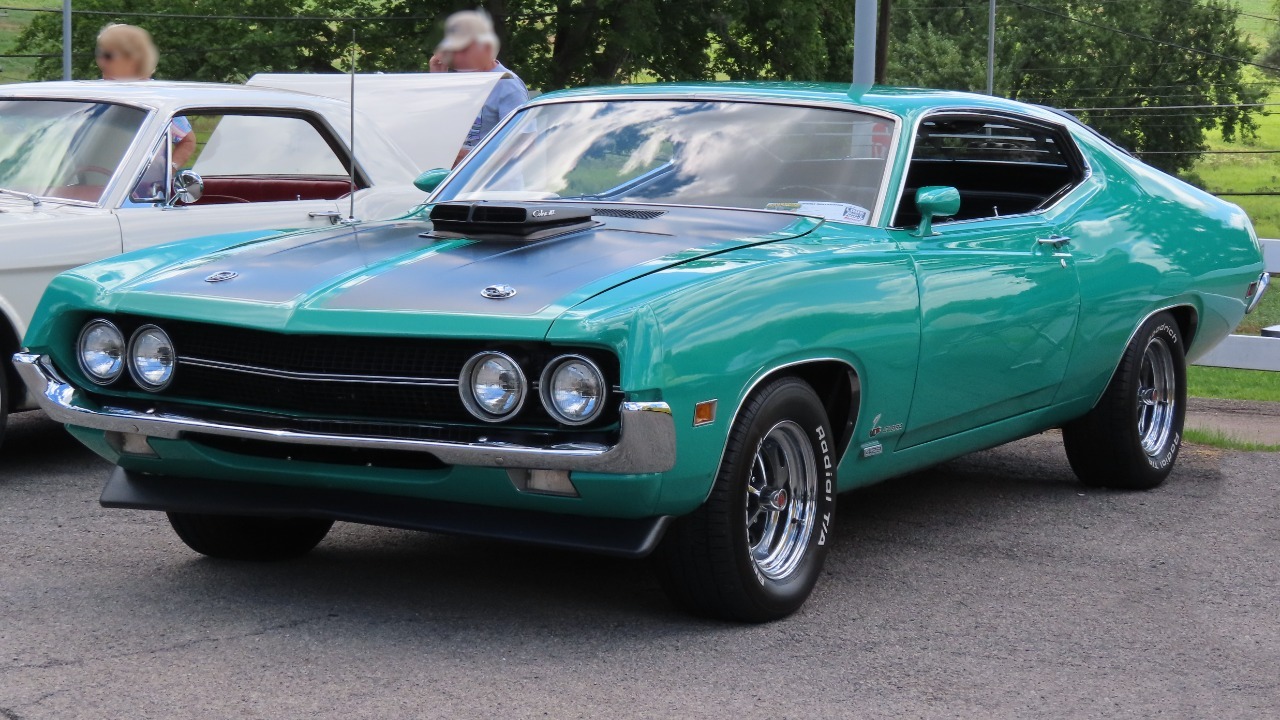
The Ford Torino Cobra delivered serious performance in a substantial package that reflected the scale of American cars during the muscle-car era. Its long body, aggressive grille, and available big-block engines gave it an imposing presence. The combination of size and power makes surviving examples feel distinctly period-correct. Unlike modern performance cars that emphasize compact efficiency, the Torino Cobra represents an era when street machines were expected to make their presence known.
AMC Javelin
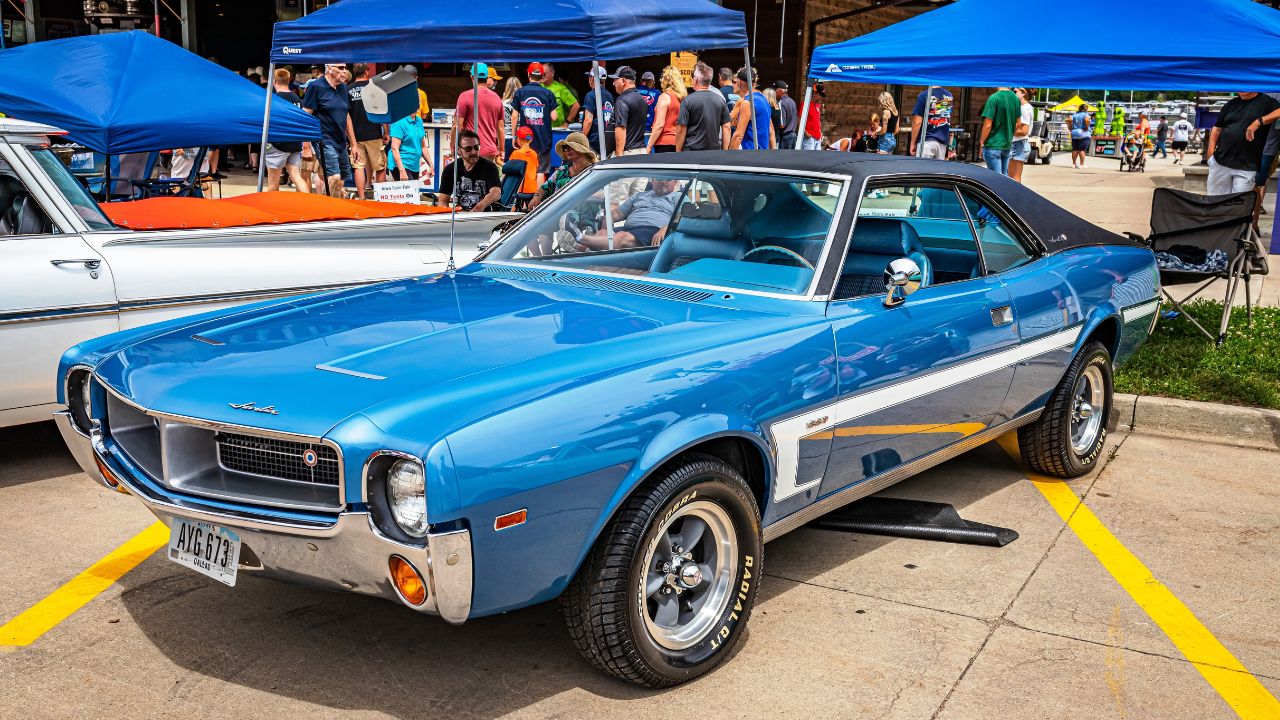
The AMC Javelin remains one of the most distinctive forgotten street machines of the classic era. Its long hood, fastback roofline, and unusual proportions separated it from Ford, Chevrolet, and Chrysler competitors. Available V8 engines gave the Javelin legitimate performance credentials, while its styling reflected AMC’s willingness to take risks. A clean example still looks surprisingly unconventional today, preserving the independent spirit that made AMC different from Detroit’s larger manufacturers.
Oldsmobile 442
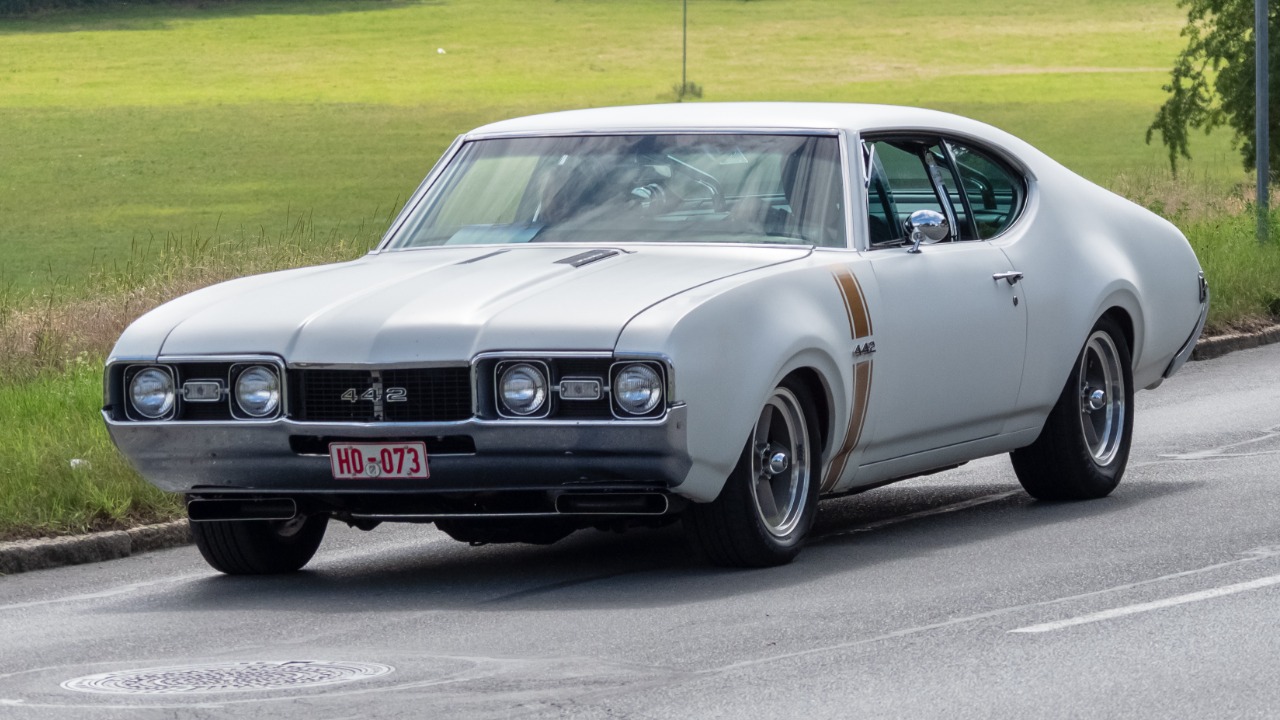
The Oldsmobile 442 combined muscle-car performance with a slightly more sophisticated personality than some of its competitors. Strong V8 engines, performance suspension, and distinctive styling gave it serious street credibility. Its upscale interior also made it comfortable enough for everyday driving. Today, an original 442 feels like a time capsule because it represents an era when a buyer could order a genuinely powerful car without giving up the comfort expected from a traditional American automobile.
Pontiac GTO
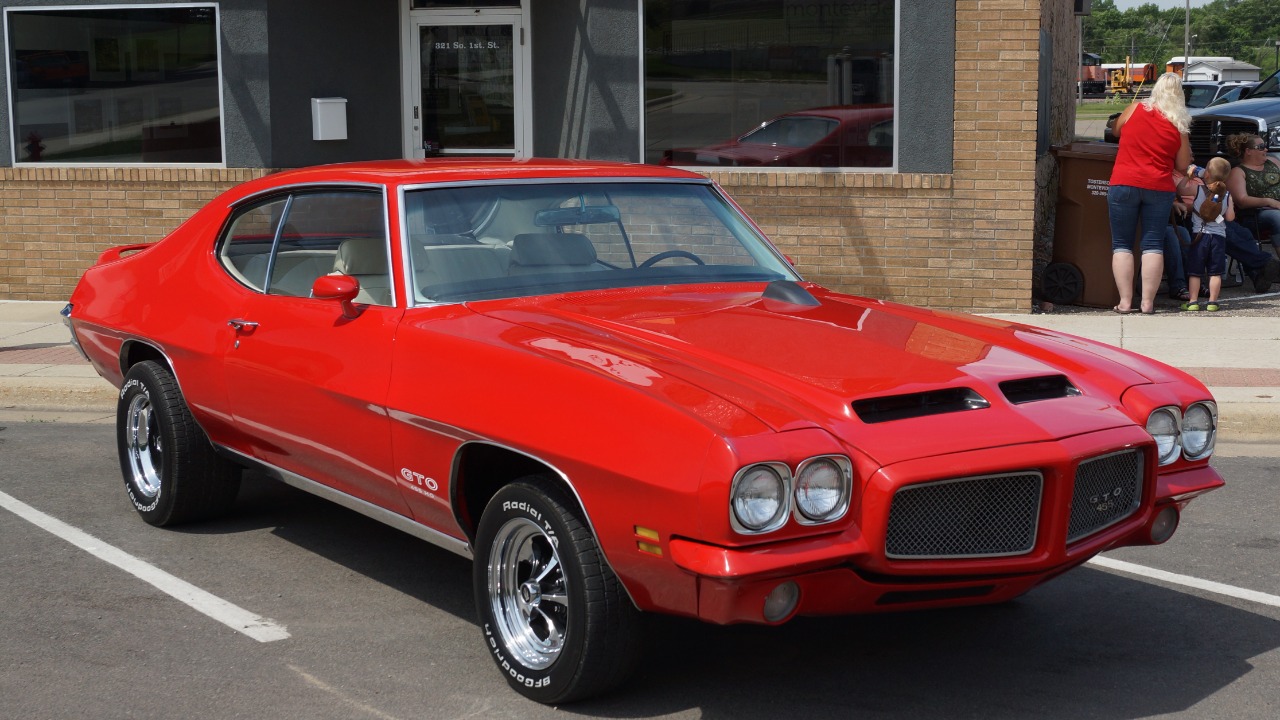
The Pontiac GTO helped establish the template for the American muscle car, combining a midsize body with a large-displacement V8 and performance-oriented equipment. Its aggressive styling and strong acceleration made it a natural street machine during the 1960s. Modern performance cars may be faster, but they rarely recreate the GTO’s mechanical simplicity. A genuine example still delivers the visual and mechanical atmosphere of the muscle-car era in an unmistakably authentic way.
Buick GSX
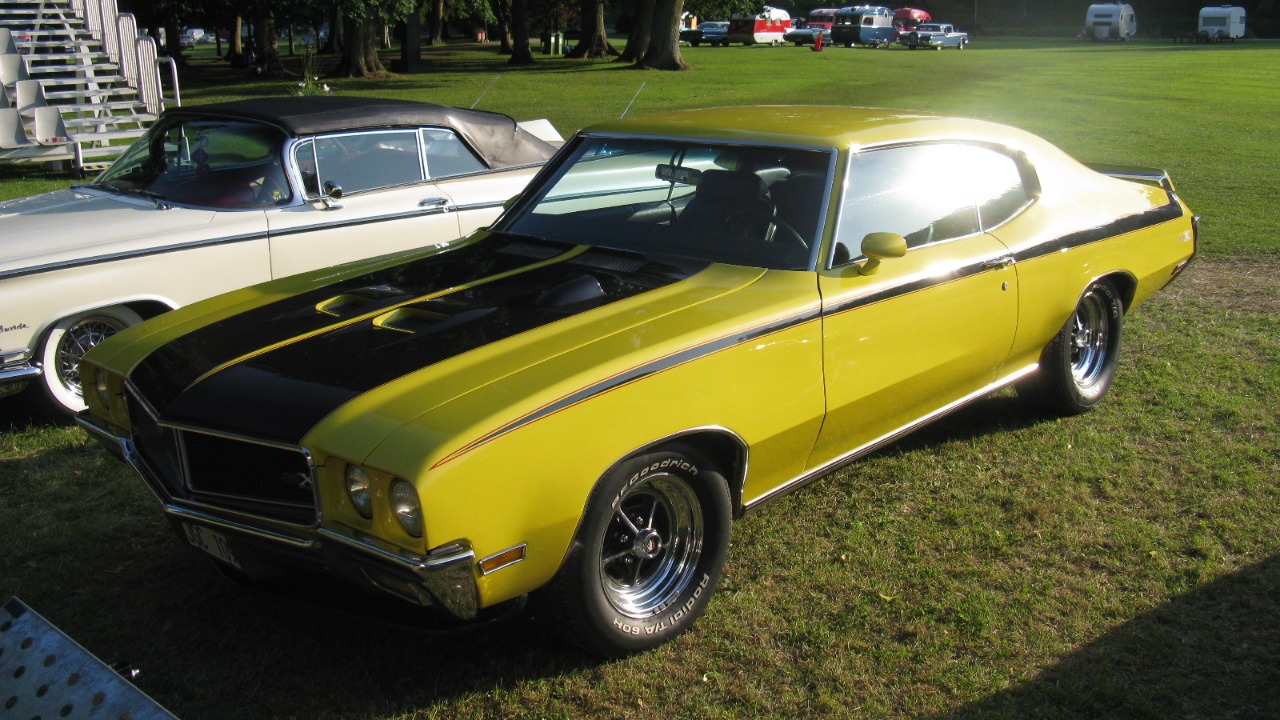
The Buick GSX gave Buick an unusually aggressive presence in the muscle-car market. Its powerful V8, distinctive graphics, performance suspension, and bold colors separated it from the brand’s traditional luxury image. The GSX was relatively uncommon even when new, making surviving examples particularly interesting today. Its combination of upscale surroundings and serious straight-line performance captures a period when manufacturers experimented with turning almost any model into a legitimate street machine.
Dodge Dart GTS
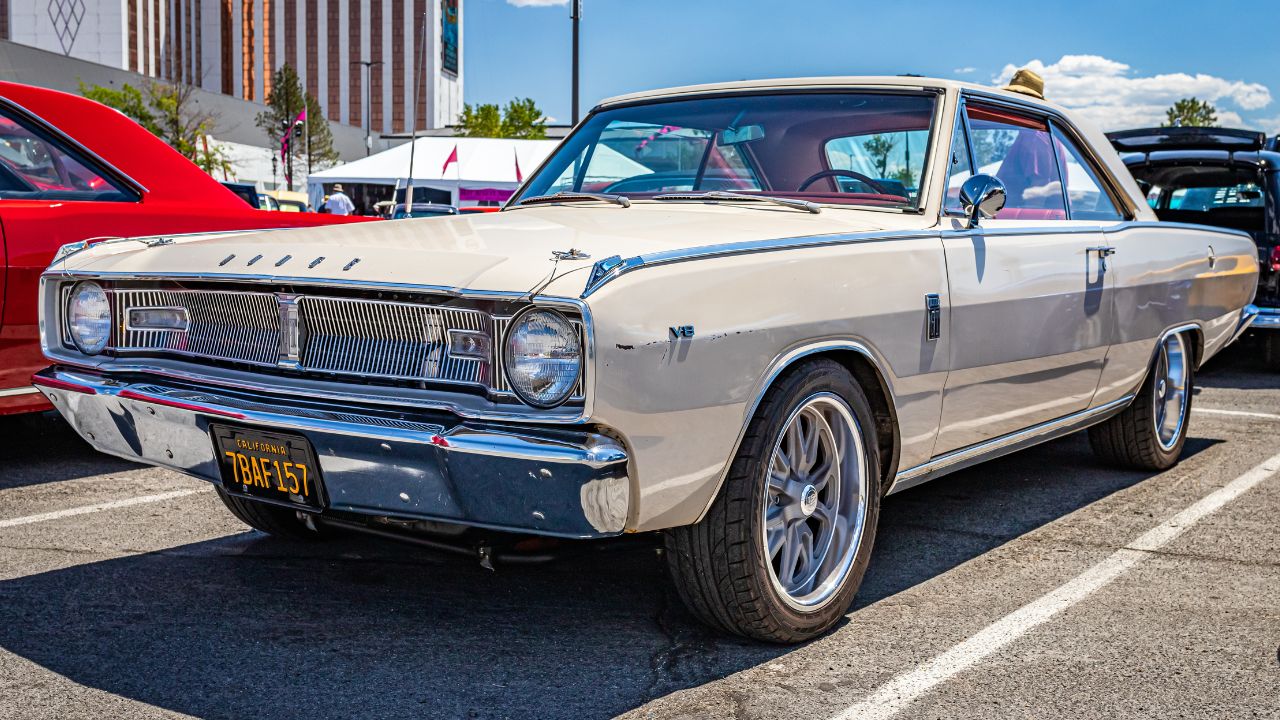
The Dodge Dart GTS proved that a compact American body could carry serious performance hardware. Its small dimensions, aggressive appearance, and available V8 engines created a potent combination for street enthusiasts. The Dart’s relatively uncomplicated design also gives surviving examples an unmistakably old-school character. Unlike modern performance cars packed with electronic systems, the GTS represents a time when a lightweight body, large engine, and rear-wheel drive could provide most of the necessary ingredients.
Mercury Cyclone Spoiler
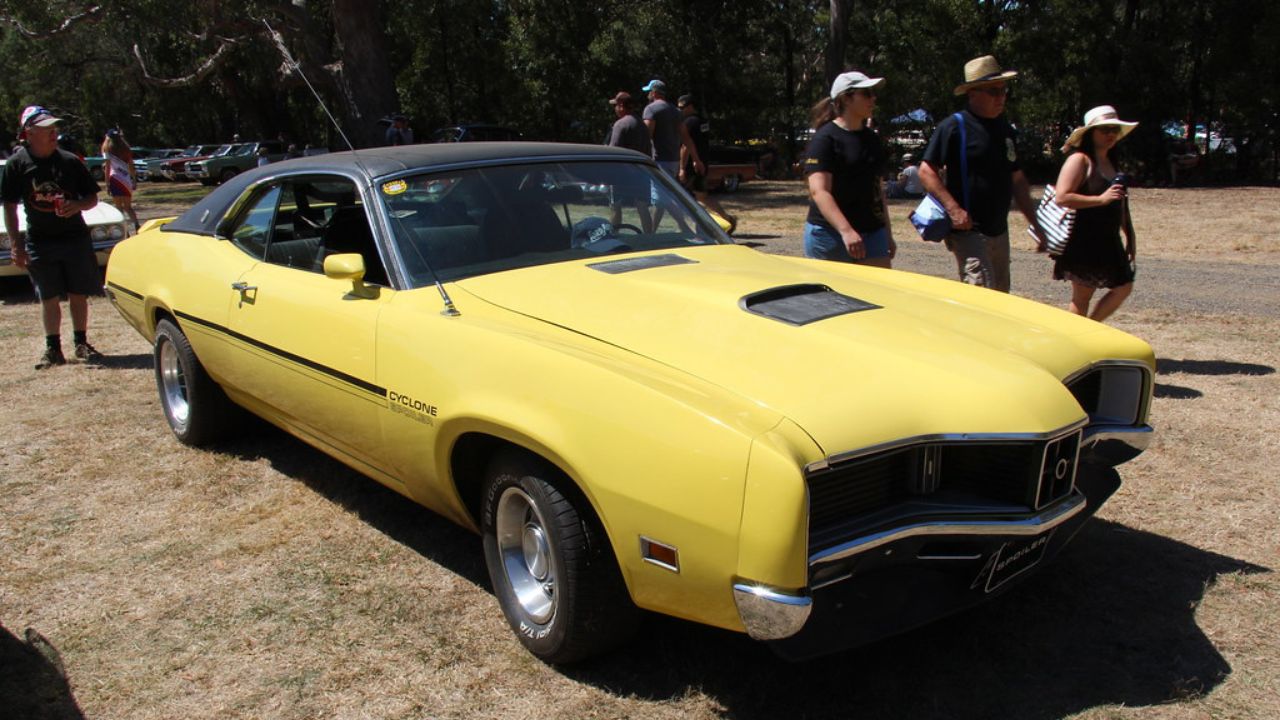
The Mercury Cyclone Spoiler combined fastback styling with the muscular proportions that defined late-1960s and early-1970s American performance cars. Available V8 engines gave it plenty of straight-line ability, while its less common Mercury identity helped it avoid becoming as familiar as Ford’s better-known models. Today, a clean Cyclone Spoiler feels like a genuine automotive time capsule. Its proportions, details, and road presence preserve a fascinating piece of America’s street-machine culture.
More from Fast Lane Only
- Unboxing the WWII Jeep in a Crate
- 15 rare Chevys collectors are quietly buying
- 10 underrated V8s still worth hunting down
- Police notice this before you even roll window down
*Research for this article included AI assistance, with all final content reviewed by human editors