Many vehicles achieve popularity by following the latest market trends, but a select few earn legendary status by staying true to their original purpose. Rather than constantly reinventing themselves to match changing tastes, these vehicles focused on durability, capability, character, or engineering excellence. Over time, their consistency became one of their greatest strengths. These are the vehicles that built lasting reputations without relying on fashionable features or short-lived industry trends.
Toyota Land Cruiser
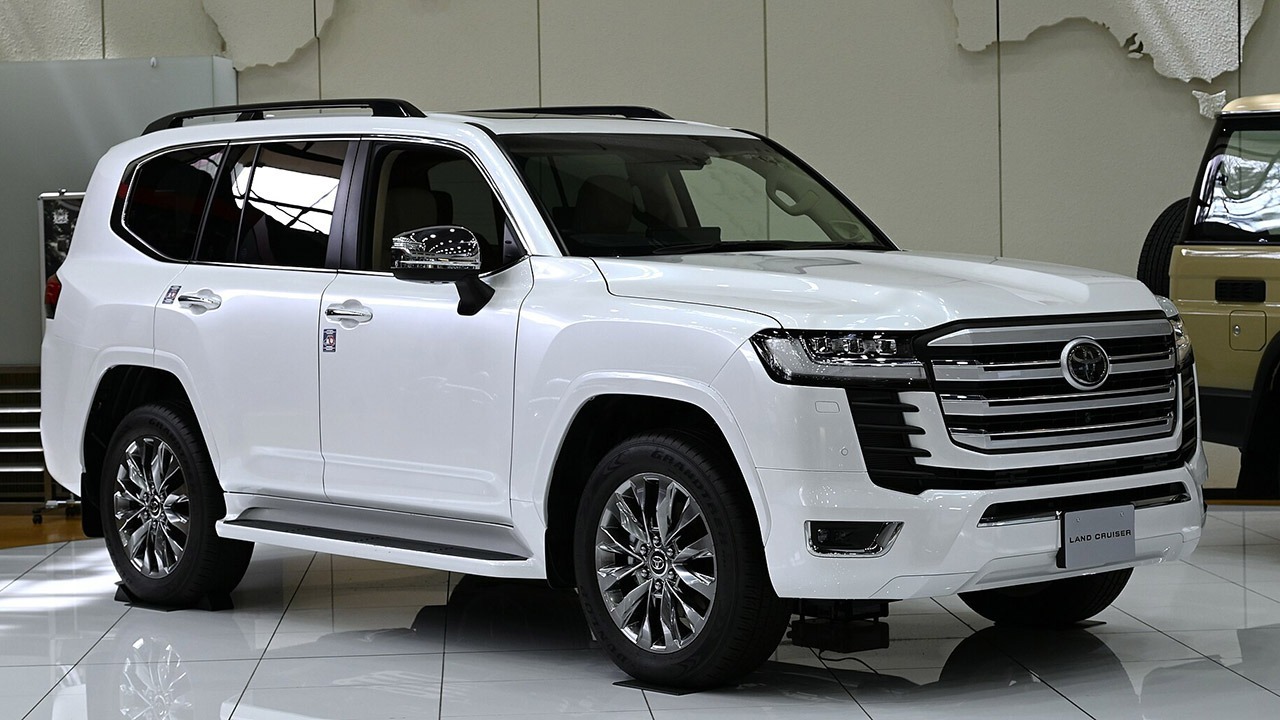
The Toyota Land Cruiser became a global legend by prioritizing durability and capability above all else. While many competitors chased luxury trends or flashy styling, the Land Cruiser focused on surviving harsh environments and delivering dependable performance. Owners around the world came to trust it in situations where reliability mattered most. Decade after decade, Toyota refined the formula without abandoning its core mission. That commitment to toughness helped the Land Cruiser earn respect that extends far beyond the automotive world.
Jeep Wrangler
SAUD AL-OLAYAN – All rights reserved / flickr
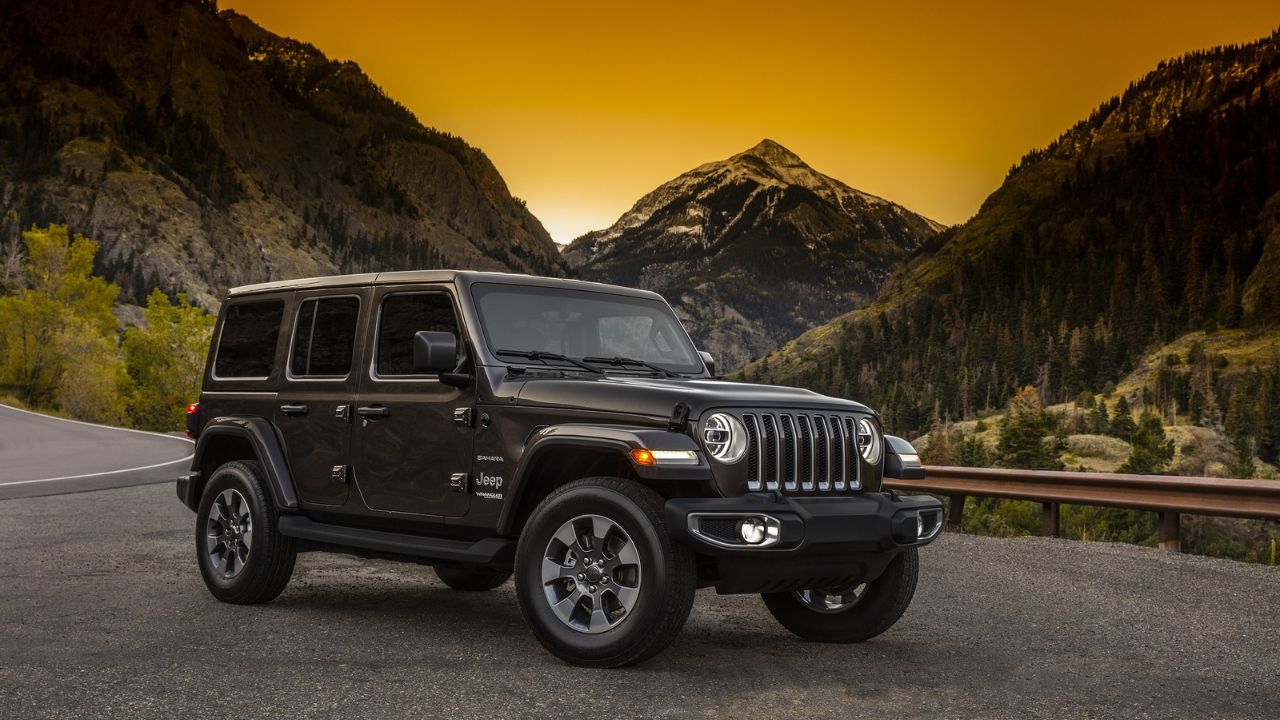
The Jeep Wrangler remained true to its roots while countless other vehicles evolved into something completely different. Even as comfort and technology increased, the Wrangler retained its removable doors, removable roof, and exceptional off-road capability. Owners appreciated that it continued offering an experience few vehicles could match. Rather than chasing mainstream crossover trends, it embraced its unique identity. That consistency helped transform the Wrangler from a niche off-roader into one of the most recognizable vehicles ever built.
Porsche 911
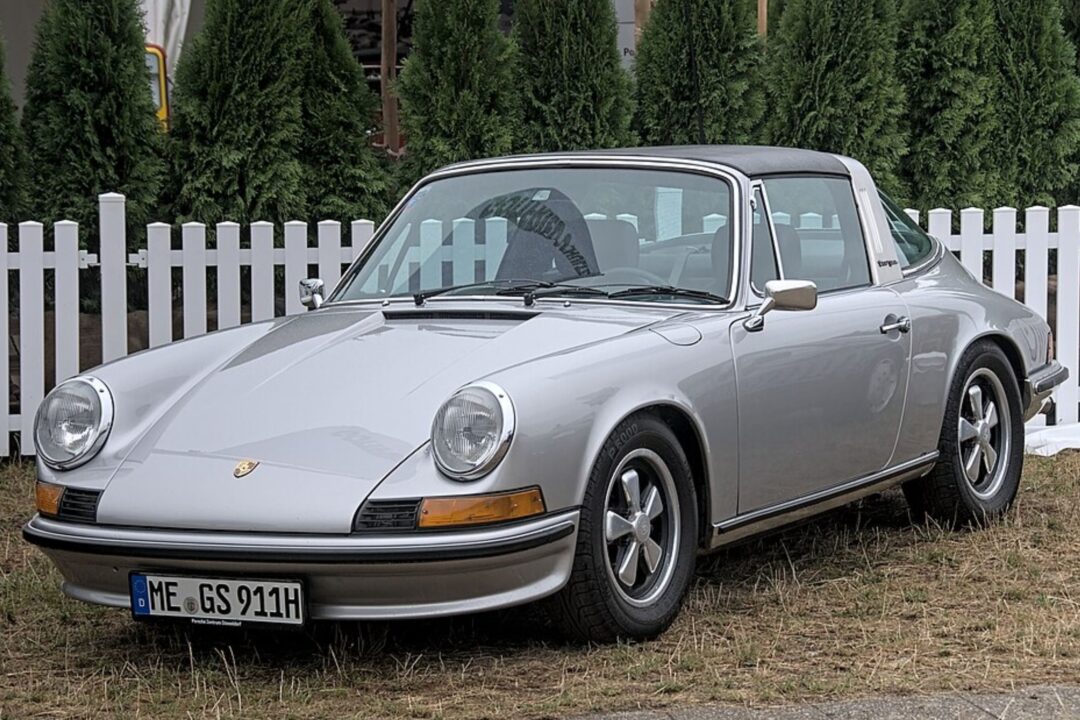
The Porsche 911 became an icon by refining a successful formula instead of replacing it. While sports-car trends came and went, Porsche continued improving the 911’s distinctive design and driving characteristics. Enthusiasts appreciated that each generation remained connected to the original concept. Rather than abandoning its heritage in pursuit of fashion, the 911 evolved carefully and deliberately. That approach allowed it to remain relevant for decades while building one of the strongest reputations in automotive history.
Ford Crown Victoria
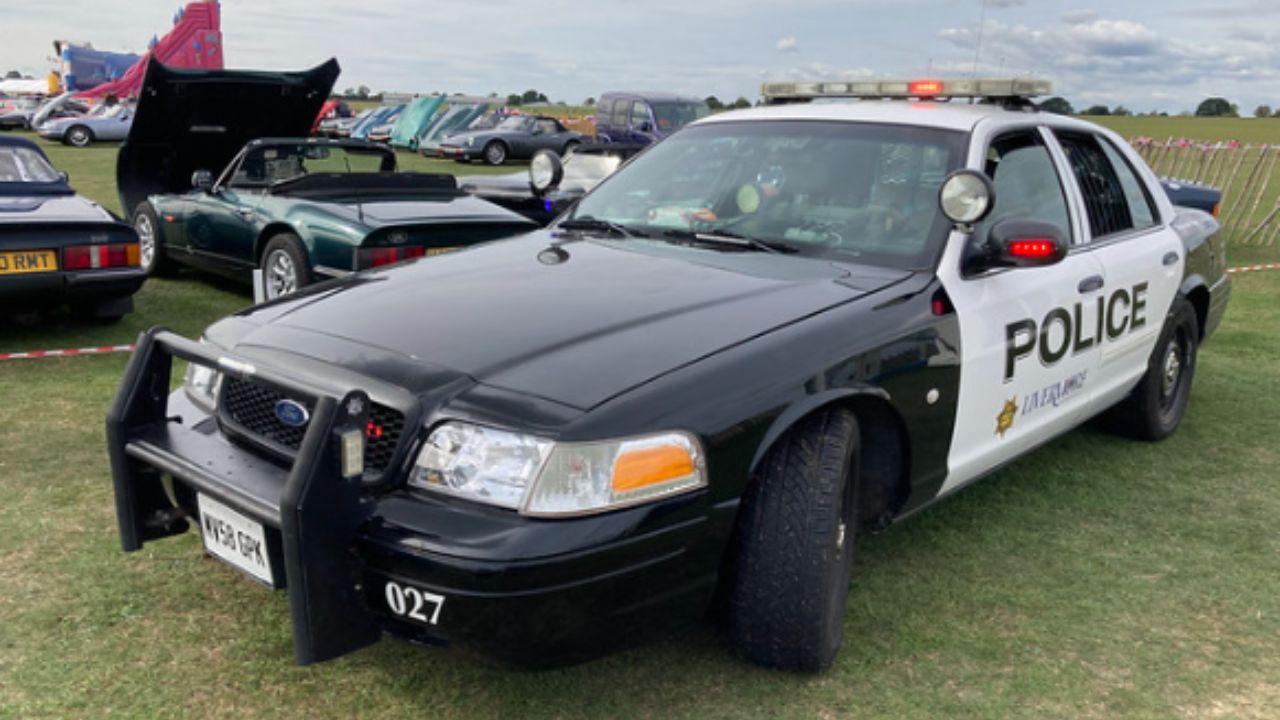
The Ford Crown Victoria earned legendary status through durability and simplicity rather than innovation for its own sake. Long after many competitors adopted front-wheel drive and increasingly complex technology, the Crown Victoria continued relying on proven engineering. Police departments, taxi fleets, and private owners valued its toughness and ease of maintenance. Its refusal to follow every industry trend helped establish a reputation for reliability that remains respected years after production ended.
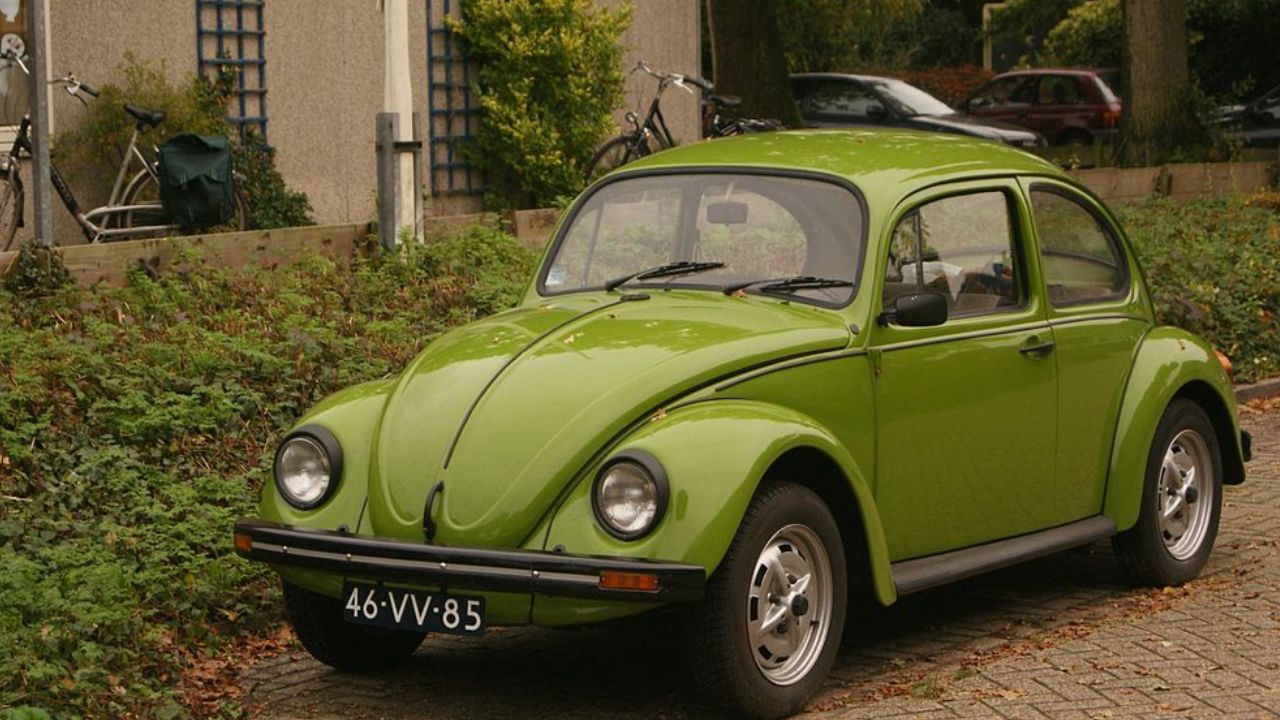
Volkswagen Beetle
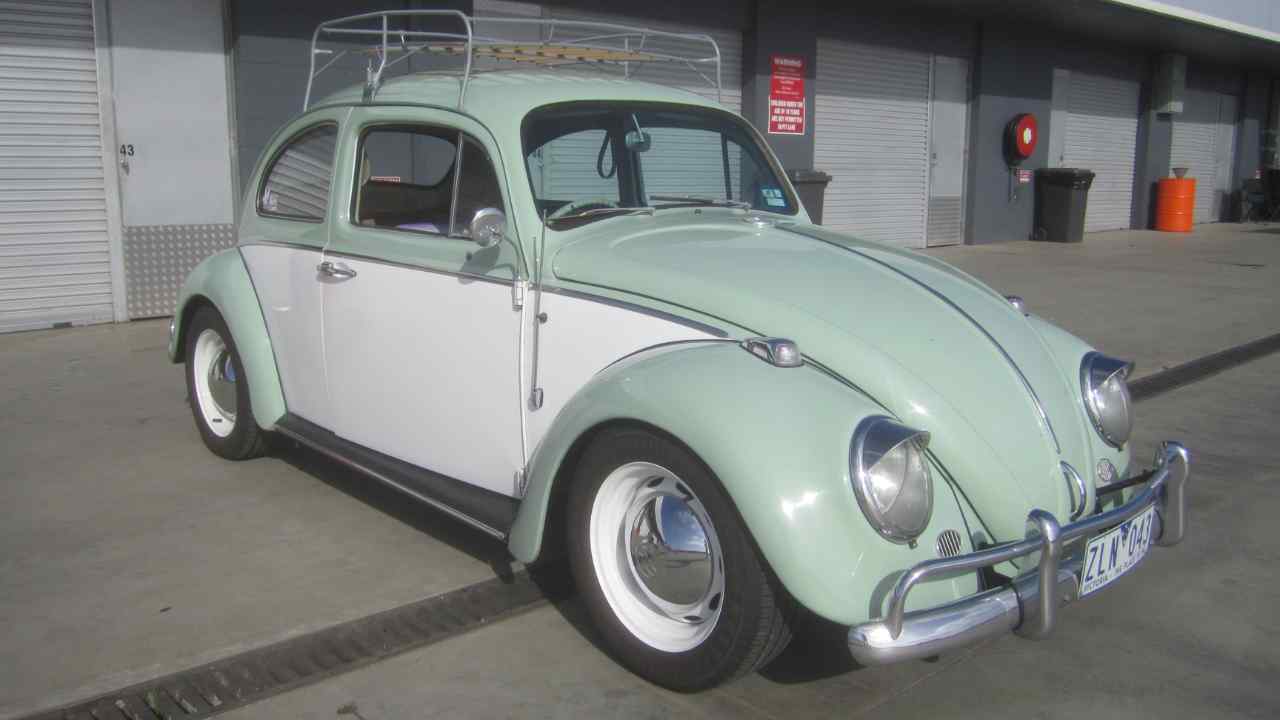
The Volkswagen Beetle became one of the most recognizable vehicles ever produced by remaining remarkably consistent throughout its long lifespan. While automotive styling changed dramatically over the decades, the Beetle retained its distinctive shape and simple mechanical layout. Owners appreciated its personality, affordability, and ease of ownership. Rather than constantly adapting to trends, it stayed true to its original character. That authenticity helped transform the Beetle into a cultural icon known around the world.
Toyota Pickup (1984–1988)
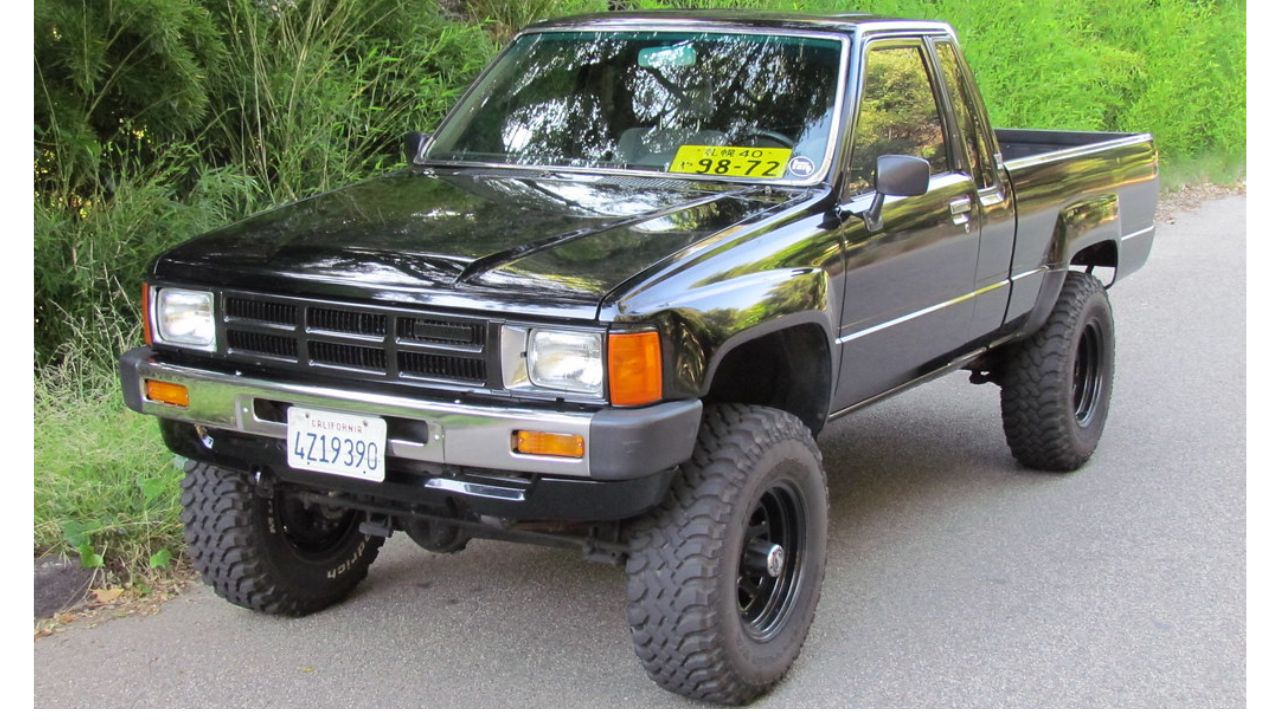
laut914 – All rights reserved / flickr
The classic Toyota Pickup earned its reputation by focusing on reliability and utility rather than luxury or excessive power. It performed difficult tasks with minimal drama and gained the trust of owners in countless environments. While truck manufacturers increasingly competed through size and features, the Toyota remained straightforward and dependable. Its reputation grew through real-world performance rather than marketing claims. Decades later, it continues to be admired because it fulfilled its purpose exceptionally well.
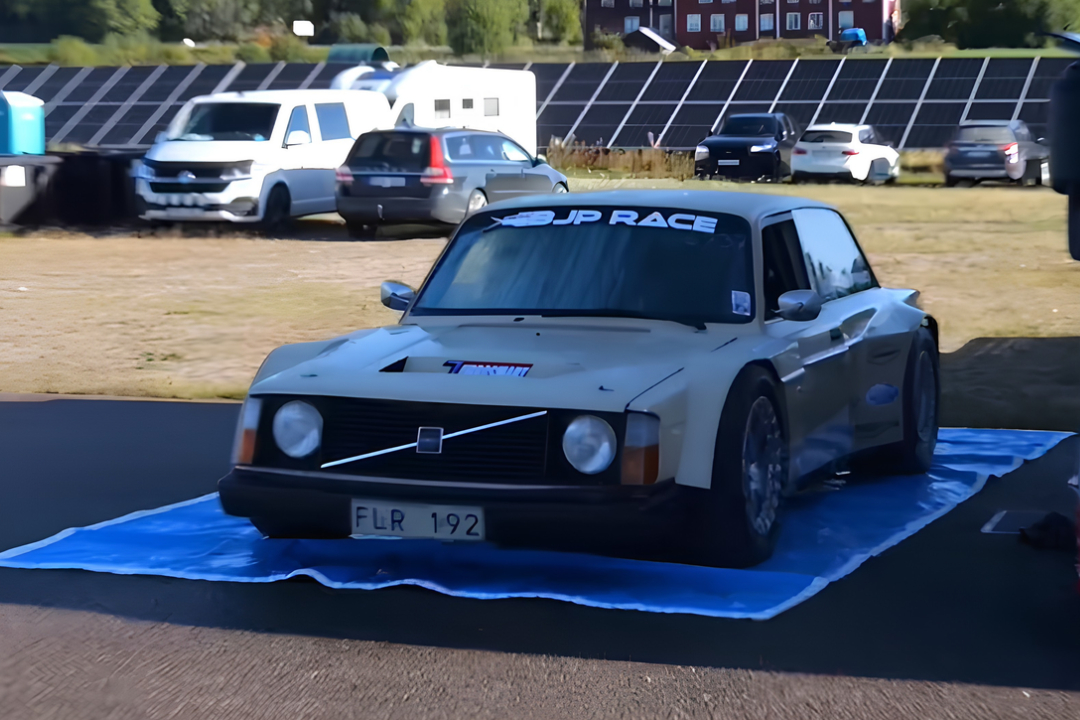
Volvo 240
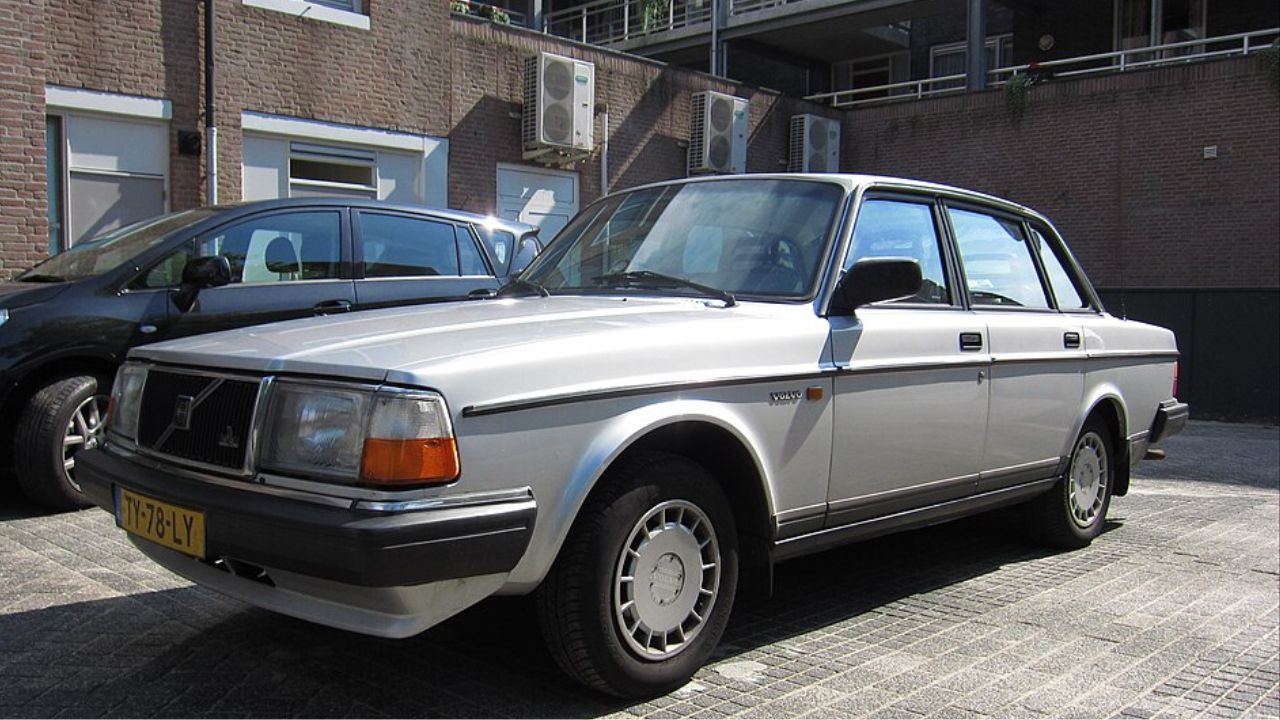
The Volvo 240 ignored many automotive trends and instead concentrated on safety, durability, and practicality. Its boxy shape and straightforward engineering remained largely unchanged while competitors pursued more fashionable designs. Owners appreciated its longevity and predictable reliability. Over time, the 240 became respected not because it followed trends, but because it consistently delivered what buyers needed. Its enduring reputation proves that substance can sometimes outlast style in the automotive marketplace.
Mercedes-Benz G-Class
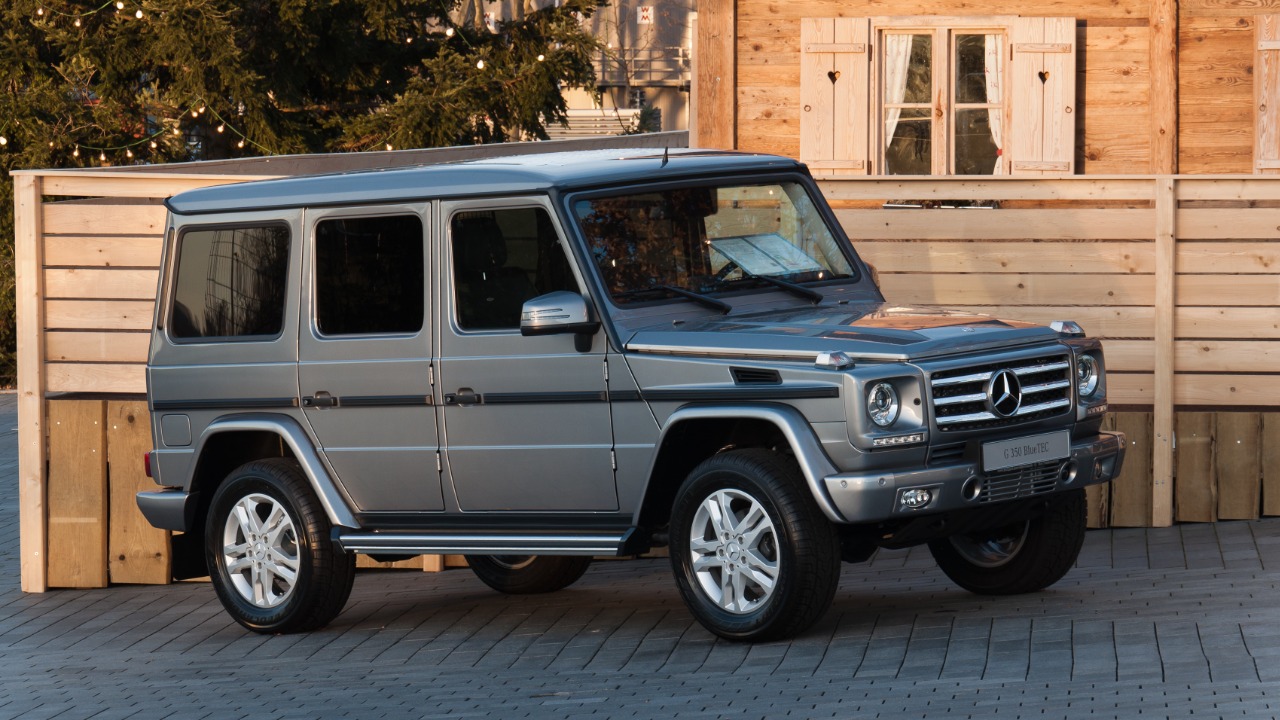
The Mercedes-Benz G-Class has remained visually recognizable for decades despite enormous changes in the luxury SUV segment. While many competitors reinvented themselves repeatedly, the G-Class retained its rugged design and distinctive presence. Originally developed as a utility vehicle, it gradually gained luxury features without losing its core identity. Owners appreciated that continuity and authenticity. Its refusal to abandon its roots helped it become one of the most respected and recognizable SUVs in the world.
Mazda MX-5 Miata
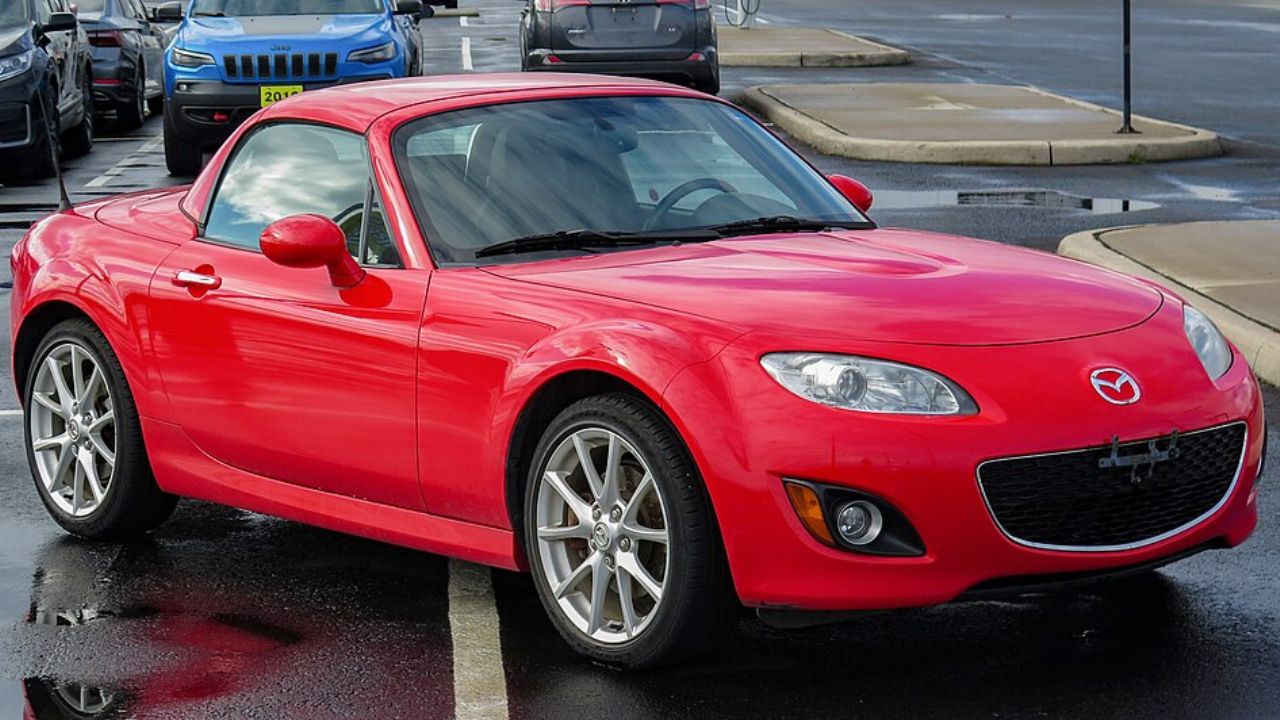
The Mazda MX-5 Miata became a legend by staying committed to lightweight simplicity and driving enjoyment. While many sports cars pursued ever-increasing horsepower and complexity, the Miata focused on balance, responsiveness, and affordability. Owners discovered that fun behind the wheel did not require extreme performance figures. Generation after generation, Mazda refined the concept while preserving its essence. That dedication to a clear purpose helped the Miata become one of the most beloved sports cars ever produced.
More from Fast Lane Only
- Unboxing the WWII Jeep in a Crate
- 15 rare Chevys collectors are quietly buying
- 10 underrated V8s still worth hunting down
- Police notice this before you even roll window down
*Research for this article included AI assistance, with all final content reviewed by human editors