The Nashville Fairgrounds Speedway has survived world wars, economic downturns, and shifting tastes in motorsport, but its fate now rests with local voters rather than race promoters. A push for a referendum on the track’s future has turned a regional racing landmark into a test case for how cities balance heritage, noise, and redevelopment pressure. As the campaign intensifies, the outcome will determine whether stock cars keep roaring in the heart of Nashville or yield to a very different vision for the fairgrounds.
At stake is far more than a weekend entertainment option. The speedway is one of the oldest venues to host NASCAR events, a place where generations of drivers have tested their limits and where the city’s identity as a racing town was forged. The current fight is about zoning and contracts, but underneath it runs a deeper question about what kind of city Nashville wants to be in the next decade.
A century-old racetrack at a crossroads
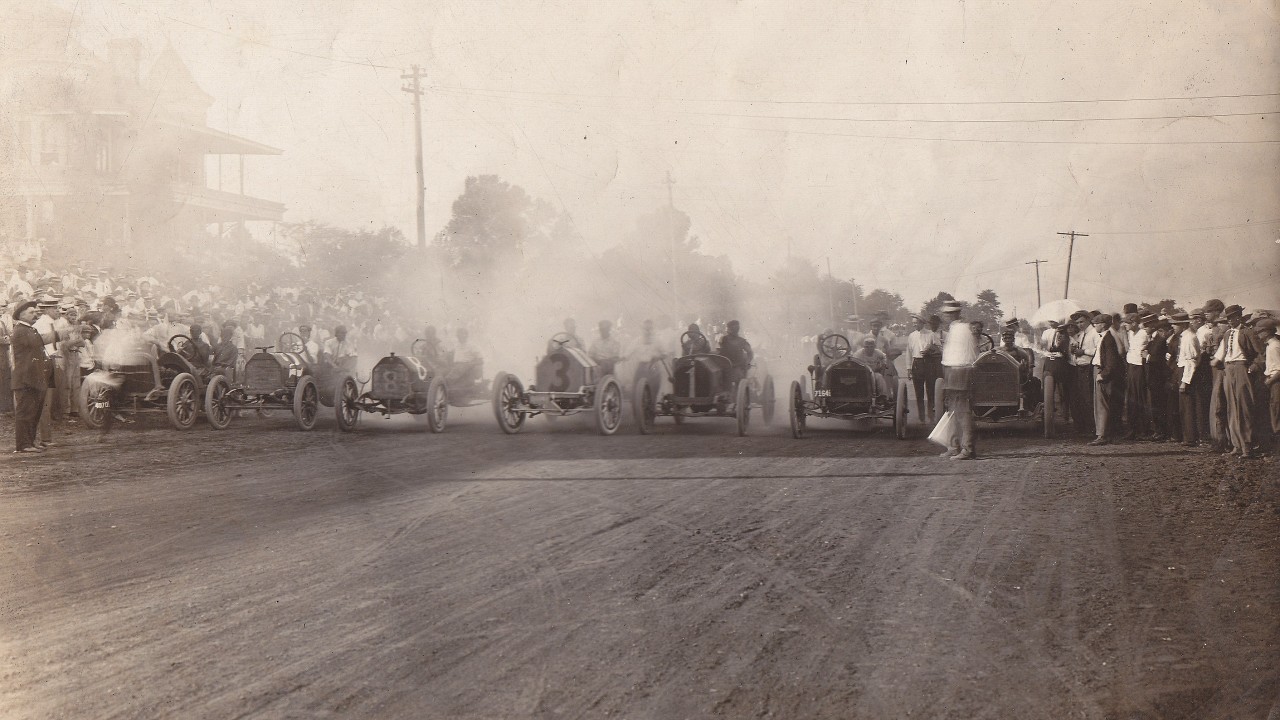
The Nashville Fairgrounds Speedway is not just another short track, it is a rare survivor from the early days of organized American stock car racing. The oval has hosted top-level NASCAR competition and regional series for decades, giving it a status that few local facilities can match. Reporting on the current dispute notes that the speedway’s days of testing drivers’ limits could soon come to an end, underscoring how fragile even storied venues can become when urban growth and neighborhood politics collide, as described in coverage of the historic track.
For longtime fans, the track’s history is inseparable from NASCAR’s own evolution. The Fairgrounds has seen everything from early Grand National races to modern late model events, and it has been a proving ground for drivers chasing national recognition. That continuity is part of why the current debate feels so high stakes. The question is not only whether racing continues, but whether a city that has marketed itself as a destination for big events is willing to let a foundational piece of its sports culture fade, a tension that is central to the current uncertainty.
How a local referendum put the speedway’s future in doubt
The immediate threat to the Fairgrounds is not a lack of interest from racers or promoters, but a political effort to put its future directly in the hands of voters. Earlier in December, a group identified in reporting as ROF filed the necessary paperwork to start a charter process that would trigger a referendum on the track’s operations. That move shifted the debate from city hall negotiations to a broader public fight, with the potential to lock in new restrictions or even force a phaseout of racing depending on how the ballot language is crafted, according to accounts of how locals push for a referendum.
What makes this step so consequential is that it could override or constrain existing agreements between the city and racing interests. Instead of incremental adjustments to schedules or noise rules, a charter change would embed new limits in the city’s governing framework, making them far harder to reverse. The reporting describes how the paperwork filed by ROF is aimed at starting that process, which would ultimately ask voters to decide how the Fairgrounds can be used and under what conditions, a path that leaves the speedway’s long term status deeply uncertain as the future of racing there is debated.
Neighborhood pressure, noise complaints, and competing visions
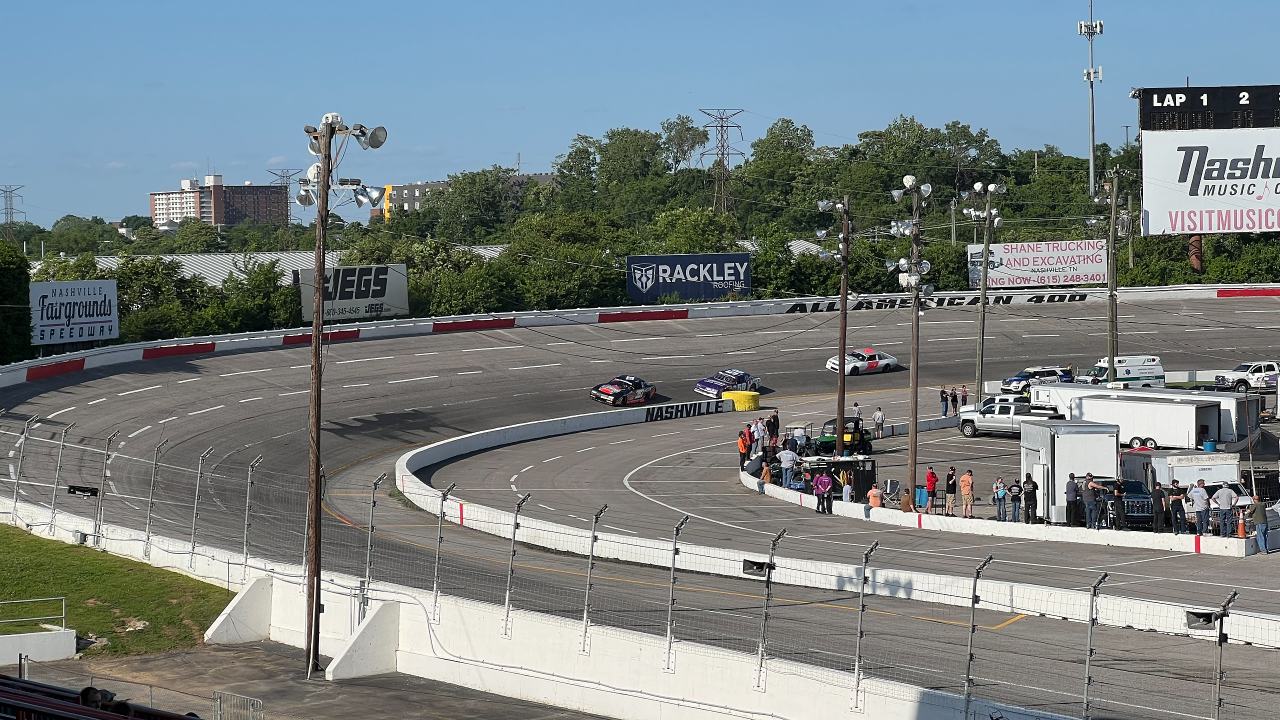
The push for a referendum did not emerge in a vacuum. Residents around the Fairgrounds have raised concerns about noise, traffic, and the broader impact of race weekends on daily life, and those frustrations have gradually hardened into organized opposition. The reporting on the referendum effort frames it as a response from locals who want a stronger say in how often the track can operate and how the fairgrounds property is used, suggesting that the charter proposal is as much about asserting neighborhood control as it is about racing itself, a dynamic that is evident in coverage of local pressure.
At the same time, there are competing ideas for what the fairgrounds site could become if racing is scaled back. Some advocates see an opportunity for expanded green space, mixed use development, or other civic facilities that would generate different kinds of economic activity. Others argue that the speedway itself is an economic engine, drawing visitors who spend money across the city and reinforcing Nashville’s brand as a destination for major events. The tension between those visions, one prioritizing quieter residential life and another leaning into tourism and sports, is at the heart of why the speedway’s fate has become a flashpoint, as reflected in the way the uncertain future is being framed.
NASCAR heritage, modern ambitions, and what is at stake
For NASCAR and the broader motorsports community, losing regular racing at the Fairgrounds would mean more than scratching a date off the calendar. The track is part of a small group of historic venues that connect the modern sport to its regional roots, and its layout has long been praised for producing tight, competitive racing. Coverage of the current situation emphasizes that the speedway’s days of challenging drivers could be numbered, a reminder that heritage alone does not guarantee survival when land values rise and political winds shift, as noted in reports on the historic NASCAR track.
There is also a strategic dimension for the series and its partners. Nashville has become a key market, with downtown events and awards ceremonies showcasing the city’s appeal to sponsors and fans. A functioning, modernized Fairgrounds could complement that push, offering a short track experience close to the urban core. If the referendum leads to tighter restrictions or a shutdown, NASCAR would lose a potential showcase that blends history with the city’s current momentum. That is why the debate over the charter proposal is being watched closely by those who see the Fairgrounds as a bridge between the sport’s past and its future, a theme running through accounts of how NASCAR’s plans intersect with local politics.
What the vote could mean for Nashville’s identity
However the referendum is ultimately structured, the decision will say a great deal about how Nashville balances growth with tradition. A vote that sharply curtails racing would signal that the city is willing to let go of a noisy, gritty piece of its past in favor of a different kind of urban future. A result that protects or even strengthens the speedway’s position would affirm that there is still room for legacy venues in a rapidly changing metropolis. Reporting on the charter effort makes clear that the stakes extend beyond one facility, framing the Fairgrounds as a symbol of the broader struggle over what kind of development and culture the city chooses to prioritize, as seen in the way the uncertain future is being discussed.
As I look at the arguments on both sides, I see a community wrestling with legitimate concerns and real opportunities. Neighbors want peace and predictability, while fans and promoters see a chance to keep a living piece of racing history active for a new generation. The referendum will not resolve every tension, but it will set the framework for what comes next, either by locking in new limits or by giving the speedway a clearer mandate to continue. Until voters make that choice, the Nashville Fairgrounds Speedway will remain what it has become in recent months, a historic track whose future hangs on a local decision that carries national implications for motorsport, a reality underscored in detailed accounts of how local votes are shaping the track’s destiny.
More from Fast Lane Only: