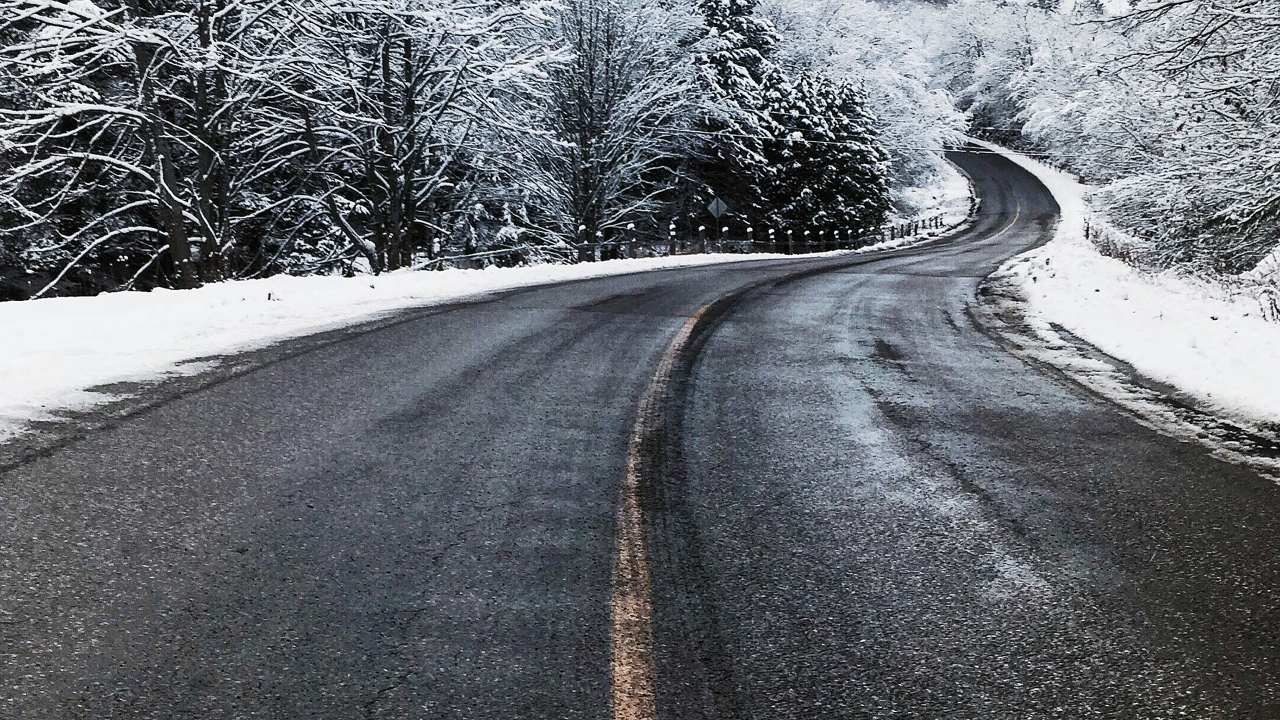
Winter crashes on ice and snow rarely come out of nowhere. They are usually the result of familiar mistakes, from driving too fast for the conditions to heading out in a poorly prepared vehicle. I want to walk through the errors I see repeated every winter and show how they turn slippery roads into serious collisions, then point to the habits that actually keep people out of the ditch.
Driving too fast and following too closely
The most common winter mistake is treating a snowy highway like a dry one. Drivers keep their usual speed, or only tap the brakes a little earlier, even though ice and packed snow can cut tire grip dramatically. Federal road weather research on Snow and Ice notes that frozen pavement reduces friction and vehicle maneuverability, which means the same speed that felt safe yesterday can be reckless today. Injury lawyers who track crash patterns list Weather, Related Hazards Leading to Accidents, especially Ice and Black Ice, as a primary trigger when drivers fail to slow down. Legal and safety guides alike single out Driving Too Fast as the first and biggest winter error, and even everyday motorists in forums warn that not adjusting speed to conditions is a quick way to cause a massive wreck.
Speed is only half the equation. Tailgating that might be survivable on dry pavement becomes a direct path to a pileup when the road is slick. Winter safety campaigns stress that drivers should Slow down and Maintain a much longer following distance, because posted Speed limits are set for normal conditions, not for snow and ice. One winter driving alert urges motorists to keep an “assured clear distance,” warning that Many winter crashes are avoidable if people simply slow down and stop following too closely. When I look at crash reports and legal analyses of Causes of Car Accidents in the Winter Months, “Driving at Unsafe Speeds in Winter Weather” and failing to leave room to brake show up again and again.
Underestimating visibility and road-surface hazards
Another winter trap is assuming you can see and feel every danger ahead. In reality, some of the worst hazards are invisible until it is too late. Injury firms that catalog the Most Common Causes of Accidents in Winter point to reduced visibility from snow, sleet and fog, which can quickly erase lane markings and hide stopped traffic. At the same time, Ice and Black Ice can form on bridges, shaded curves and overpasses even when the rest of the road looks wet but clear. Federal guidance on Snow and Ice notes that these conditions reduce pavement friction and force drivers to slow down whether they want to or not, which is why so many spinouts start with a patch of ice that nobody saw coming.
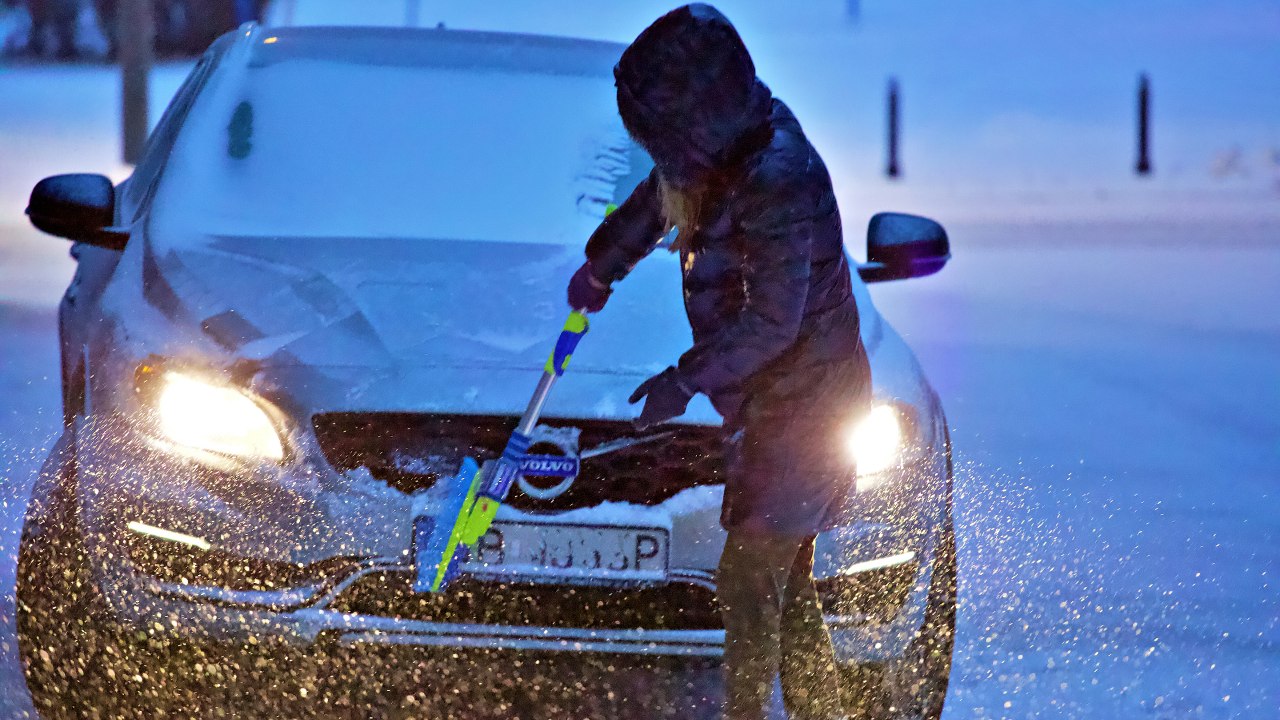
Drivers also sabotage their own visibility by failing to clear their vehicles properly. Body shops that see the aftermath of winter crashes list “Possible Window Obstructions” as a key factor, warning that Drivers who leave snow or frost on windows, mirrors and lights are more likely to miss hazards while driving in the cold. Winter prep checklists urge motorists to remove all snow from the roof and hood so it does not blow across the windshield or onto following cars, and to keep wipers and washer nozzles free of ice. A winter safety guide that walks through the Tips for Safer Winter Driving stresses that drivers should Slow and Reduce speed before curves to avoid hidden icy patches, a reminder that you cannot rely on your eyes alone to judge grip.
Skipping basic vehicle prep and maintenance
Even the best driver is at the mercy of a poorly prepared car. Cold weather punishes weak components, and when those parts fail on ice, the result is often a crash. A technical analysis of Accidents tied to vehicle failures found that brakes, tires and steering are the key systems that tend to give out, especially when rain, snow and fog affect driving safety. Winter prep guides echo that warning, urging drivers to inspect tire tread and pressure, test brakes and make sure steering feels precise before the first storm. One winter truck safety resource lists “Lack of Lack of preparation” as the top hazard, noting that skipping these checks leaves drivers vulnerable when conditions deteriorate.
Fluids and electrical systems are just as critical. Cold temperatures sap battery power, and a winter prep checklist titled Check Your Battery and Fluids explains that Cold weather drains battery power fast, especially once a battery is more than three years old. Safety guidance on Fluid levels warns that in colder climates, a vehicle’s radiator needs enough antifreeze to keep coolant from turning into Frozen slush, which can overheat the engine and leave a car stranded in dangerous conditions. Modern winter guides, including a broad Winter Driving Tips for All Vehicle Types Guide, also highlight how Electric Vehicles lose Battery range in the cold, which can turn a marginal trip into a roadside emergency if drivers do not plan for it.
Overconfidence, distraction and poor decisions behind the wheel
Skill and experience help in winter, but overconfidence can be just as dangerous as inexperience. Many drivers assume that all-wheel drive, stability control or winter tires make them invincible, then drive as if physics no longer applies. Legal analyses of Understanding common winter driving mistakes emphasize that “driving too fast for conditions” is still the root problem, regardless of what badge is on the tailgate. Another breakdown of Common Mistakes to Avoid When Driving in Snow and Ice again puts Driving Too Fast for Conditions at the top of the list, calling it One of the most common ways people lose control. When I read through winter crash case studies, a pattern emerges: drivers knew it was slippery, but they still tried to pass, brake late or accelerate hard out of habit.
Distraction and poor judgment compound that risk. Some winter safety campaigns are blunt that the safest choice in severe storms is not to drive at all, echoing consumer advice that the first winter driving tip is simply to stay home when conditions are extreme. A national Winter Driving Tips guide urges motorists to Keep cold weather gear in the car in case a bad decision or sudden whiteout leaves them stranded. Insurance and legal resources that walk through winter weather crashes, including one that explains how You may be entitled to compensation after a storm collision, consistently point back to driver choices like speeding, distraction and ignoring warnings as the preventable part of the story. When people treat winter roads as normal and keep scrolling their phones or rushing to appointments, they turn a manageable hazard into a legal and financial mess.
Ignoring local conditions, tires and regional advice
Winter driving is not the same in every region, and ignoring local realities is another mistake that leads to crashes. In places that rarely see snow, drivers often have little practice and vehicles are not equipped for ice at all. A winter alert aimed at young drivers in Texas warns that icy roads can be a serious challenge and stresses Getting Ready Before Hitting the Road, including choosing the right tires for safe driving on icy roads. State transportation agencies in snow belts publish detailed Driving tips that repeat the same core advice: Slow down, respect Speed limits as a ceiling not a target, and Maintain extra following distance. When drivers ignore that local guidance, they are effectively choosing to learn the hard way.
Tires are where all of this advice meets the road, and neglecting them is a quiet but serious error. Winter crash analyses repeatedly mention worn or inappropriate tires as a factor, especially when people try to drive on high performance summer rubber in freezing temperatures. Insurance and safety resources that list the Drive smart winter hazards highlight tire choice and pressure as part of that “Lack of preparation” problem. Regional guides for icy states spell out what kind of tires are appropriate for safe driving on icy roads, and they treat that decision as non negotiable. When I put all of this reporting together, the pattern is clear: winter crashes on ice and snow are less about bad luck and more about predictable mistakes, from speed and spacing to maintenance and mindset, that drivers can change before the next storm hits.
More from Fast Lane Only: