A recent lawsuit against major automakers highlights a growing crisis in vehicle theft, particularly among certain brands. This legal action not only seeks accountability but aims to shed light on the vulnerabilities in vehicle security that have allowed theft rates to soar.
Overview of the Lawsuit
The lawsuit filed against major automakers, including Hyundai and Kia, alleges that these companies have been negligent in providing adequate security features in their vehicles, leading to a surge in theft incidents. The plaintiffs, a group of affected vehicle owners, contend that the automakers were aware of the vulnerabilities in their systems yet failed to implement necessary updates or security measures. Their motivation stems not only from personal loss but also from a desire to compel automakers to take the necessary steps to protect consumers.
The implications of this lawsuit could be far-reaching. If successful, it may force automakers to rethink their security protocols and invest more in advanced technology to prevent theft. Furthermore, this could lead to a ripple effect across the automotive industry, prompting other companies to evaluate their security measures and potentially change their policies regarding liability and consumer protection. For consumers, this could translate into safer vehicles and greater peace of mind.
The Rise of Vehicle Theft Rates
Statistics reveal a startling increase in vehicle theft across the United States, with the National Insurance Crime Bureau reporting a 20% rise in thefts in 2022 compared to the previous year. This trend shows no signs of slowing, with certain cities like Los Angeles and Chicago experiencing some of the highest rates of vehicle theft. The types of vehicles most commonly targeted include certain models of Hyundai and Kia, which have become popular among thieves due to their perceived weaknesses in security features.
The demographics of thieves also paint a concerning picture. Many vehicle thefts are committed by young individuals, often using social media and online marketplaces to facilitate their criminal activities. Platforms like TikTok have seen a rise in videos showcasing how easily some vehicles can be stolen, further encouraging these trends. The proliferation of information about theft techniques online exacerbates the problem, making it crucial for automakers to address these vulnerabilities.
Vulnerabilities in Vehicle Security Systems
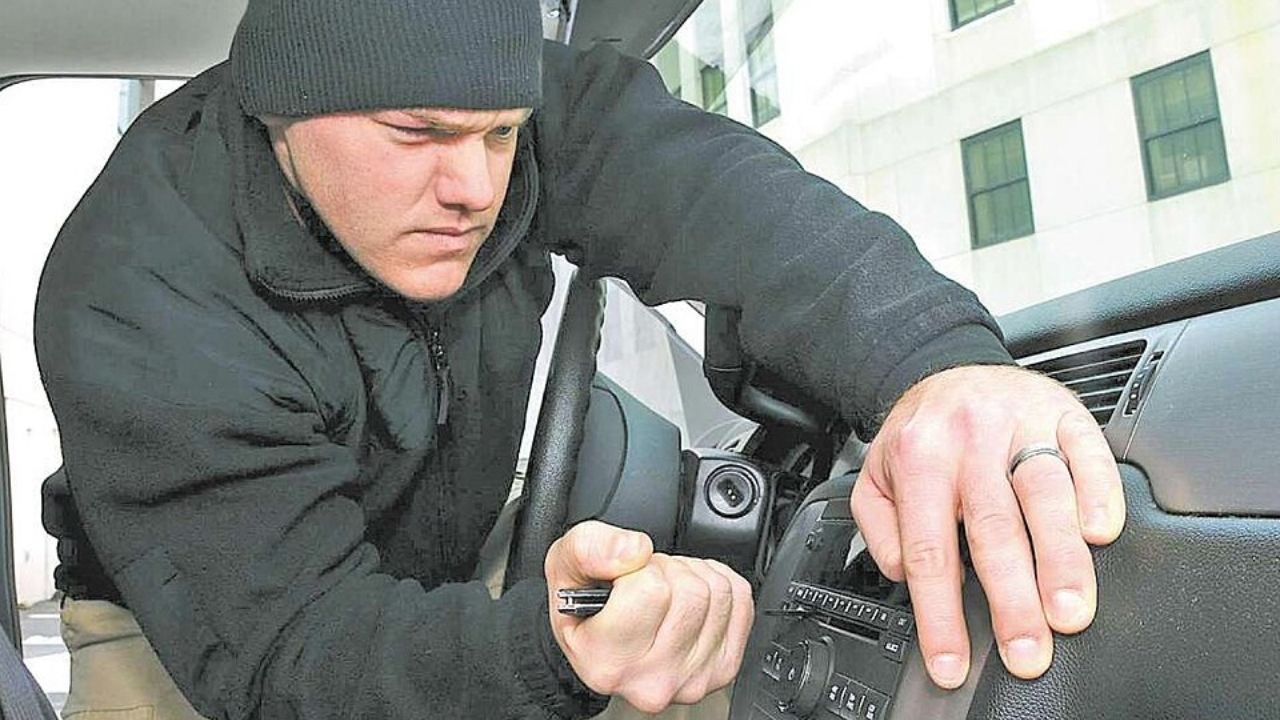
Examining the technological shortcomings in modern car security features reveals a significant gap between consumer expectations and the reality of vehicle protection. Many newer models are equipped with advanced keyless entry systems, yet these features can often be bypassed with relatively simple techniques. For instance, thieves have been known to use relay attacks to capture key fob signals, allowing them to unlock and start vehicles without the original key.
When comparing security measures across different automakers, it becomes apparent that some brands are more vulnerable than others. The lawsuit against Hyundai and Kia underscores this issue, as their vehicles have been found to lack immobilizers, a standard feature that prevents the engine from starting without the correct key. This oversight has made certain models—like the 2015-2019 Kia Optima and the 2011-2021 Hyundai Sonata—particularly susceptible to theft. Thieves have taken advantage of these vulnerabilities, leading to an uptick in incidents that could have been avoided with better security protocols.
Consumer Experiences and Impacts
Personal accounts from vehicle owners highlight the emotional and financial toll of vehicle theft. One victim shared how their 2020 Kia Soul was stolen from their driveway, leaving them not only without transportation but also dealing with the stress of insurance claims and the fear of it happening again. Many victims report feelings of violation and helplessness, as a significant investment is lost in an instant. The aftermath often includes lengthy insurance claims processes, which can further complicate recovery.
The impact on insurance claims has also become an area of concern. As theft rates rise, many insurers are adjusting their policies, which may lead to higher premiums for consumers. Some companies are even refusing to cover certain high-risk vehicles, leaving owners with fewer options. This situation not only affects those who have experienced theft but also creates a ripple effect that raises costs for all vehicle owners, as insurance companies adjust rates based on collective risk assessments.
Legal and Financial Repercussions for Automakers
If the lawsuit against Hyundai and Kia is successful, the automakers could face significant financial penalties. Previous similar lawsuits have resulted in settlements that reached tens of millions of dollars, and a ruling against these companies could set a precedent for holding automakers accountable for vehicle security. The potential for high financial stakes has prompted many companies to take a closer look at their security measures and liability policies.
The reputational damage that comes with such lawsuits can also have long-lasting effects on consumer trust. Automakers that fail to address security vulnerabilities may find themselves struggling to maintain their customer base. Brands that have been involved in past controversies, such as those related to recalls or safety issues, are likely to face increased scrutiny from both consumers and regulators. A loss in reputation can lead to decreased sales and long-term damage to brand loyalty.
The Role of Law Enforcement and Prevention Strategies
Law enforcement agencies have been grappling with the rising vehicle theft rates, often struggling to keep up with the sophistication of thieves. Many police departments are implementing community outreach programs aimed at educating the public about vehicle security and encouraging the use of anti-theft devices. These initiatives are crucial as they empower vehicle owners to take proactive steps in protecting their assets.
Community-based prevention programs, such as the “Lock It or Lose It” campaign, have shown promise in reducing theft rates. These programs often involve partnerships between law enforcement and local businesses to provide education and resources to vehicle owners. Additionally, collaboration between automakers and law enforcement can improve recovery rates, as manufacturers may provide tracking technologies that assist in locating stolen vehicles quickly. Such partnerships can foster a sense of accountability and encourage shared responsibility in tackling vehicle theft.
Technological Innovations in Vehicle Security
As vehicle theft rates climb, emerging technologies are stepping in to help prevent these crimes. Innovations such as GPS tracking, Bluetooth anti-theft systems, and biometric security features are making vehicles harder to steal. For example, systems like LoJack and OnStar offer real-time tracking capabilities that can significantly increase the chances of recovering a stolen vehicle.
App-based security solutions are also gaining traction. Applications like Viper SmartStart allow users to monitor and control their vehicles remotely, providing an extra layer of protection. These technologies not only deter thieves but also give vehicle owners peace of mind. Looking ahead, the future of automotive security may include even more advanced features, such as integration with smart home systems, further enhancing the ability to secure vehicles against theft.
Public Awareness and Advocacy
Raising public awareness about vehicle theft and security vulnerabilities is essential in addressing this growing issue. Advocacy groups are playing a crucial role in pushing for stronger vehicle security regulations and educating consumers about the importance of protecting their investments. These organizations often collaborate with law enforcement and automakers to promote best practices for vehicle security.
Consumer education is also vital. Many vehicle owners might not be aware of the vulnerabilities in their cars or the available security measures. By providing accessible information, advocacy groups can empower individuals to take action, whether it’s installing additional security devices or simply being more vigilant about locking their vehicles. Increased awareness can lead to a more informed public, ultimately contributing to a decrease in theft rates.
Future of Vehicle Theft and Security Legislation
As the landscape of vehicle theft continues to evolve, predictions suggest that rates may continue to rise if current trends persist. However, the ongoing lawsuit may spur legislative changes that could enhance security measures across the automotive industry. Lawmakers may be prompted to introduce regulations mandating stricter security features in vehicles, addressing the vulnerabilities highlighted in the lawsuit.
The long-term impact of increased security measures could reshape the automotive market significantly. Automakers that prioritize security may find themselves gaining a competitive edge, attracting consumers who prioritize safety and reliability. As public demand for secure vehicles grows, the industry will likely adapt, leading to innovative solutions that not only deter theft but also enhance overall vehicle safety.
More from Fast Lane Only