Horsepower figures sell cars, but they rarely tell the whole story of how an engine actually feels on the road. Some of the most satisfying powertrains never topped magazine spec charts, yet quietly reshaped what drivers expect from efficiency, torque, and everyday performance. This is the story of one such underrated engine, and how it helped prove that the way power is delivered can matter far more than the headline number.
By examining how this powerplant was engineered, how it stacked up against louder rivals, and where its philosophy shows up in modern performance cars, it becomes clear that the obsession with peak horsepower left a lot of real-world brilliance hiding in plain sight.
What happened
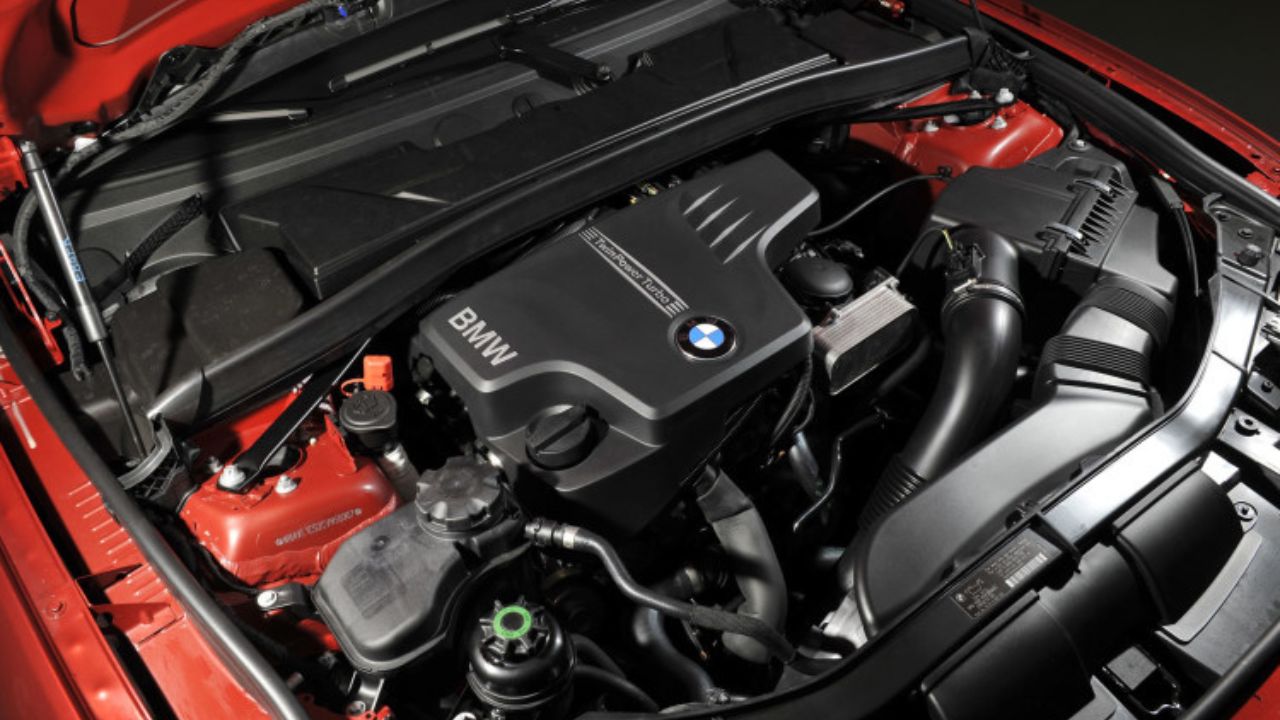
In the early 2010s, BMW began shifting much of its mainstream lineup away from naturally aspirated six-cylinder engines toward smaller turbocharged fours. At the center of that transition sat the BMW N20, a 2.0‑liter turbocharged inline‑four that powered everything from the 3 Series and 5 Series to X1 and X3 crossovers. On paper, it looked modest, with outputs typically in the 180 to 245 horsepower range, depending on tune.
Compared with the high-revving inline‑sixes that built BMW’s reputation, this compact four-cylinder did not sound glamorous. Yet the N20 delivered up to 350 newton-meters of torque from low in the rev range, which gave relatively heavy sedans and crossovers strong midrange pull and brisk real-world acceleration. As detailed in a technical overview of the BMW N20, the engine paired direct injection, a twin-scroll turbocharger, and variable valve timing to produce torque where drivers actually use it, while also meeting tightening emissions and fuel economy standards.
That combination of compact size, forced induction, and advanced controls meant the N20 could replace larger six-cylinder units in cars like the F30 328i without leaving drivers feeling shortchanged in daily use. Official horsepower numbers sat below the brand’s halo engines, yet the smaller turbo four made its case every time a driver rolled into the throttle at 2,000 rpm and felt a smooth, immediate surge rather than a long wait for power at the top of the tachometer.
The N20 was not alone in this quiet rethinking of what makes an engine satisfying. Across the industry, a wave of efficient yet muscular powertrains emerged that prioritized torque curves and durability over headline-grabbing peak power. Several V6 engines, often relegated to base or mid-level trims, built reputations for lasting far beyond expectations. Lists of the most underrated V6 units highlight how these workhorse engines, many with outputs around 200 to 300 horsepower, routinely covered hundreds of thousands of miles with minimal drama.
At the more extreme end of the spectrum, builders took relatively ordinary engine blocks and transformed them into competition monsters that still relied on accessible torque rather than sky-high horsepower peaks. One example is a supercharged 376 cubic inch LY6 V8 built for a burnout competition, which used a stock GM truck-based block as its foundation. The build combined a 6.2‑liter displacement with forced induction and careful tuning to create an engine that could sustain continuous high-load abuse while still delivering controllable power. The supercharged 376 CID project shows how torque-rich output, cooling capacity, and reliability can matter more in real competition than chasing an extra 50 horsepower for the dyno sheet.
Sports cars also began to showcase how small-displacement engines could punch well above their weight. Lightweight coupes and roadsters with turbocharged 2.0‑liter fours, and even high-strung naturally aspirated units around the same size, started to deliver performance that once required a V6 or V8. A survey of modern four-cylinder sports cars highlights how cars like the Porsche 718 Cayman, Toyota GR86, and turbocharged hot hatches use low weight, smart gearing, and generous torque to feel faster and more engaging than their spec sheets suggest.
Across these examples, a clear pattern emerges. Engineers increasingly focused on the full powerband, thermal management, and real-world drivability. The N20 became a symbol of that shift in the premium segment, a compact turbo four that quietly replaced larger engines while delivering a blend of efficiency and usable shove that many drivers came to prefer, even if the brochure numbers seemed less dramatic.
Why it matters
The fascination with peak horsepower has deep roots in car culture. For decades, enthusiasts and marketers alike treated the largest number on the spec sheet as the ultimate measure of an engine’s worth. Yet the daily experience of driving depends far more on torque delivery, throttle response, gearing, and vehicle weight. The N20 and its contemporaries drove that point home in a way that reshaped both engineering priorities and consumer expectations.
From an engineering perspective, the N20 represented a strategic pivot. By extracting strong torque from a 2.0‑liter displacement, BMW could downsize engines across its lineup, reducing weight over the front axle and improving fuel economy. Smaller, lighter engines help chassis engineers tune suspension and steering with more precision, which in turn enhances handling and ride comfort. The result is a car that feels more agile and responsive, even if the raw horsepower figure looks conservative next to a rival’s big-displacement unit.
Real-world performance tests often showed that turbocharged fours like the N20 matched or beat older six-cylinder models in common scenarios such as highway passing or city acceleration. The broad torque plateau meant drivers did not need to rev the engine to its limit to access usable power. That characteristic is particularly valuable in crossovers and family sedans, where passengers care more about smooth, effortless progress than a screaming redline.
Durability-focused V6 engines tell a similar story from a different angle. Many of the underrated V6 units that enthusiasts praise today were never marketed as performance icons. They served in minivans, midsize sedans, and trucks, where reliability and low running costs mattered most. Yet their relatively modest specific output, combined with conservative tuning and robust internal components, allowed them to achieve remarkable longevity. Owners regularly report odometer readings well beyond 200,000 miles, and in some cases over 300,000 miles, with these underappreciated V6 engines still running smoothly.
That longevity has real economic and environmental implications. Engines that last longer reduce the frequency of vehicle replacement, which in turn lowers the total lifecycle impact of car ownership. When a powerplant is engineered for moderate stress and steady torque rather than record-breaking peak power, it often operates within a more forgiving envelope. That can translate into fewer catastrophic failures, less frequent major repairs, and a better ownership experience for drivers who never cared about lap times in the first place.
Competition builds like the supercharged 376 cubic inch LY6 V8 illustrate the same principle under far harsher conditions. In burnout contests, engines are subjected to sustained high rpm, extreme heat, and constant load. A fragile, highly strung engine tuned only for maximum horsepower would not survive this punishment for long. Instead, builders start with a stout base like the LY6 truck block, which was designed for heavy-duty use, then add forced induction, forged internals, and upgraded cooling. The resulting 376 CID LY6 demonstrates that reliability under stress and a wide, controllable torque band are more valuable in real competition than a sky-high number achieved in a single dyno pull.
Sports cars powered by small four-cylinder engines reinforce this shift in priorities for enthusiasts. Modern 2.0‑liter turbocharged coupes and hot hatches routinely produce 250 to 300 horsepower, but their real charm lies in how they deliver it. Broad torque curves, low curb weights, and carefully chosen gear ratios allow these cars to feel lively at everyday speeds. Drivers can explore the upper half of the rev range without immediately reaching illegal velocities, which makes them more engaging on normal roads. The collection of four-cylinder performance cars on the market shows how manufacturers have embraced this formula, often positioning these models as purist choices rather than budget compromises.
For buyers, this evolution has changed how value is perceived. A decade ago, a premium sedan with a four-cylinder engine might have been dismissed as underpowered or cost-cut. Today, many shoppers actively seek out smaller turbocharged engines because they deliver a better mix of fuel economy, low-end pull, and tax or insurance advantages in some markets. The N20 helped normalize that shift in the premium segment, proving that a well-engineered four-cylinder could feel every bit as capable as a six in daily driving.
The broader significance extends to the transition toward electrification. Electric motors deliver maximum torque from zero rpm, which makes them feel extremely quick even if their peak power figures do not sound extraordinary. Drivers who have learned to appreciate torque-rich, real-world performance from engines like the N20 may find the move to electric powertrains more intuitive. The underlying lesson is the same: how a vehicle delivers its power matters more than the biggest number on the spec sheet.
What to watch next
The qualities that made the N20 and similar engines underrated heroes are now shaping the next generation of powertrains. As regulations tighten and electrification accelerates, automakers are looking for ways to blend internal combustion with electric assistance in ways that preserve driving character while meeting efficiency targets.
One clear trend is the rise of smaller, highly optimized combustion engines used as part of hybrid systems. In this setup, a turbocharged four-cylinder can be tuned for efficiency and midrange torque, while electric motors handle initial launch and quick bursts of acceleration. The philosophy that guided the N20, extracting usable torque from a compact package, aligns neatly with this hybrid strategy. Instead of chasing ever-higher horsepower from combustion alone, engineers can focus on seamless collaboration between engine and motor.
Another area to watch is how manufacturers treat durability and serviceability in the age of complex powertrains. The long-lived V6 engines celebrated by owners show that relatively simple, conservatively tuned designs can earn deep loyalty. As turbocharging, direct injection, and hybrid systems become universal, brands that manage to combine these technologies with the kind of longevity seen in those high-mileage V6 units will stand out. Extended warranties, transparent maintenance schedules, and modular components that can be repaired rather than replaced outright will likely become stronger selling points.
In motorsport and enthusiast circles, the approach showcased by builds like the LY6 burnout engine hints at a future where reliability engineering and thermal management attract as much attention as raw power. As track-day events, time-attack competitions, and grassroots racing continue to grow, participants are learning that the fastest car is often the one that can run hard all weekend without breaking. Expect more coverage of oiling systems, cooling upgrades, and conservative tuning strategies that keep engines within safe limits while still delivering thrilling performance.
The sports car market is also likely to keep leaning into the “small but mighty” formula. The success of modern four-cylinder sports cars suggests that buyers are comfortable paying premium prices for compact, lightweight machines that prioritize feel over sheer power. As emissions rules tighten, manufacturers may reserve larger engines for limited halo models while offering agile, turbocharged fours as the enthusiast sweet spot. That could mean more cars that echo the N20’s core idea: less cylinder count, more usable torque, and a chassis tuned to make the most of it.
More from Fast Lane Only