Modern engines run hotter, use thinner materials, and depend on electronics in ways that would have baffled drivers a generation ago. Nowhere is that shift clearer than in the cooling system, which has quietly evolved from a simple loop of hoses and coolant into a tightly managed thermal network that can cost thousands of dollars when it fails. Many drivers still treat it as an afterthought, even as repair bills and design changes show how risky that mindset has become.
What most owners think of as “the radiator and some antifreeze” is now a cluster of radiators, electric pumps, sensors, valves, and plastic tanks that all have to work in sync. When one piece cracks or clogs, the damage can spread quickly to turbos, batteries, and even the transmission, and the repair cost can dwarf what older drivers remember paying for a water pump or thermostat.
What happened
Cooling systems used to be straightforward. A belt spun a mechanical water pump, coolant flowed through a single radiator, and a wax thermostat opened or closed based on temperature. Many drivers who grew up with that layout still picture something similar under the hood. They remember metal radiators, thick hoses, and enough space to reach almost every part with basic hand tools, which helps explain why some older owners say they miss the simpler hardware in cars they drove decades ago, including traditional gauges and mechanical controls listed among the car features boomers.
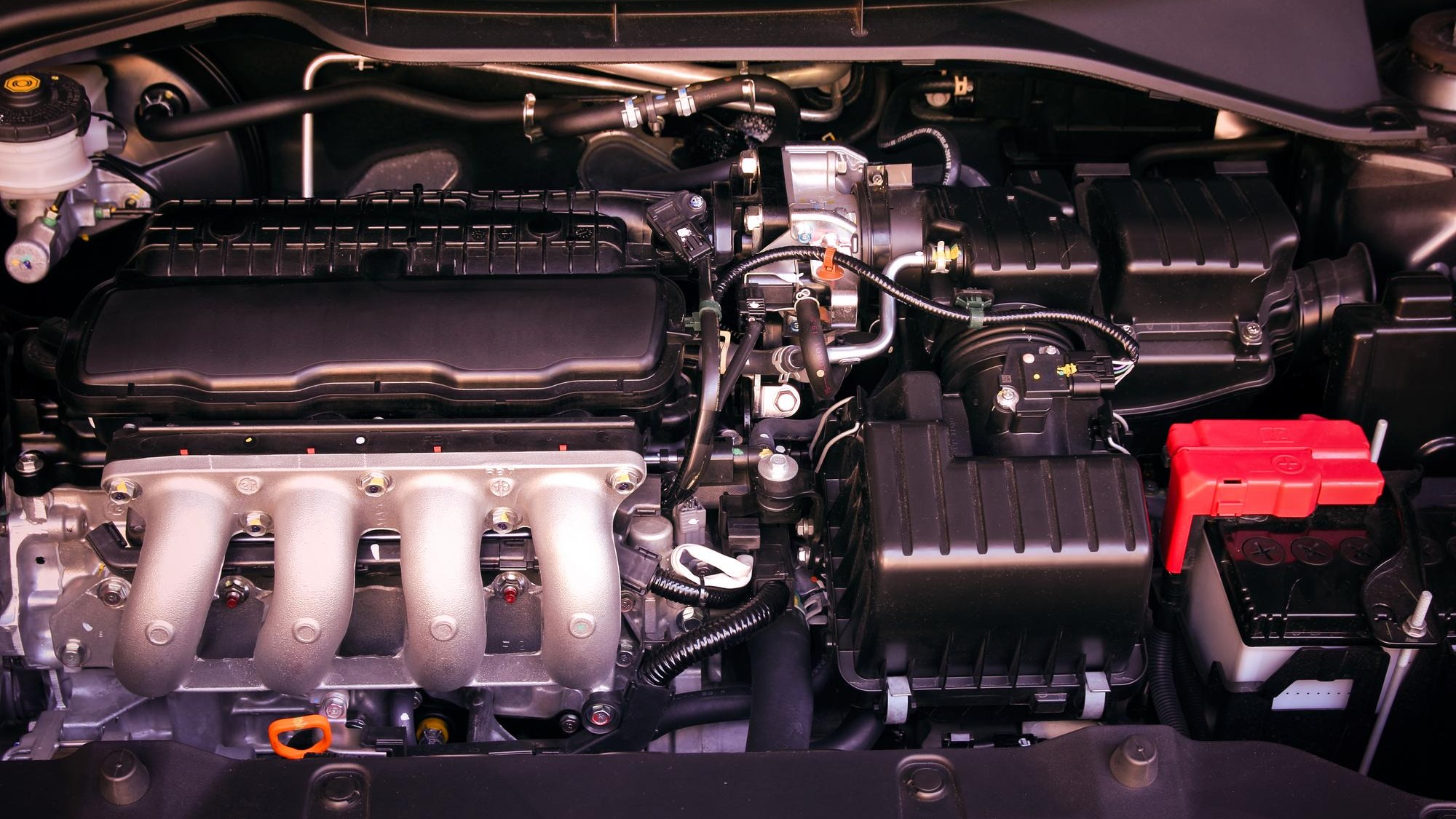
Today’s vehicles instead rely on highly integrated cooling layouts that touch almost every major system. A compact crossover can have separate coolant circuits for the engine block, the turbocharger, the transmission, and the cabin heater, with additional loops for hybrid batteries or power electronics. Electric water pumps replace belt-driven units, plastic composite tanks replace many metal parts, and thermostats are often electronically controlled to match combustion and emissions strategies.
This complexity has made failures more expensive and more confusing for owners. A widely discussed example involved a Toyota RAV4 owner who received a repair estimate of about 6,600 dollars for a damaged component in the cooling system. The part, which most drivers would not recognize by name, was tied into the vehicle’s thermal management and required extensive labor and related parts to replace, turning a seemingly narrow fault into a multi-thousand-dollar job. The case highlighted how a single cracked housing or internal leak can force a shop to replace a large assembly, a pattern that helped push that RAV4 repair quote to roughly 6,600 dollars.
Similar stories surface across brands and segments. A coolant leak that once meant a new hose can now mean a failed plastic tee buried under the intake manifold, a warped thermostat housing that comes only as part of a much larger module, or an electric pump that sits behind other components and requires hours of disassembly. In hybrids and plug-in hybrids, cooling failures can involve battery chillers or inverter heat exchangers, which increases both the parts cost and the diagnostic time.
At the same time, manufacturers have tightened tolerances and operating windows. Engines are designed to run at higher, carefully controlled temperatures to extract more efficiency and meet emissions targets. Turbocharged engines in particular depend on precise coolant flow around hot turbine housings and bearings. As a result, the margin between “fine” and “overheated” is smaller than many drivers assume, and minor issues like a slow leak or sticky thermostat can escalate faster than they did in older vehicles.
Why it matters
The stakes are higher because the cooling system is no longer just about preventing a visible boil-over at the side of the road. It now shapes fuel economy, emissions, performance, and the lifespan of expensive components. When coolant does not circulate properly, modern engines can suffer warped cylinder heads, damaged head gaskets, and cracked plastic intake parts long before the driver sees steam.
For internal combustion engines, thermal management directly affects combustion efficiency. Engineers use electronically controlled thermostats and variable-flow pumps to warm engines quickly, then hold them in a narrow temperature band. If the system cannot keep up, the engine control software may pull timing, reduce boost, or trigger limp mode to protect hardware. Drivers often interpret this as a random power loss or transmission issue, when the root cause is a cooling fault that the car is trying to manage quietly.
Hybrids and battery electric vehicles add even more dependence on cooling. Their packs and inverters generate significant heat under load, and many models route coolant through dedicated chillers and plate-style heat exchangers. A small leak or contamination in those circuits can reduce battery life or force the car to limit power. In some designs, shared coolant between the engine and electrified components means that a failure in one area can contaminate or overheat another, which increases repair complexity.
Cost is the most immediate concern for many owners. The RAV4 repair estimate of about 6,600 dollars for a single cooling-related component is an extreme but telling example of how integrated parts and tight packaging can turn a localized issue into a major financial shock. When a plastic housing or internal passage fails, technicians often cannot replace just the cracked piece. Instead, they must install an entire module that includes the thermostat, sensors, and various ports, which raises the parts bill and labor time.
Insurance and extended warranties do not always soften the blow. Cooling system failures can fall into gray areas between wear and tear and sudden mechanical breakdown, and some policies exclude hoses, tanks, and gaskets. Owners who skip coolant changes or ignore earlier warning signs may also find that coverage is denied, leaving them to absorb the full cost of a repair that might have been much cheaper if caught earlier.
There is also a safety dimension. An overheating engine can suddenly lose power while merging or climbing a grade, and a burst hose can spray hot coolant in the engine bay, which increases fire risk if it hits hot exhaust parts. For hybrids, a malfunction in the battery cooling loop can trigger warning lights that tell the driver to stop immediately, sometimes in inconvenient or hazardous locations. These scenarios are still relatively rare, but they show how thermal issues can intersect with real-world driving risk.
Environmental impact is another piece of the story. Coolant leaks send ethylene glycol or propylene glycol into the environment, where they can harm animals that are attracted to the sweet taste of spilled antifreeze. Modern long-life coolants are designed to last longer, which reduces waste, but when they are neglected and then flushed in a panic after a failure, they often end up handled less carefully than routine maintenance would allow. Better awareness of cooling system health can help reduce both catastrophic failures and the messy cleanups that follow.
Finally, the emotional gap between driver expectations and modern reality is widening. Many owners still think of cooling issues as minor annoyances that can be postponed, and they remember topping off radiators or swapping hoses in a driveway. When they are faced with a four-figure estimate for a part they have never heard of, they feel blindsided. That frustration feeds distrust of repair shops and skepticism about newer technology, even when the shop is simply following the repair procedures that the vehicle’s design requires.
What to watch next
The shift in cooling system design is not slowing down. As automakers chase efficiency and electrification, thermal management is turning into a central design discipline rather than a supporting function. Several trends are worth watching for drivers who want to avoid becoming the next owner hit with an unexpected four-figure bill.
First, integrated thermal modules are becoming more common. Instead of separate thermostats, pumps, and housings, manufacturers are packaging multiple functions into single units that bolt to the engine or battery pack. These modules can control flow to different circuits electronically, blend coolant temperatures, and coordinate with the engine control unit. The trade-off is that when one part of the module fails, the entire assembly often has to be replaced, which increases costs but simplifies assembly and calibration at the factory.
Second, electric pumps and valves are replacing many mechanical parts. Electric pumps can run at variable speeds, circulate coolant after the engine is shut off to prevent hot spots, and support start-stop systems that shut the engine off at traffic lights. They also add another layer of electronics that can fail. A bad control board or motor in a pump can trigger overheating even if the coolant itself is clean and the hoses are intact, and diagnosis usually requires scan tools and specific test procedures rather than a simple visual check.
Third, software updates are becoming part of cooling system maintenance. Automakers can adjust fan strategies, pump duty cycles, and temperature targets through revised programming. In some cases, these updates are issued to address known weak points, such as coolant temperatures that run too close to component limits in hot climates or under heavy towing. Owners who skip dealer visits or ignore software campaigns may miss changes that could extend the life of their cooling components.
Drivers will also see more shared cooling between propulsion and comfort features. Heat pumps in electric vehicles, for example, move heat between the cabin and the battery or power electronics. That can improve efficiency in cold weather but also means that a fault in the climate system can affect battery temperatures and vice versa. Understanding that the “heater” is now tied into vehicle health, not just comfort, can help owners take cabin temperature issues more seriously.
On the repair side, independent shops are investing in training and equipment to handle complex cooling layouts. Pressure testers, infrared thermometers, and scan tools that can command pumps and valves on and off are becoming standard. Shops that keep up with this shift can pinpoint small leaks or flow restrictions before they cause major damage, while those that treat every overheating complaint as a simple radiator problem risk misdiagnosis and comebacks.
For owners, the most practical shift is mindset. Preventive care matters more than ever. That means following the coolant replacement intervals listed in the owner’s manual, using the exact coolant type specified for the vehicle, and asking shops to test for stray voltage or chemical contamination that can attack plastic parts from the inside. It also means taking early signs seriously: a faint sweet smell after parking, a slightly rising temperature gauge on long grades, or a heater that blows cool air at idle can all signal circulation problems.
Vehicle choice will play a role too. Shoppers who tow heavy loads, drive in extreme climates, or keep vehicles past 150,000 miles may want to ask specific questions about cooling system design before signing. That can include whether the transmission has its own cooler, whether the battery in a hybrid has liquid cooling, and how accessible key components are for replacement. Some models route critical cooling parts behind timing covers or subframes, which can make future repairs more labor intensive.
More from Fast Lane Only