When Neiman Marcus offered 100 replicas of James Bond’s BMW Z3 roadster in its 1995 Christmas catalog, dealers took more than 200 orders in the first five minutes. That is how badly people wanted an open car with a good badge. Three decades later, the 1990s and 2000s convertibles that buyers chased new are now ordinary used cars.
In our view, that will not last forever. Clean, original examples get harder to find every year. Meanwhile, the people who grew up wanting these cars now have garages of their own.
These eight are our picks for the convertibles we think will not stay cheap much longer. The facts come from maker histories, period specifications and production records. However, the prediction is our opinion, not a price guarantee, so treat it as a tip from friends rather than financial advice.
1. 1997–1998 BMW Z3 2.8 roadster
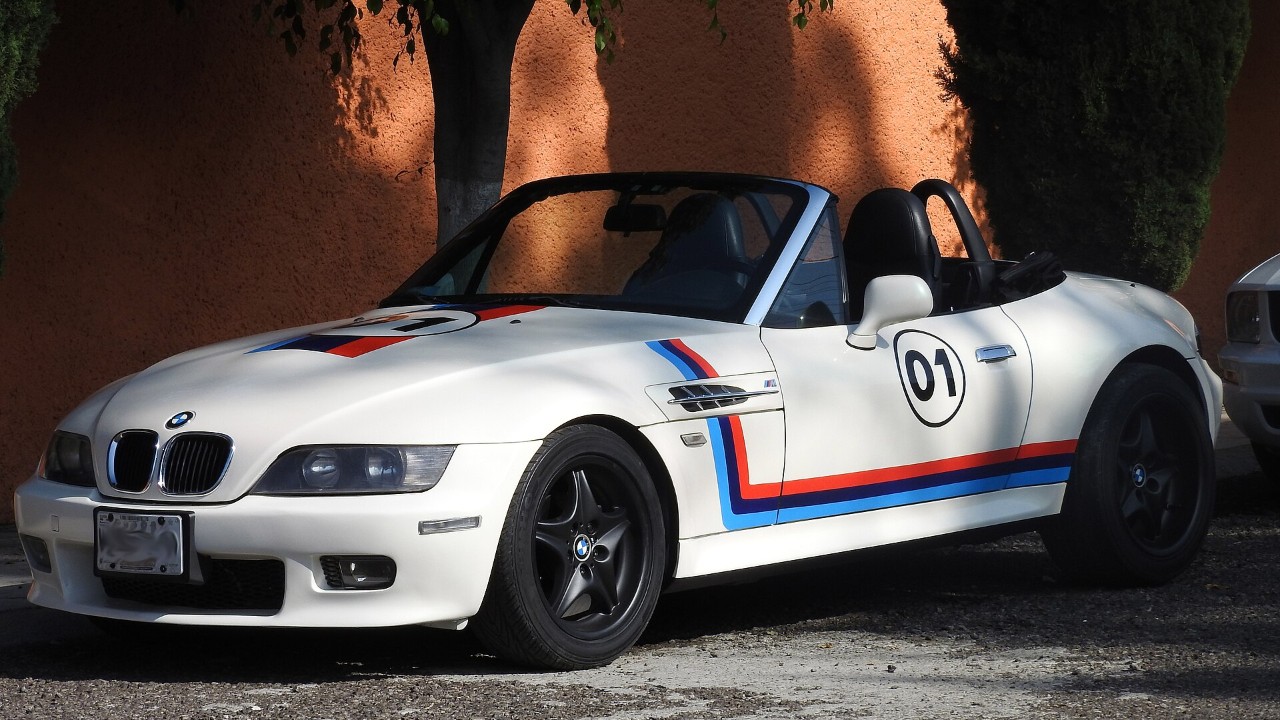
The Z3 was built in South Carolina, at BMW’s Spartanburg plant. In fact, it was the first BMW model made solely outside Germany. According to BMW of North America’s own history of the car, the first Z3 rolled off the line in September 1995. Two months later, it made its public debut in the James Bond film GoldenEye.
The Bond car was a 1.9. Then, for 1997 and 1998, BMW offered the 2.8 roadster. Its M52 inline-six also made 189 horsepower at 5,300 rpm in original form. As a result, a pretty cruiser became a properly quick little car. In all, BMW built 297,088 Z3 and M roadsters and coupes.
In our view, that big total is exactly why the Z3 is cheap today, and why the six-cylinder 2.8 is the one to find. For more of the backstory, read how the 1997 BMW Z3 brought roadsters back. Our take: a well-kept six-cylinder BMW Z3 roadster is the bargain on this list most likely to move first. Buy the best one you can afford, with records, before everyone else remembers how good it feels.
2. 1999 Porsche Boxster 986
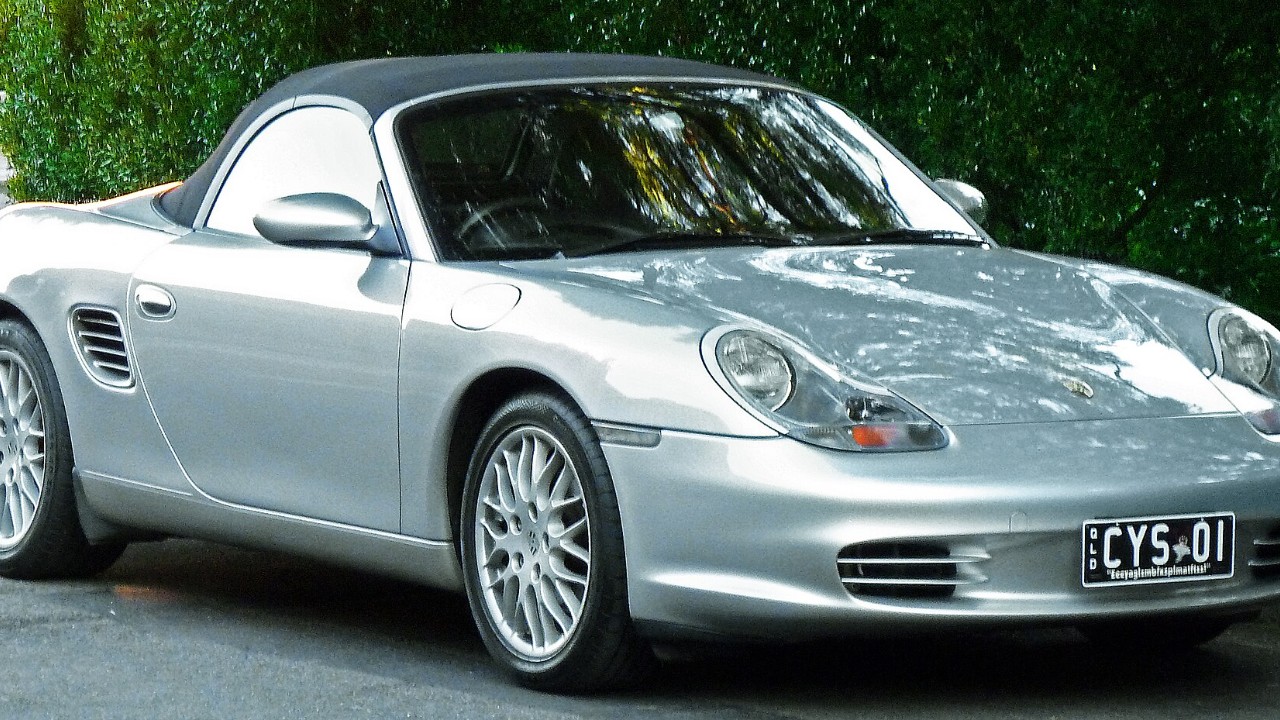
Porsche showed the Boxster as a concept at the Detroit show in January 1993. Grant Larson designed it, drawing on the 550 Spyder and the 718 RS 60 Spyder. Series production then began in August 1996. According to the Porsche Newsroom’s history of the first Boxster, it used the first water-cooled six-cylinder series boxer engine.
A 1999 car has the original 2.5-liter flat-six, rated at 204 PS. Moreover, the engine sits in the middle, behind the seats. In addition, the Boxster shares its front end with the 996-generation 911, so it looks the part from most angles. Porsche built 164,874 first-generation Boxsters. Some were even assembled under contract, for example, by Valmet Automotive in Uusikaupunki, Finland.
So why is it affordable? We think it is partly the reputation. Some 986 engines suffered cracked or slipped cylinder liners and porous blocks, and that history scares buyers. Our take: that fear is your opening, because it keeps prices down. Get a specialist inspection, budget for engine work, and you end up with a mid-engine Porsche convertible that, in our view, is underpriced for what it does. We doubt that window stays open for long.
3. 2001 Mercedes-Benz SLK 320
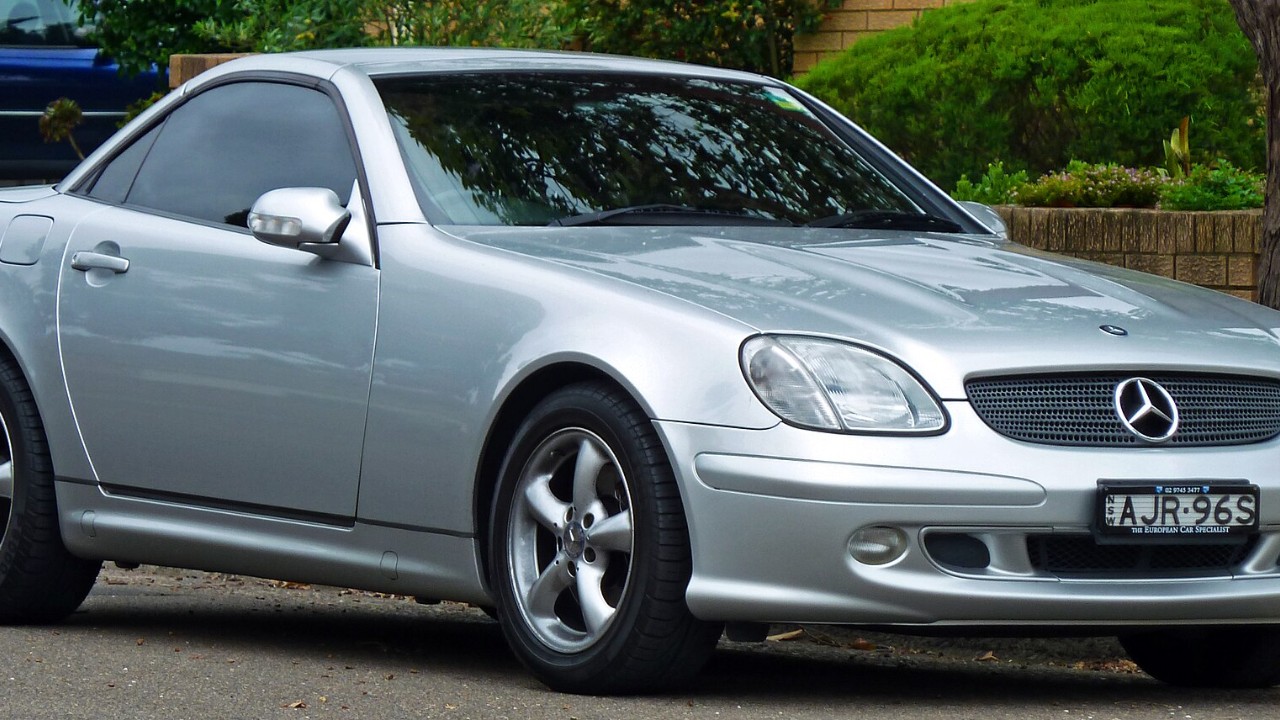
Mercedes-Benz showed the first SLK at the Turin Motor Show in April 1996. Mass production then began that July in Bremen. The headline feature was the Vario-Roof, a folding metal hardtop that takes 25 seconds to operate. In other words, you got a coupe and a roadster in the same car.
The SLK 320 arrived with the facelift in 2000. At first, its 3.2-liter M112 V6 was the top engine, rated at 215 horsepower. For buyers who wanted more, the supercharged SLK 32 AMG followed in 2001 with 349 horsepower. However, only 4,333 AMG cars were built.
The regular V6 car is a different story. Mercedes built 311,222 cars of the R170 generation, so there are plenty around. That is good news for you right now. Our take: the SLK 320 is the sensible way into a Mercedes roadster. It is smooth and easy to live with, while the metal roof makes it a real four-season car. In our view, the best ones will start to climb once the AMG cars move fully out of reach, because buyers always look one step down next.
4. 1999 Jaguar XK8 convertible
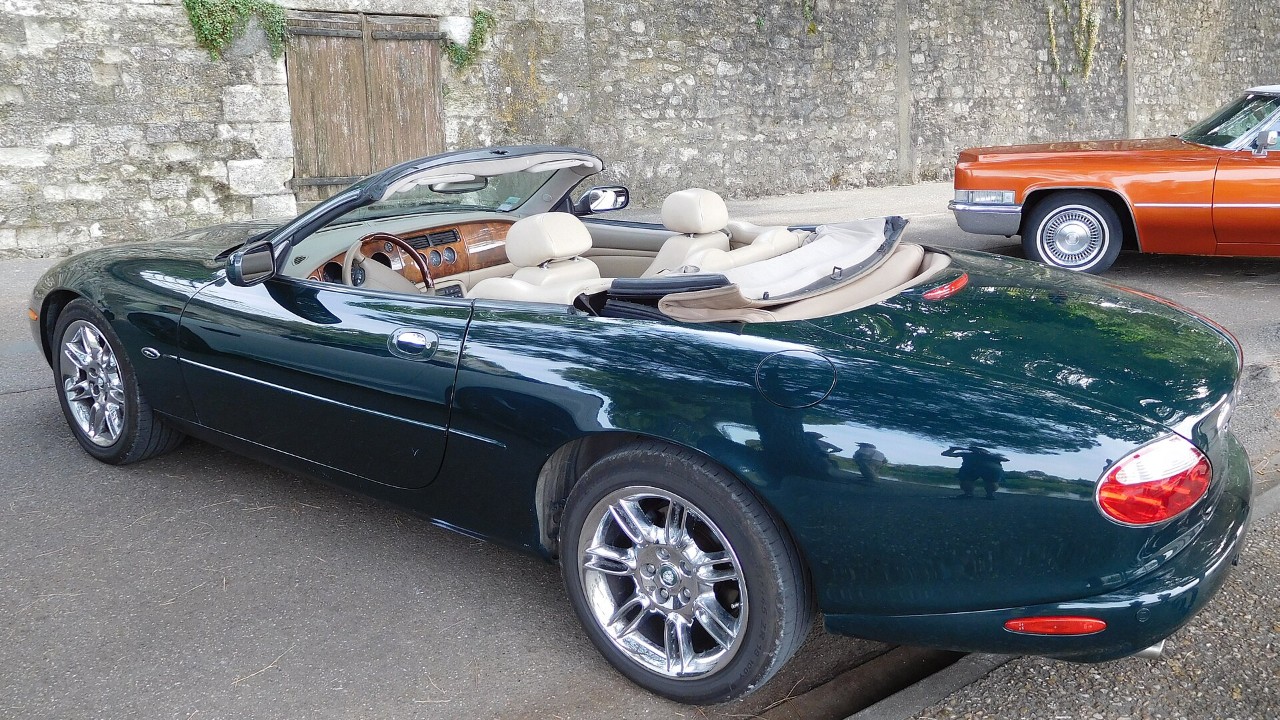
Jaguar unveiled the XK8 in March 1996 and put it on sale that October. Fergus Pollock designed it while working under Geoff Lawson. To our eyes, it looks expensive even today.
Power came from a new 4.0-liter, 32-valve AJ-V8 rated at 290 horsepower. A ZF five-speed automatic sent it to the rear wheels. Later, in May 1998, Jaguar added the supercharged XKR. From 2002, the engines grew to 4.2 liters and switched to a ZF six-speed automatic. Between 1996 and 2005, Jaguar built 90,064 XKs. Of those, the XK8 convertible was the biggest single group, with 46,760 cars.
There is one thing every buyer should know. Early cars used plastic and semi-plastic timing chain tensioners, which caused common engine failures. Later, Jaguar fitted upgraded metal tensioners and water pump impellers to cars built after 2001. A 1999 car, then, needs proof that the tensioners were replaced. Our take: with that job done, the XK8 is a lot of grand-touring Jaguar for very little money. In our view, a sorted early convertible is one of the best-looking bargains in the used market, and that will not stay true.
5. 1994 Ford Mustang GT convertible
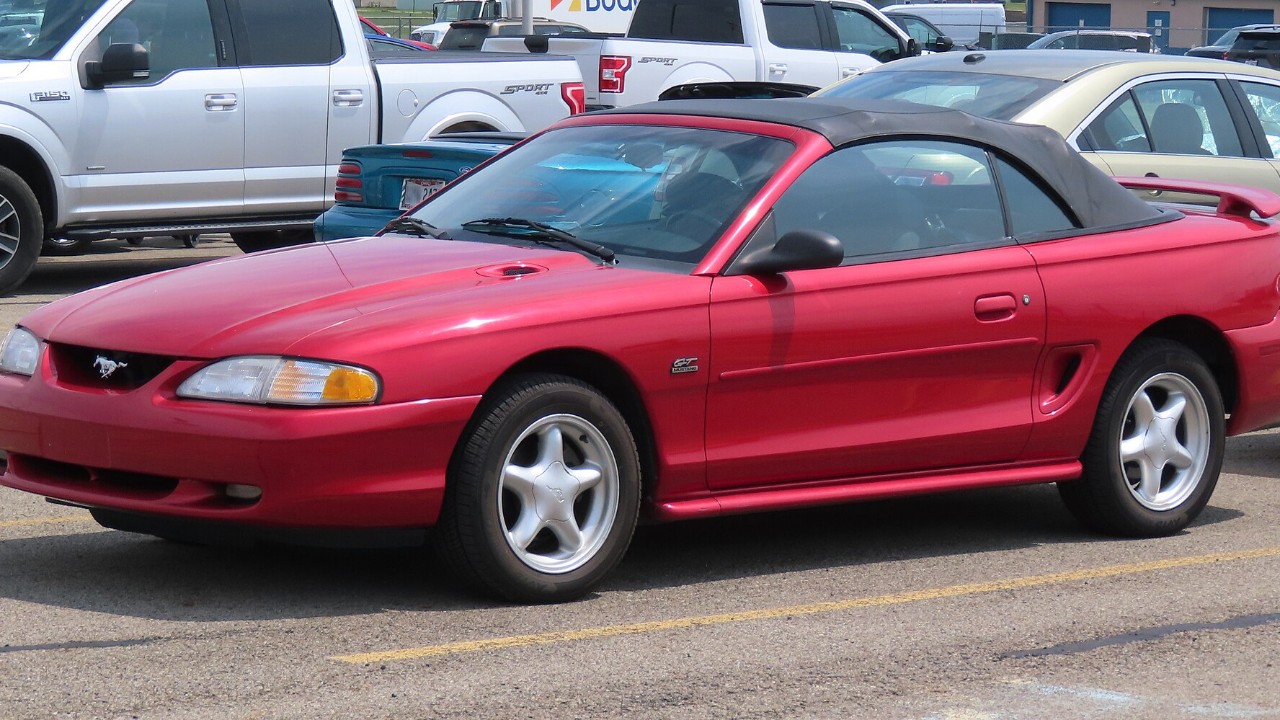
Ford introduced the SN95 Mustang in November 1993, and it went on sale in December. Underneath, it rode on an updated Fox platform called Fox-4. The GT came back in January 1994 with a 5.0-liter V8 rated at 215 horsepower at 4,200 rpm.
Meanwhile, the redesign was a hit with the press. In fact, Motor Trend named the 1994 Mustang GT its Car of the Year. That makes the first-year GT a meaningful car in Mustang history, not just a used V8. For 1994 and 1995, Ford also built a Cobra, with its own intake manifolds, cams, injectors and heads. If you want to know how it differed from the car it replaced, we compared the Fox body Mustang and the SN95 in an earlier piece.
Our take: the 1994 GT convertible is next in line among modern Mustangs to be taken seriously. It has the 5.0 V8, a soft top and a Car of the Year title behind it. We think an original, unmodified car will be the one that pulls ahead. So we would buy one now, keep it stock, and enjoy every summer evening with the top down.
6. 2007 Pontiac Solstice GXP
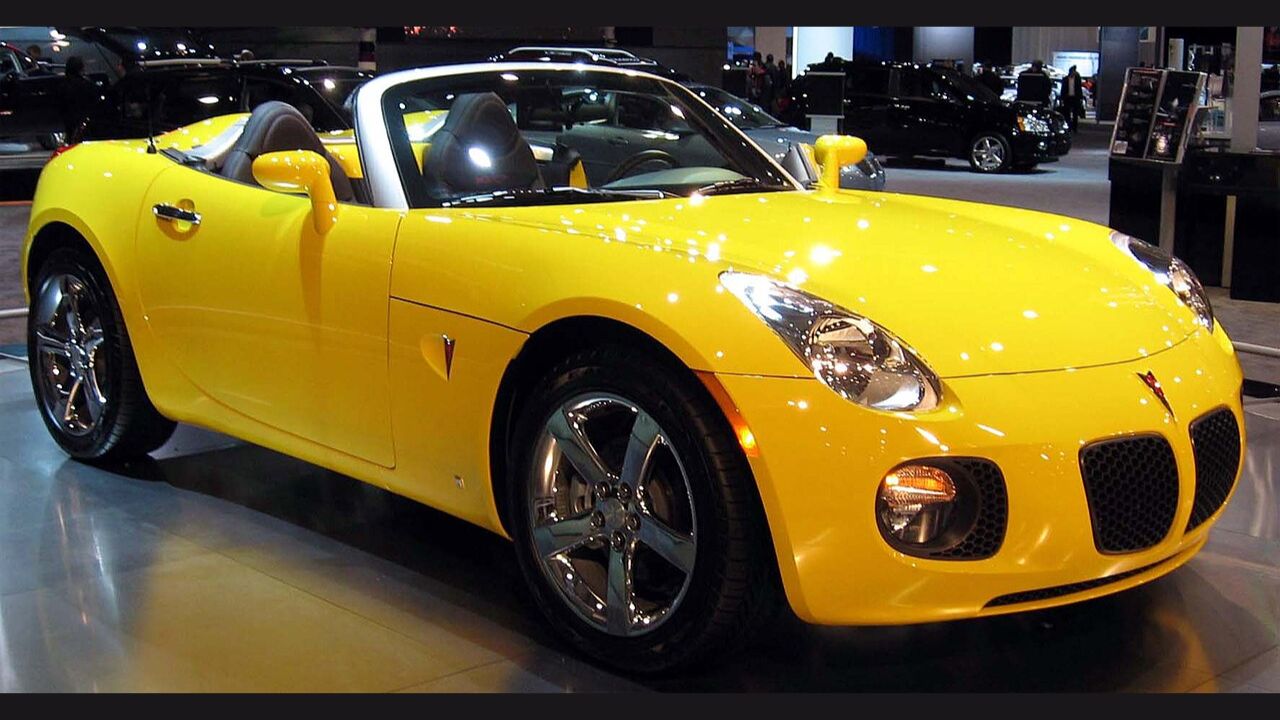
Pontiac started building the Solstice in mid-2005 for the 2006 model year. It rode on GM’s Kappa platform, shared with the Saturn Sky and Opel GT. Every one also came from Wilmington, Delaware.
The GXP arrived for 2007, and it changed the car’s character. A turbocharged 2.0-liter direct-injection four made 260 horsepower and 260 pound-feet of torque. Suddenly the pretty roadster had real pace. Better still, the shared Kappa hardware may help owners hunting for parts. Then the story ended abruptly, because the Wilmington plant closed in July 2009.
That short life keeps numbers low. About 65,724 Solstices were built from 2005 to 2010, and 58,475 of them were sold in the United States. The GXP is only part of that total. A rare coupe counted only 1,266 cars. Our take: the GXP is the most exciting car Pontiac built in its final years. It is a modern, turbocharged American roadster from a brand that no longer exists. Together, those two facts are, in our view, a recipe for rising values. In our view, clean, unmodified GXPs will be the first to go, so do not wait for the perfect one.
7. 1991 Saab 900 Turbo convertible
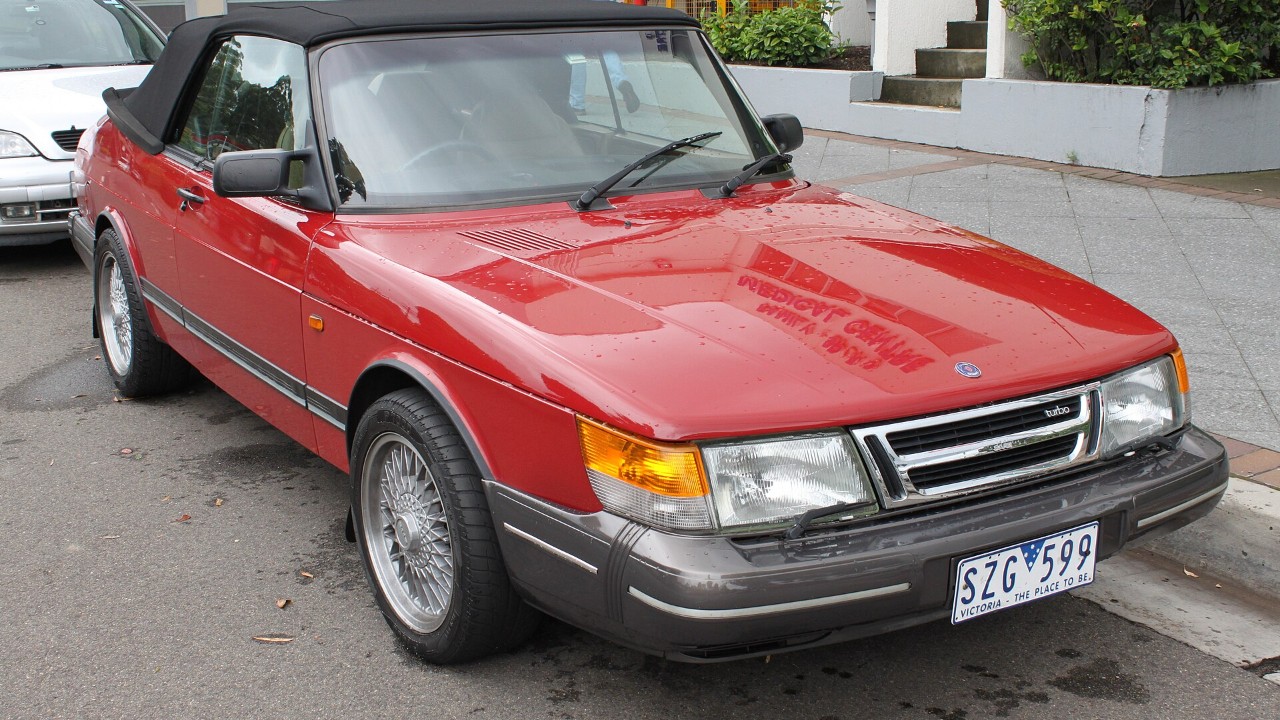
Saab put the 900 convertible into production in the spring of 1986. Interestingly, an American firm, ASC, built the first prototype. Then Saab chose Valmet Automotive in Finland to build the car, a decision made in April 1984. The Finnish plant based its version on the sturdier two-door sedan rather than the three-door hatchback.
Most convertibles came with a 16-valve turbocharged engine, and some trims added an intercooler. Overall, Saab built 908,817 classic 900s. However, only 48,888 of them were convertibles. That is a small slice of a car that already has a devoted following.
Beyond the numbers, the classic 900 shape is part of the appeal. It looks like nothing else from the period, and the turbo gives it a real shove. If you want to know why fans love the hatchback too, see why the 1983 Saab 900 Turbo earned cult loyalty. Our take: a well-kept Turbo convertible is a smart buy today, because Saab is gone and the good ones are getting harder to find. We would choose one with a full service history and a healthy top.
8. 1986 Alfa Romeo Spider Graduate
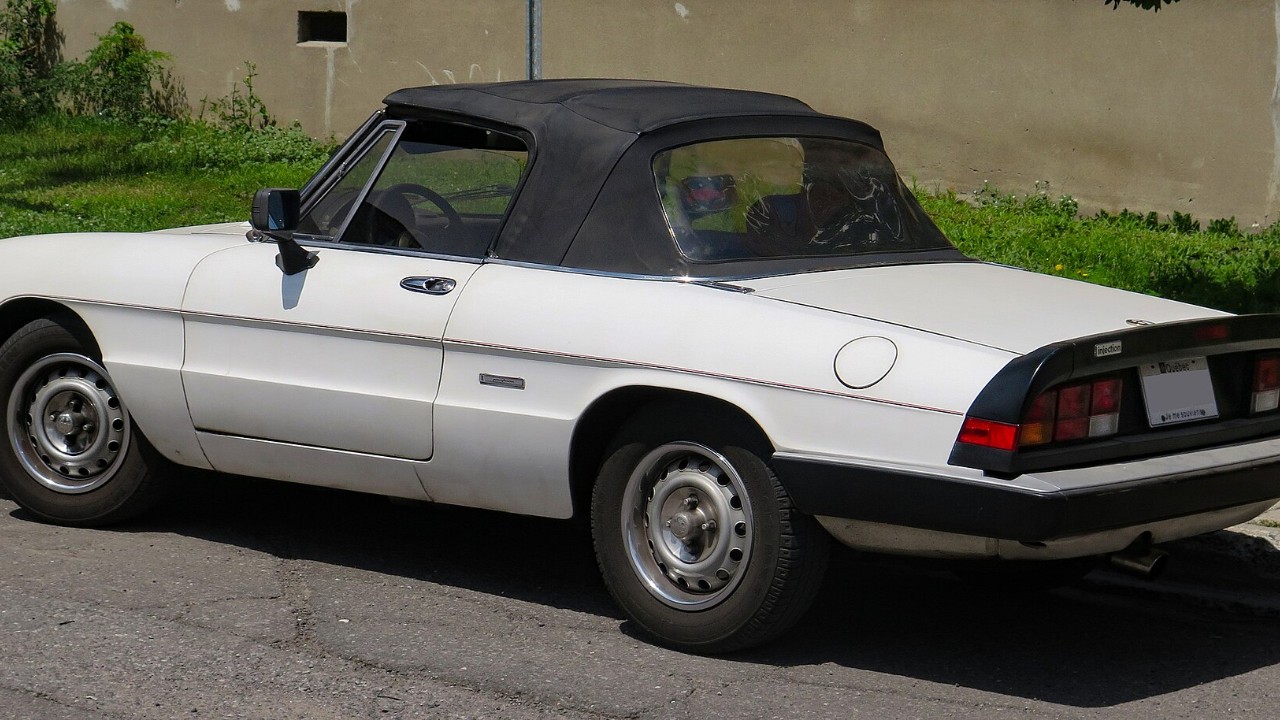
The Graduate took its name from the 1967 film The Graduate, starring Dustin Hoffman. A Spider appears in the film, and the name acknowledged that screen role. It sold the Graduate in North America from 1985 until 1990.
The idea was simple, too, since the Graduate was a price leader. The Graduate was the entry-level Spider, cheaper than the Veloce and Quadrifoglio. It shared their engine and transmission but used steel wheels, manual windows, vinyl seats and a vinyl top. Air conditioning and a dealer-installed radio were the only options. Underneath was the Series 3 Spider, with a 1,962cc engine and Bosch electronic fuel injection. The US-market Spider 2000 engine was rated at 124 to 126 horsepower, depending on the source. As with earlier Spiders, Pininfarina designed the body and assembled the car at Grugliasco.
Our take: the Graduate is the purest Spider of its era. Fewer extras mean fewer things to break, and the lighter spirit suits the car. In our view, it is also the most affordable way to own an Italian roadster with a film career. We think buyers who missed the early cars will turn to these next. In the end, Alfa built 37,208 Series 3 Spiders in total.
More from Fast Lane Only