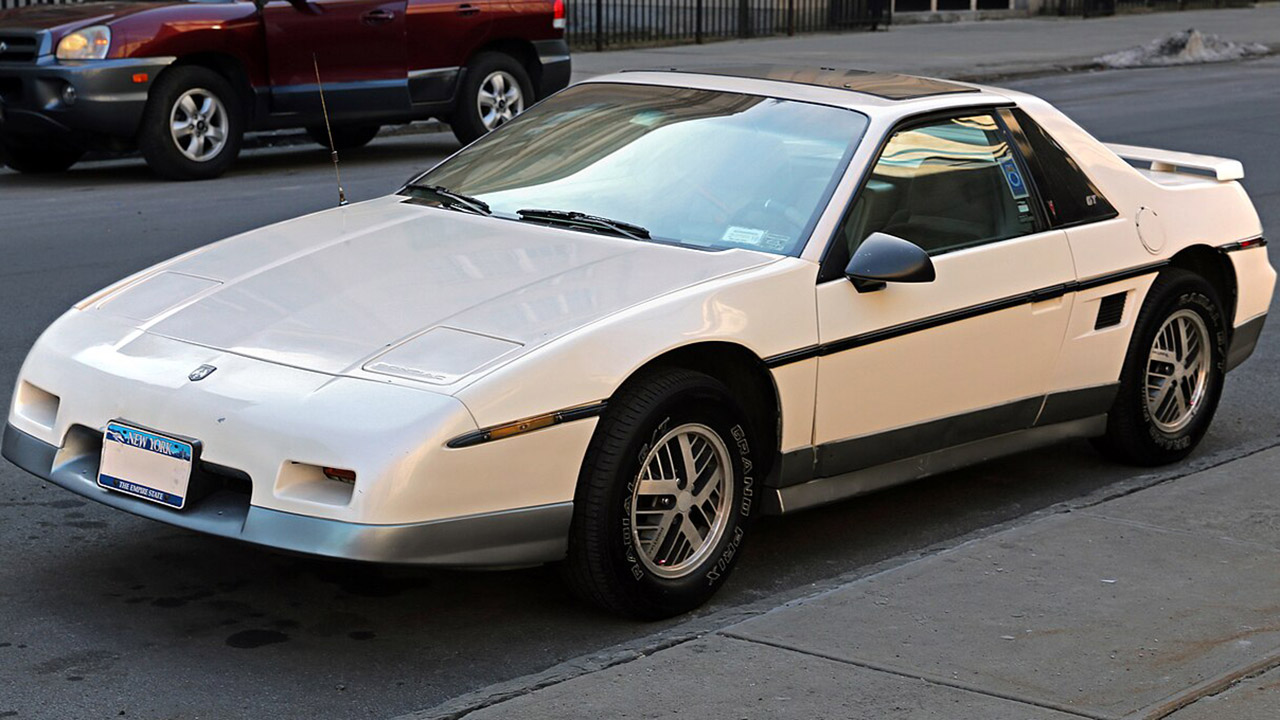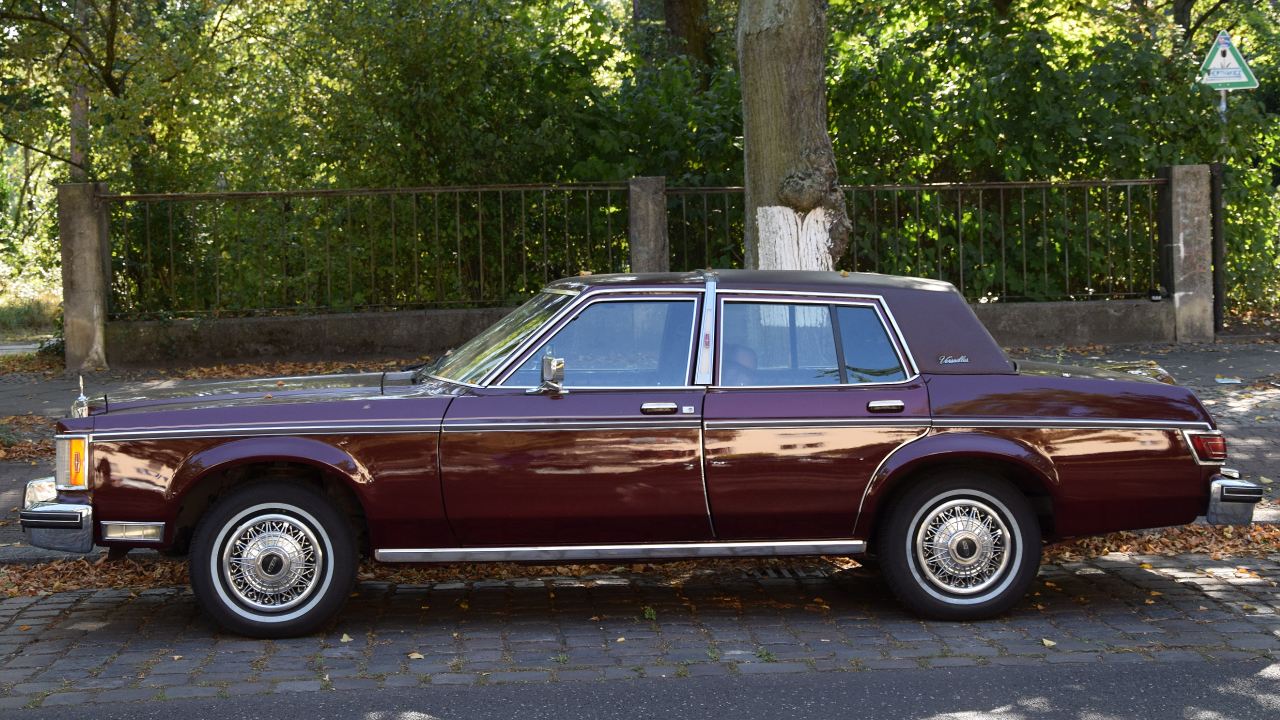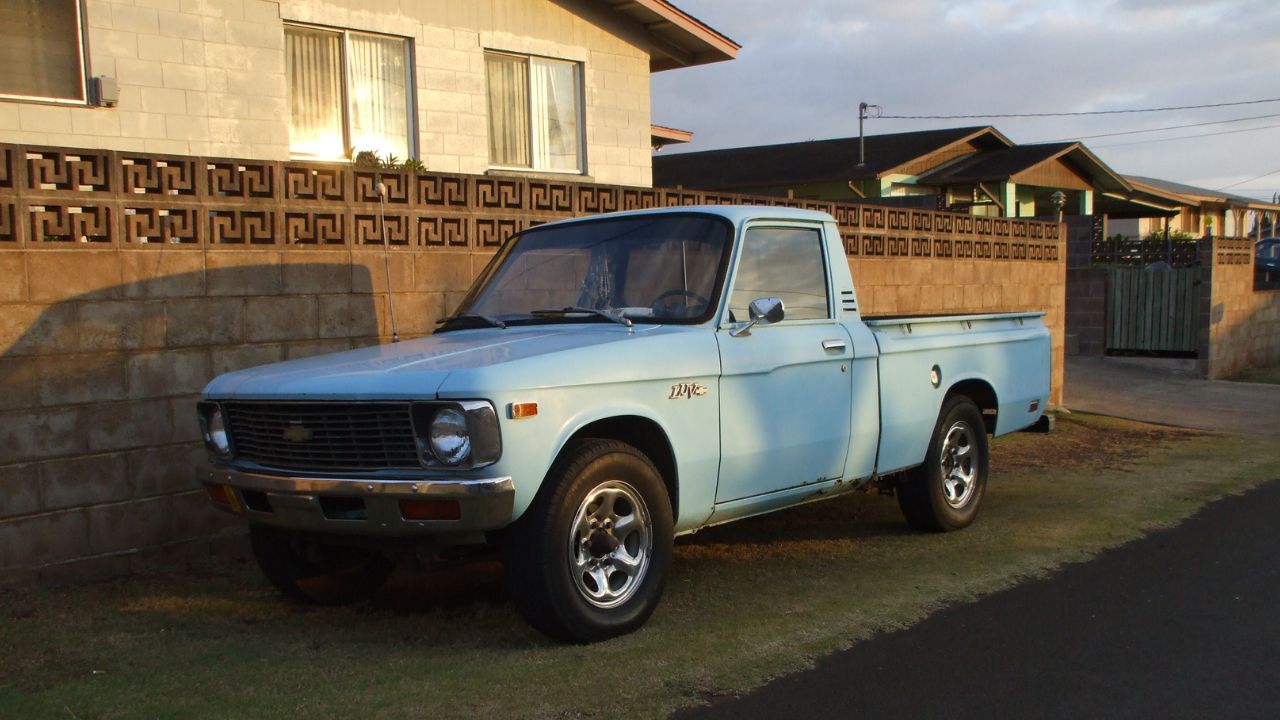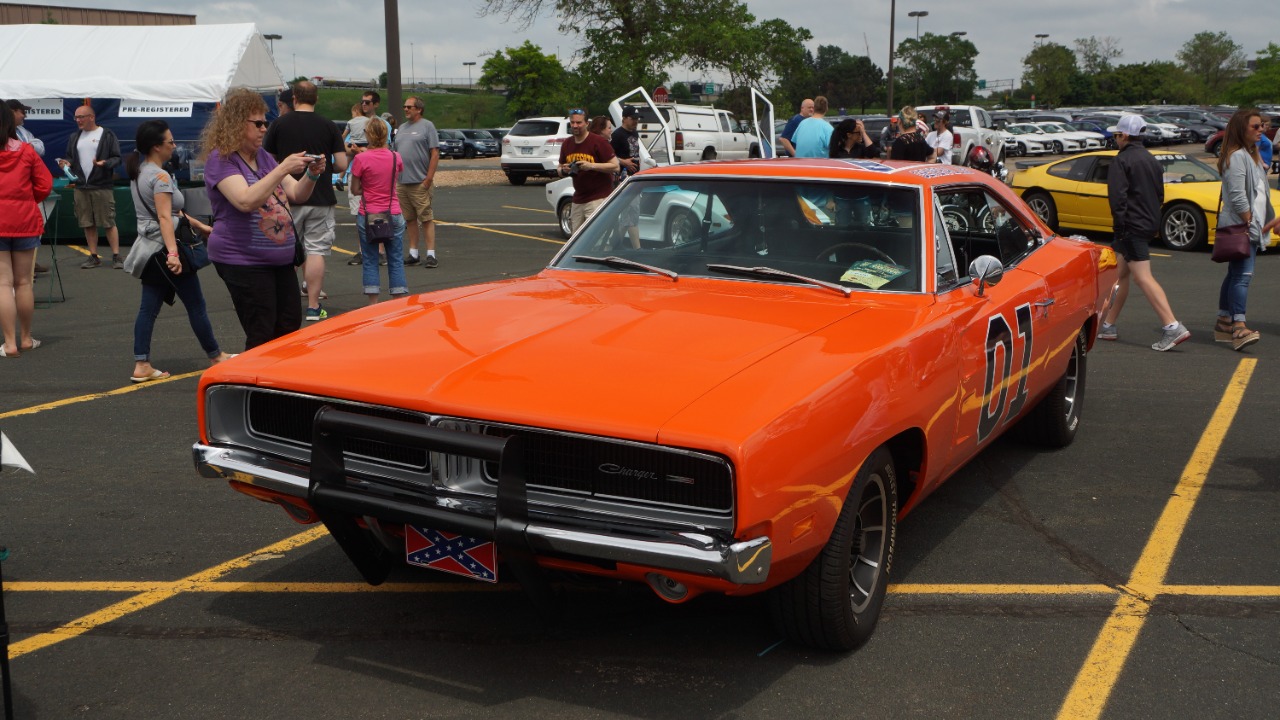
Some of the most coveted classics on today’s auction blocks were commercial disappointments when new, dismissed as oddities, misfires, or simply out of step with their era. Time, shifting tastes, and a thriving enthusiast culture have turned these once‑unwanted machines into cult fixtures, prized less for showroom success than for character and engineering ambition.
Looking at how these cars went from sales flops to enthusiast darlings reveals a pattern: bold design, unconventional technology, or niche positioning that confused mainstream buyers but later resonated with collectors who value distinctiveness over mass appeal.
When radical design scared buyers but thrilled future collectors
Automakers that push styling too far ahead of public taste often pay the price in the showroom, only to see those same shapes celebrated decades later. I see that dynamic clearly in cars whose silhouettes were once mocked but now anchor museum exhibits and high‑end auctions, where rarity and visual drama matter more than period sales charts. The very features that made these models hard to sell when new, from polarizing proportions to futuristic details, now read as bold statements of design intent rather than miscalculations.
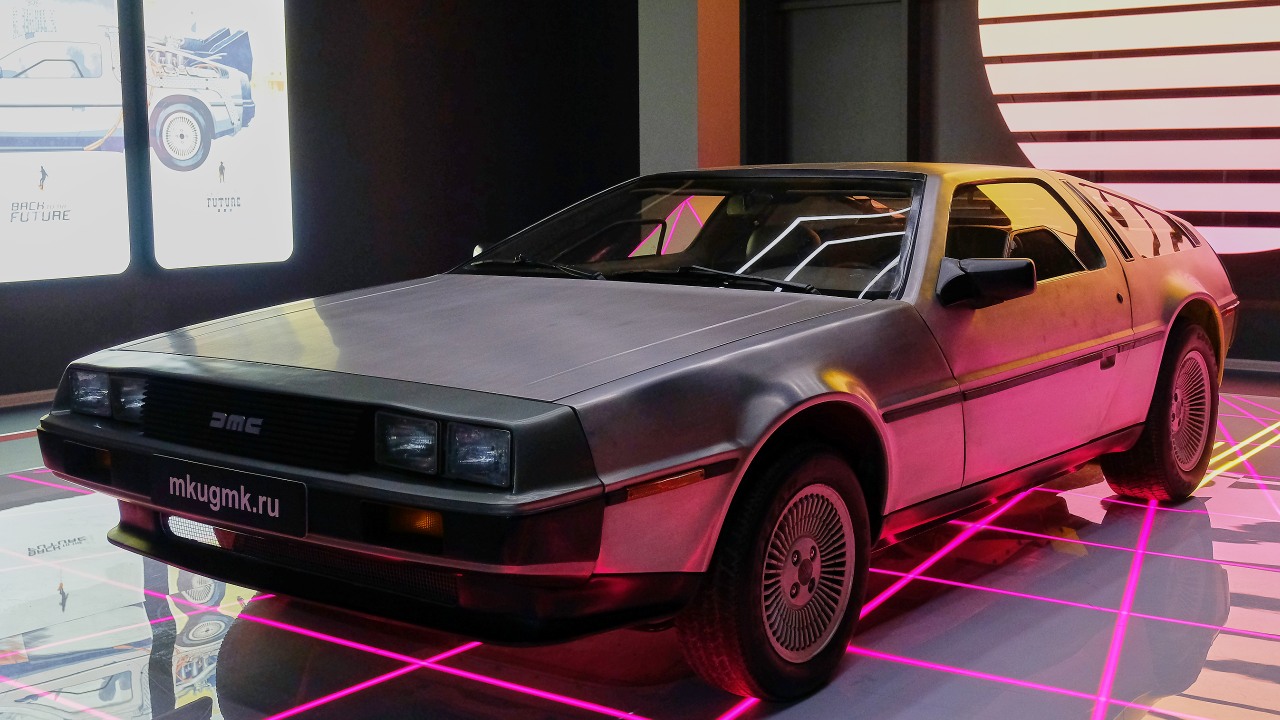
Few examples illustrate this better than the original DeLorean DMC‑12, which combined stainless‑steel bodywork and gullwing doors with modest performance and quality issues that limited its commercial impact. Contemporary buyers expecting supercar speed were underwhelmed, and the company’s collapse locked in the perception of the DMC‑12 as a failed experiment. Yet the same brushed metal panels and dramatic doors that once seemed like gimmicks now define its cult status, amplified by pop‑culture exposure and a limited production run that keeps supply tight. A similar arc played out for the BMW 8 Series (E31), whose sleek pillarless profile and hidden technology were expensive to build and slow to sell in period, but which now draws enthusiasts who value its clean lines and grand‑touring presence more than its original price‑to‑performance equation.
Engineering experiments that baffled the market
Some of the most interesting cult classics were born from engineering departments that treated production cars like rolling laboratories. I find that when manufacturers introduce unconventional layouts or materials without a clear value story for everyday buyers, the result is often confusion at the dealership and weak demand. Over time, however, those same experiments become case studies in innovation, attracting enthusiasts who appreciate the technical audacity even if the market did not.
The Citroën DS is a textbook case: its hydropneumatic suspension, power‑assisted controls, and aerodynamic bodywork were far ahead of mainstream expectations, which limited its appeal in markets that prioritized familiarity and simple maintenance. Period buyers worried about complexity and repair costs, yet modern collectors celebrate the DS for its ride quality and engineering sophistication, treating its quirks as part of the charm rather than deal‑breakers. A similar story surrounds the NSU Ro 80, whose rotary engine and advanced aerodynamics delivered a smooth, high‑revving experience but also reliability concerns that scared off customers. Today, the Ro 80’s technical risks and distinctive profile are exactly what draw in enthusiasts who see it as a pivotal, if commercially troubled, step in automotive development.
Misjudged market timing that later looked visionary

Timing can make or break a new model, and I often see cars that arrived just a few years too early or too late for the trends they anticipated. When a vehicle launches into a market that is not yet ready for its format or price point, sales can stall even if the underlying concept is sound. Decades later, once the broader industry has moved in the same direction, those early adopters are reinterpreted as visionaries rather than misfires.
The original BMW M1 is a prime example of a car that struggled to find buyers despite its credentials, in part because the supercar market was still forming and BMW’s brand image was more closely tied to sedans than mid‑engine exotics. Limited production and a complicated motorsport program kept volumes low, which hurt short‑term impact but later enhanced its mystique among collectors who now see it as the foundation of BMW’s M performance identity. The first‑generation Honda Insight followed a similar pattern in a different segment, arriving as a lightweight hybrid two‑seater before fuel prices and environmental concerns pushed hybrids into the mainstream. Its cramped packaging and unconventional styling limited early adoption, yet modern enthusiasts value it as a pioneering efficiency car that previewed the hybrid era long before it became a default choice.
Quirky packaging that confused shoppers but delighted enthusiasts
Packaging experiments often look clever on paper but can be hard to explain on a showroom floor, especially when they blur categories or sacrifice practicality for personality. I have noticed that cars which mix coupe, wagon, and utility cues tend to struggle with buyers who want clear use cases, even if those same traits later make them stand out in a crowded classic‑car landscape. Once the pressure to justify a monthly payment fades, enthusiasts are free to enjoy the oddball proportions and clever details that once puzzled mainstream shoppers.
The AMC Eagle illustrates this tension, combining passenger‑car comfort with raised ride height and four‑wheel drive at a time when crossovers were not yet a recognized category. Buyers who wanted a traditional sedan or a rugged truck often overlooked it, leaving sales modest despite its practical capabilities. Today, the Eagle’s blend of wagon bodywork and off‑road hardware looks prescient, and its scarcity has helped it gain a devoted following among fans of early all‑terrain family cars. The Subaru BRAT followed a similar path, with rear‑facing jump seats and a compact pickup bed that confused some buyers but now read as playful touches in a market that has embraced lifestyle‑oriented utility vehicles.
Performance icons that only later found their audience
Not every future cult favorite was an obvious misfit; some were performance standouts that simply failed to resonate with the broader buying public at the time. I often see high‑spec variants that were priced above what their badge could comfortably command, or that delivered capabilities far beyond what typical owners would use, leading to slow sales despite critical praise. As these models age, their limited production and focused engineering turn into selling points, especially for enthusiasts who want a purer driving experience than modern cars often provide.
The Mazda RX‑7 FD is a clear case: its twin‑turbo rotary engine and lightweight chassis delivered exceptional performance, but concerns about engine longevity and fuel economy kept many buyers in more conventional sports cars. Over time, the FD’s responsive handling and distinctive powertrain have made it a favorite among drivers who value feel and character over simplicity, and its relatively low production numbers have supported rising values. The Ford SVT Lightning shows a similar pattern in the truck world, where a supercharged performance pickup initially appealed to a narrow slice of buyers but has since become a sought‑after symbol of an era when manufacturers were willing to build niche, enthusiast‑focused variants even if they never topped sales charts.