Canada has moved from a defensive crouch on Asian trade to an aggressive courtship, first reopening its market to Chinese electric vehicles and now pressing South Korea to deepen industrial ties. After years of warning about foreign competition, Ottawa is suddenly promising access, subsidies, and political capital in exchange for factories, jobs, and technology. The pivot is clearest in autos and advanced manufacturing, where Canada has already let China in and is now urging Korean companies to follow.
The strategy reflects a hard calculation: without large Asian manufacturers, Canada risks being a spectator in the next generation of cars, batteries, and even submarines. That calculation is reshaping trade policy, procurement decisions, and the country’s diplomatic calendar, as officials race to turn memoranda and missions into steel, silicon, and ship hulls on Canadian soil.
From tariff wall to China Trade Deal
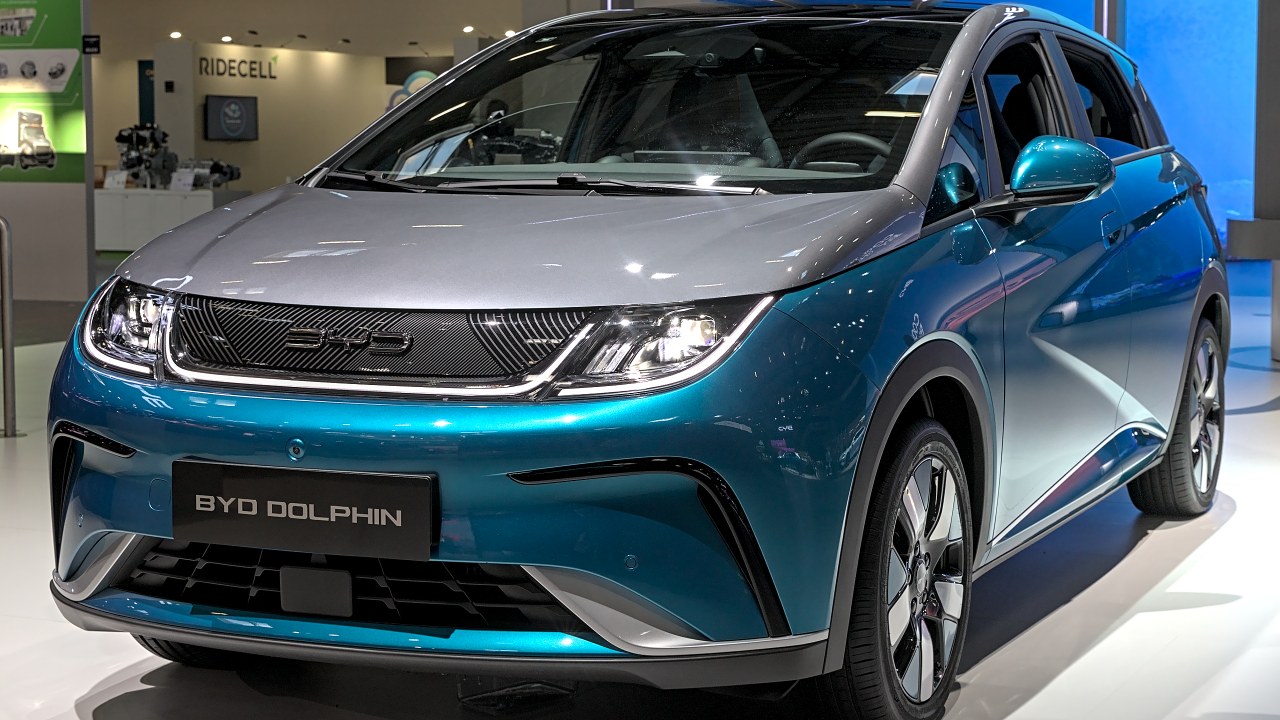
For years, Canada tried to wall off its auto market from a surge of Chinese electric vehicles, imposing a tariff of 100% on Chinese electric cars to blunt their price advantage. That stance has now been reversed in a landmark arrangement in which Canada agreed to cut the 100% tariff in return for lower barriers on Canadian farm exports into China. According to the agreement, Chinese electric vehicles will gain far easier access to Canadian consumers, while Canadian producers of canola and other agricultural goods are promised improved entry into the Chinese market.
The shift is codified in a Canada and China Trade Deal that officials describe as a Critical Shift in Sourcing for manufacturers and retailers. A federal Backgrounder on a Preliminary Agreement-In-Principle to Address Economic and Trade Issues between Canada and the People’s Republic of China frames the deal as part of a broader Trade Diversification strategy, with Ottawa expecting that Canadian canola and other farm products will benefit from reduced Chinese tariffs. Industry analysis of the Canada, China Trade Deal underscores that the arrangement is designed to rewire supply chains, encouraging Canadian companies to integrate Chinese components and finished vehicles into their sourcing strategies over the next three fiscal years.
Why Ottawa now needs Korea as a counterweight
Opening the door to Chinese electric vehicles has created both opportunity and vulnerability for Canada, particularly in the auto sector. Cheaper Chinese models threaten to undercut North American manufacturers that still dominate Canadian sales, while the promise of better access for Canadian farmers does little to reassure autoworkers in Ontario and Quebec. To avoid becoming overly dependent on a single Asian supplier and to preserve leverage in future negotiations, Ottawa is now actively seeking a second anchor partner in the region, and South Korea is the obvious candidate.
Canada and South Korea already maintain a strong and diversified trade relationship anchored by the Canada, Korea Free Trade Agreement, which has made Korea Canada’s seventh largest trading partner. That agreement has laid the groundwork for deeper industrial collaboration in sectors such as electric vehicles, batteries, and clean technologies. By courting Korean manufacturers, Canada hopes to balance the growing presence of Chinese electric vehicles with investment from Korean brands that have long experience building cars and components for Western markets, thereby reducing the risk that the China Trade Deal becomes a one way street.
Auto manufacturing, submarines, and the Korean bargaining chip
The most visible front in Canada’s outreach to Korea is autos, where the two governments have pledged to deepen manufacturing ties. The Canadian and South Korean authorities have promised to look at bringing Korean auto manufacturing to Canada as part of a broader effort to strengthen industrial cooperation. That commitment dovetails with a separate auto agreement in which Canada has moved to ease tariffs on Korean vehicles, including models produced by Kia Motors that are exported from facilities such as the company’s shipping yard in Pyeongtaek, South Korea, where rows of cars are prepared for overseas markets.
Ottawa is also using defense procurement as leverage to secure Korean industrial investment. Reporting by Brad Anderson describes how Hyundai is bidding to build 12 submarines for Canada, a contract that would shape the Royal Canadian Navy’s capabilities for decades. Canadian officials are considering linking any submarine deal to commitments for local Korean car production, as well as investments in vehicle components and battery technologies on Canadian soil. In effect, Canada is signaling that access to its defense budget and its consumer market will increasingly be tied to whether partners like Hyundai and other Korean firms are willing to put factories and research facilities inside Canada’s borders.
Team Canada heads to Seoul
Diplomacy is being deployed to turn these industrial ambitions into concrete projects. Ottawa has organized a Team Canada Trade Mission to the Republic of Korea, with Event details setting the Dates from Monday, March 30 to Thursday, April 2, 2026. The Location is Seoul, South Korea, and the mission is explicitly targeted at sectors such as electric vehicles, clean technologies, advanced manufacturing, and life sciences. Canadian officials are encouraging early application by companies that want to be part of the trade mission program, signaling that they see Korea as a priority market for outbound commercial diplomacy.
The mission is designed to showcase Canadian capabilities while courting Korean capital and technology. By bringing a cross section of Canadian firms to Seoul, Ottawa aims to match them with Korean partners that can help scale production, integrate into Asian supply chains, or establish joint ventures in Canada. The timing, coming shortly after the Canada, China Trade Deal and the Preliminary Agreement to Address Economic and Trade Issues with China, underscores that Canada is not content to rely on one major Asian partner. Instead, it is using the Team Canada visit to Seoul to advertise that Korean investors can secure preferential access to a market that has just been opened wider to Chinese competitors.
A high stakes bet on industrial policy
Canada’s twin moves toward China and Korea amount to a high stakes bet that trade deals and targeted procurement can rebuild its manufacturing base. By cutting the 100% tariff on Chinese electric cars in exchange for agricultural concessions, Ottawa has accepted greater competition at home in order to win better terms for Canadian farmers abroad. By simultaneously leaning on the Canada, Korea Free Trade Agreement, courting Hyundai’s submarine bid, and organizing a Team Canada mission to Seoul, it is trying to ensure that Korean investment offsets any loss of bargaining power vis a vis China.
The risk is that Canada ends up with more imports than factories, particularly if Chinese and Korean firms treat the country primarily as a sales destination rather than a production hub. Advocates of the new approach argue that the Critical Shift in Sourcing described in the Canada, China Trade Deal can be harnessed to attract logistics, warehousing, and component manufacturing, while the pledge by The Canadian and South Korean governments to explore Korean auto manufacturing in Canada suggests that at least some partners are willing to localize production. Whether those promises translate into long term jobs and technological capacity will determine if Canada’s decision to let China in and then urge Korea to come too is remembered as a bold reindustrialization strategy or a miscalculated opening of its doors.
More from Fast Lane Only