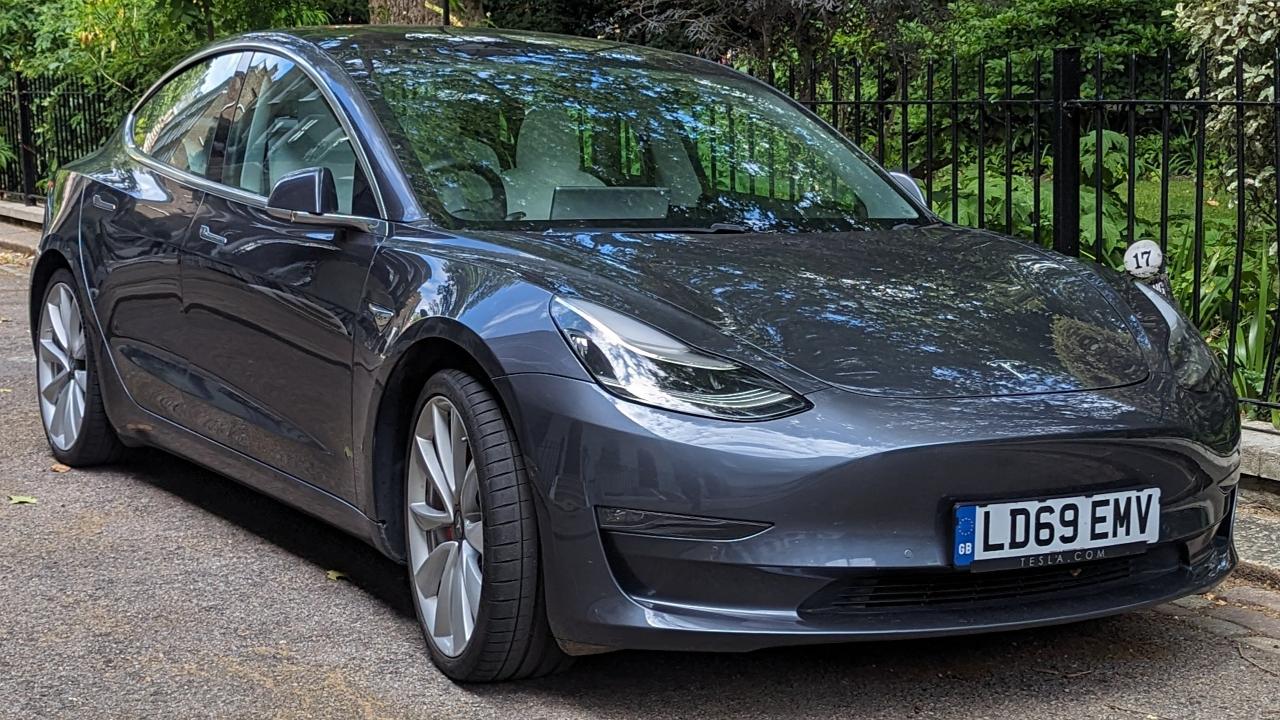
Early Tesla buyers were promised cars that would feel almost maintenance free, with batteries that barely fade and software that keeps improving in the background. As more of those vehicles cross the four to eight year mark, a different picture is emerging, one where subtle battery loss, fast wearing tires, and aging hardware and software leave some owners facing costs and compromises they did not anticipate. The cars are not falling apart, but the gap between expectation and reality is becoming a story of its own.
Battery degradation is modest, but expectations were sky high
Range anxiety was supposed to fade as real world data showed Tesla packs holding up better than many skeptics predicted. Owners of early Model 3 sedans, for example, report that after about five years their cars have lost roughly 5 to 7 percent of usable range, a level of degradation that would be unremarkable in a traditional lithium ion device but feels more personal when it trims highway legs on a daily driver. One driver with a 5 year old Model 3 described that modest loss alongside routine costs like a tire change at around 25,000 miles for $1000 and a single visit to a Service Center, a reminder that even relatively gentle battery aging sits inside a broader ownership picture that includes other wear items.
At higher mileages, some data sets suggest that Tesla packs continue to degrade slowly rather than falling off a cliff, with one analysis of long term use arguing that Teslas show relatively little battery loss even after extensive driving. In that discussion, a commenter in the Comments Section remarked, “Either the aging effects are less severe than that or I’m lucky, because I…,” capturing the sense that many owners still feel pleasantly surprised by how their packs behave over time. Yet guidance aimed at used buyers now openly notes that the batteries in used Teslas can wear out over time, decreasing the vehicle’s range and raising questions about how much life is left in a pack before a costly replacement, a shift from the early narrative that degradation would be almost negligible for the life of the car.
Tires, suspension and other hardware are wearing faster than some owners hoped
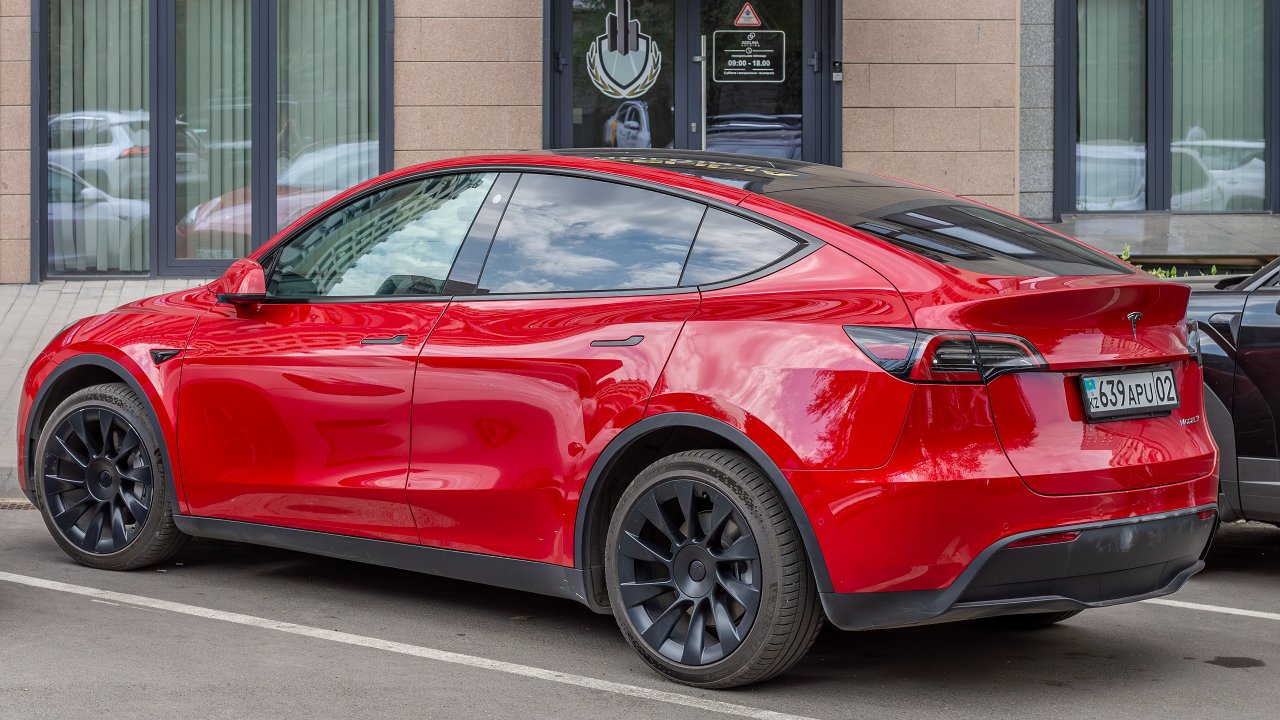
While the battery pack often grabs headlines, the most visible wear on aging Teslas is happening where rubber meets the road. High performance electric cars deliver Instant Torque This feature enables breathtaking acceleration, a hallmark of Tesla vehicles. However, the instant surge of power that makes a Model 3 Performance or Model Y feel so quick also scrubs tread off the tires at a brisk pace, leading to accelerated wear as a result. Owners in high mileage groups describe tire wear and tear as a common issue that all high performance EVs face, not just Teslas, but the combination of heavy curb weight and strong acceleration means those replacement intervals can still come as an unwelcome surprise to drivers used to stretching a set of tires much longer on a gasoline sedan.
Suspension and steering components are also starting to show their age on cars that once felt almost appliance like. One owner reflecting on a 4 to 5 year old Tesla Model 3 noted that in hindsight it was very early for the suspension to be worn after 5 years and 60kkm, especially compared to a previous Merc E that seemed to shrug off similar mileage. Another driver of a Model Y reported having the Steering wheel replaced due to material finish failing, Front shocks squeaking and fixed, and the Entire rear hatch area addressed, a cluster of issues that undercuts the perception that these cars are immune to the kind of wear that has long dogged premium German brands. Advice aimed at Tesla drivers now lists common problems that include suspension noises, charge port or charger faults, and other hardware quirks, with the message that Teslas are solid cars and keeping ahead of any issues will only improve your experience, a subtle but important recalibration of expectations.
Software and tech features are aging in ways owners did not anticipate
Beyond physical components, the digital heart of older Teslas is creating a new kind of aging curve that traditional cars never had to confront. One Tesla driver, after four years of ownership, described a startling discovery that a key feature felt “absolutely obsolete,” adding that “It would just be nice if this one worked as advertised.” That sense of disappointment does not come from a broken engine or rusting bodywork, but from software and hardware that no longer match the pace of new releases, whether in driver assistance, infotainment responsiveness, or connectivity. Owners who bought into the idea that their car would keep getting better over time are now grappling with the reality that some features plateau or even fall behind newer models.
In online discussions about driver assistance and automation, some Tesla owners warn that all Tesla owners will eventually get that left behind feeling as newer hardware and software stacks roll out. In one Comments Section, a user argued that the key question is whether the car is better than the day you bought it, with the implication that even if updates add capabilities, the relative gap to the latest vehicles can still sting. Broader research on vehicle longevity suggests that Another reason why the average age of cars and trucks may begin to decline is their reliance on electronic or technological systems that can become inoperable or eliminate access to key systems when they fail or are no longer supported. For a brand that leans heavily on over the air updates and proprietary software, that trend raises hard questions about how long a Tesla will feel fully modern, even if the battery and motor remain mechanically sound.
Used buyers are learning that “EV simple” does not mean “problem free”
The maturing used market is where these aging patterns collide most sharply with consumer expectations. Shoppers drawn to a pre owned Model 3 or Model Y often assume that the absence of oil changes and timing belts translates into a nearly maintenance free experience, but guidance aimed at used buyers now spells out a more nuanced reality. Analysts note that the batteries in used Teslas can wear out over time, decreasing the vehicle’s range and potentially affecting resale value, and they also flag issues like worn tires, suspension components, and charge port or charger faults as items to check carefully before purchase. The message is not that used Teslas are unreliable, but that they are still cars, with all the complexity that implies.
Owner anecdotes reinforce that point with specific, sometimes costly examples. The driver of the 5 year old Model 3 who reported 5 to 7 percent battery range degradation also listed a tire change at about 25,000 miles for $1000 and a single Service Center visit, costs that might be manageable but can catch a buyer off guard if they assume electric means cheap to run in every respect. High mileage groups emphasize that tire wear and tear is a common issue that all high performance EVs face, not just Teslas, and that while brake pads may last much longer thanks to regenerative braking, other consumables do not get the same benefit. Insurance and repair platforms that track claims for Teslas now highlight recurring themes like panel alignment, interior trim wear, and charging hardware quirks, and while they still describe Teslas as solid cars, they stress that staying ahead of issues is key to a smooth ownership experience.
What aging Teslas reveal about the future of car longevity
As these stories accumulate, they point to a broader shift in how I think about vehicle aging in the electric era. Traditional measures of longevity, such as engine compression or rust on the frame, are giving way to a more layered picture that includes battery health, software support, and the durability of high stress components like tires and suspension on heavy, powerful EVs. Research on vehicle fleets suggests that Another reason why the average age of cars and trucks may begin to decline is their reliance on electronic or technological systems that can become inoperable or eliminate access to key systems when they fail, a trend that maps neatly onto concerns about older Teslas losing access to certain features or facing expensive electronic repairs even as their motors and packs remain fundamentally sound.
For Tesla owners and shoppers, the lesson is not to panic, but to recalibrate. Battery degradation in many cases remains modest, with some long term data and owner comments indicating that Teslas show relatively little battery loss even after high mileage, and that Either the aging effects are less severe than feared or some drivers are simply lucky. At the same time, the lived experience of worn suspension at 60kkm compared to a Merc E, steering wheel finishes that need replacement, and tech features that feel obsolete after four years shows that the brand’s early promise of a car that only gets better has limits. As more Teslas move into their second decade, the real test will be whether software support, parts availability, and realistic owner expectations can keep these cars feeling viable long after the initial sheen has worn off, or whether the combination of electronic complexity and rapid tech turnover shortens their practical lifespan in ways that early adopters did not see coming.
More from Fast Lane Only: