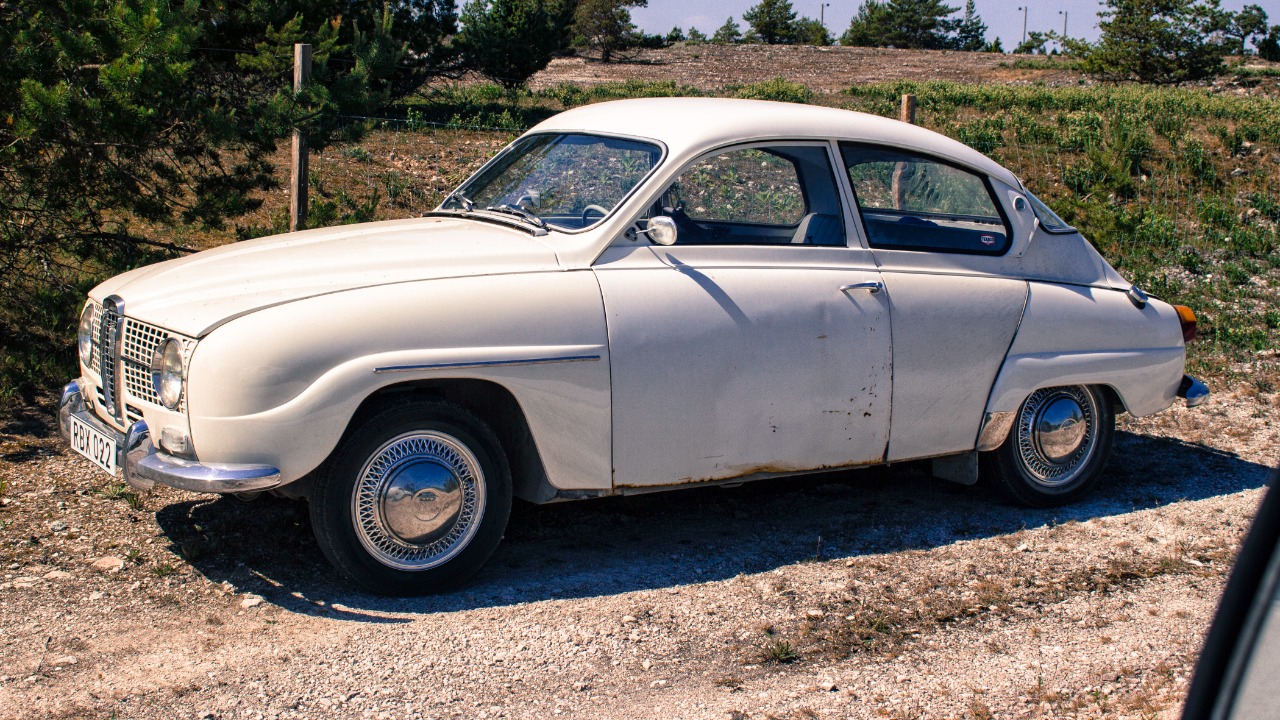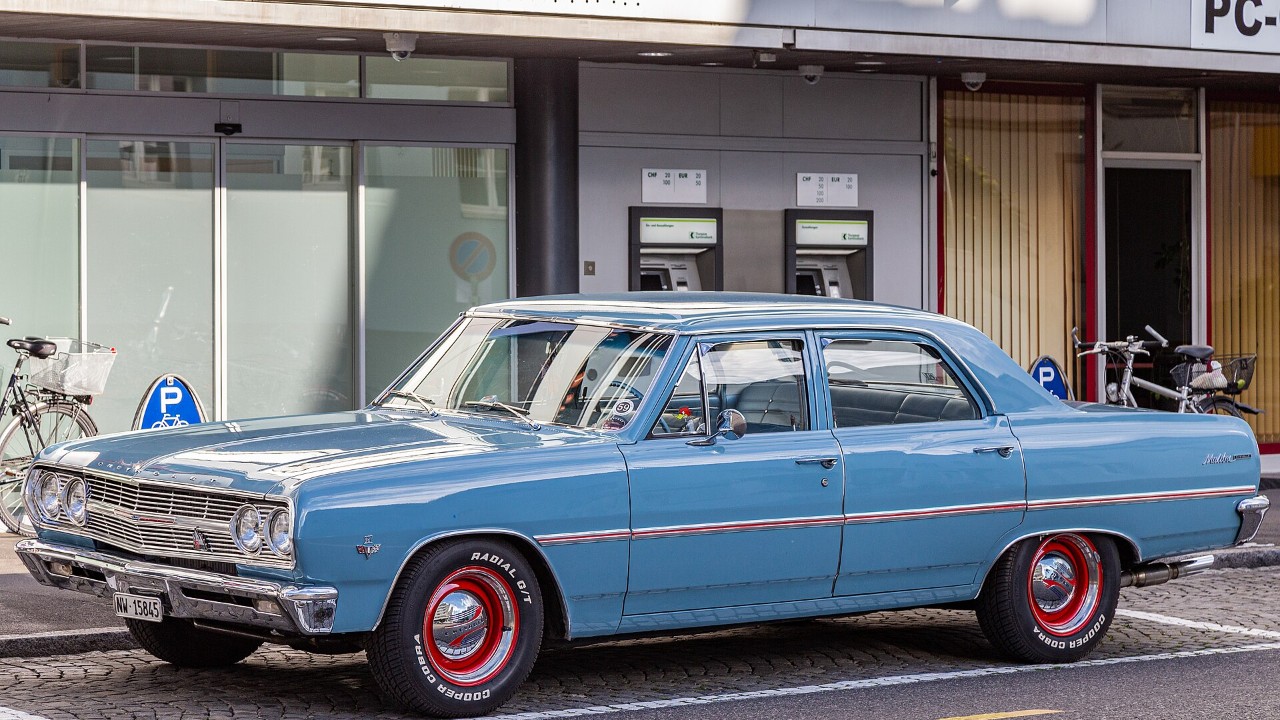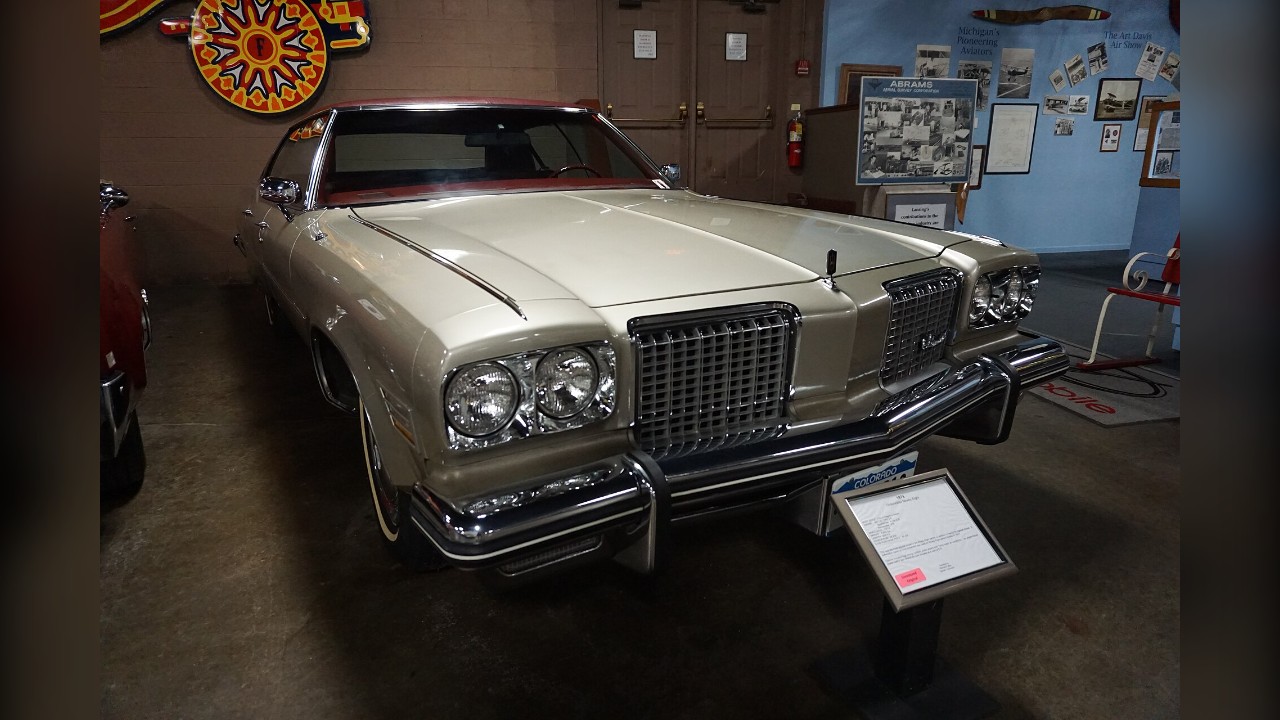
General Motors sold airbags to the public in the mid-1970s. Its Air Cushion Restraint System, or ACRS, was an option on big 1974 Cadillacs, Oldsmobiles and Buicks. However, only about 10,000 buyers ever ticked the box.
That small number hides a big idea. GM built a dual-airbag system with sensors, a two-stage passenger bag and a warning lamp. It did all of this in the age of carburetors and bench seats.
Then, after three model years, the option disappeared. Here is how it worked, which cars got it and why it faded away.
How GM tested the Air Cushion Restraint System
GM started with a fleet test before selling a single option. According to Curbside Classic’s detailed history of ACRS, the company fitted 1,000 green 1973 Chevrolet Impala sedans with the hardware. GM kept about half for its own fleet. It leased the rest to selected fleet operators.
Those Impalas carried Oldsmobile dashboards with dual airbags. In other words, the test cars borrowed parts from the division that would later sell the most ACRS cars.
Production of the retail option began on November 29, 1973, Curbside Classic says. That late start mattered, because the 1974 model year was already under way.
Which 1974 cars could get airbags
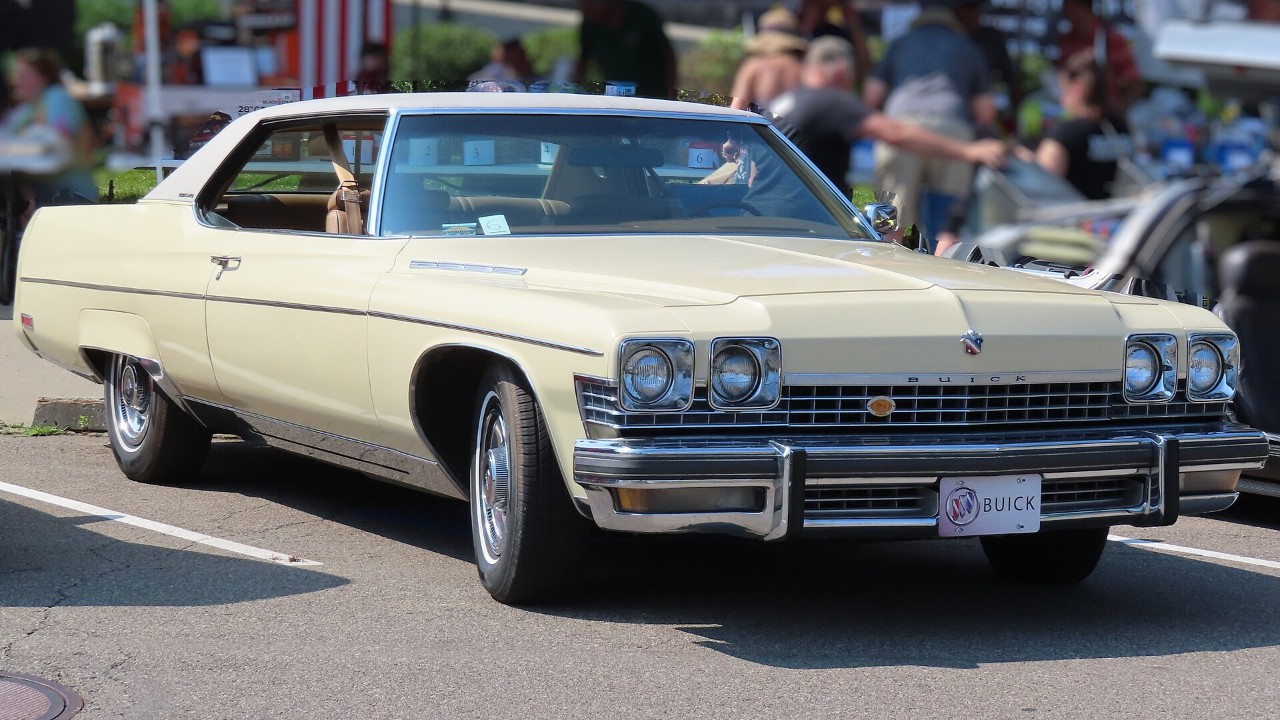
GM coded the option RPO AR3 and kept it to its biggest cars. At Oldsmobile, buyers could order it on the Delta 88, Ninety-Eight and Toronado. Buick offered it on the LeSabre, Electra 225 and Riviera.
Cadillac had the widest list. The Calais, De Ville, Fleetwood Brougham and Eldorado coupe all qualified. Still, there were gaps: no wagons, no convertibles, no limousines, and no Pontiac or production Chevrolet at all.
The price also climbed each year. Curbside Classic lists a suggested retail price of $225 in 1974, $300 in 1975 and $315 in 1976. Even so, GM said in March 1975 that it lost about $250 on every car at those prices.
How the system worked
ACRS used two sensors. A bumper impact sensor sat in the nose, and a G-sensor sat in the plenum behind the firewall. Together they worked through three inertia switches.
The passenger side was the clever part. In a crash above about 11 mph, the driver bag fully inflated and the passenger bags partly filled. Above about 18 mph, a second gas generator fired and filled the passenger bags completely.
The passenger unit also had two cushions. A smaller bag protected the knees, while a larger one covered both the right-front and center-front seats. On the driver’s side, GM used an energy-absorbing steering column and a padded knee brace instead.
You could spot an ACRS car from the driver’s seat. It had a four-spoke steering wheel with a horn button on each spoke. A self-checking “AIR CUSHION” lamp also stayed lit if the system found a fault.
There were trade-offs, though. These cars came with front lap belts but no shoulder belts. Moreover, buyers could not combine ACRS with a tilt or tilt-telescope steering column.
Why only about 10,000 cars got them
GM had planned for far more. Jalopnik reports that the company expected to sell 100,000 cars with the system. Instead, only about 10,000 left the factories with airbags.
Curbside Classic’s figures tell the same story in more detail. GM built 5,518 ACRS cars for 1974 and 4,725 more across 1975 and 1976. That adds up to 10,243, the same total a November 1976 Wall Street Journal item reported. Oldsmobile sold the most, with 5,483, while Buick sold 2,453 and Cadillac 2,307.
Several things worked against the option. Dealers lacked information, buyers knew little about it and there were no sales incentives. Also, Ed Cole, the GM executive who had championed the system, retired on October 1, 1974.
Within six months of his retirement, Curbside Classic says, GM announced that there would be no airbags for 1977 or 1978. By 1976, buyers had to special-order an ACRS car and could wait up to three months for it.
What came after the Air Cushion Restraint System
GM officially blamed slow sales and a lack of buyer interest when it dropped the option after 1976. Yet the idea did not die at once. A January 1977 agreement called for up to 300,000 more ACRS cars in the 1980 and 1981 model years.
That plan never reached showrooms. GM canceled the program in April 1981, Curbside Classic says.
Meanwhile, the company kept studying the cars it had built. GM recorded 216 accidents involving ACRS cars through December 1980, according to Curbside Classic, and most of them were fairly minor. Those cars remain a footnote with a big legacy, and their final tally stands at 10,243 retail airbag cars across three model years.
More from Fast Lane Only