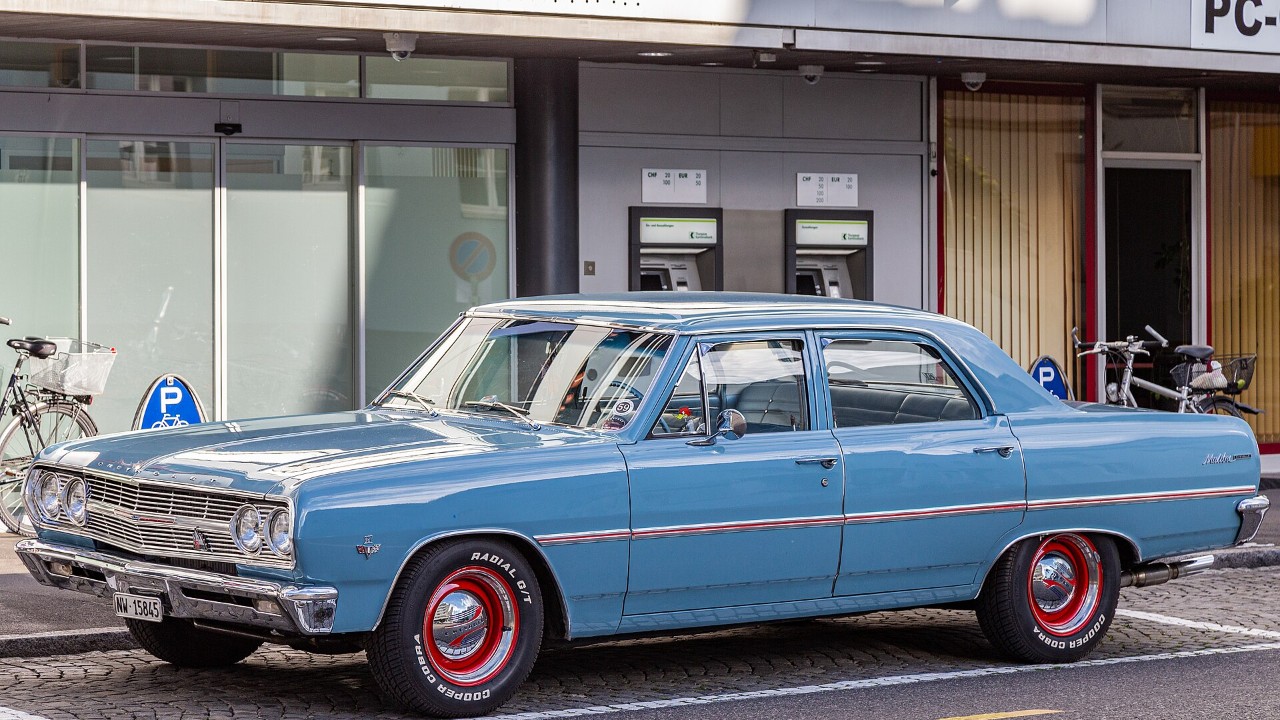
Chevrolet sold 1.6 million first-generation Chevelles, and the nameplate ran from the 1964 to the 1977 model years. Most people picture an SS coupe with a big-block. Yet the cars that filled driveways were often a Chevelle Malibu sedan, a wagon or a plain 300 with a six.
Those family cars matter, and we’re glad people saved them. However, in our view a full restoration costs about the same whether the car is a rare SS or a base four-door. When the finished car is worth far less, the math can turn against you very quickly.
These are our picks for the Chevelles we’d think twice about restoring from the ground up. The verdict is our opinion, and it is no knock on the cars or their owners. Every fact behind it, from engines to values, comes from period specs and current market guides, and each entry ends with what we’d do instead.
1. 1964 Chevrolet Chevelle 300 sedan
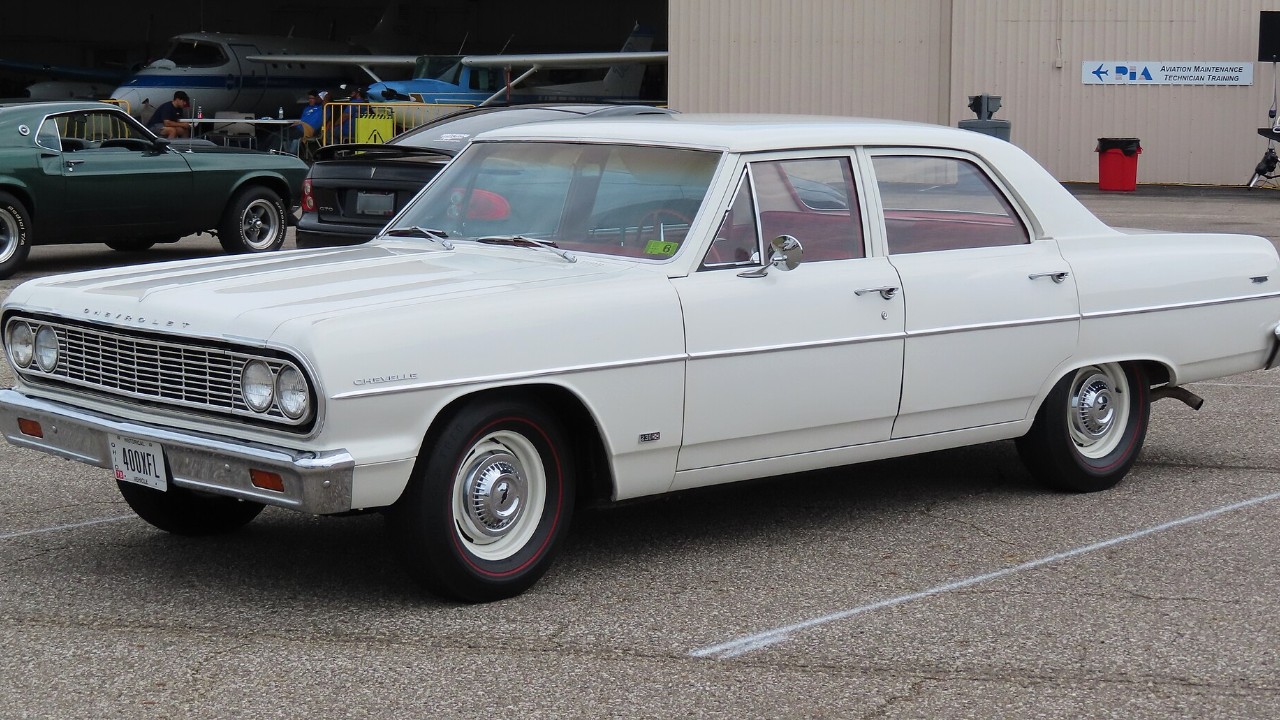
The 300 was the entry point when the Chevelle arrived for 1964. It sat below the Malibu and Malibu SS, and it came with very little trim. In 1964, the 194-cubic-inch six made 120 horsepower, and the 230-cubic-inch six made 155.
The problem is value. Hagerty’s 1964–67 Chevelle buyer’s guide puts six-cylinder sedans just above $10,000 in excellent condition. By contrast, V8 coupes and convertibles can bring two or three times that money. Meanwhile, the same guide warns about rust in the passenger floor, the rear window corners and the door bottoms. It also notes that a 1964 VIN carries 11 digits plus a letter, which helps when you check the paperwork.
Our take: we’d pass on a full restoration of a 300 sedan. Fixing floors, glass corners and doors costs as much on this car as on an SS. Yet the finished sedan is worth a fraction of one. We still love the plain look, though. Buyer advice: buy a 300 sedan that someone else has already restored, or keep a solid one as a driver and fix only what it needs.
2. 1966 Chevrolet Chevelle Malibu hardtop sedan
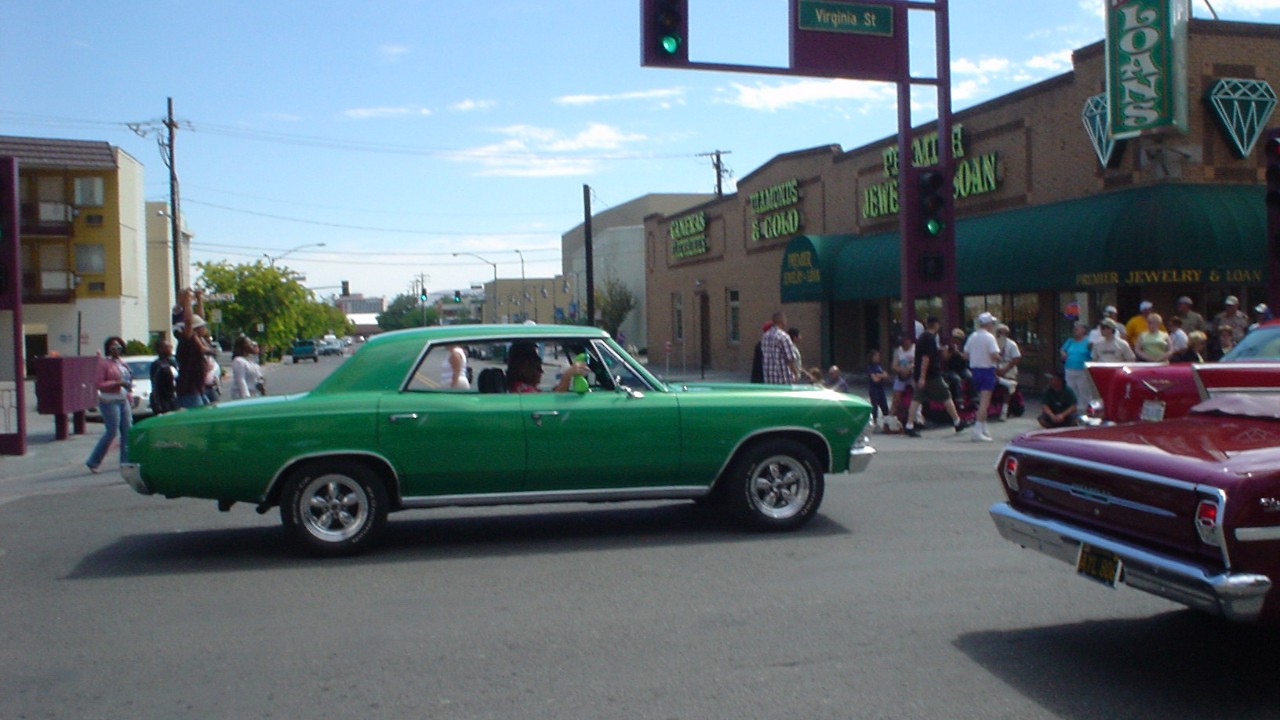
For 1966, Chevrolet added a four-door hardtop Sport Sedan to the Malibu series. It had no fixed center pillar, so the side glass opened wide like a coupe’s. Chevrolet kept the body style through 1972, and then dropped it when the Colonnade cars arrived.
That pillarless design is the charm and the catch. In our view, a hardtop sedan has more glass, seals and trim to sort out than a pillared four-door. Still, buyers tend to judge it as a sedan, and Hagerty’s guide ranks sedans well below V8 coupes and convertibles. As a result, the extra work rarely shows up in the price.
In our view, the Malibu Sport Sedan is a lovely car to drive, but a poor candidate for a frame-off job. Also, Hagerty notes that leaking heater cores rotted the passenger floorboards on these early cars. For a look at the coupes collectors chase instead, see 9 Chevelles that still feel surprisingly modern. Buyer advice: check the passenger floor and window seals first, and pay extra for a car that needs neither.
3. 1970 Chevrolet Chevelle Malibu sedan
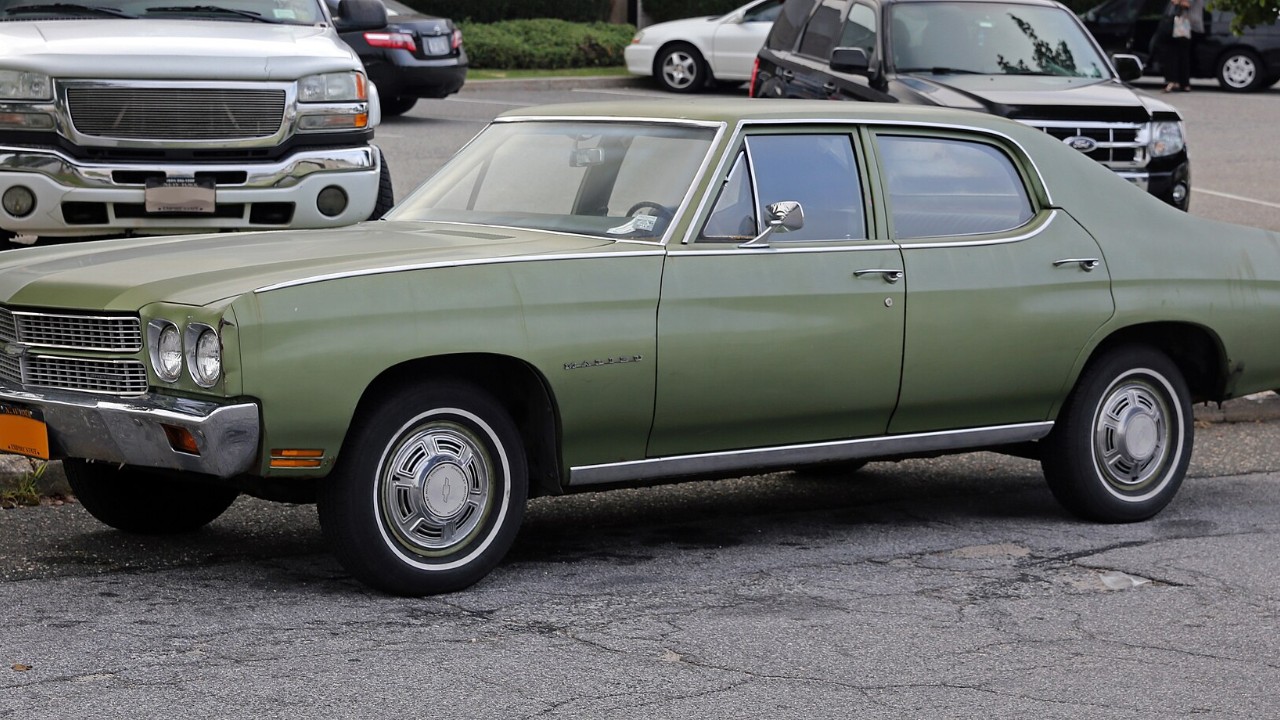
The year 1970 is the peak of Chevelle fame, thanks to the SS 454. However, the four-door Malibu shared little of that glory. From 1968, Chevrolet put Chevelle sedans and wagons on a 116-inch wheelbase, while coupes and convertibles used 112 inches. So the sedan was longer and heavier-looking than the car on the posters.
Its standard engines were mild, too. In 1970, the base six made 155 horsepower, and the base V8 was a 307 rated at 200. Neither engine turns a Chevelle Malibu sedan into a muscle car, and no amount of restoration changes that. Still, a sedan with its original drivetrain is a nice piece of history, and we’d rather see it driven than stripped for parts.
Our take: we’d skip a concours rebuild here. A 1970 Malibu sedan is a great driver, but its value follows the four-door body, not the SS badge. For the SS side of that year, read the strange story behind the 1970 Chevrolet Chevelle SS. Buyer advice: if you want a 1970 sedan, buy a running 307 car and spend your money on brakes, tires and cooling rather than paint.
4. 1973 Chevrolet Chevelle Malibu
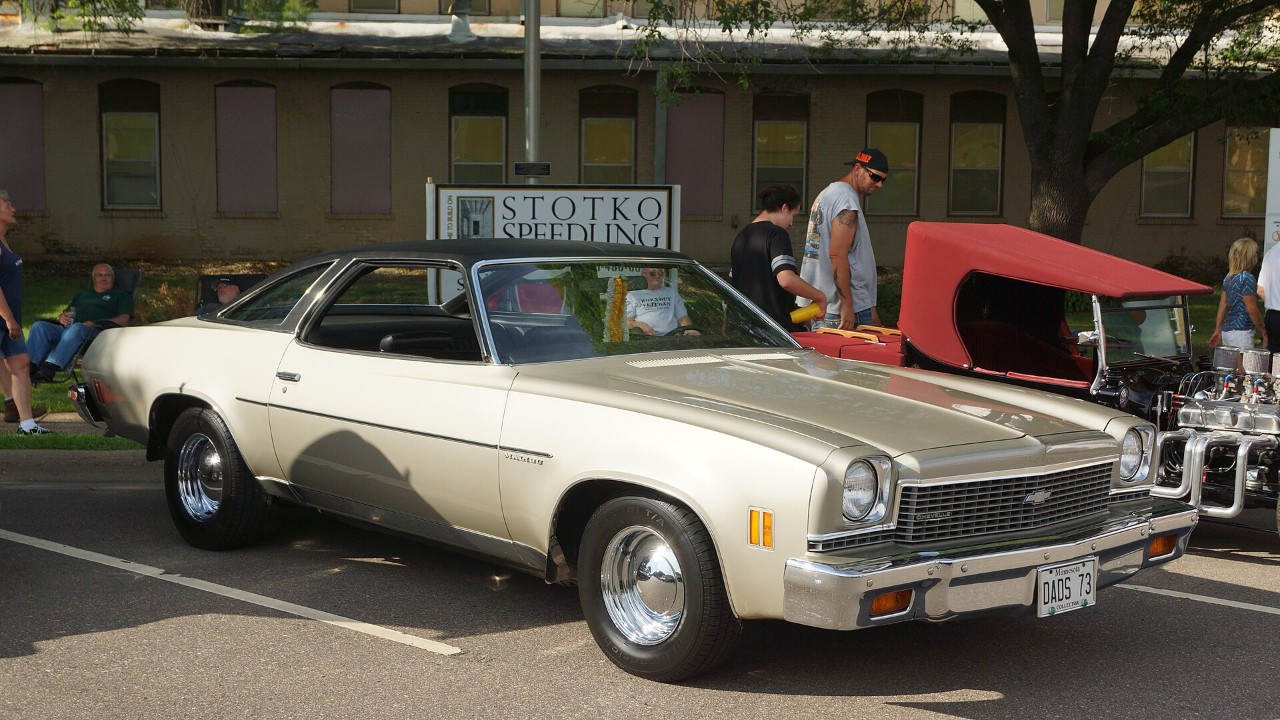
The 1973 Chevelle was all new. Its Colonnade design swapped the old hardtop roof for a fixed B-pillar, and the convertible was gone. According to Old Cars Weekly, the coupe grew more than five inches longer and over an inch wider. It also got a 5-mph front bumper, one of only two GM intermediates to carry one that year.
The engine list shows why many buyers shrug today. The 250 six was rated at 100 horsepower, and the 307 V8 at 115. Even the four-barrel 350 made 175. Old Cars Weekly also says about 97 percent of 1973 Chevelles left with an automatic. So a rare manual car won’t be easy to find, either.
In our view, a 1973 Malibu is a comfortable cruiser, but restoring one to show quality is hard to justify. We think its heavy bumpers and low ratings keep it behind the 1964–1972 cars for most collectors. Buyer advice: look for a solid 350 car with the Strato bucket seats, which the magazine says collectors prefer, and restore only what you will use.
5. 1975 Chevrolet Chevelle Malibu wagon
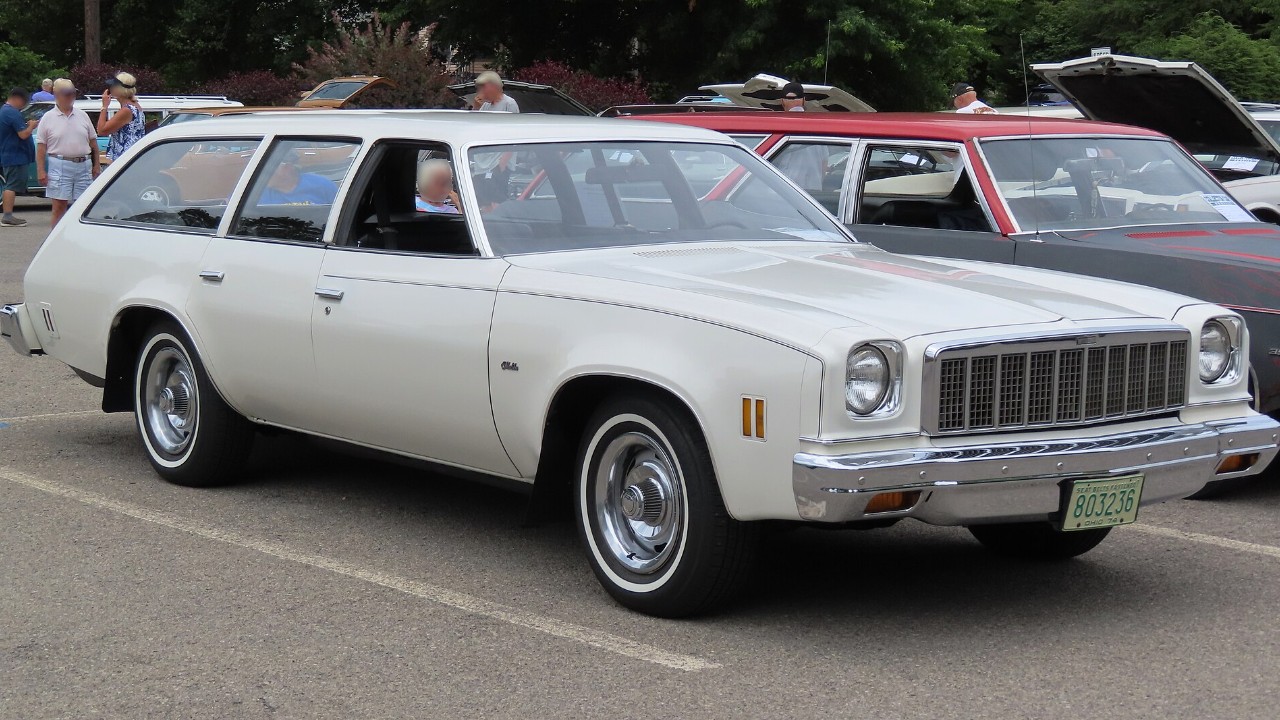
Every 1975 Chevelle came with a catalytic converter and GM’s High Energy Ignition. Those were sensible changes for the time. Still, they mark the point where the Chevelle moved fully into the emissions era, and the base engines stayed modest.
For 1975, the standard choices were a 250 six and a two-barrel 350 V8. That is a lot of wagon for a two-barrel engine to haul. Restoring one also means hunting for wagon-only parts, such as rear glass and trim. A wagon simply has more body to fix than a coupe, too. As a result, rust repair and paint will cost more than on the smaller cars here.
Our take: we’d enjoy a 1975 Malibu wagon as it is, rather than rebuild it to new. Wagons do have fans, and a clean one can be a joy at a show. Even so, we doubt its price would cover the cost of a full restoration. Buyer advice: find a rust-free wagon that runs well, then keep it original and fix the mechanicals as you go.
6. 1976 Chevrolet Chevelle Malibu Colonnade sedan
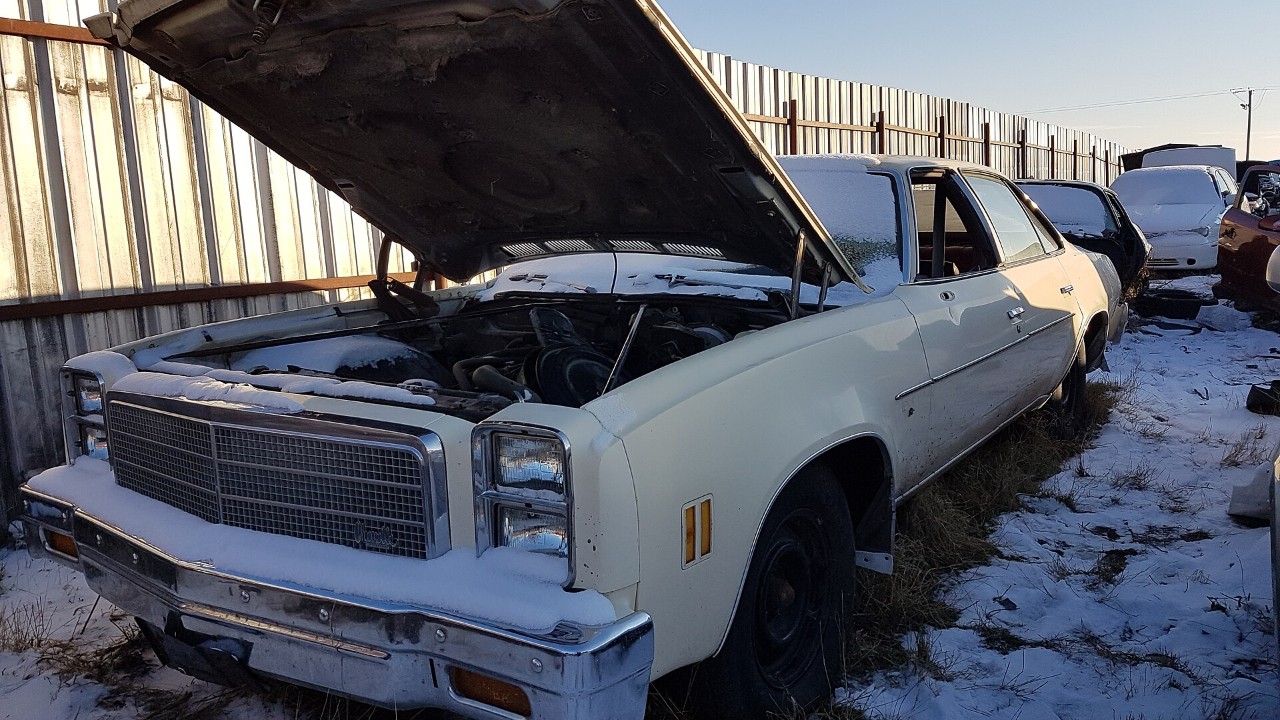
The 1976 Colonnade sedan is the Chevelle at its most ordinary. Engine choices that year included a 140-horsepower 305 V8, a 165-horsepower 350 and a 175-horsepower 400. Meanwhile, the Malibu Classic gained two stacked rectangular headlamps on each side for 1976. Today, it is the kind of Chevelle that is easy to overlook.
The car pictured here tells that story well. It is a weathered sedan sitting in a yard. A restoration would need panels, trim and interior pieces for a body style few collectors chase. Moreover, its emissions-era drivetrain will never match the early cars for performance.
We’d call this the clearest pass on our list. Rebuilding a rough 1976 sedan costs real money, and the finished car would still be a mid-1970s four-door. That said, it can be a fine donor for a driver-quality Colonnade. Its glass, trim and drivetrain could keep another sedan on the road. Buyer advice: if you want a 1976 sedan, buy the best original car you can find and skip the project cars.
7. 1977 Chevrolet Chevelle Malibu Classic
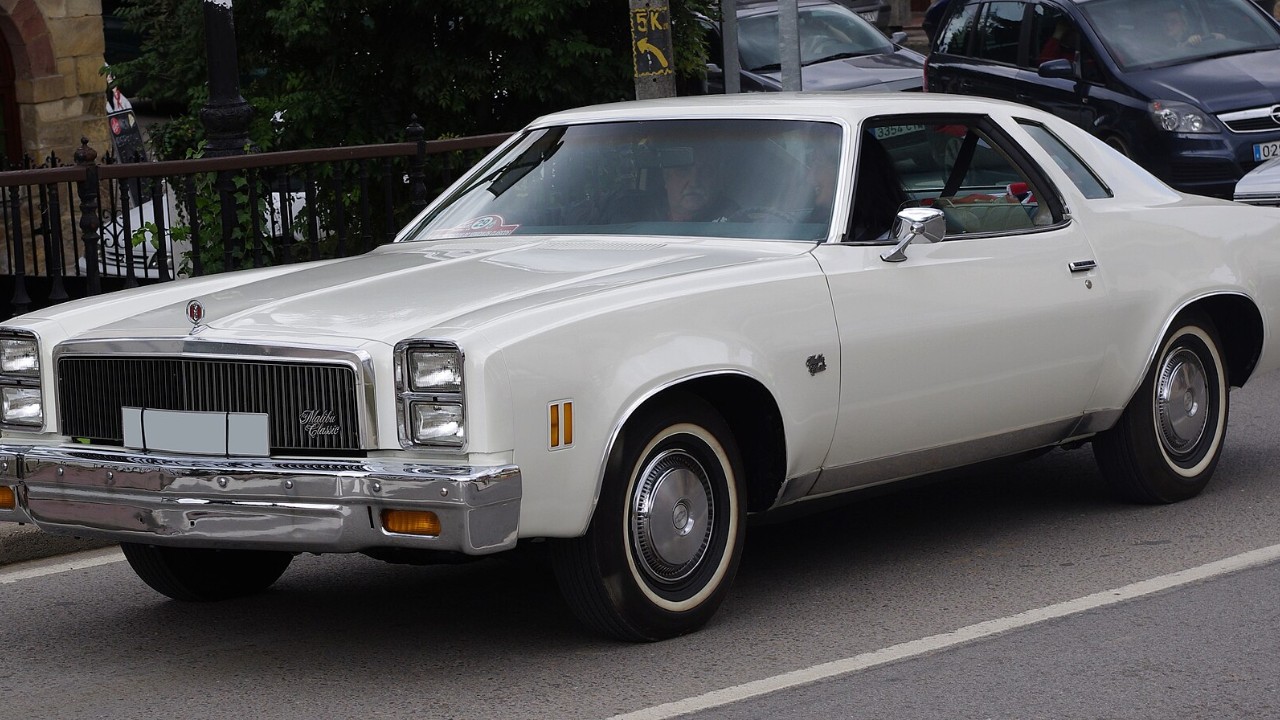
The 1977 model was the last car to wear the Chevelle name. For 1978, Chevrolet replaced it with a redesigned and downsized Malibu. In its final year, the Chevelle offered a 250 six, a 145-horsepower 305 and an optional 170-horsepower 350.
The Malibu Classic had been the upscale trim since 1974. It brought extra brightwork and a nicer cabin. However, all that trim is also what makes a restoration expensive. Each piece of chrome and every interior panel needs to be found, fixed or replaced.
Our take: we like the “last Chevelle” story, but it does not lift values much on its own. For a happier take on these later cars, see 10 Chevelles that prove they don’t build them like this anymore. Buyer advice: if you want a Malibu Classic, pick a complete car with its trim intact, because that saves more money than anything else. Chevrolet built 73,739 Malibu Classic coupes in 1977, along with 37,215 Malibu Classic Landau coupes, so complete cars do turn up.
More from Fast Lane Only