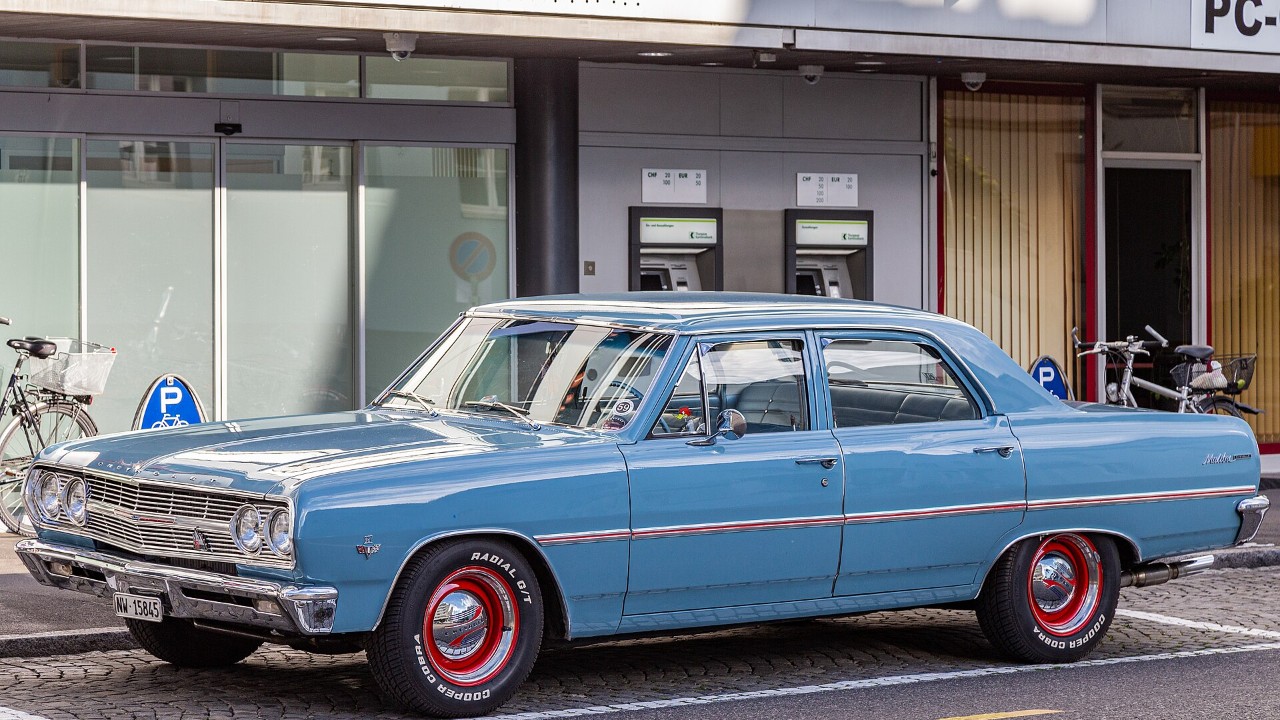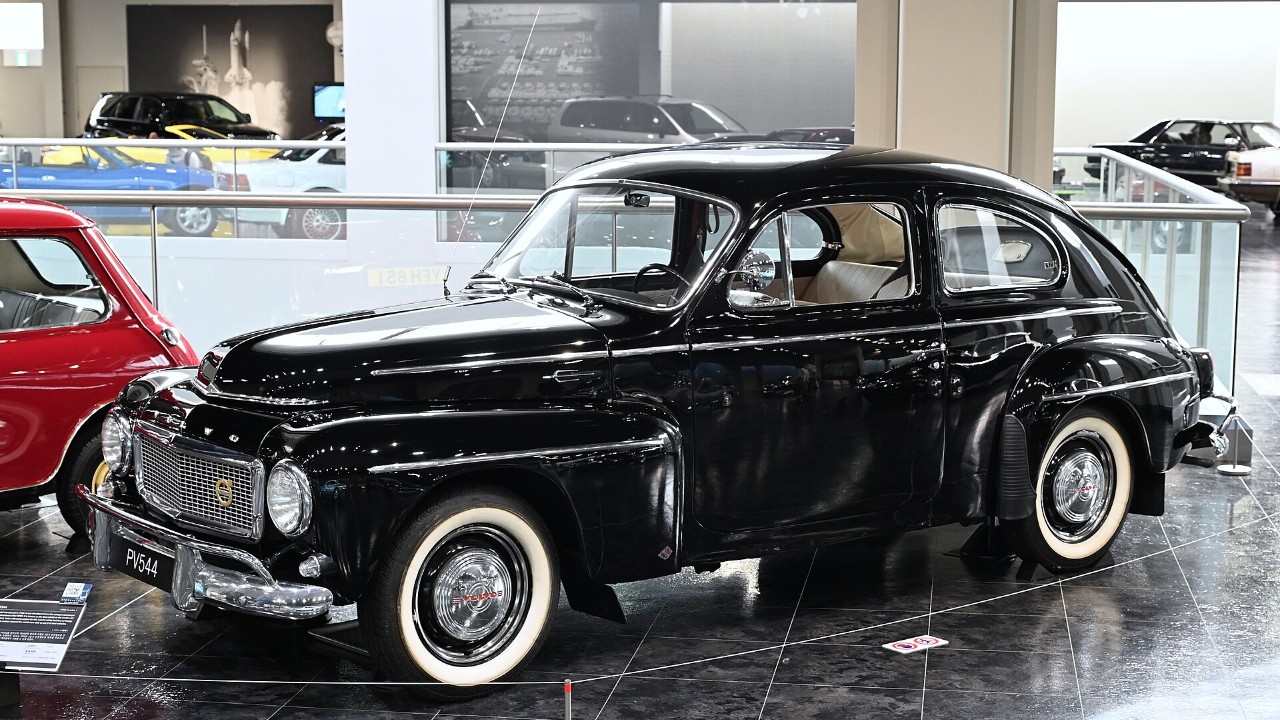
Audi’s own heritage department now calls the Audi 100 Coupe S a cult favorite and a collector’s item. That would have surprised plenty of people in 1970, when front-wheel drive still meant sensible family transport. Today, nearly every everyday car sends its power to the front wheels, and the small, light cars that pioneered the layout have found a new audience.
Nobody bought most of them to save them, though. Owners drove these affordable cars hard, and many wore out long before anyone thought to keep one. That’s exactly why clean survivors now draw attention at shows and auctions.
These are our picks: seven front-wheel-drive classics that we think turned into surprise collectibles. The verdict is our opinion. The years, engines and production figures come from maker records, period road tests and reference sources.
1. Audi 100 Coupe S
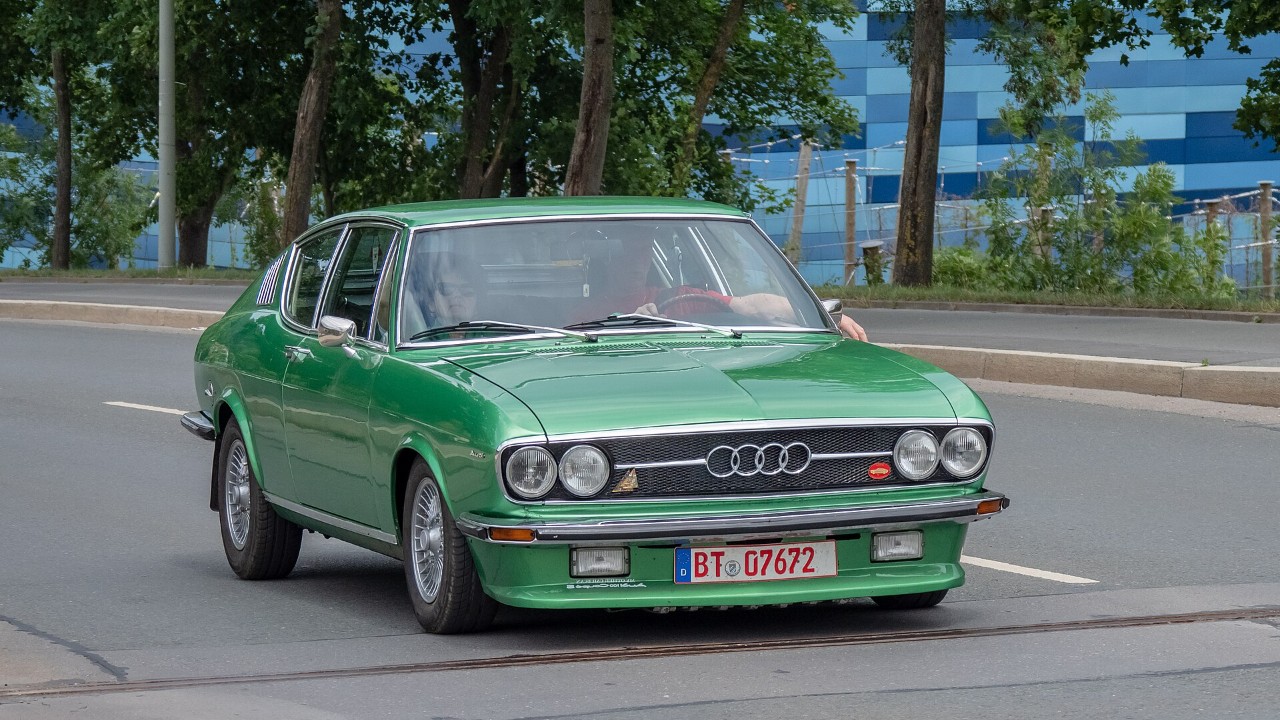
Audi first showed the coupe version of its 100 at the 1969 Frankfurt show, and the car reached buyers in October 1970. According to Audi’s own media release, the company built 30,687 of them in a run of about six years. The engineers had also developed the original Audi 100 without parent company Volkswagen’s knowledge.
The Coupe S used a 1.9-liter four rated at 115 PS, and it drove the front wheels like the rest of the 100 range. Its fastback shape drew clearly on Italian design of the period, and one look at the rear three-quarter view shows why. Inside, buyers found corduroy seats and wood trim, which feels wonderfully of its time now.
We think this is the purest example of a sensible car that became desirable. In fact, Audi Tradition published a 256-page book about the Audi 100 Coupe S, which tells you how far its status has climbed. Front-wheel drive was still unusual in big cars then, as our story on the 1966 Oldsmobile Toronado shows. If you find one, rust is the main enemy, so look closely underneath before anything else.
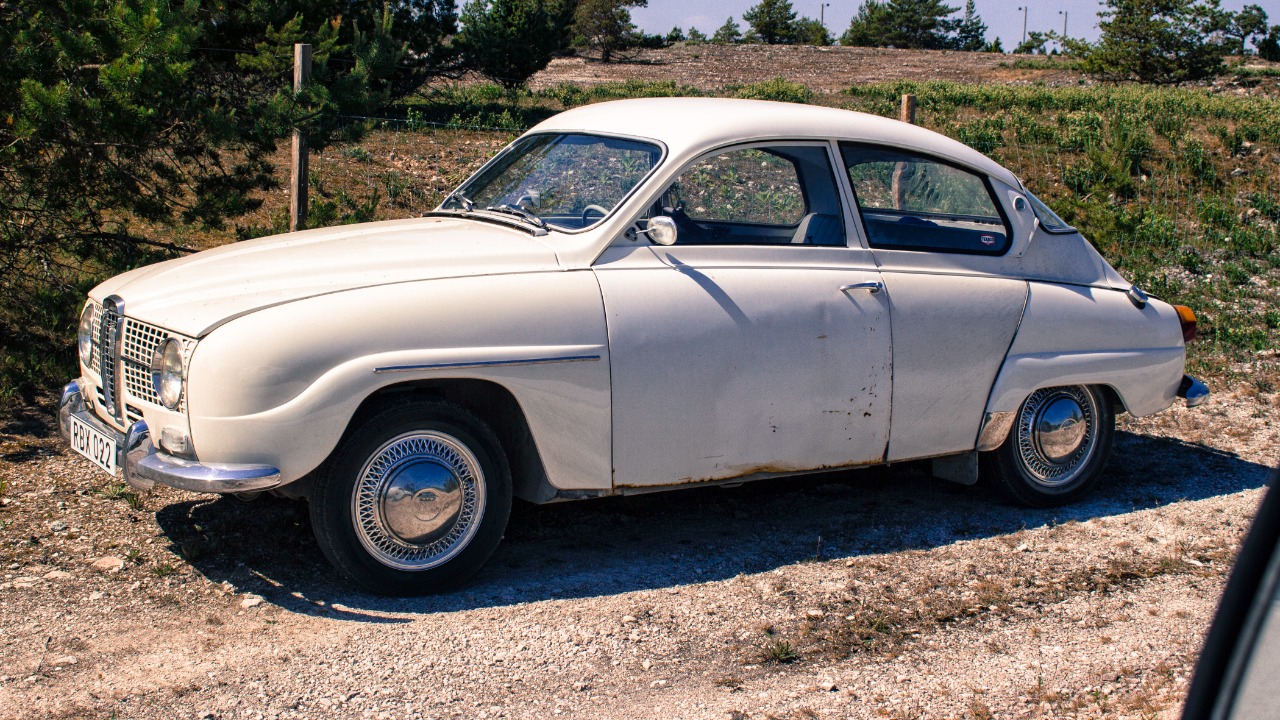
2. 1975 Saab 96 V4
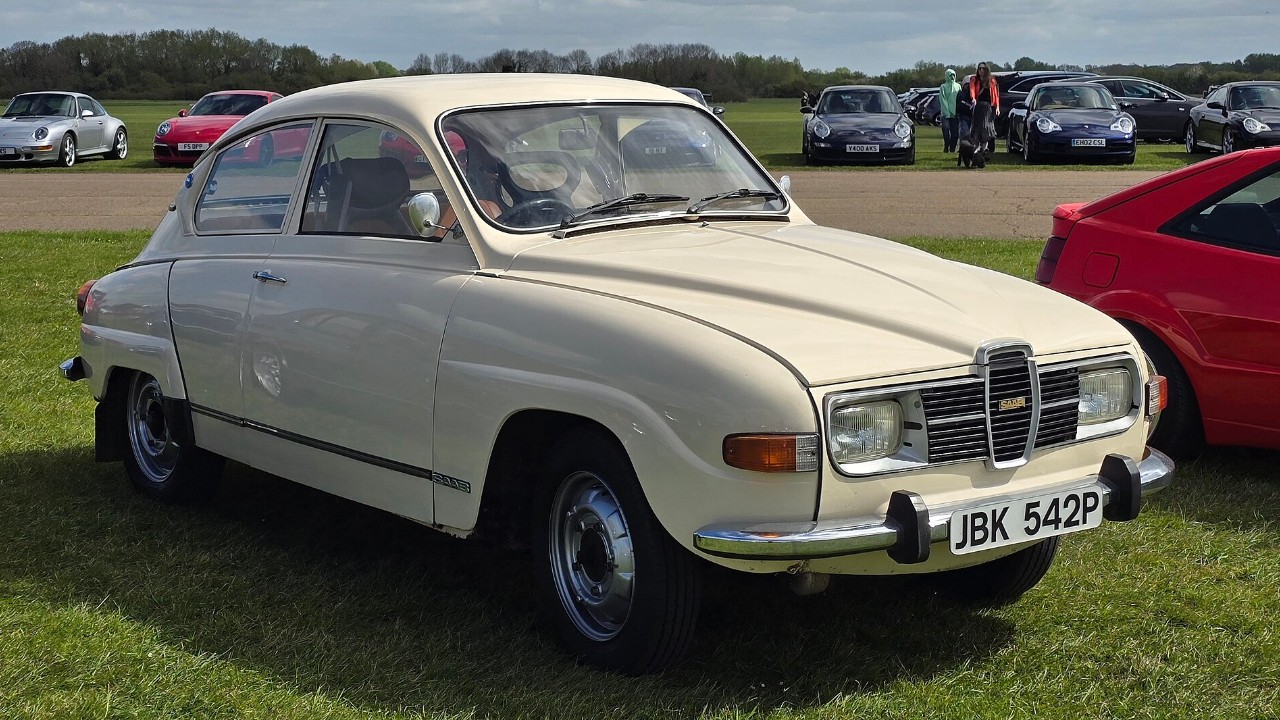
Saab built the 96 from 1960 until January 1980, and it made 547,221 of them in all. Early cars used a two-stroke engine. Then, in 1967, Saab switched to a 1,498 cc Ford Taunus V4, which gave the little fastback 65 PS in most markets.
Even after the switch, Saab kept the freewheel. The two-stroke engine had needed it for lubrication, and drivers could still engage it with a control in the footwell. The 96 also had serious rally credentials. Erik Carlsson won the RAC Rally three years running from 1960 and took the Monte Carlo Rally in 1962 and 1963.
The final cars rolled out of the Valmet plant in Uusikaupunki, Finland, on January 11, 1980. In our view, the V4 cars are the sweet spot, because they pair the rally-bred shape with a tougher, simpler engine. They also sound like nothing else on the road. For more of the company’s odd but clever thinking, see our list of Saab’s strange but brilliant engineering bets. Given the choice, we’d take a tidy 96 V4 to a car show over many far pricier classics.
3. 1984 Autobianchi A112 Abarth
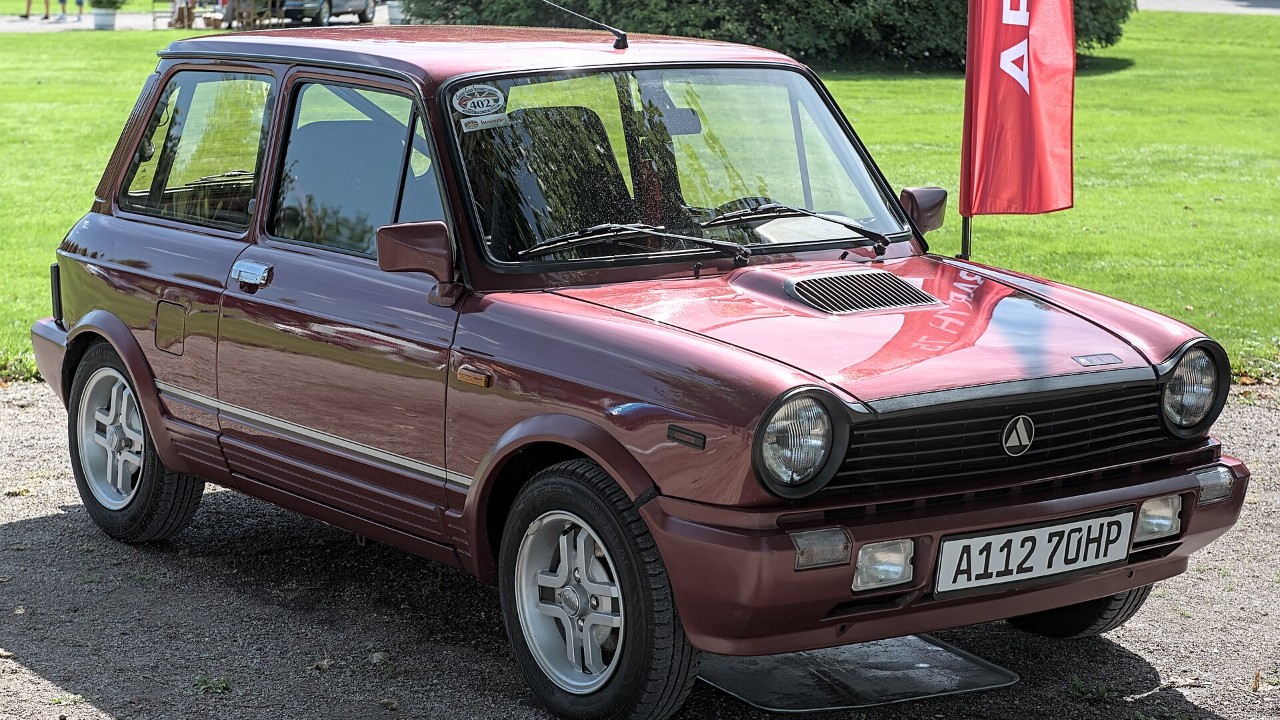
Autobianchi launched the A112 Abarth in September 1971. At first it used a 982 cc engine with 58 PS. In 1975, the engine grew to 1,050 cc and 70 PS at 6,600 rpm, while the car weighed only about 700 kg, or 1,543 pounds.
That light weight made the A112 a natural racer. Italy’s A112 Abarth championship ran for eight seasons, from 1977 to 1984, under rules for nearly stock cars. Attilio Bettega, Fabrizio Tabaton and Gianfranco Cunico were among its winners. Overall, Autobianchi built about 1,254,178 A112s of all types.
A 1984 car comes from the seventh and last series of the A112. By 1985, Autobianchi had cut the range back to a low-priced Junior model. We think that late timing makes the 1984 Abarth special, since it was one of the final chances to buy a small, hot Italian hatch with Abarth’s name on it. In our view, an original, unmodified example is a genuine find today. Before you pay a collector price, check for a matching engine and the correct Abarth trim.
4. 1991 Honda CRX Si
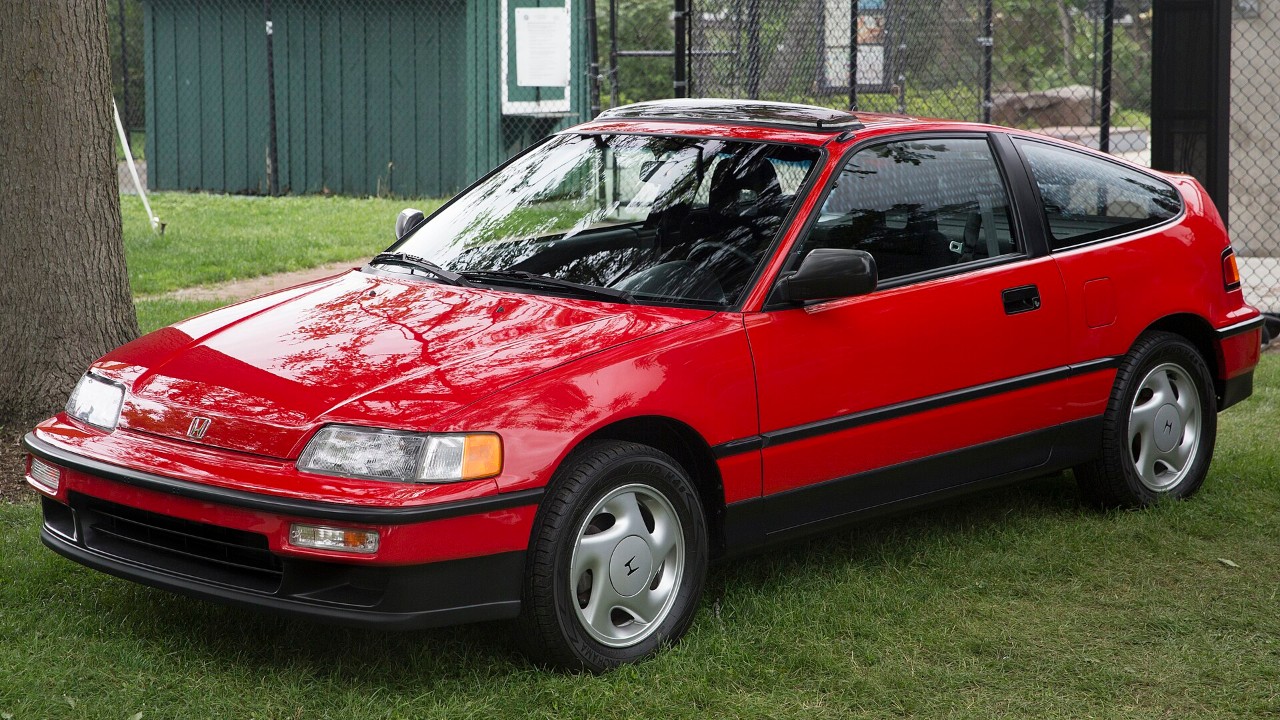
The second-generation CRX arrived in North America for 1988 with four-wheel double-wishbone suspension. The Si used a 1.6-liter, 16-valve D16A6 four, rated at 108 hp from 1989. Even so, the 1990 and 1991 cars weighed only about 2,174 pounds with a manual gearbox. That’s a true featherweight by modern standards.
Honda built 64,562 second-generation CRX Si models for the U.S., and 14,295 of them were 1991s. However, that number overstates how many good ones remain. Hagerty auction editor Andrew Newton told Hagerty Media it was “exceedingly difficult to find one with lower miles, no rust, no mods, no crash history.” Because the cars were cheap, light and fun, many were raced, tuned or crashed.
That same article noted that clean examples had started selling for real money, and that interest in front-wheel-drive Hondas from this era was growing. In our view, the 1991 car is the one to own, mainly since it’s the last year of the generation. If you want one, pay for originality rather than modifications, because unmodified stock cars are now the rare ones.
5. 1984 Alfa Romeo Alfasud Sprint Quadrifoglio
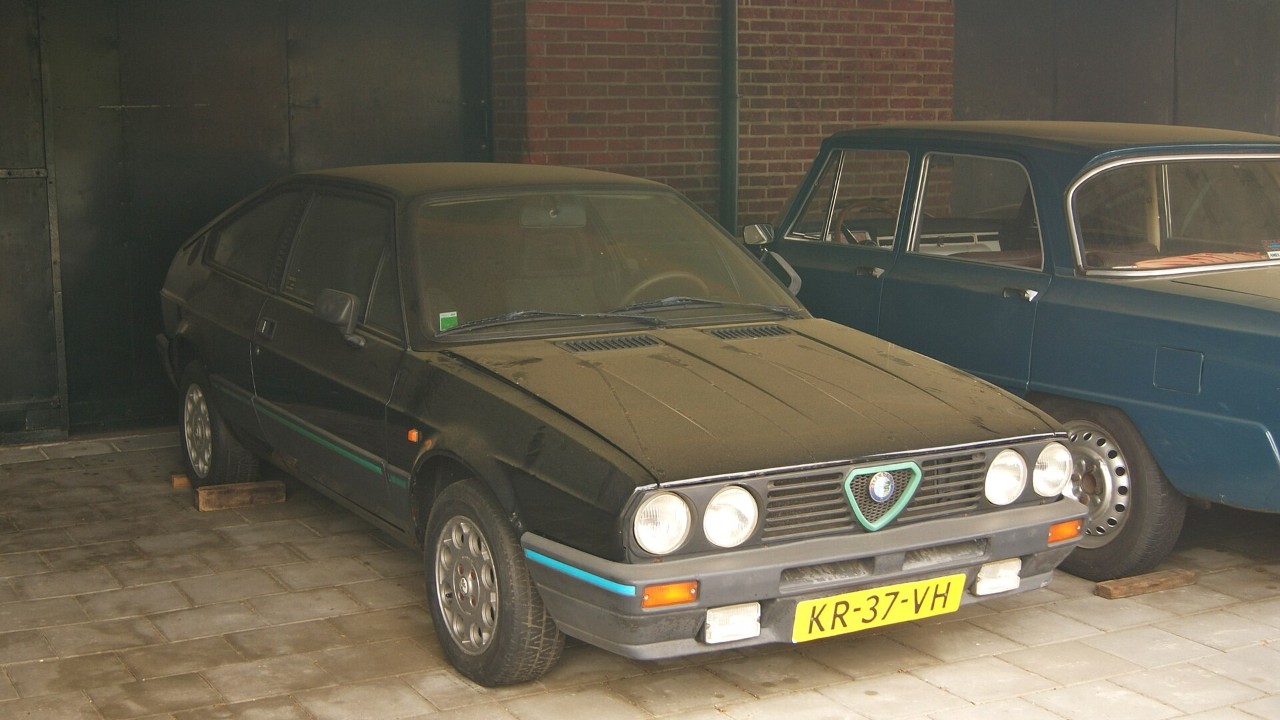
Giorgetto Giugiaro designed the Alfasud Sprint at Italdesign, the same studio behind the Alfasud sedan. Alfa built it at Pomigliano d’Arco in southern Italy, which is where the “Sud” in the name came from. Production ran from 1976 to 1989, and Alfa made 116,552 of them.
Under the hood sat a flat-four boxer engine, which kept the center of gravity low. Early cars displaced about 1.3 liters, and a 1.5 came later. Then, in February 1983, Alfa dropped the Alfasud prefix and the car became simply the Sprint. The 1.5 Quadrifoglio Verde followed at the Geneva show in March 1983, with 105 PS at 6,000 rpm. So a 1984 car like this one wears the green cloverleaf from the version’s early years.
We rate the Sprint highly because its low boxer layout gives it a balance we love, and the engine sounds far more exotic than its size suggests. It also wraps all of that in a sharp Giugiaro wedge. If you go shopping, look hard at the sills and floors first, and you’ll know quickly whether a car is worth chasing.
6. 1972 Fiat 128 Sport Coupe 1100 SL
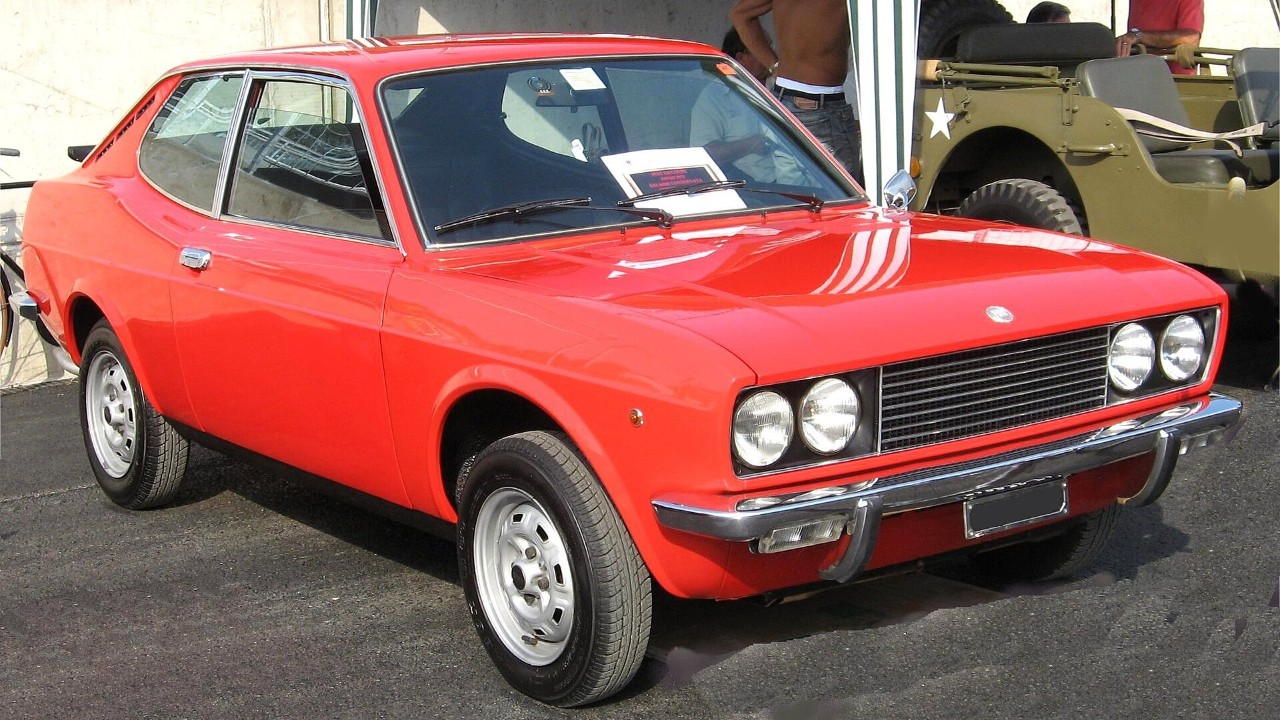
Fiat’s 128 won the European Car of the Year award in 1970. Dante Giacosa engineered it, and Aurelio Lampredi designed its overhead-cam engine. Its transverse front-engine, front-drive layout later became the industry standard, so the 128 counts as a true pioneer of the modern small car.
The Sport Coupe followed at the Turin show in November 1971. Fiat designed it in-house on a wheelbase about 23 cm shorter than the sedan’s. Fiat offered 1100 and 1300 engines. The 1300 version used a 1,290 cc engine with 75 PS and a twin-choke carburetor, good for more than 160 km/h. Meanwhile, the SL, or Sport Lusso, trim added four round headlamps, steel sport wheels and a wrapped steering wheel.
Production ended in 1975, as buyers moved to the mid-engined X1/9. We think that’s exactly why the coupe is worth a look now. The X1/9 overshadowed it when new, and people largely forgot it afterward. Yet it offers the 128’s clever layout in a crisp, sporty body. Still, we’d grab a clean SL whenever one appears, because it is a cheap way into a genuinely important Fiat.
7. 1976 Volkswagen Scirocco GLI
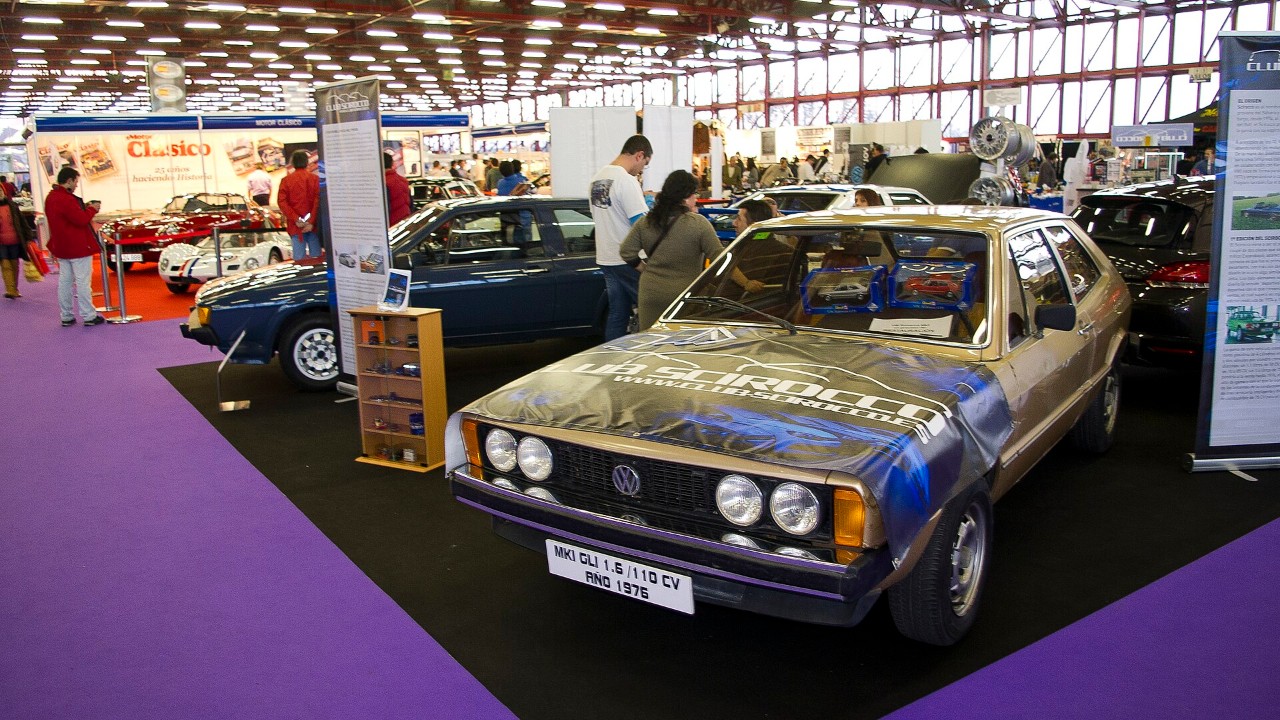
Volkswagen launched the first Scirocco in 1974, six months before the Golf. That timing let VW sort out problems with the shared platform before the high-volume hatchback began production. Giugiaro styled the coupe, and Karmann assembled it. In total, VW built 504,153 first-generation cars.
The GLi took the 1.6-liter, eight-valve engine from the Golf GTI, with Bosch K-Jetronic fuel injection. In a December 1977 road test, Motor Sport magazine listed 110 bhp at 6,100 rpm. The tester timed 0-60 mph in just over 8.5 seconds and estimated a top speed of about 115 mph. He also praised its smoothness and quietness, but he called the brakes soft.
British buyers couldn’t even order a GLi at the time, which adds to its appeal today. In our view, the early Scirocco is the hot Golf’s prettier twin. It shares the GTI’s eager engine but wraps it in a lower, sleeker body. That’s why a clean injected car now stands out to us more than many better-known hot hatches. If you shop for one, confirm the injection system is complete, since that hardware is what makes it a GLi.
More from Fast Lane Only