To race a Vauxhall Chevette HS in Group 4 rallying, Vauxhall needed a road-going run of 400 cars. That is the whole idea behind a homologation special. After all, racing rules said a competition car had to start from something the public could buy. So makers built small batches of street versions, sold them and then went racing with the real thing.
As a result, those street cars never became common. Makers usually built them in the hundreds, and then owners drove them hard, crashed them, modified them or broke them for parts. In fact, some were rally cars with license plates. Others were sedans or coupes with wild aerodynamics that existed only because a rulebook demanded them.
So these are our picks: eight rare homologation specials that, in our view, get harder to find every year. The production figures and specs come from auction catalogs and model histories, and we give a number only where a source supports it. However, the “scarcer every year” verdict is our own opinion.
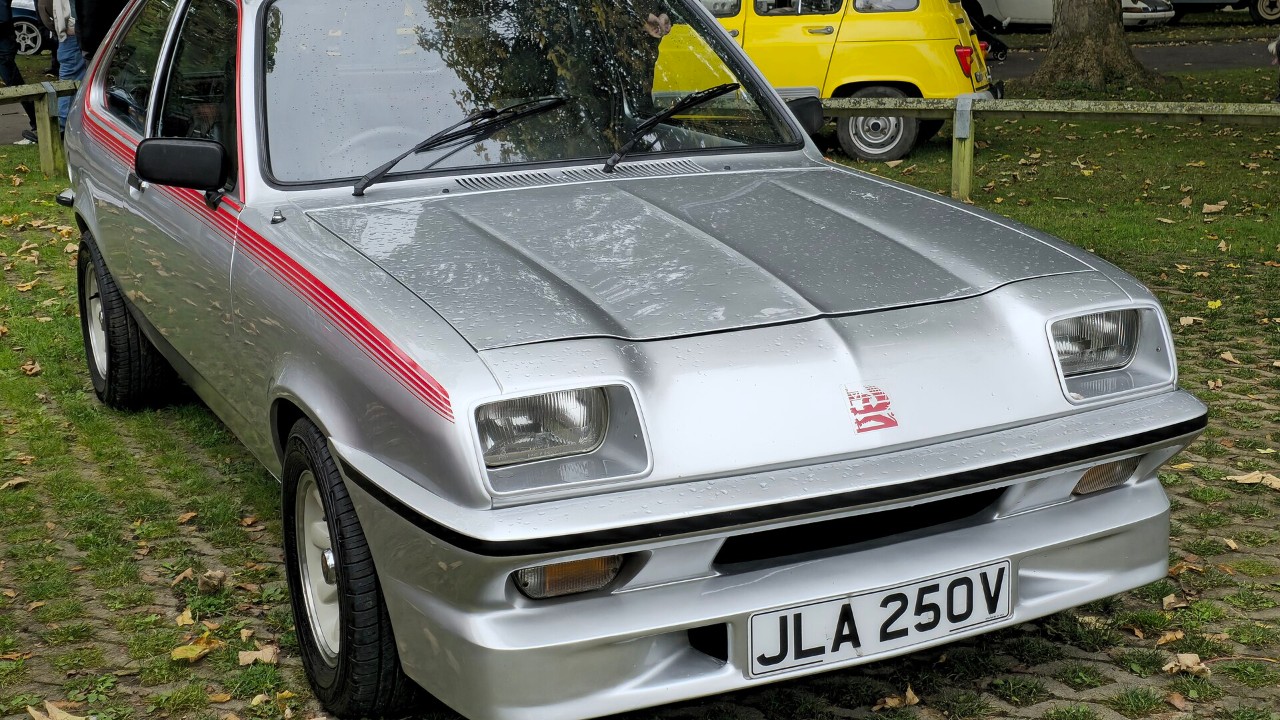
1. 1978 Vauxhall Chevette 2300 HS
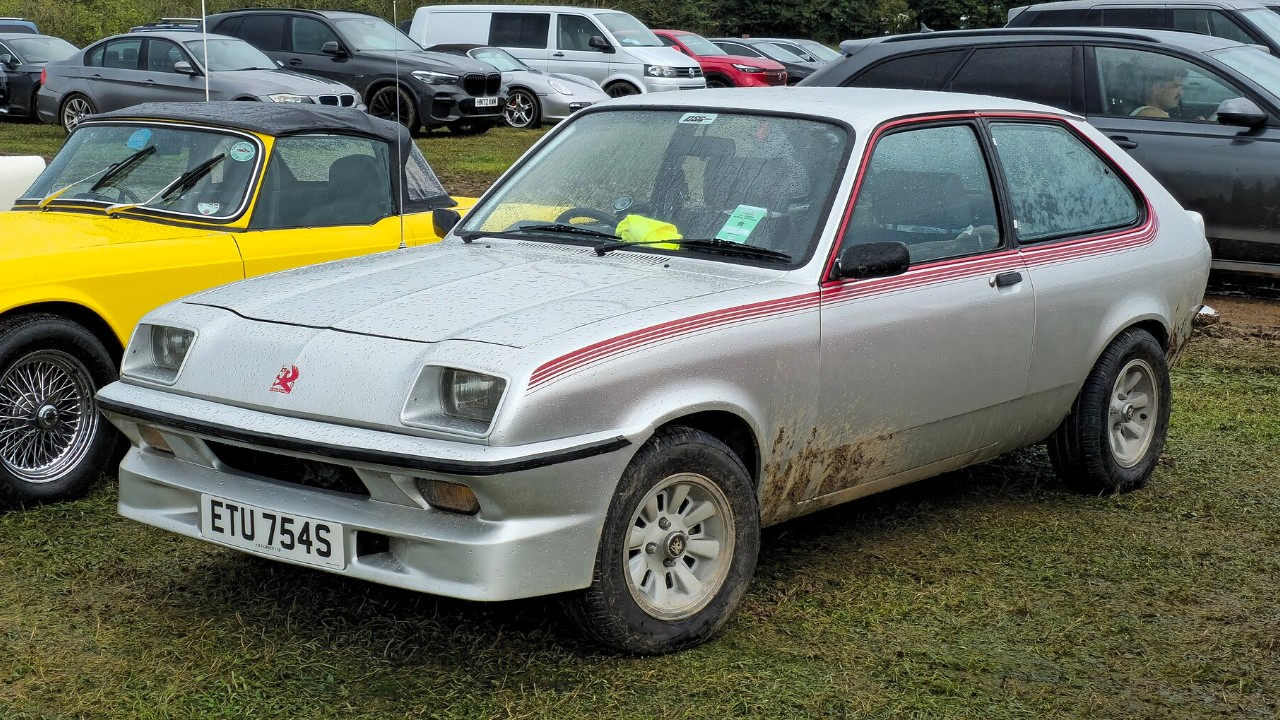
Vauxhall introduced the Chevette HS in January 1978 as a three-door hatchback. It took a humble small car and gave it a 2,279 cc, 16-valve slant-four and a close-ratio five-speed. Group 4 rules required 400 production cars, so Vauxhall had to build a road version before the rally car could compete.
At first, the rally cars used a Lotus 16-valve head. However, an FIA rule change banned that head in 1978. In rally trim, with two Stromberg carburetors, the engine made 135 bhp. Later, in April 1980, Vauxhall added the HSR, an evolution that needed a run of just 50 cars.
On the stages, meanwhile, the Chevette HS earned its keep. Drivers such as Pentti Airikkala, Jimmy McRae and Tony Pond won with it. It also took the British Open Rally Championship for drivers in 1979 and for manufacturers in 1981. Our take: a road-going Chevette HS is a piece of British rally history hiding in a family hatchback body. We suspect many of these cars lived hard lives, and in our view finding an honest one gets harder each year. If you see one, look for the original engine and gearbox, since that drivetrain is what made the car special.
2. Lancia Rally 037 Stradale
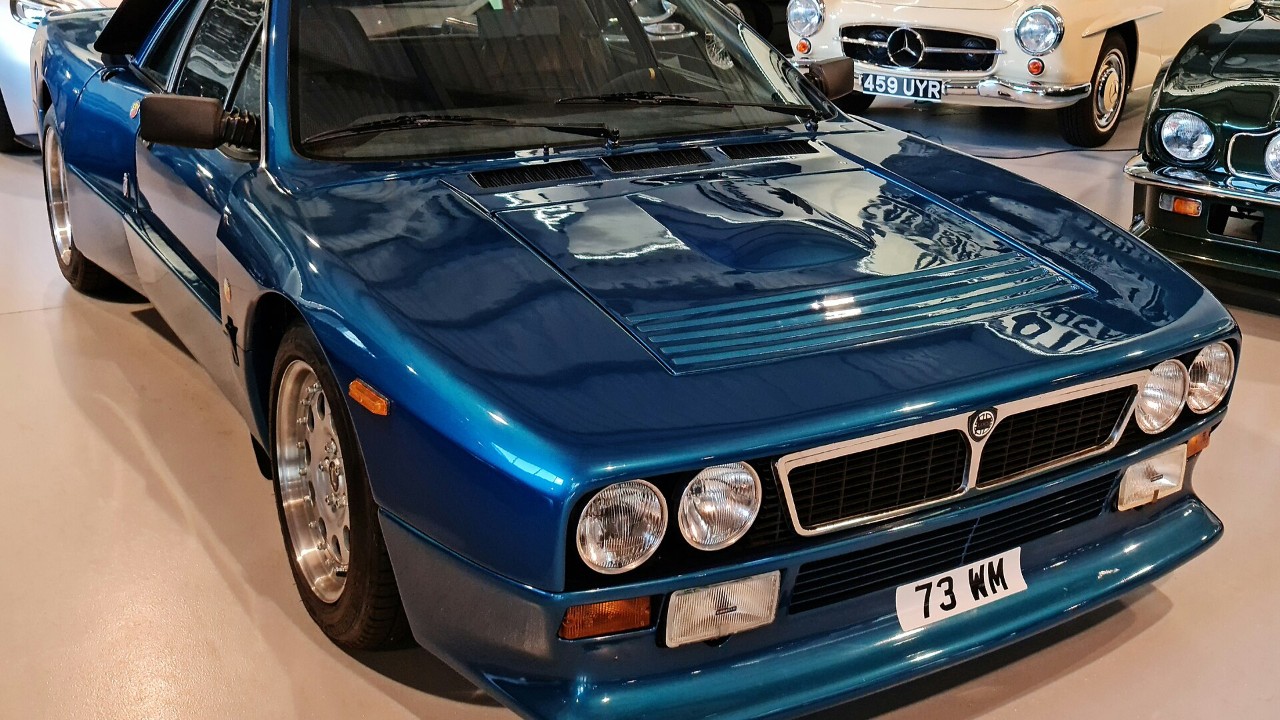
The Lancia 037 was a mid-engined Group B rally car with a road-going twin. First, Abarth did most of the design work. Then Dallara handled construction, and Pininfarina’s wind tunnel shaped the aerodynamics. The Stradale road car used a supercharged 2.0-liter four with a Volumex blower and carburetors.
Group B rules let a maker qualify with an initial batch of 200 cars. According to RM Sotheby’s, Lancia produced only 217 examples. By comparison, other estimates run from 207 to 222, prototypes included. RM’s catalog put the original road engine at 1,995 cc and 205 bhp.
The rally car went on to win the 1983 World Rally Championship manufacturers’ title, despite strong competition from the four-wheel-drive Audi Quattro. It was also the last rear-wheel-drive car to win in the WRC. That RM Sotheby’s car did not sell at Monterey in 2019, against an estimate of $475,000 to $600,000. Our take: with barely 200 road cars and a title on its record, every 037 Stradale that changes hands seems to disappear into a collection for good. That’s why we think they only get scarcer on public roads.
3. 1979 Ford Escort RS1800
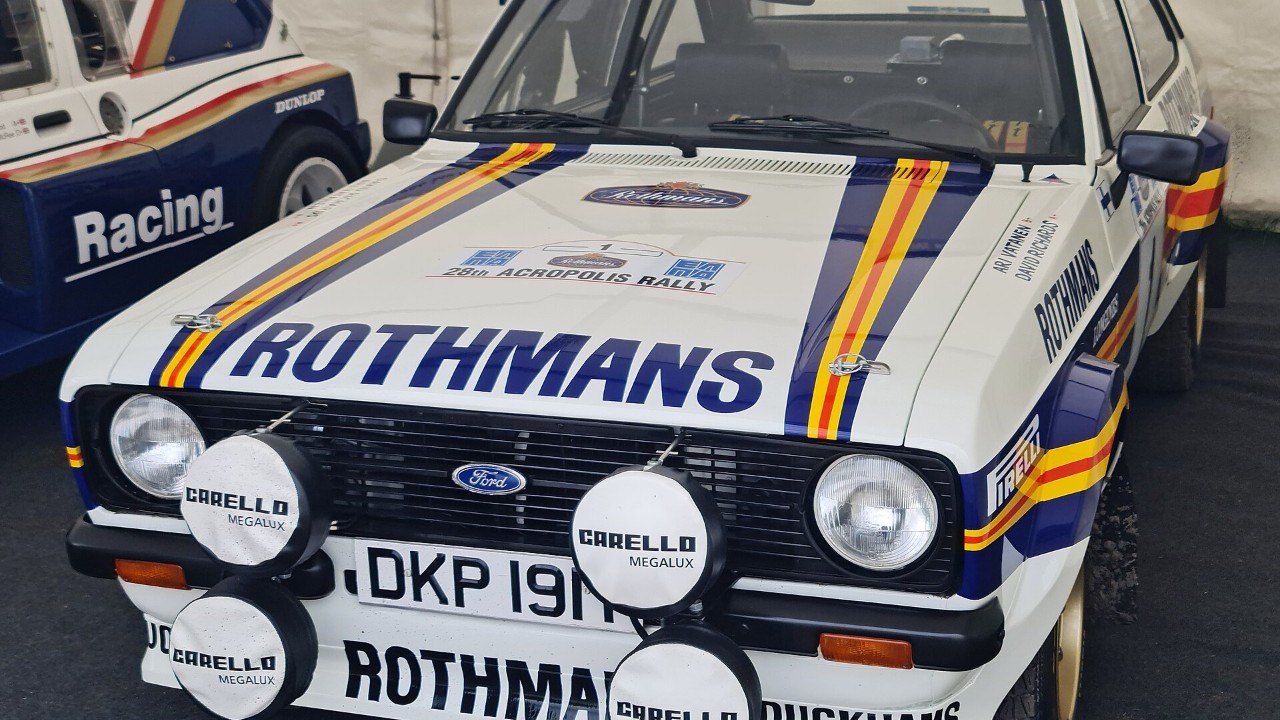
The second-generation Ford Escort was a plain family car in most forms. The RS1800, however, was the version Ford needed to go rallying. It used a naturally aspirated 1,833 cc Cosworth-designed four. In road form, that engine made 115 bhp at 6,000 rpm and 126 lb-ft of torque at 3,750 rpm.
The results that followed were remarkable. For example, the Mk II Escort won the RAC Rally every year from 1975 to 1979. Then, in 1979, Björn Waldegård took the World Rally Championship drivers’ title in an RS1800. Hannu Mikkola finished second, and Ari Vatanen came fifth, all in the same model. As a result, Ford won the manufacturers’ title too.
That was the only time Ford won the manufacturers’ crown until 2006. Two years later, Vatanen won the 1981 drivers’ title in an RS1800 as well. Our take: road-going RS1800s were always outnumbered by the rally cars built in their image. Because the rally record is so strong, we suspect plenty of road cars ended up on the stages too. In our view, that makes an untouched road car one of the hardest Escorts to find, and the gap grows each year.
4. Alfa Romeo 75 Turbo Evoluzione
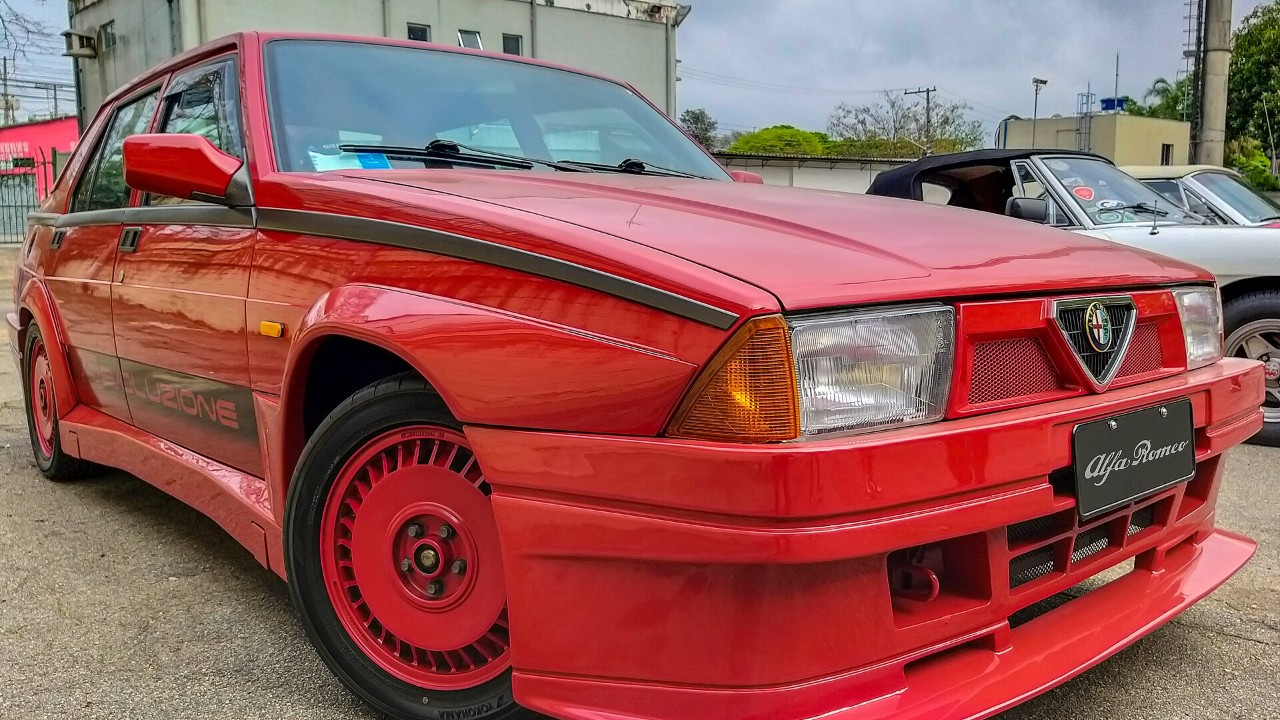
In the spring of 1987, Alfa Romeo built 500 examples of the 75 Turbo Evoluzione. Alfa built every one in left-hand drive, and many stayed in Italy. Alfa built them to meet Group A rules, so it could homologate aerodynamic changes for the racing 75.
Meanwhile, the engine was a curious detail. Instead of chasing power, Alfa reduced the bore from 80 mm to 79.6 mm, which shrank the turbo four from 1,779 cc to 1,762 cc. The claimed output stayed at 155 PS, the same as the regular 1.8 Turbo. In other words, Alfa built a homologation car that made no more power than the standard model.
The racing link was real, though. A 75 Turbo Evoluzione IMSA, driven by a team led by Miki Biasion, won the 1988 Giro d’Italia automobilistico. Another won the event again in 1989. Our take: only 500 cars, nearly all sold in one country, is a recipe for scarcity. In our view, the Evoluzione is also the rare Alfa sedan that grows more interesting the harder it becomes to find. So if you want one, plan to shop in Italy.
5. Mercedes-Benz 190E 2.5-16 Evolution
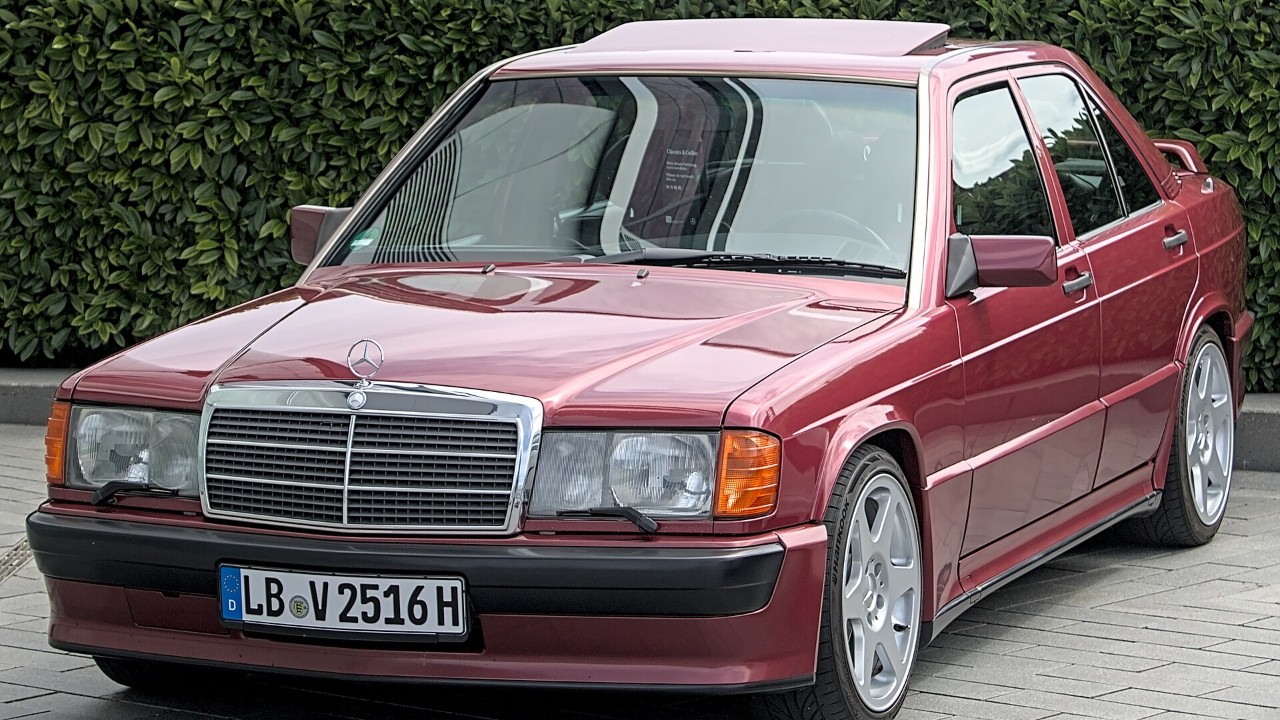
Mercedes showed the 190E 2.5-16 Evolution at the Geneva show in March 1989. It built the cars between March and May of that year to meet DTM rules. According to Supercar Nostalgia, Mercedes completed 502 cars, all of them left-hand drive.
The Evolution used a short-stroke 2,463 cc four. With a catalytic converter, it made 194 PS, and an AMG PowerPack option raised that to 225 PS. Outside, it also wore a new rear spoiler and wider wheel arches, which the racing cars needed. It also came in a single color, Blue-Black Metallic. Later, this first Evolution became the basis of Mercedes’ 1989 DTM cars.
A year later, the Evolution II arrived with a giant wing and another 502 cars. Naturally, that later car gets most of the attention. Yet the first Evolution is the purer, quieter design. Our take: with only 502 built, all in one color and all left-hand drive, the Evo I seems to get scarcer every year. In our view, it is the sleeper of the 190E family, and a clean one is worth the hunt. Because the Evo II gets the headlines, a good Evo I can feel like the smarter find.
6. Toyota Celica GT-Four ST205
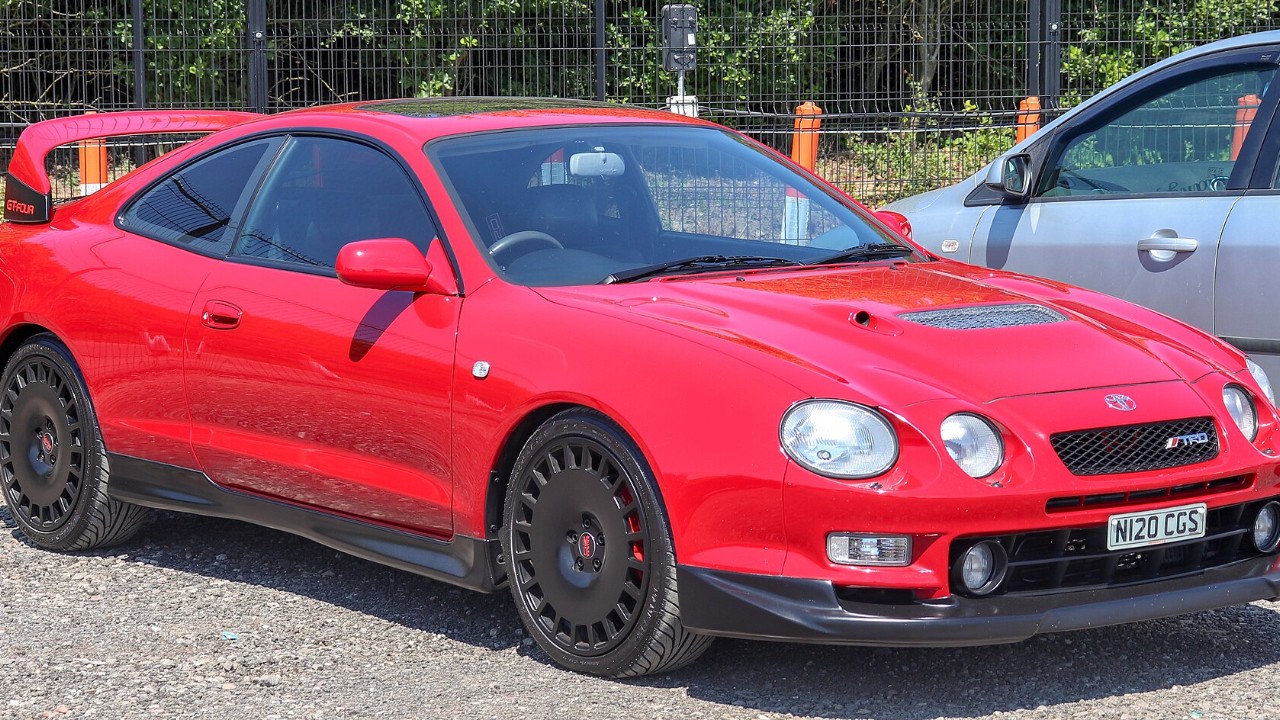
Toyota launched the ST205 Celica GT-Four in Japan in February 1994. Under the hood, Toyota fitted an updated 3S-GTE turbocharged four, and it also paired it with a new E154F gearbox. Export cars made 242 PS, while the Japanese model made 255 PS. Production of the ST205 ran until June 1999.
For World Rally Championship homologation, Toyota built 2,500 special cars in 1994. Of those, 2,100 stayed in Japan, while 300 went to Europe, 77 to Australia and five to New Zealand. Those homologation cars let Toyota enter the GT-Four as a Group A car. The car pictured with this list is a 1995 ST205 on aftermarket wheels, not one of the 1994 homologation cars.
The rally story ended badly, though. At the 1995 Rally Catalunya, officials found that Toyota had used illegal turbo restrictor bypasses. As a result, the FIA handed down a one-year ban and stripped the team’s points. Even FIA president Max Mosley called the device “the most sophisticated device I’ve ever seen in 30 years of motor sports.” Our take: an ST205, and above all a 1994 homologation car, carries a strange and fascinating history. In our view, clean survivors grow scarcer each year.
7. 1969 Dodge Charger Daytona
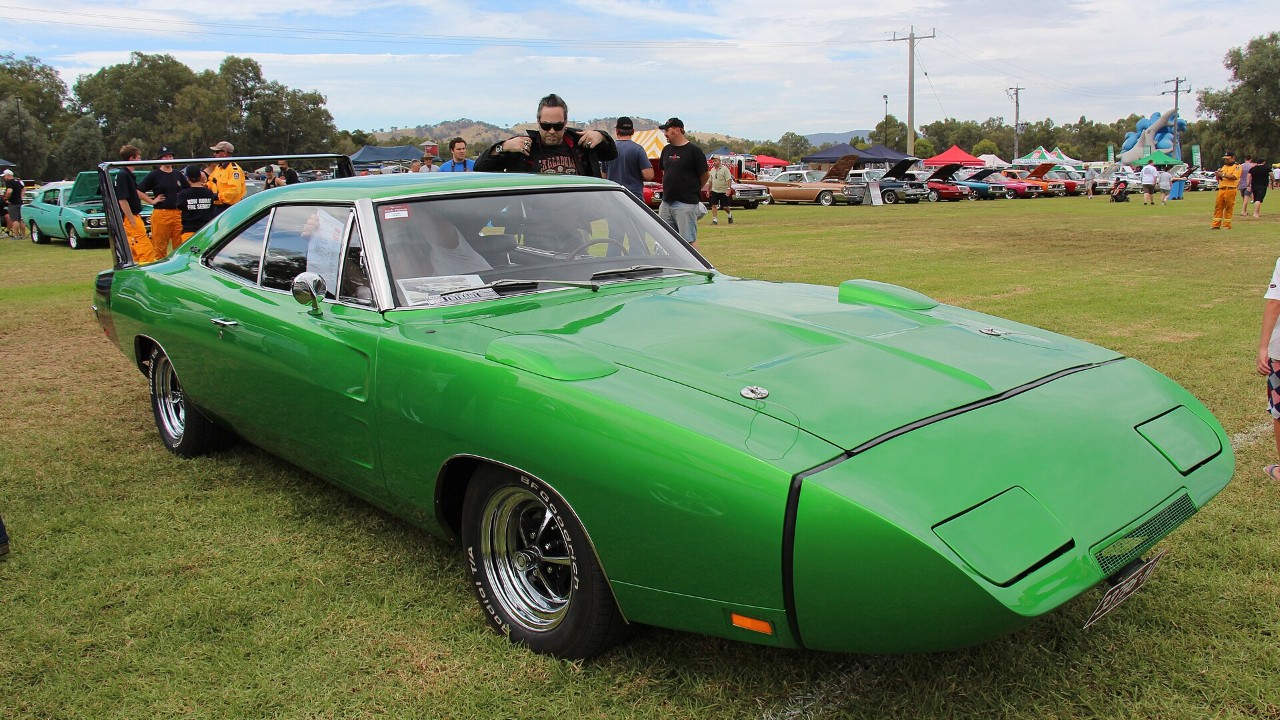
The Charger Daytona was Dodge’s answer to the high-speed ovals of NASCAR. It replaced the Charger’s upright grille with a sheet-metal nose cone. On the rear deck, a stabilizer wing stood 23 inches tall. Meanwhile, a 440 Magnum V8 came standard under the hood.
Dodge built only 503 Daytonas, and only 70 of them had the optional 426 Hemi. On March 24, 1970, at Talladega, Buddy Baker became the first driver in NASCAR history to break 200 mph, in the No. 88 car. For the next season, NASCAR limited aero cars with engines over 305 cubic inches. That rule change effectively pushed the winged cars out of competition by the end of 1970.
Our take: the Daytona is the American homologation special that everyone recognizes. Still, recognition does not mean availability. After all, with 503 built, the numbers can only shrink as cars move into permanent collections. For the story behind that pointed front end, see why the 1969 Dodge Charger Daytona wore such an unusual nose cone. Ford chased the same NASCAR rules with a different idea, as our story on the 1969 Mustang Boss 429 explains.
8. Audi Sport Quattro
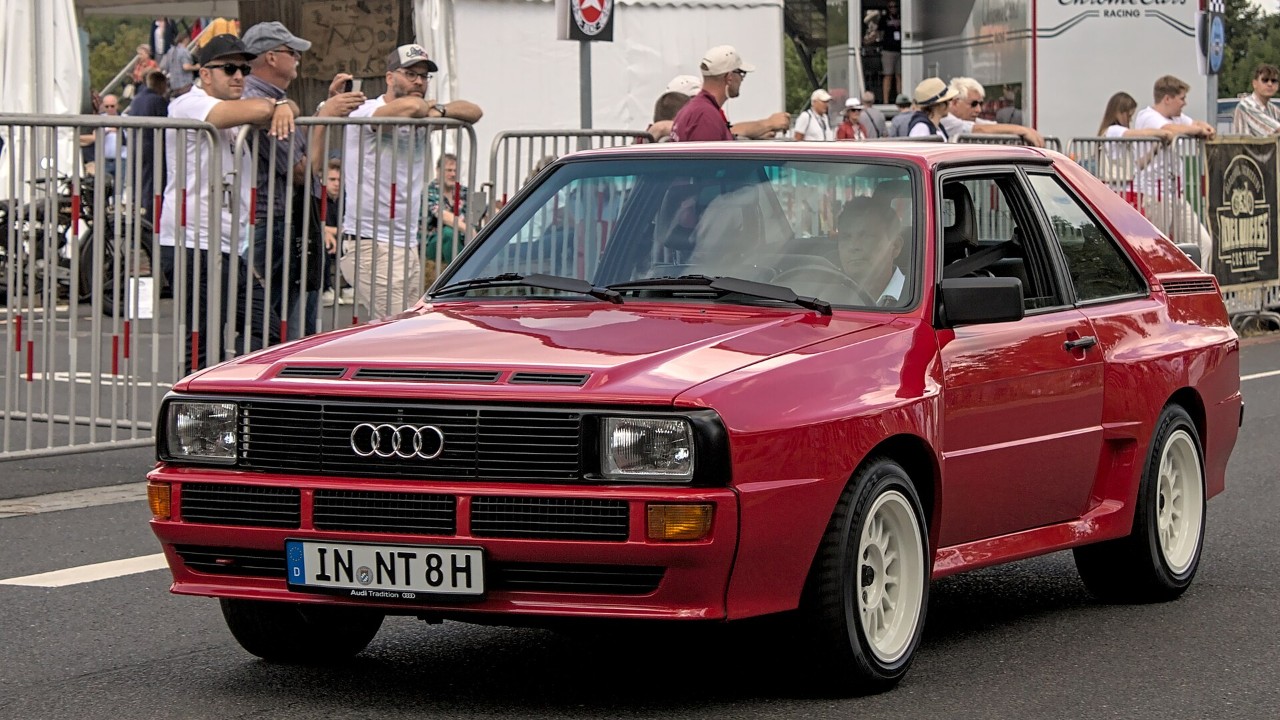
Audi built the Sport Quattro to keep its Quattro competitive in Group B rallying. Above all, the key change was a shorter car. According to RM Sotheby’s, Audi shortened the wheelbase by 12.6 inches between the B- and C-pillars. It also used GRP and carbon-Kevlar panels on a steel shell to save weight.
Power came from a 2,133 cc, 20-valve, five-cylinder engine with a KKK-K27 turbocharger. In road form, RM listed it at 302 hp, while competition versions reached roughly 450 bhp. In the end, Audi built just 214 Sport Quattros. At RM Sotheby’s Arizona sale in 2015, one sold for $401,500.
That short body was the whole point of the car, because rally stages reward agility. Our take: 214 road cars, a short wheelbase and a famous five-cylinder sound make this one of the most wanted Audis of all. In our view, every year more of them vanish into museums and private collections. For more rally-bred imports, read seven rally-bred imports that changed enthusiast culture. Finally, the record: RM Sotheby’s sold its 1984 Sport Quattro for $401,500.
More from Fast Lane Only