The Dodge Challenger has remained one of America’s most recognizable performance cars by blending bold styling with powerful engines across multiple generations. From classic muscle cars to modern supercharged machines, these Challengers helped shape Dodge’s reputation for speed, attitude, and unforgettable performance on both the street and the racetrack.
1970 Dodge Challenger R/T
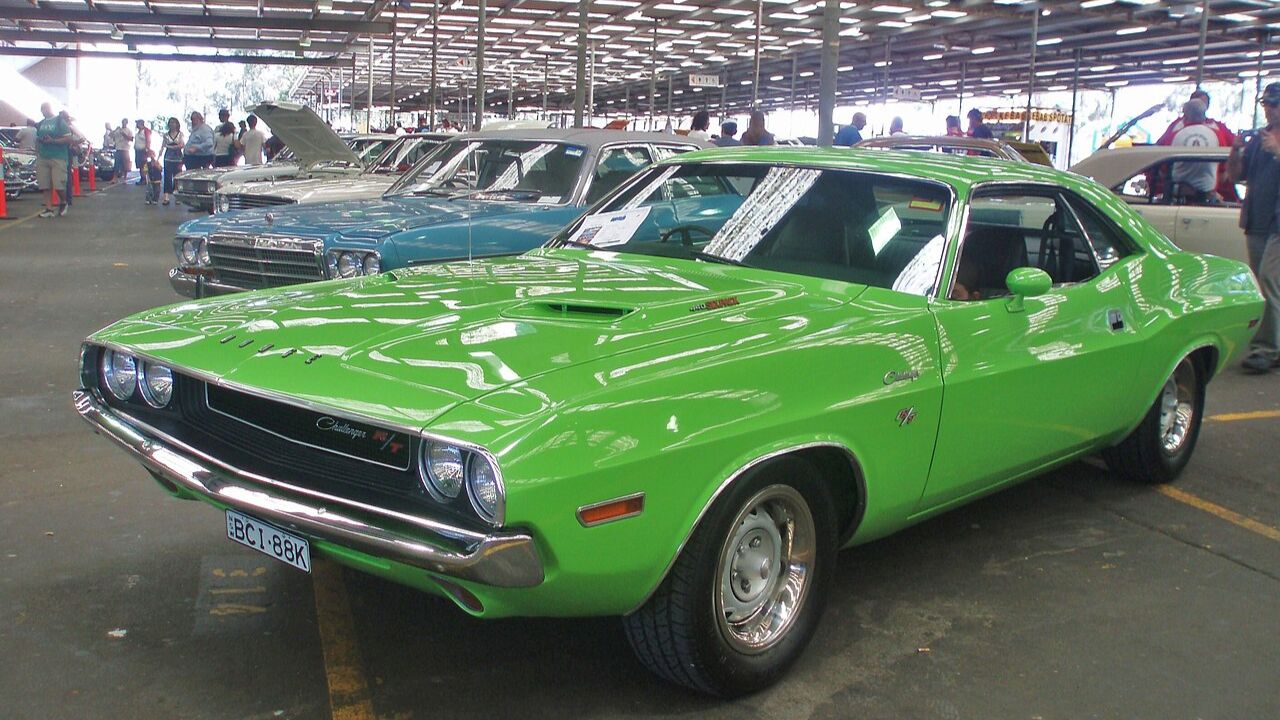
The 1970 Dodge Challenger R/T introduced the model with aggressive styling and a range of powerful V8 engines. Buyers could choose legendary options like the 426 Hemi or 440 Six Pack, making it an instant muscle car icon. Its combination of performance and unmistakable design established the Challenger as a serious competitor in the muscle car era.
1970 Dodge Challenger T/A
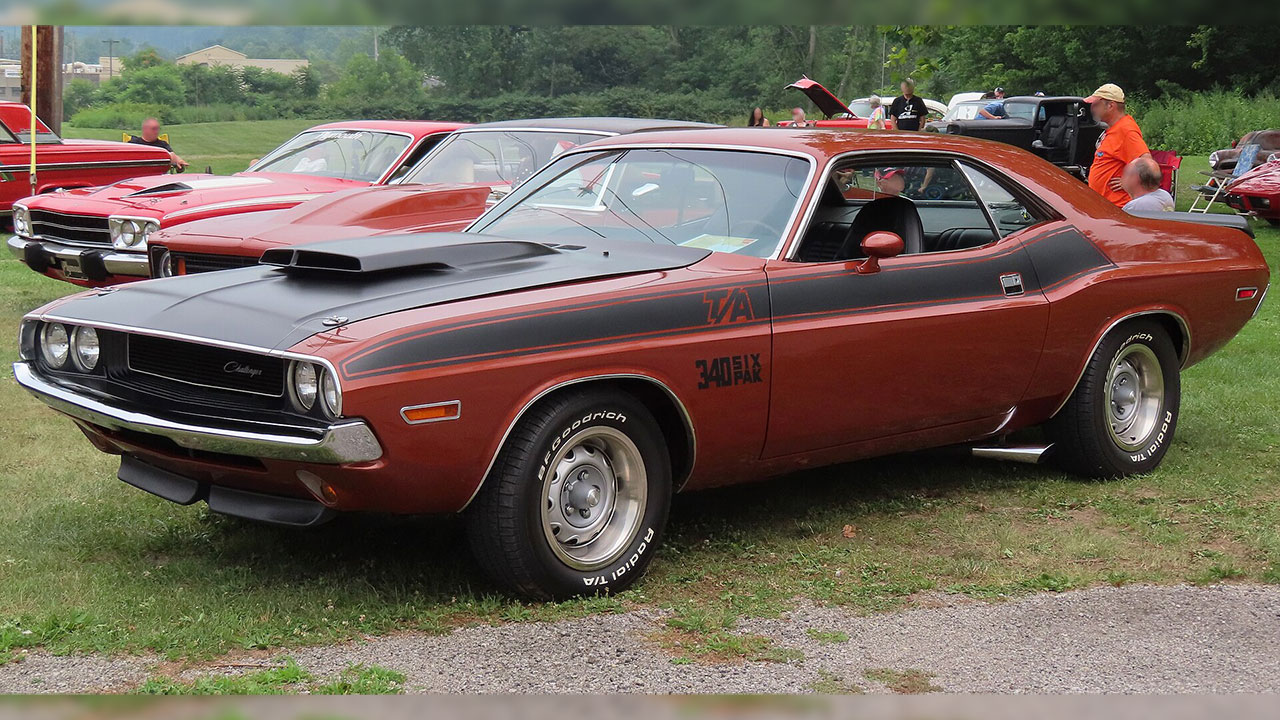
The 1970 Dodge Challenger T/A was developed to compete in Trans-Am racing, featuring a high-revving 340 Six Pack V8 and distinctive aerodynamic styling. Side-exit exhaust, fiberglass hood, and bold graphics gave it a unique personality. Its limited production and racing heritage have made it one of the most collectible classic Challengers.
1971 Dodge Challenger R/T

The 1971 Dodge Challenger R/T carried the muscle car tradition forward with updated styling and continued availability of high-performance engines. Although production numbers declined as regulations tightened, it retained the aggressive character enthusiasts admired. Today, it is valued for its rarity and its place among the final years of the original muscle car era.
1971 Dodge Challenger Convertible
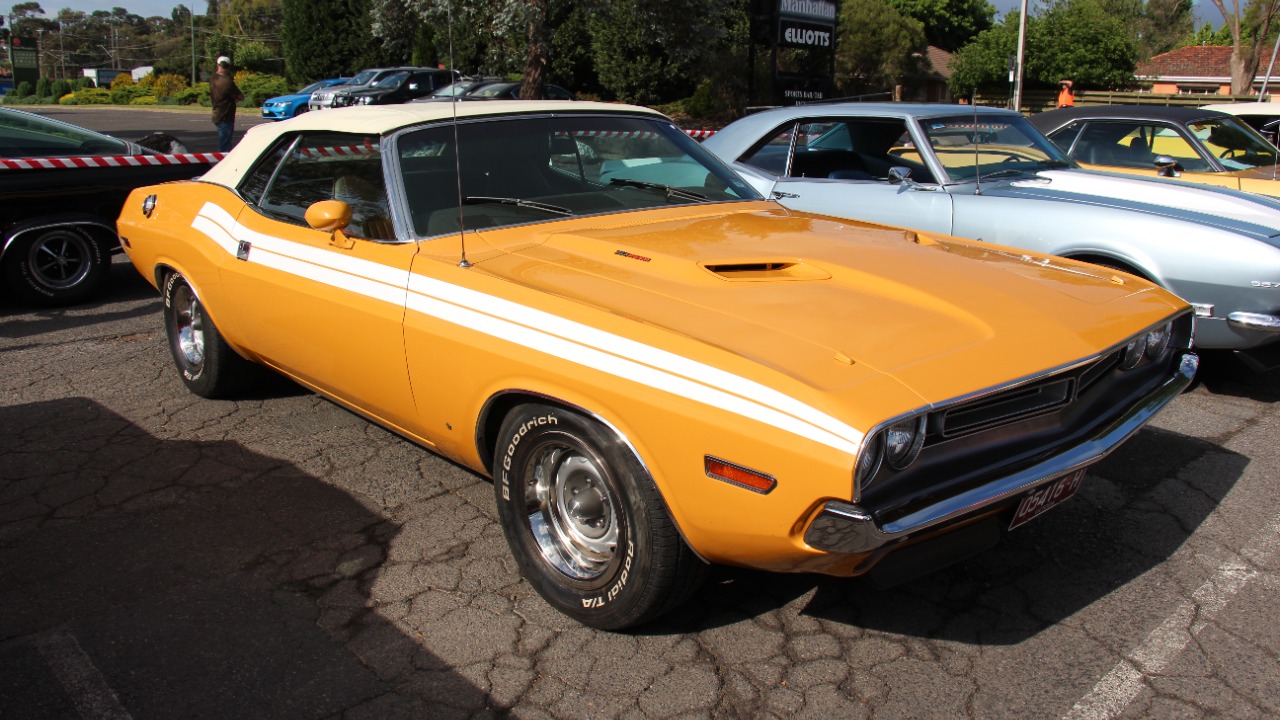
The 1971 Dodge Challenger Convertible combined open-air driving with the bold performance image of Dodge’s flagship muscle car. Produced in limited numbers, it became one of the rarest Challenger body styles. Its scarcity, distinctive appearance, and historical significance continue to make it highly desirable among collectors.
2008 Dodge Challenger SRT8
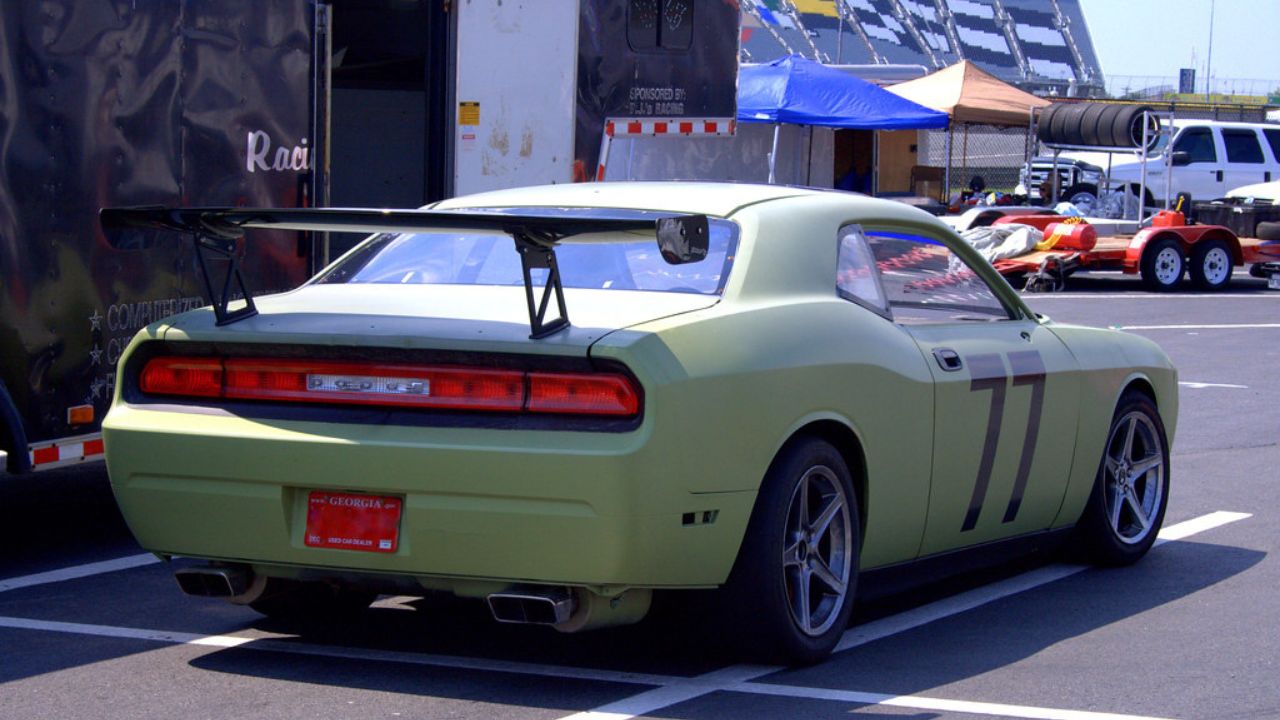
The 2008 Dodge Challenger SRT8 marked the triumphant return of the Challenger after decades away from the market. Powered by a modern Hemi V8, it blended retro-inspired styling with contemporary engineering. The successful revival proved that classic muscle car design could thrive in the modern performance era.
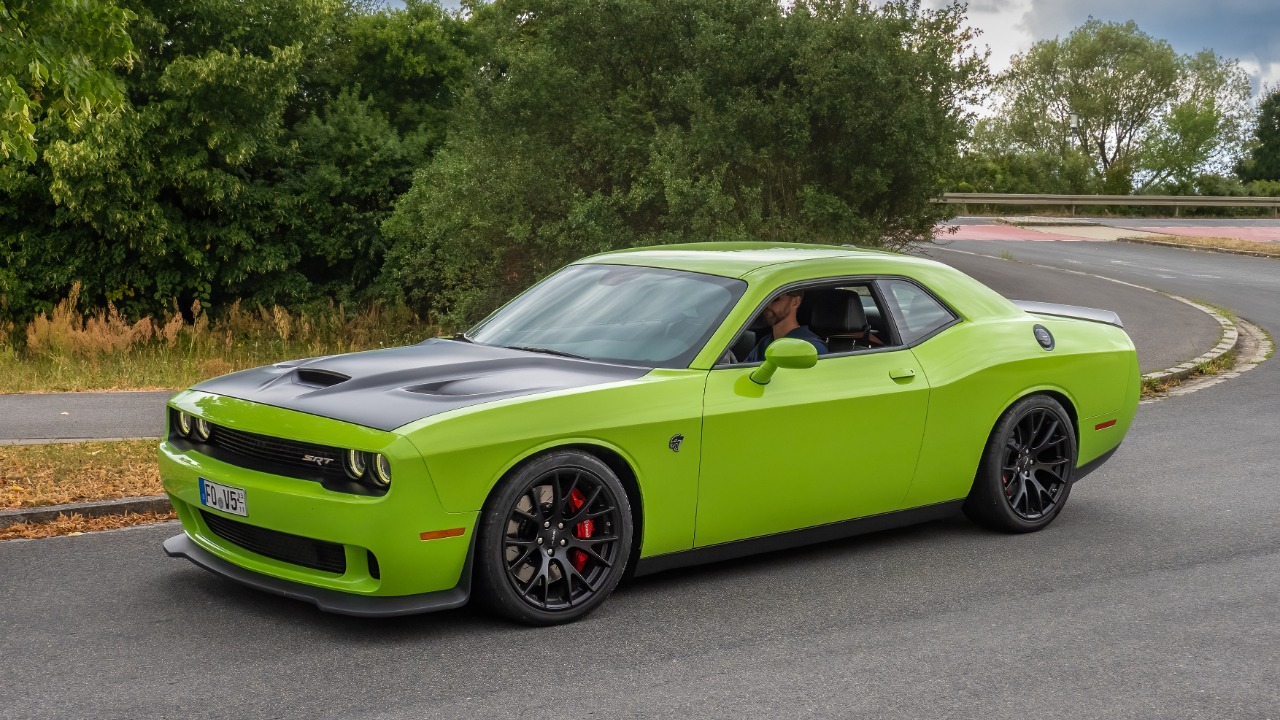
2015 Dodge Challenger SRT Hellcat
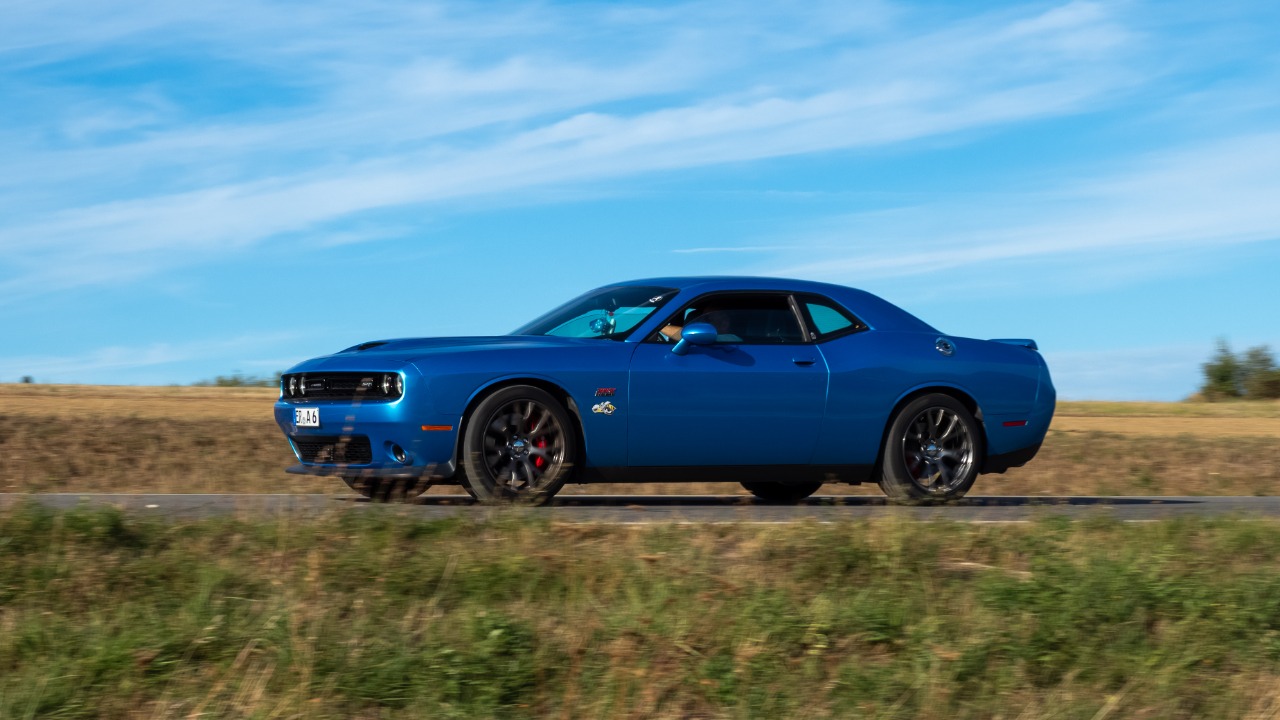
The 2015 Dodge Challenger SRT Hellcat transformed expectations with its supercharged 6.2-liter Hemi V8 producing more than 700 horsepower. It became one of the world’s most powerful production muscle cars while remaining practical enough for everyday driving. The Hellcat immediately earned legendary status among performance enthusiasts.
2018 Dodge Challenger SRT Demon
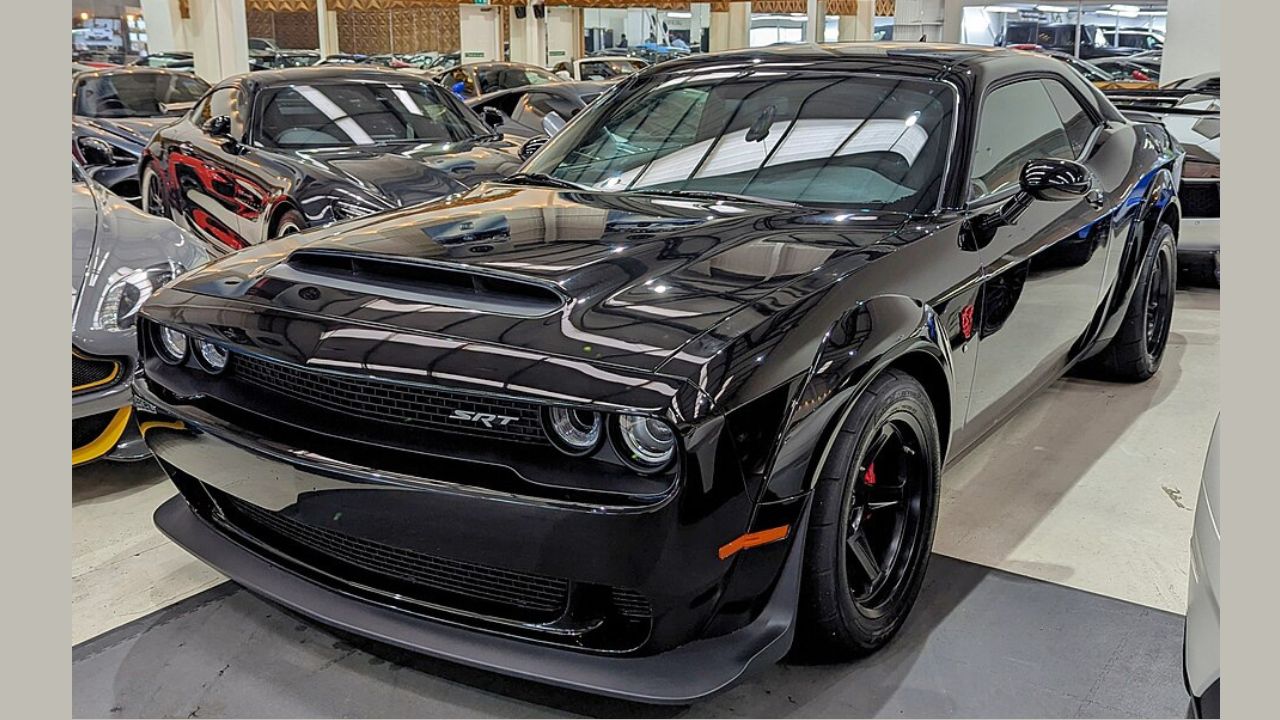
The 2018 Dodge Challenger SRT Demon was engineered specifically for drag racing, featuring specialized suspension, drag-focused technology, and extraordinary supercharged power. Designed to deliver incredible quarter-mile performance directly from the factory, it pushed the limits of what a production muscle car could accomplish.
2019 Dodge Challenger SRT Hellcat Redeye
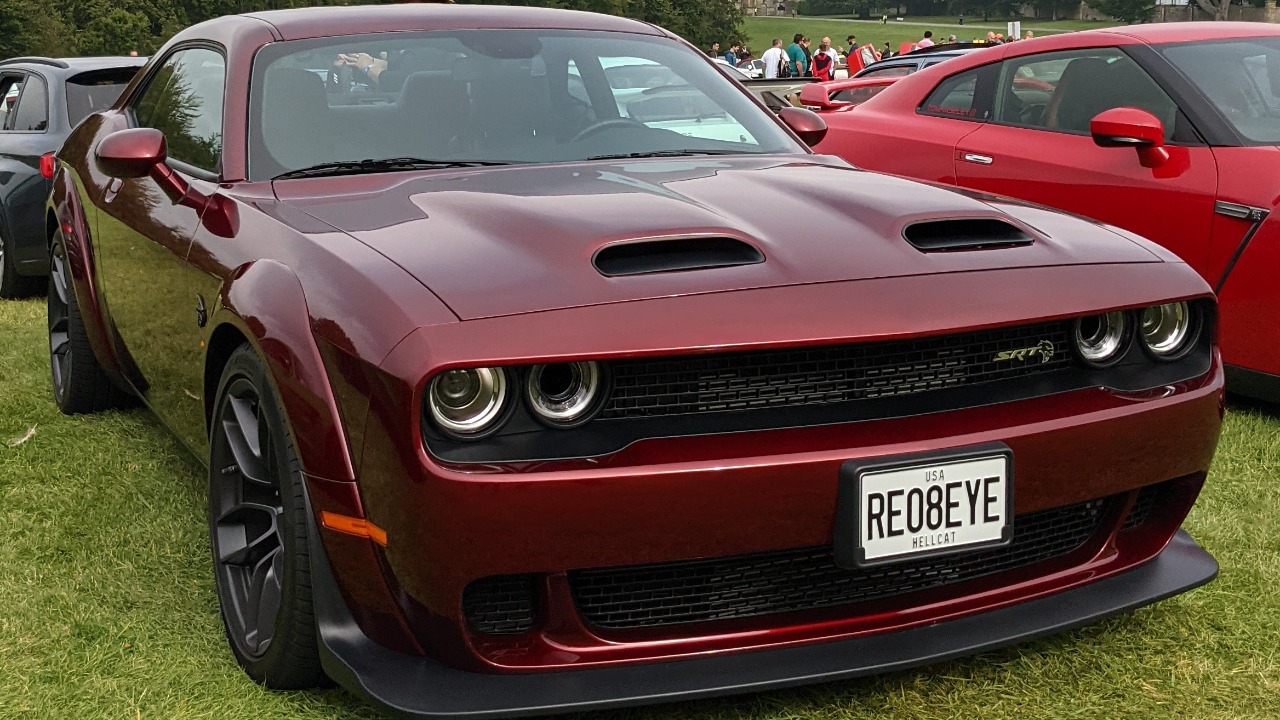
The 2019 Dodge Challenger SRT Hellcat Redeye pushed Dodge performance to another level with a supercharged 6.2-liter Hemi V8 producing 797 horsepower. Borrowing technology from the limited-production Demon, it delivered astonishing acceleration while remaining practical enough for everyday use. Its combination of extreme power, aggressive styling, and broad availability made it an instant favorite among modern muscle car enthusiasts.
2023 Dodge Challenger SRT Demon 170
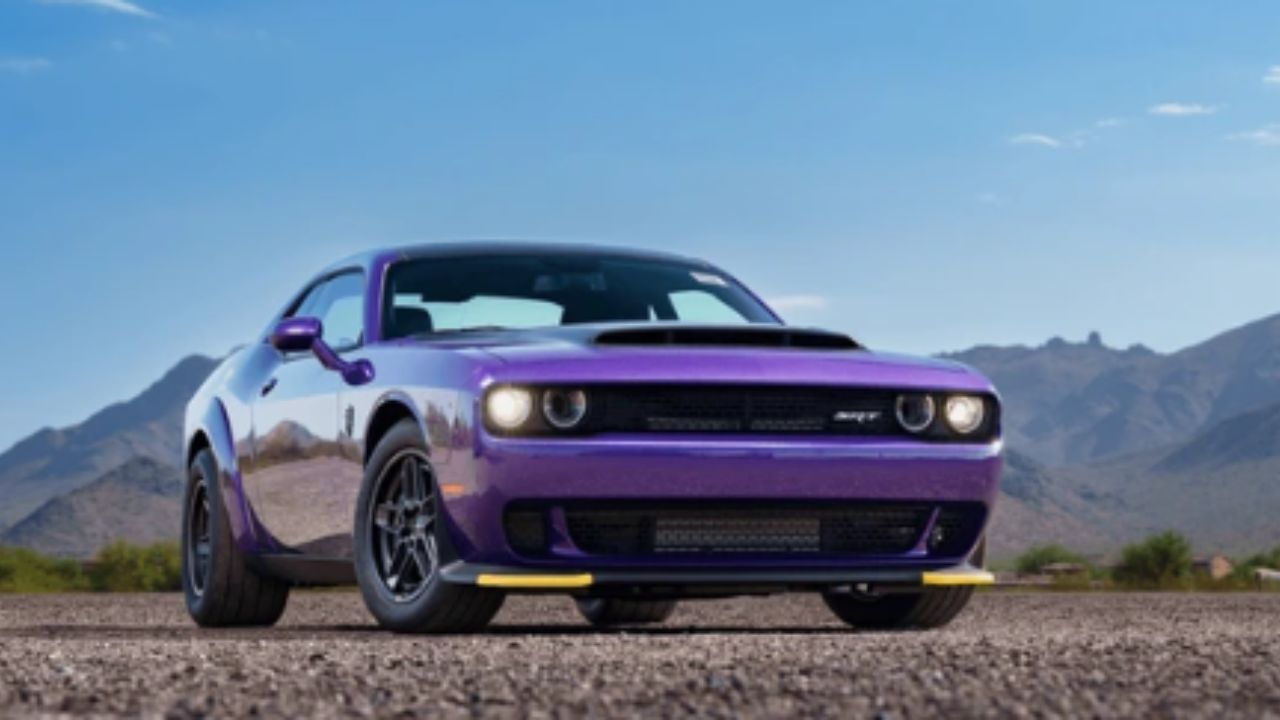
The 2023 Dodge Challenger SRT Demon 170 represented the ultimate evolution of the modern Challenger. Engineered to run on E85 fuel for maximum output, it delivered astonishing acceleration and record-setting performance. As one of the final special editions before the end of the current generation, it became an instant modern collectible.
More from Fast Lane Only
- Unboxing the WWII Jeep in a Crate
- 15 rare Chevys collectors are quietly buying
- 10 underrated V8s still worth hunting down
- Police notice this before you even roll window down
*Research for this article included AI assistance, with all final content reviewed by human editors