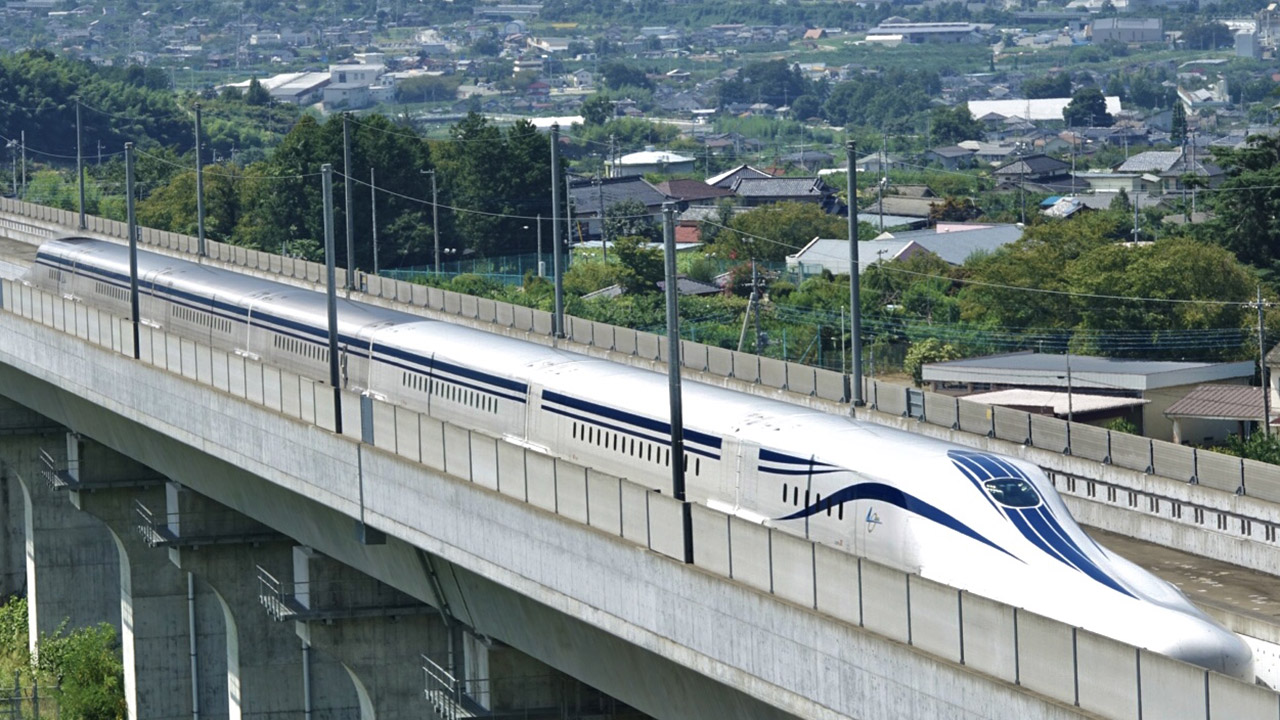
Bullet trains have revolutionized the way people travel, offering a faster, more efficient, and environmentally friendly alternative to traditional rail and air travel. They have not only reshaped the landscape of public transportation but also set a new standard for speed and efficiency. By examining their transformative impact on the travel industry, technological advancements, and role in shaping future transportation trends, we gain insight into the evolving narrative of mobility.
Historical Development and Global Expansion
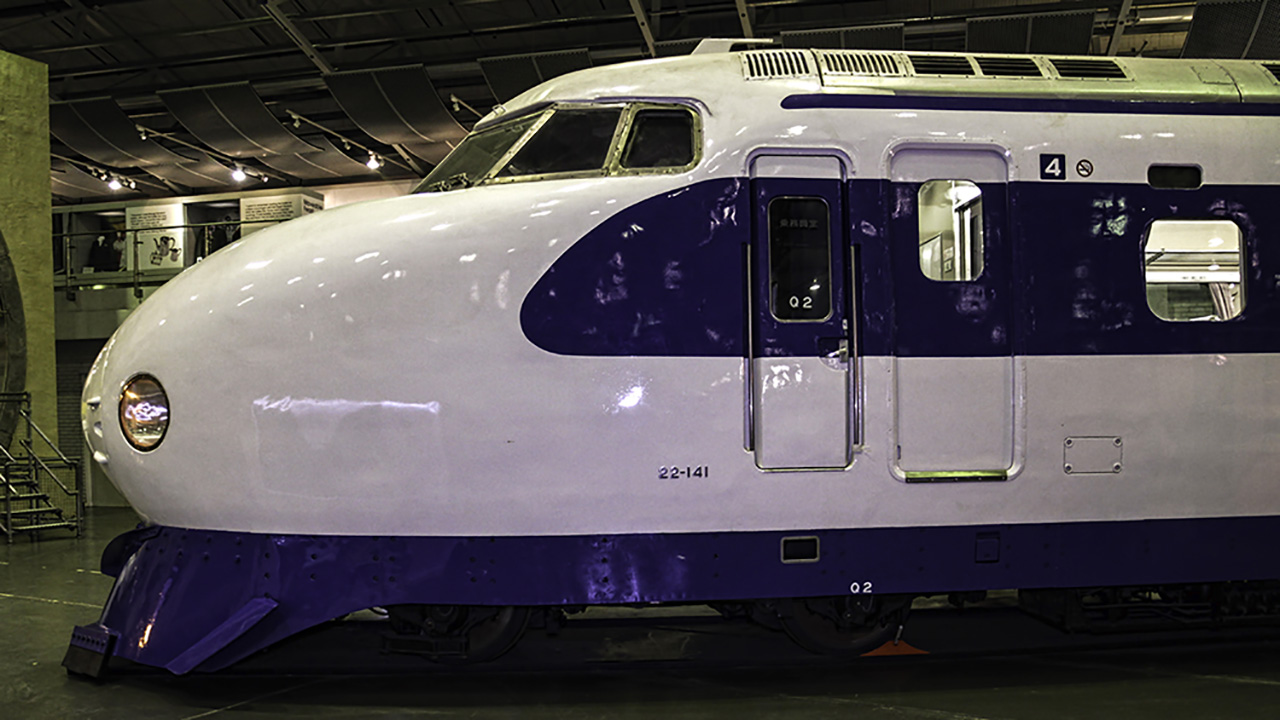
Origin of Bullet Trains
The birth of the bullet train can be traced back to Japan in the 1960s with the inception of the Shinkansen. This pioneering high-speed rail system was unveiled just in time for the Tokyo Olympics in 1964, demonstrating a remarkable engineering feat. Capable of reaching speeds of up to 210 km/h (130 mph) at that time, the Shinkansen set a new benchmark for rail travel and spurred worldwide interest in high-speed rail technology.
Global Adoption
Following Japan’s lead, countries like China, France, and Spain have adopted and adapted the bullet train model to fit their transportation needs. China’s high-speed rail network is now the largest in the world, with trains such as the Fuxing Hao operating at speeds of 350 km/h (217 mph). In Europe, France’s TGV and Spain’s AVE have become synonymous with fast and reliable travel across the continent, linking major cities and reducing travel times significantly.
Technological Innovations
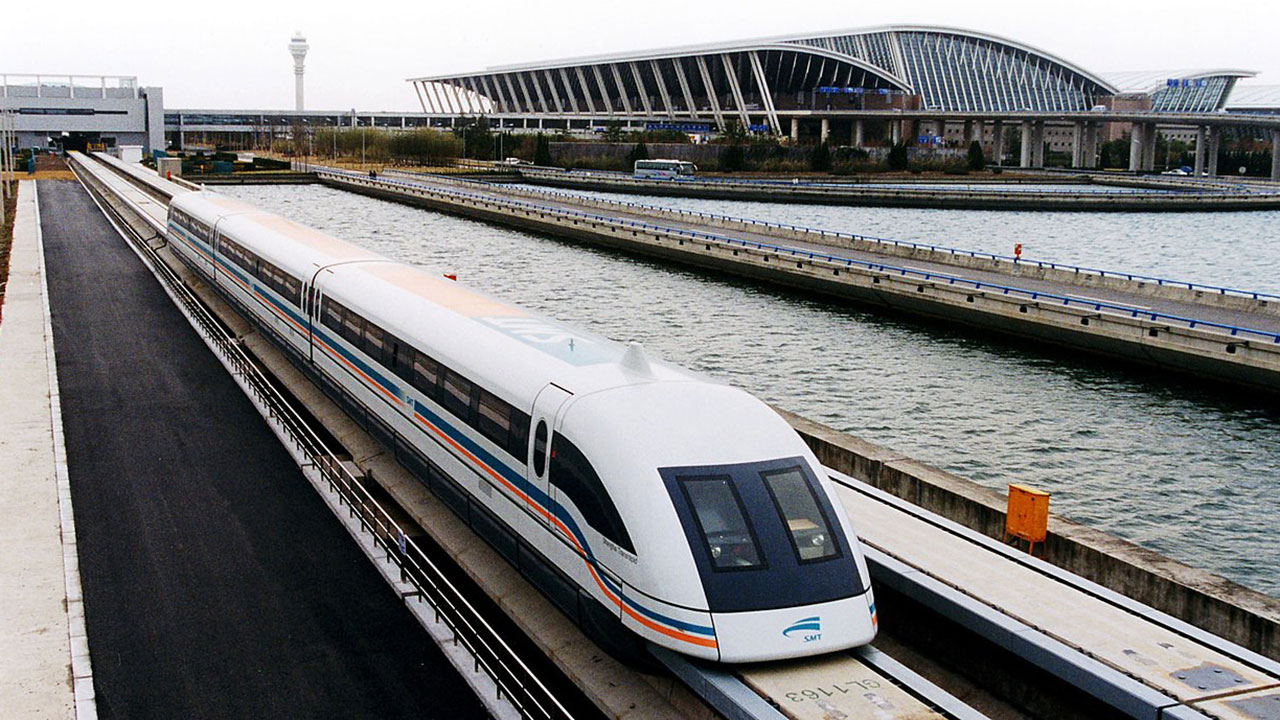
The evolution of bullet trains has been marked by significant technological innovations, including the development of maglev technology. By using magnetic levitation, maglev trains eliminate friction, enabling them to reach unprecedented speeds. This technology not only enhances the passenger experience with smoother rides but also promises to redefine the future of high-speed travel.
Economic and Social Impact
Boosting Regional Economies
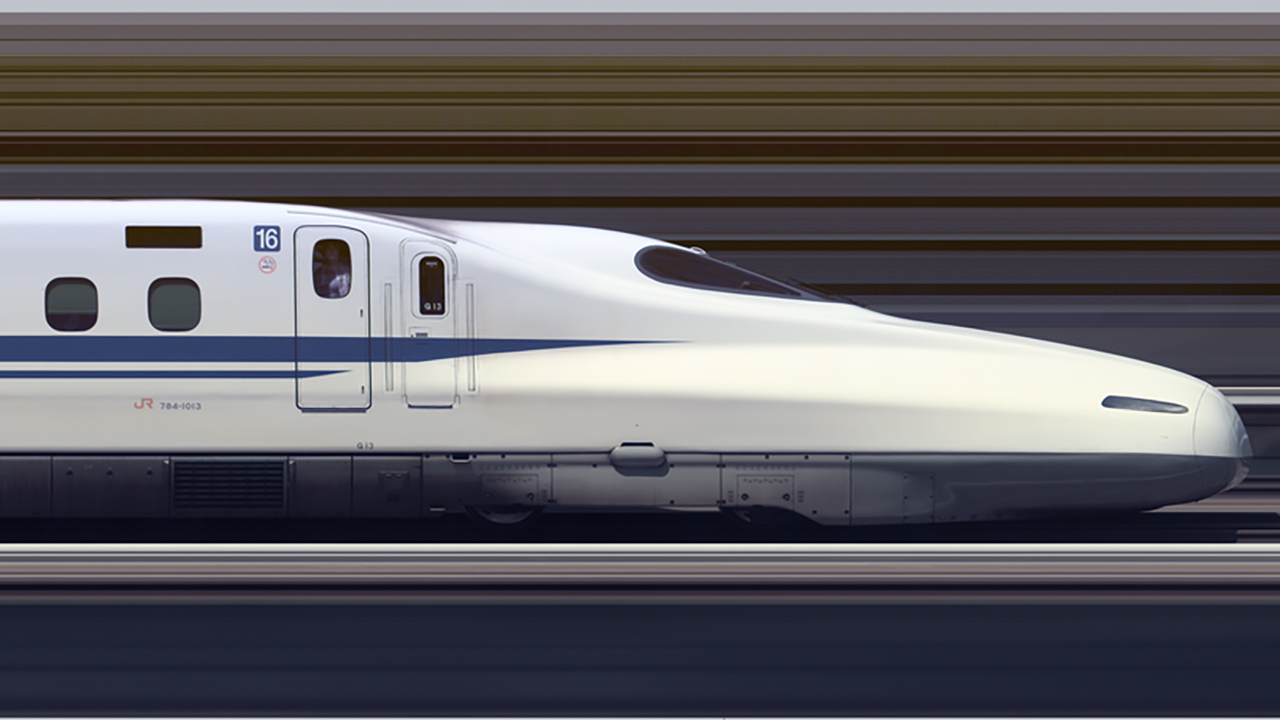
Bullet trains have played a crucial role in stimulating local economies by improving connectivity and accessibility to major cities and regions. For instance, the Shinkansen has been instrumental in decentralizing economic activities in Japan, allowing businesses to thrive in smaller cities by providing efficient transport links to major business hubs like Tokyo and Osaka.
Job Creation and Urban Development
High-speed rail projects are significant drivers of job creation and urban development. The construction and maintenance of these rail networks require a substantial workforce, leading to increased employment opportunities. Moreover, the areas surrounding train stations often experience a surge in development, with new businesses and residential areas cropping up, further spurring economic growth.
Social Connectivity
Bullet trains have greatly enhanced social connectivity by reducing travel time and making it easier for people to commute and maintain social ties across long distances. This has been particularly beneficial in densely populated regions, where people can now travel between cities for work and leisure without the stress and time constraints associated with other modes of transportation.
Environmental Benefits and Challenges

Reducing Carbon Footprint
The environmental advantages of bullet trains are particularly noteworthy, especially in terms of reducing carbon emissions compared to air and car travel. By offering a more sustainable alternative, high-speed trains contribute significantly to efforts aimed at climate change mitigation. Their energy efficiency and reliance on electricity make them a pivotal component of a greener transportation infrastructure.
Challenges in Implementation
Despite their benefits, the implementation of bullet trains is not without challenges. High construction costs and potential environmental disruptions during the development of new rail lines pose significant hurdles. These challenges require careful planning and investment to ensure that the benefits outweigh the drawbacks, both economically and environmentally.
Sustainable Travel Future
As the world grapples with climate change, bullet trains are increasingly seen as a vital part of a more sustainable global transportation network. By continuing to develop and expand high-speed rail networks, countries can reduce their reliance on fossil fuels and create a more sustainable future for travel.
Passenger Experience and Accessibility
Comfort and Efficiency
Bullet trains are renowned for their commitment to passenger comfort and efficiency. With features such as spacious seating, quiet carriages, and modern onboard amenities, they offer a travel experience that is both relaxing and time-efficient. These enhancements have made high-speed rail an attractive alternative to air travel for many passengers.
Accessibility and Inclusivity
Efforts to make bullet trains accessible to people with disabilities have been a priority for many operators. By incorporating features such as step-free access, designated seating, and onboard assistance, high-speed rail caters to a diverse range of passenger needs, promoting inclusivity and ensuring that everyone can enjoy the benefits of high-speed travel.
Customer Satisfaction and Service Quality
To attract more travelers, high-speed rail operators have focused on improving service quality and customer satisfaction. Initiatives such as streamlined ticketing processes, enhanced customer service, and frequent service updates ensure that passengers have a pleasant and hassle-free experience, further solidifying bullet trains as a preferred mode of travel.
Future Prospects and Innovations

Next-Generation Technologies
Emerging technologies such as hyperloop offer exciting prospects for the future of high-speed travel. By utilizing vacuum tubes and magnetic propulsion, these systems promise to achieve speeds far beyond those of traditional bullet trains, potentially revolutionizing the way people travel long distances.
Global Network Expansion
The expansion of high-speed rail networks continues to be a focus for many countries, including proposed projects in the United States. As plans for new lines gain momentum, the potential for a comprehensive global network becomes increasingly feasible, offering faster and more efficient travel options worldwide.
Integration with Other Transport Modes
Integrating bullet trains with other forms of transportation, such as air travel and urban transit systems, is essential for creating seamless travel experiences. By developing comprehensive intermodal networks, travelers can enjoy convenient and efficient journeys from start to finish, further enhancing the appeal of high-speed rail.
Like Fast Lane Only’s content? Be sure to follow us.
Here’s more from us:
*Created with AI assistance and editor review.