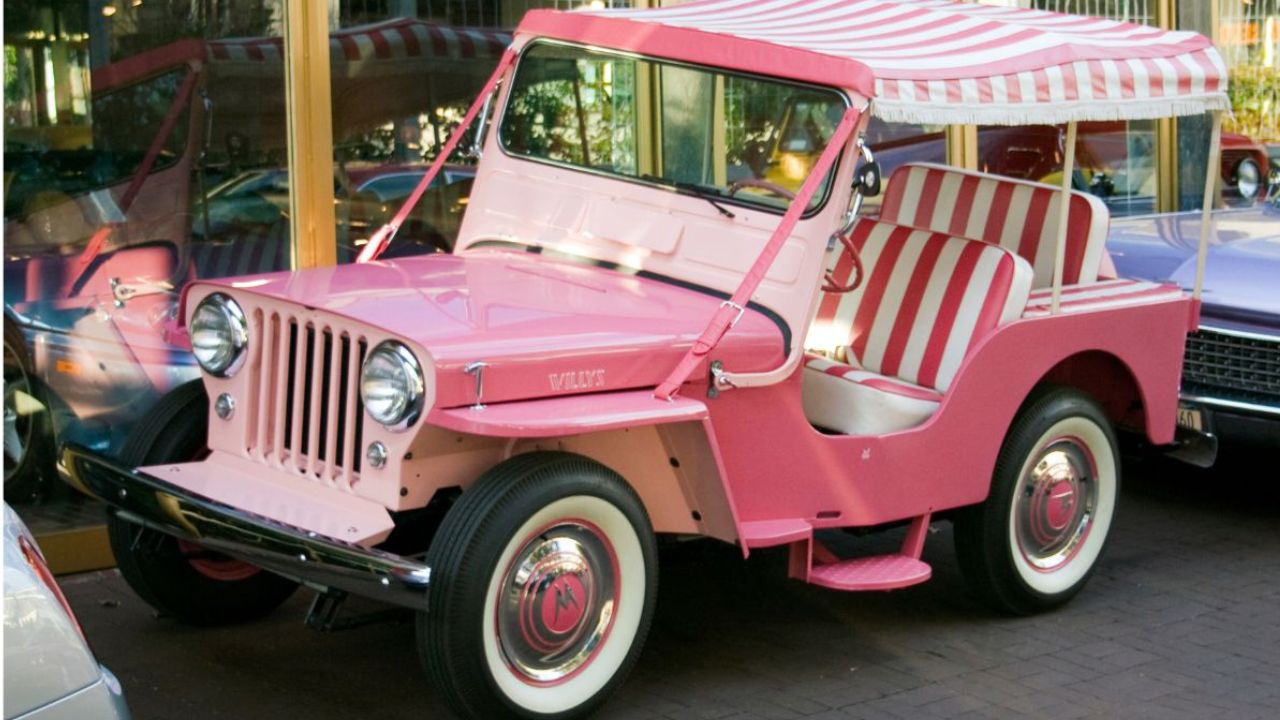
The 1965 Jeep DJ looked unlike almost anything else on American roads. Sharing much of its design with the rugged Jeep CJ but built primarily for paved streets, it became an unexpected favorite for mail delivery. Its unique combination of durability, compact size, and practical design helped it earn a lasting place in postal history.
It Was Designed for Streets Instead of Trails
Although it resembled the off-road-oriented Jeep CJ, the Jeep DJ—short for “Dispatcher”—was created with urban and suburban driving in mind. Unlike its four-wheel-drive sibling, the DJ featured rear-wheel drive, making it simpler, lighter, and less expensive to operate on paved roads where extra traction was unnecessary.
The vehicle’s compact dimensions allowed drivers to navigate narrow streets, crowded neighborhoods, and tight parking areas with ease. Its short wheelbase also made U-turns and curbside stops much more manageable during long delivery routes that required constant maneuvering.
Jeep engineers emphasized reliability over complexity. By using proven mechanical components and a straightforward drivetrain, the DJ offered dependable transportation that could withstand years of repetitive stop-and-go driving without requiring excessive maintenance.
This practical approach made the DJ attractive to commercial operators looking for a hardworking utility vehicle rather than an off-road adventure machine.
Right-Hand Drive Made Mail Delivery Easier
One of the Jeep DJ’s most distinctive features was its available right-hand-drive configuration. While unusual for American vehicles, this layout perfectly suited postal workers who spent much of their day reaching roadside mailboxes without repeatedly leaving the driver’s seat.
The arrangement improved efficiency by reducing unnecessary movement during deliveries. Carriers could access mailboxes more comfortably while remaining closer to the curb, making each stop quicker and safer than with a conventional left-hand-drive vehicle.
The right-hand-drive option also reduced exposure to traffic. Drivers spent less time stepping into busy streets, an important advantage on routes with hundreds of daily stops. These practical benefits quickly made the DJ one of the most recognizable vehicles in postal service fleets.
Although other manufacturers eventually offered purpose-built postal vehicles, the Jeep DJ established an early standard for efficient curbside mail delivery.
Its Simple Construction Kept Fleets Running
Mail vehicles face demanding conditions that differ from ordinary passenger cars. Constant idling, frequent stops, low-speed operation, and daily use place exceptional stress on mechanical components. The Jeep DJ’s straightforward engineering proved well suited to those challenges.
Its rugged chassis and dependable engines handled repetitive use with relatively few complicated systems to maintain. Fleet mechanics appreciated the vehicle’s accessibility, allowing repairs to be completed quickly and economically without specialized equipment.
The DJ also offered flexible body styles that could accommodate cargo, parcels, and delivery equipment. Large door openings and generous interior space made loading and unloading mail more efficient throughout the workday.
These qualities helped keep operating costs under control while maximizing vehicle availability, making the DJ an appealing choice for organizations managing large delivery fleets.
A Lasting Symbol of Everyday American Service
Although newer postal vehicles eventually replaced the Jeep DJ, its influence remained visible for decades. Countless Americans grew accustomed to seeing its distinctive shape traveling through neighborhoods as part of the daily routine of mail delivery.
The vehicle became associated with dependable public service rather than recreational driving. Unlike many classic Jeeps remembered for rugged off-road adventures, the DJ earned its reputation through quiet reliability and consistent performance on city streets and suburban routes.
Collectors today appreciate the DJ not only for its unusual appearance but also for the important role it played in everyday American life. Right-hand-drive examples are especially sought after because they represent one of the vehicle’s most distinctive characteristics.
Looking back, the 1965 Jeep DJ proved that practical engineering could leave a lasting legacy. What began as a simple utility vehicle became one of America’s most recognizable mail trucks, demonstrating that durability, efficiency, and thoughtful design often matter more than flashy performance.
More from Fast Lane Only
- Unboxing the WWII Jeep in a Crate
- 15 rare Chevys collectors are quietly buying
- 10 underrated V8s still worth hunting down
- Police notice this before you even roll window down
*Research for this article included AI assistance, with all final content reviewed by human editors