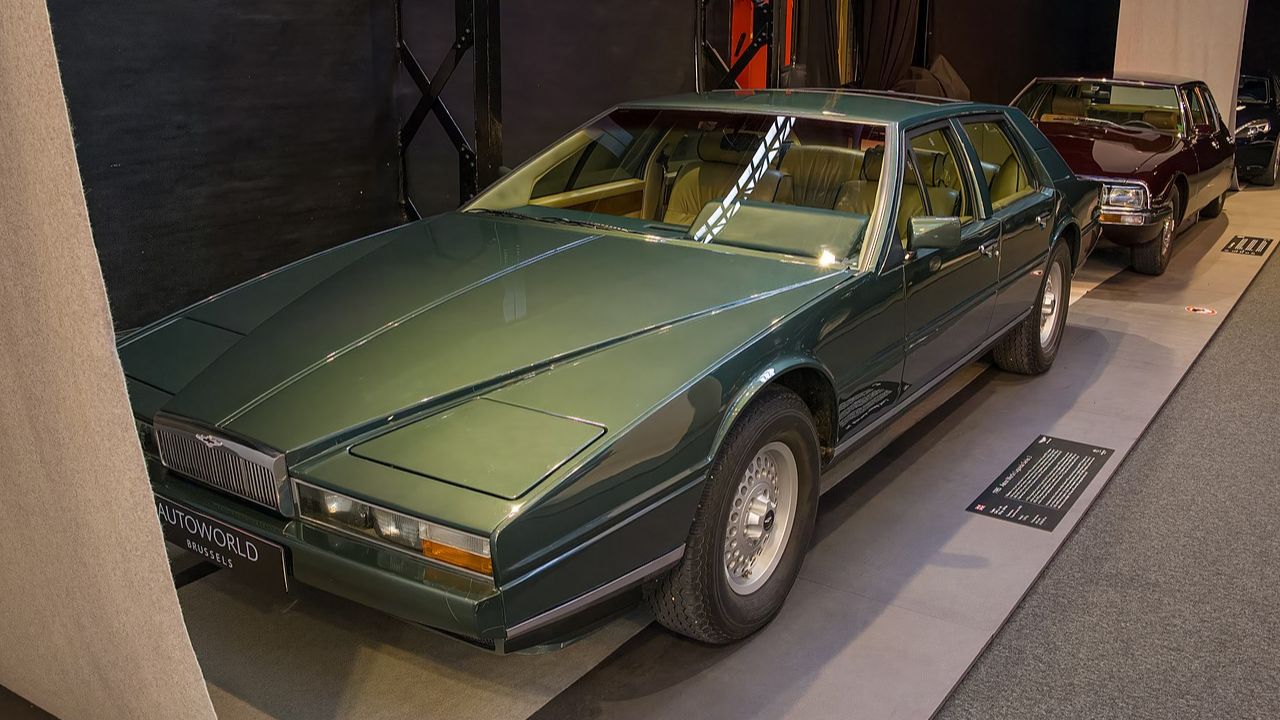
The Aston Martin Lagonda, a car that defies conventional design and engineering, celebrates its 50th anniversary in 2026. With its iconic wedge shape and futuristic features, the Lagonda remains a striking symbol of automotive innovation and luxury.
A Brief History of the Lagonda
The origins of the Lagonda brand date back to 1906 when it was founded by Wilbur Gunn in Staines, England. Initially, Lagonda produced luxury sports cars and established a reputation for quality and performance. However, in 1947, the company merged with Aston Martin, which significantly changed its trajectory and brought a new level of prestige to the brand. The collaboration aimed to combine the engineering prowess of Aston Martin with the elegance associated with Lagonda.
Fast forward to the mid-1970s, and the Lagonda was officially introduced in 1976 as a luxury saloon car that turned heads with its radical design. The visionary behind this striking vehicle was William Towns, a talented designer who sought to create a car that would embody futuristic aesthetics while maintaining high-performance standards. Towns’ design was not just about looks; it was also about redefining what luxury meant in the automotive world. His work on the Lagonda set new standards for style and innovation, making the vehicle an instant classic.
The Design Philosophy Behind the Wedge Shape
The distinctive wedge shape of the Lagonda was groundbreaking for its time. This aerodynamic design not only contributed to a more dynamic appearance but also improved the car’s performance by reducing drag. The flat surfaces and sharp angles were a stark contrast to the more rounded shapes prevalent in the automotive design of the 1970s. The Lagonda’s silhouette was a bold statement, reflecting the optimism and forward-thinking spirit of the era.
Contemporary design trends heavily influenced this unique shape. Influenced by the space-age aesthetic of the 1970s, the Lagonda encapsulated the fascination with the future. Designers like Towns sought to push boundaries, and the Lagonda was a manifestation of that ambition. It stood as a beacon of creativity, demonstrating how automotive design could be both functional and visually arresting. This approach to design not only set the Lagonda apart but also hinted at the possibilities of future automotive innovations.
Innovative Features and Technology
The Lagonda was packed with pioneering technologies that were revolutionary for its time. One of its standout features was its digital instrumentation, a rarity among luxury vehicles in the 1970s. The dashboard integrated a digital display that provided real-time data to the driver, making it not only stylish but also functional. This innovation paved the way for the digital dashboards we see in modern cars today, illustrating how the Lagonda foresaw the evolution of automotive technology.
In addition to its technological advancements, the Lagonda also boasted a luxurious interior that redefined comfort in automobiles. The plush leather seats, intricate woodwork, and advanced sound systems created an opulent atmosphere that was unmatched by its contemporaries. The attention to detail extended to every aspect of the vehicle, from the materials used to the craftsmanship involved in its assembly. Comparing the Lagonda’s tech to other luxury vehicles of its era, it becomes clear that Aston Martin was not just keeping pace but leading the charge in automotive innovation.
Cultural Impact and Reception
The Lagonda received mixed reviews upon its release, with automotive critics divided over its avant-garde design. Some praised it as a bold step forward in luxury car design, while others found it too radical for traditional tastes. Regardless of the initial reception, the Lagonda quickly found a dedicated following among enthusiasts and collectors, solidifying its status as an iconic vehicle. The car’s unique aesthetics and technological features made it a topic of conversation in automotive circles, and it became synonymous with luxury and exclusivity.
Modern Interpretations and Revivals
In 2014, Aston Martin unveiled a concept for a modern Lagonda, reimagining the luxury sedan for a new era. This revival aimed to blend the classic design elements with contemporary technology and luxury features, catering to a new generation of car buyers. The concept showcased the potential for the Lagonda brand to evolve while maintaining the spirit of its original design. This modern interpretation received positive feedback, highlighting the continued relevance of the Lagonda’s design philosophy.
Current trends in automotive design reflect a return to bold and innovative shapes, echoing the Lagonda’s original vision. As the industry moves toward electric vehicles and sustainable practices, there is potential for the Lagonda name to reemerge in the luxury market. Future possibilities for the brand may include electric models that retain the distinctive wedge shape while incorporating cutting-edge technology and sustainable materials.
Collectibility and Market Value
The market value of the Lagonda has shown considerable fluctuation over the decades, influenced by factors such as condition, provenance, and rarity. As demand for classic cars continues to rise, the Lagonda has become a sought-after model among collectors. Its unique design and historical significance contribute to its collectibility, with well-preserved models fetching impressive prices at auctions.
Notable auctions have featured the Lagonda, showcasing its appeal to high-end collectors. For instance, a pristine 1980 Lagonda sold for a substantial sum, illustrating the vehicle’s growing status in the collector community. The factors influencing its collectibility include its limited production numbers and the iconic status it has achieved over the years. As more enthusiasts recognize the Lagonda’s significance, its market value is expected to rise further.
Maintenance and Ownership Experience
Owning a Lagonda comes with its own set of challenges, particularly in terms of maintenance. Parts for these classic cars can be difficult to source, and finding skilled technicians familiar with the unique engineering of the Lagonda can be daunting. However, many owners find the experience rewarding, as they appreciate the craftsmanship and history behind their vehicles.
Insights from current Lagonda owners reveal a passion for the driving experience. Many describe the feeling of being behind the wheel as exhilarating, noting the smooth ride and powerful performance. Resources for enthusiasts looking to own a Lagonda include dedicated online forums and clubs, where members share tips on maintenance, restoration, and the joys of ownership. These communities play a vital role in preserving the legacy of the Lagonda and fostering a sense of camaraderie among enthusiasts.
The Lagonda’s Legacy in Automotive Design
The impact of the Lagonda on future luxury vehicles and design paradigms cannot be overstated. Its bold aesthetics and innovative features paved the way for other manufacturers to explore unconventional designs, leading to a more diverse array of vehicles in the luxury market. The Lagonda’s influence is evident in modern luxury cars, which often incorporate elements of its design philosophy, such as sleek lines and advanced technology.
Reflecting on the Lagonda’s legacy teaches us valuable lessons about innovation in the automotive industry today. It serves as a reminder that pushing boundaries can lead to remarkable advancements and that the pursuit of excellence in design and engineering is a timeless endeavor. As we celebrate the Lagonda’s 50th anniversary, its spirit of innovation continues to inspire the next generation of automotive designers and enthusiasts alike.
More from Fast Lane Only