Front-wheel drive was once a strange idea, and the Lancia Flavia was the first Italian production car to use it. By 1967, the Simca 1100 had put the layout under an everyday French hatchback, and East German two-strokes used it too. These 19 are our picks, the forgotten front-drivers we’d keep for good.
The verdict on each car is our opinion and nothing more. However, every year, engine size and production figure below comes from a club, a museum, a maker’s heritage page or a period history linked in that entry.
1. 1960–1980 Saab 96
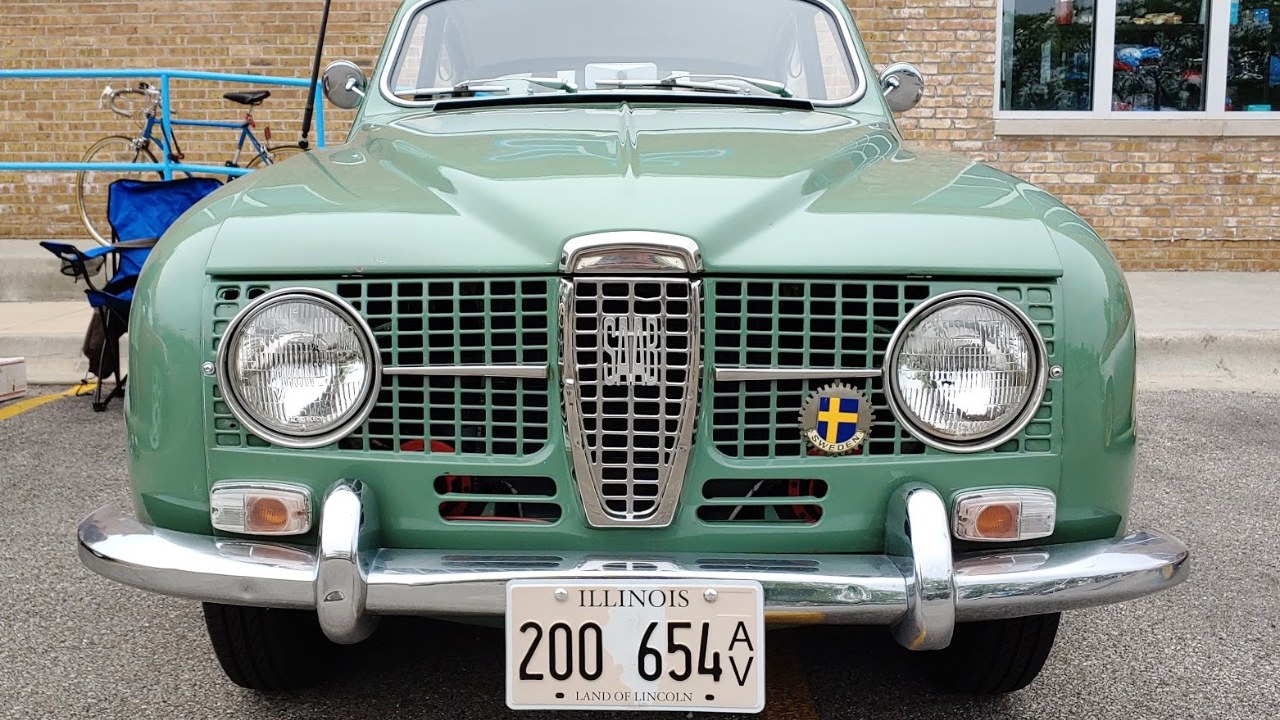
Saab’s 96 arrived in 1960 with an 841cc three-cylinder two-stroke driving the front wheels. Then, in 1967, a Ford-sourced 1.5-litre V4 took over, and Saab kept the freewheel. That two-stroke had only seven moving parts. Erik Carlsson also won the 1961 RAC Rally in one.
We’d hang on to a 96 because few small cars evolved so steadily without losing their shape. According to Hagerty’s UK buying guide, the 1972 car was the first offered with factory electrically heated seats. Saab built about 329,000 saloons, and the last one came from Valmet’s plant in Finland in 1980.
2. 1970–1986 Citroën GS
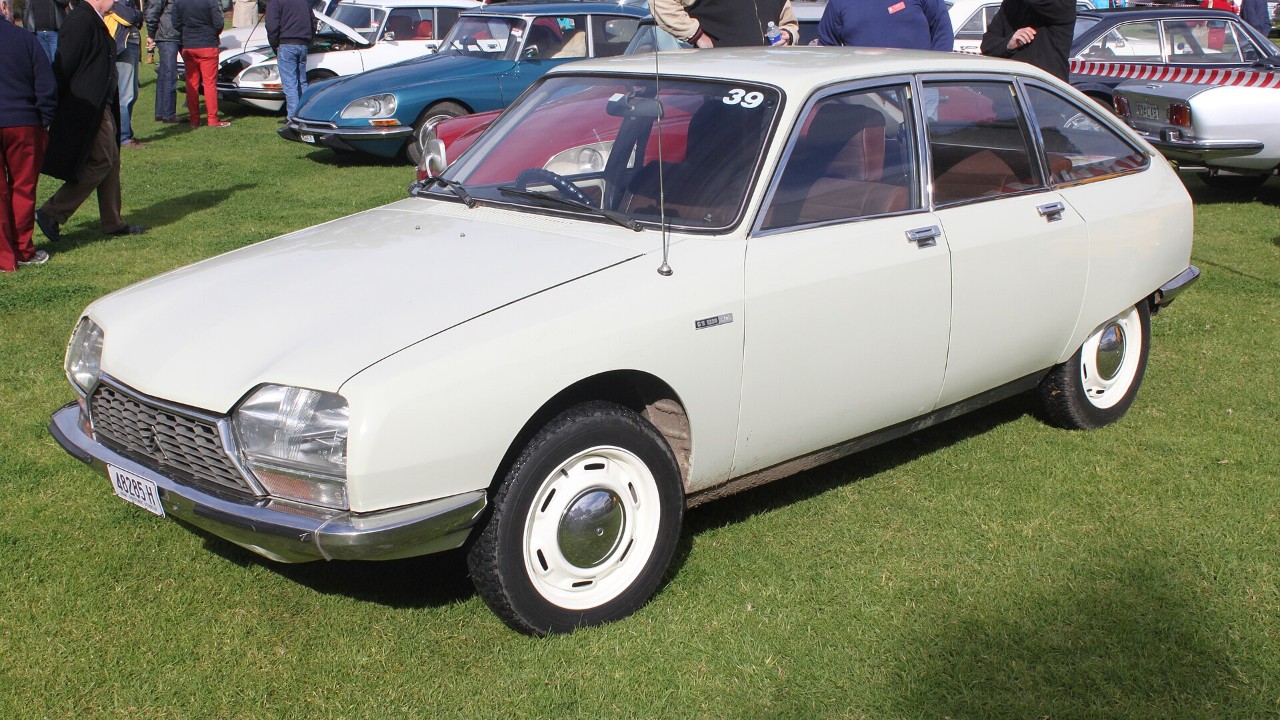
Citroën gave its 1970 compact full hydropneumatic suspension, a feature buyers usually found on far pricier cars. Instead of a water-cooled engine, power came from an air-cooled flat-four. The launch engine measured 1,015cc and made 55.5 bhp, while a 1,222cc version followed in 1973, as Citroënët’s GS history records.
In our view, the GS is the cleverest car here for the money. Citroën built about 2.5 million in France alone, according to Curbside Classic. By contrast, the rotary-engined version reached only about 850 cars between 1973 and 1975. Later, the 1979 GSA added a full hatchback.
3. 1961–1978 Citroën Ami
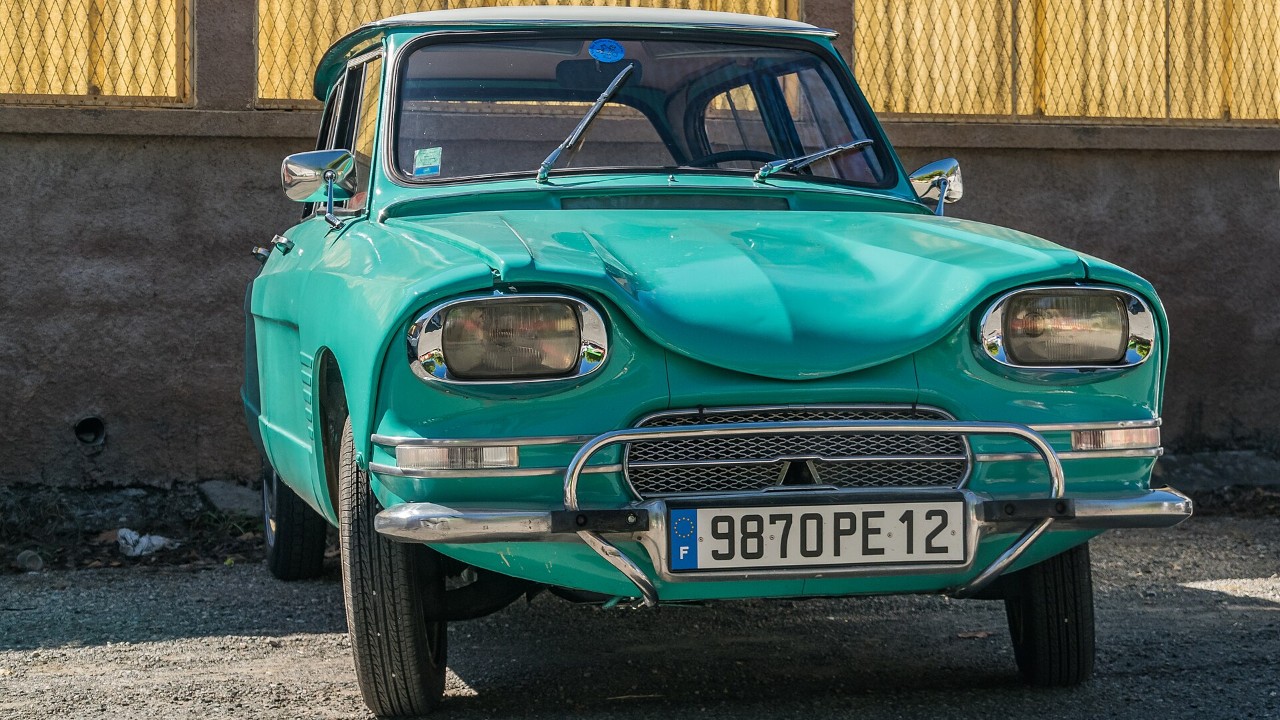
The Ami took 2CV mechanicals and wrapped them in a body with a reverse-sloping rear window. As a result, that odd glass gave a wide rear view and a bigger trunk. Under the hood sat a 602cc air-cooled twin with 35 bhp, according to the Lane Motor Museum, which lists a 69 mph top speed.
Our take: anyone who calls it ugly hasn’t packed that trunk. The museum counts 1,039,384 Ami 6 cars built from 1961 to 1971. Meanwhile, the Ami 8 update arrived in 1968, and Curbside Classic’s Ami history puts total Ami sales at 1.5 million.
4. 1965–1980 Renault 16
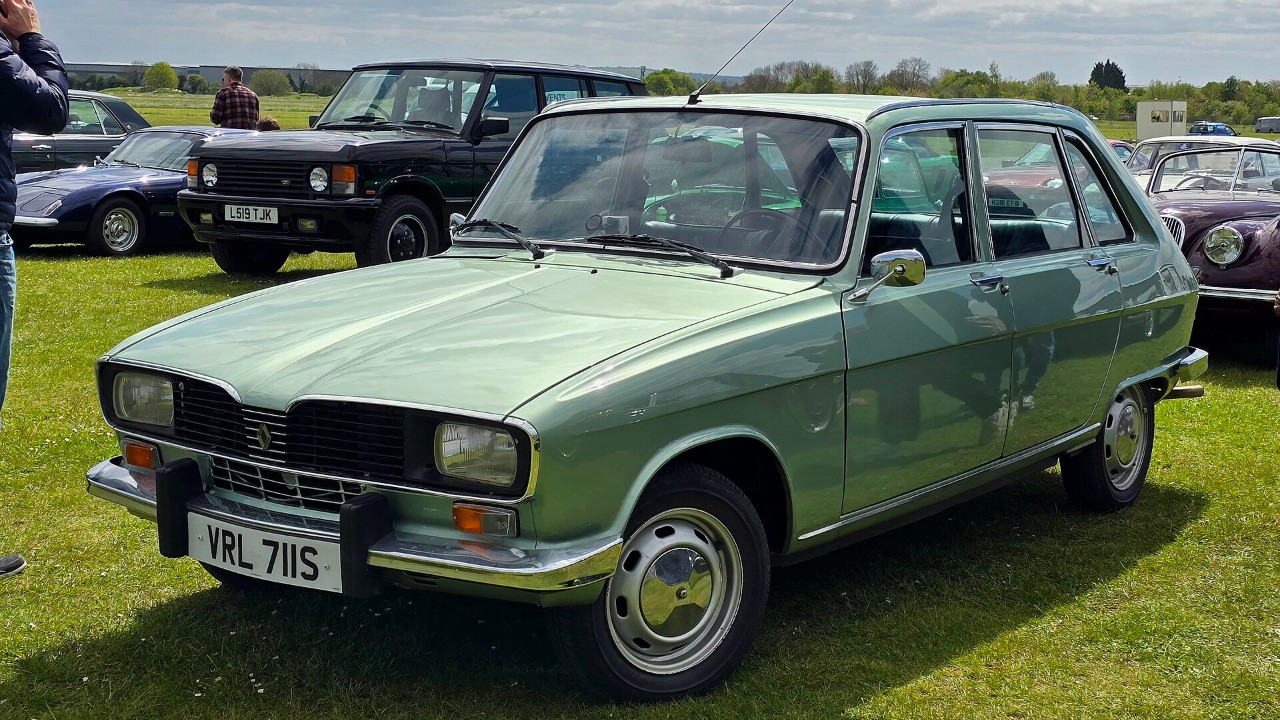
Renault began building the 16 in the first week of January 1965, and showrooms had it three months later. Its Cléon-Alu engine also used an aluminium block and head. At launch, the 1,470cc four made 54 bhp, and the 1968 TS raised that to 83 bhp from 1,565cc.
We’d never part with one, mostly because of the rear seat. It folds and adjusts, so load space runs from 346 to 1,200 litres, as Classic & Sports Car explains. The 16 also became the first French winner of European Car of the Year. In the end, Renault built 1,851,502.
5. 1961–1992 Renault 4
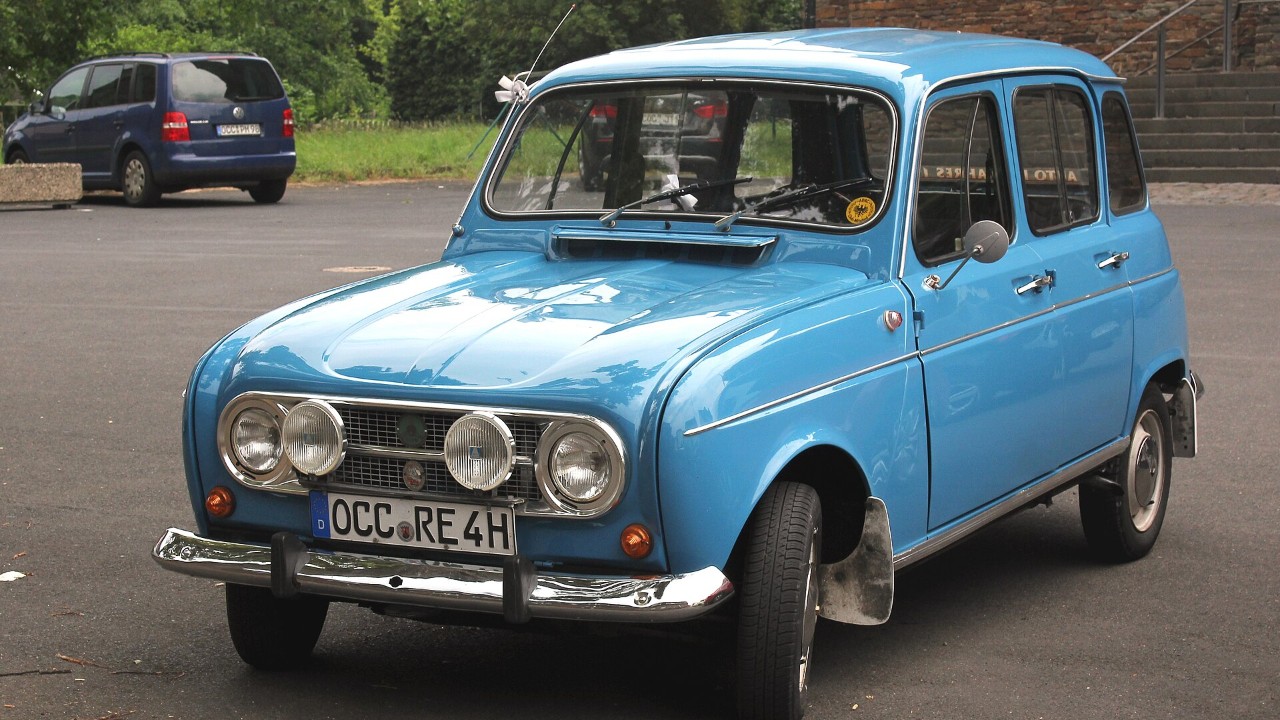
This was the first Renault passenger car with front-wheel drive, according to Renault’s Originals museum. Its two-box body bolted to a platform, and a rear “service door” worked like an early tailgate. Over the years, engines grew from 603cc to 1,108cc.
Our view is simple: no car here earns its keep better. Renault built 8,135,424 of them, enough for the museum to rank it the fourth most produced car in the world. Meanwhile, French production ended in December 1992 with a 1,000-car “Bye-Bye” edition, notes Classics World. That guide also reports that a restored 1986 GTL sold for £11,500 at Mathewsons in 2025.
6. 1965–1976 Peugeot 204
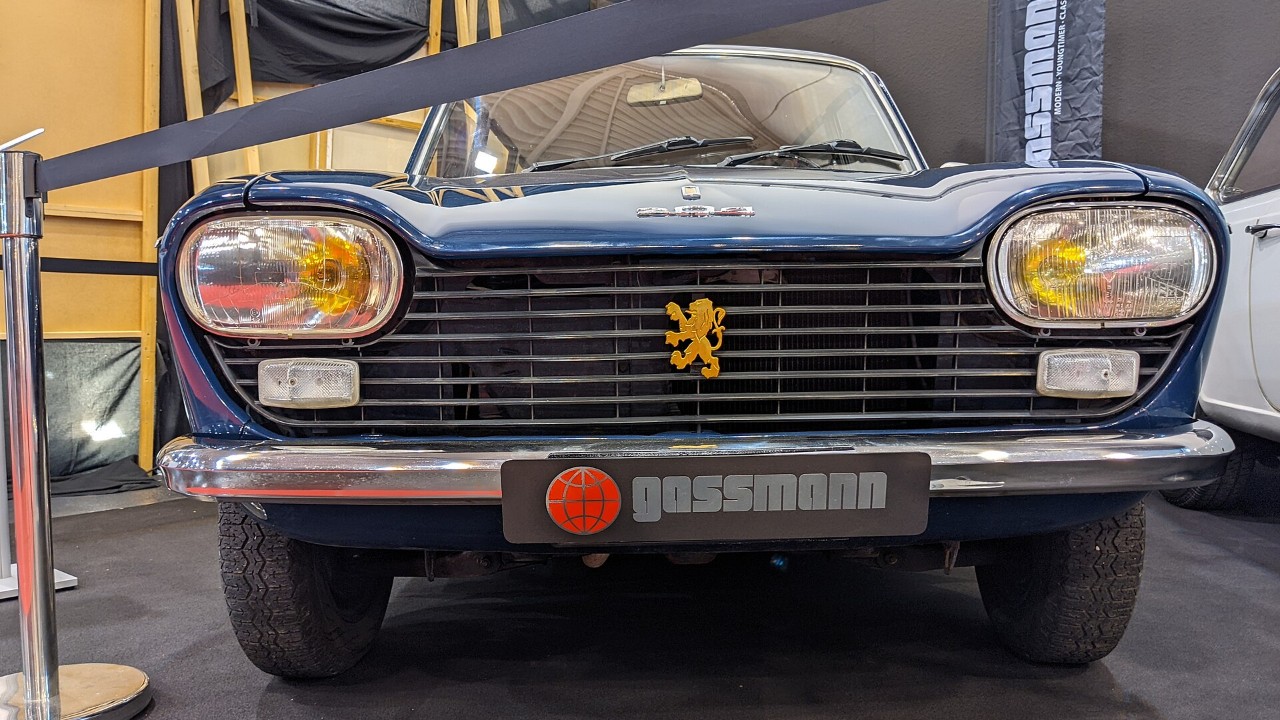
Peugeot launched its first front-drive car in spring 1965. For power, the 204 used an 1,130cc all-alloy engine with a single overhead cam. It sat across the car with the four-speed gearbox directly below it, and front disc brakes came standard.
In our opinion, the 204 deserves far more credit than it gets. According to Driven to Write, it became France’s best-selling car in the late 1960s. Peugeot also offered a saloon, a Break estate, a coupé, a cabriolet and a van. By 1976, more than 1.6 million had left the line.
7. 1961–1971 Lancia Flavia
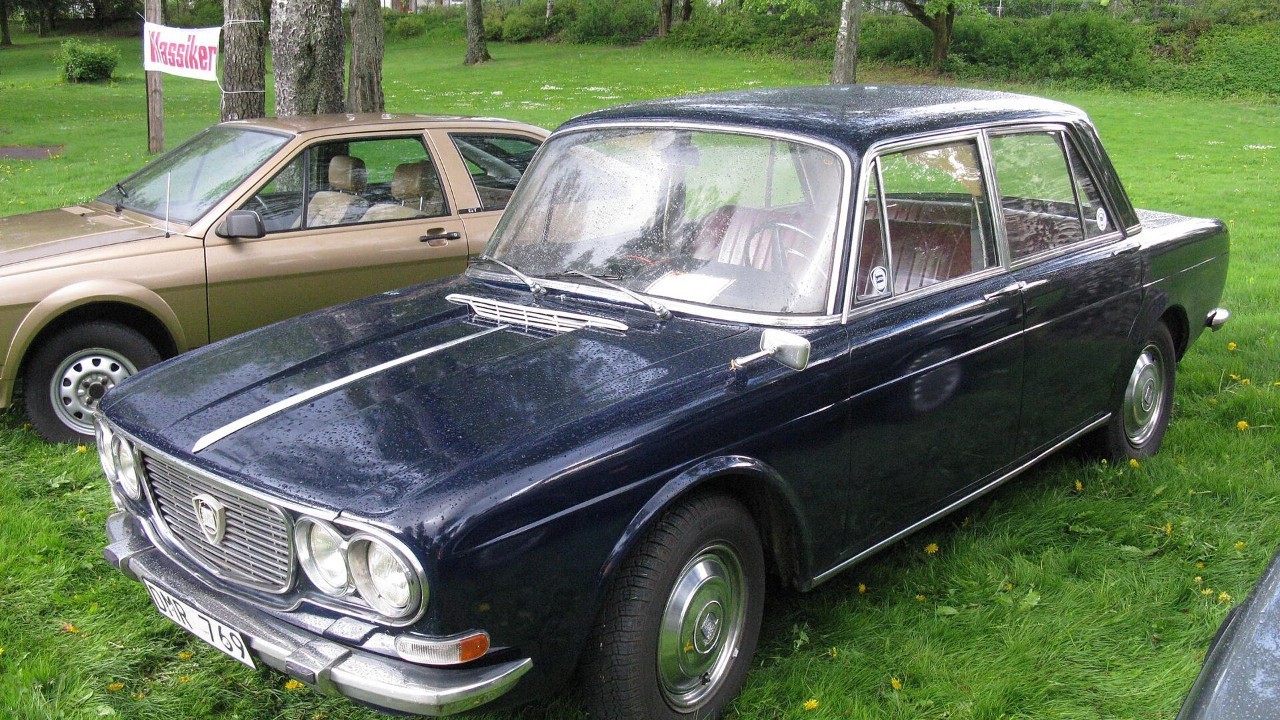
The Lancia Flavia appeared at the Turin show in November 1960. Antonio Fessia’s design used a 1,488cc all-aluminium flat-four and Dunlop disc brakes. For that reason, Driven to Write’s Flavia profile calls it the first Italian front-wheel-drive production car.
We’d keep a Lancia Flavia for the engineering alone. In 1962, Pininfarina added a coupé, Vignale built a Michelotti convertible, and Zagato offered the Sport. Later, a 1.8-litre engine brought 92 bhp in 1963. Two years after that, Kugelfischer mechanical fuel injection became an option and added 10 bhp. Even so, only around 28,000 first-series cars left Chivasso over six years.
8. 1969–1986 Autobianchi A112
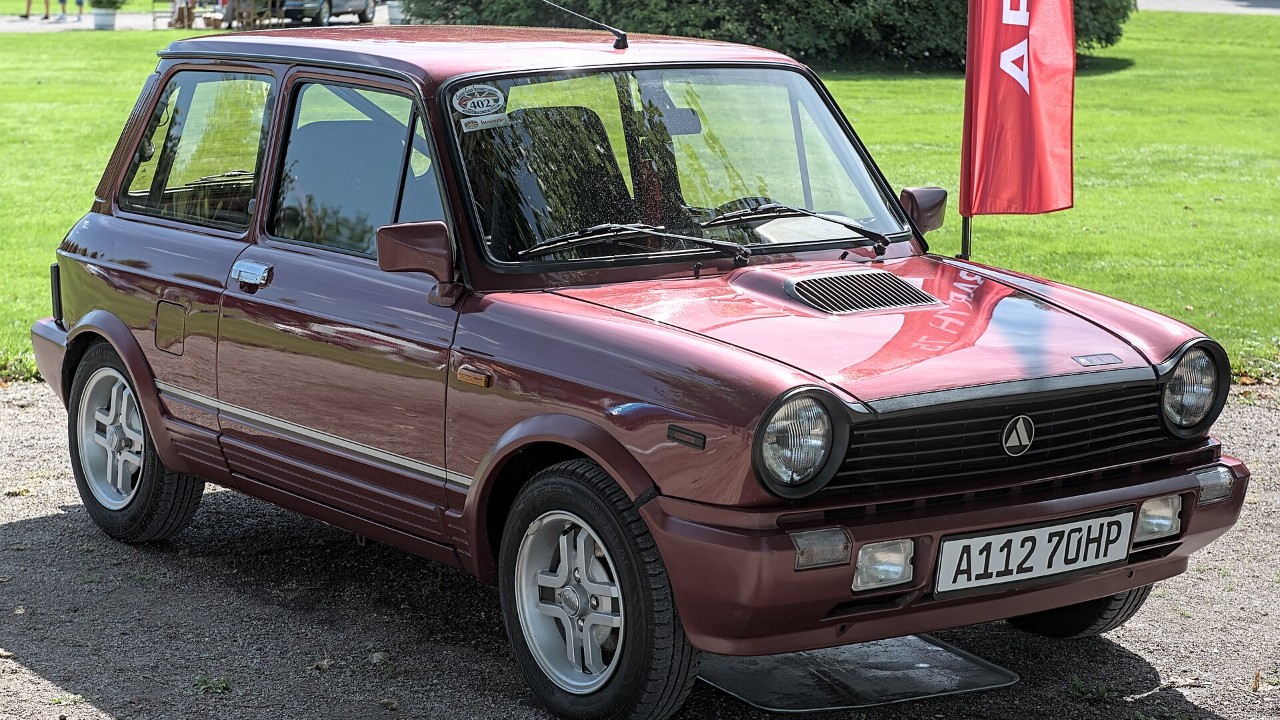
Autobianchi put the A112 on sale in early October 1969. At first, the basic car made between 38 and 49 hp. A 1971 Abarth prototype made 107 hp, but it cost too much to build. Instead, the production Abarth stretched the engine from 903cc to 982cc for 58 hp, and a 1,075cc, 70 hp unit followed in 1975.
Our take: this is the small hot hatch we’d hide from the kids. Secret Classics counts around 121,000 Abarths, roughly a tenth of all A112s. The model ran through seven series over 17 years. From late 1977, export markets got it as the Lancia A112.
9. 1962–1974 Austin 1100
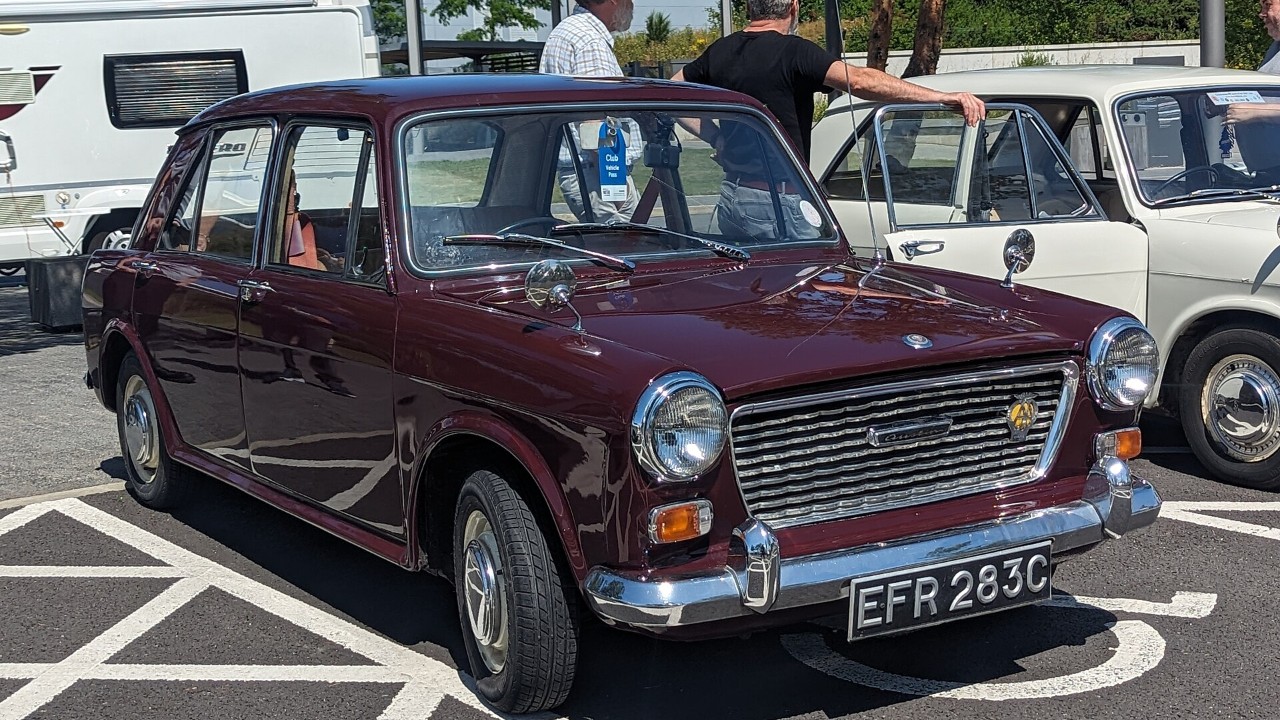
BMC launched the 1100 family on 15 August 1962, beginning with the Morris version. Alec Issigonis designed it right after the Mini. It used Alex Moulton’s Hydrolastic interconnected suspension and a transverse A-Series engine. Front disc brakes were also rare on family cars at the time.
We’d keep one because it shows how good a plain family car could be. The 1100 was Britain’s best seller from 1963 to 1966 and again from 1968 to 1971, says the ADO16 club site. Badges ranged from Austin and Morris to MG, Riley and Vanden Plas. The Austin 1100/1300 bowed out in May 1974.
10. 1969–1981 Austin Maxi
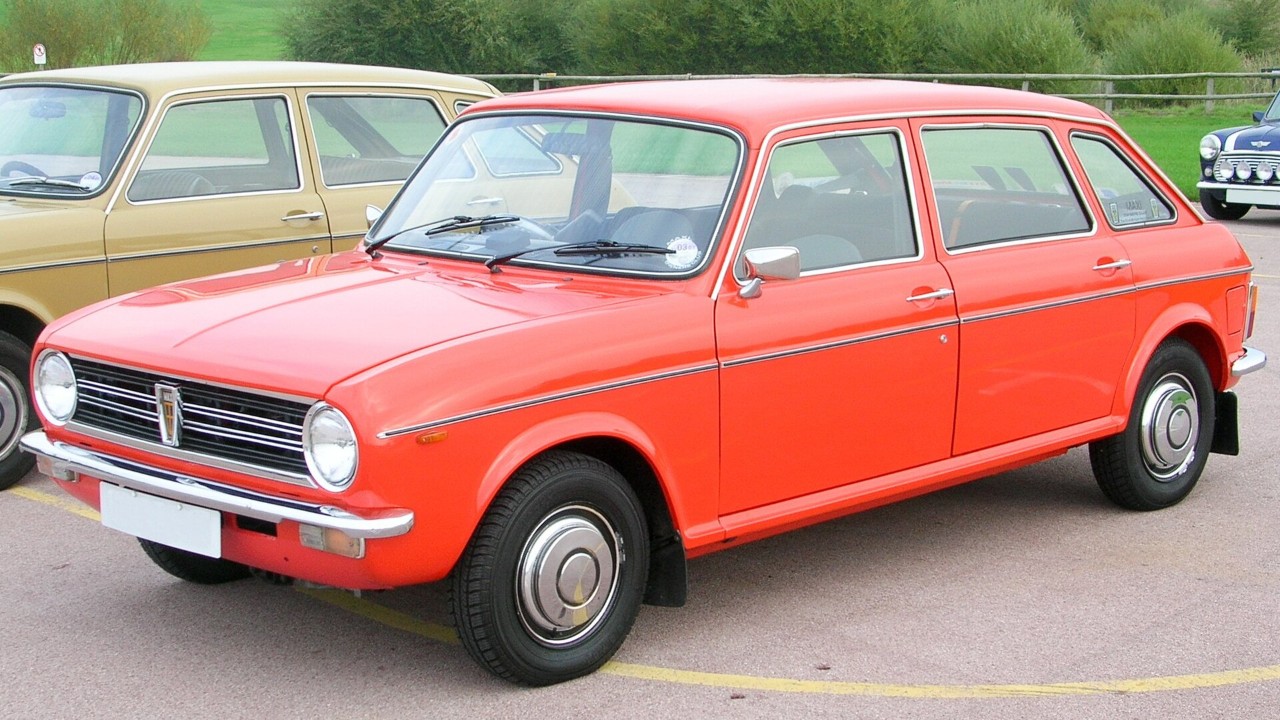
The Maxi debuted in Portugal in April 1969 as a five-door family hatchback. It also turned out to be Alec Issigonis’s last production car, notes AROnline. Its first E-Series engine measured 1,485cc, and a 1,750cc unit arrived in October 1970.
In our view, the Maxi earned a second look once the shift improved. The cable-operated five-speed drew harsh reviews at first, according to Retro Motor. One Times writer compared it to stirring treacle with a long thin cane. Still, Austin sold just under half a million over 12 years, and production ended in July 1981.
11. 1963–1966 DKW F102
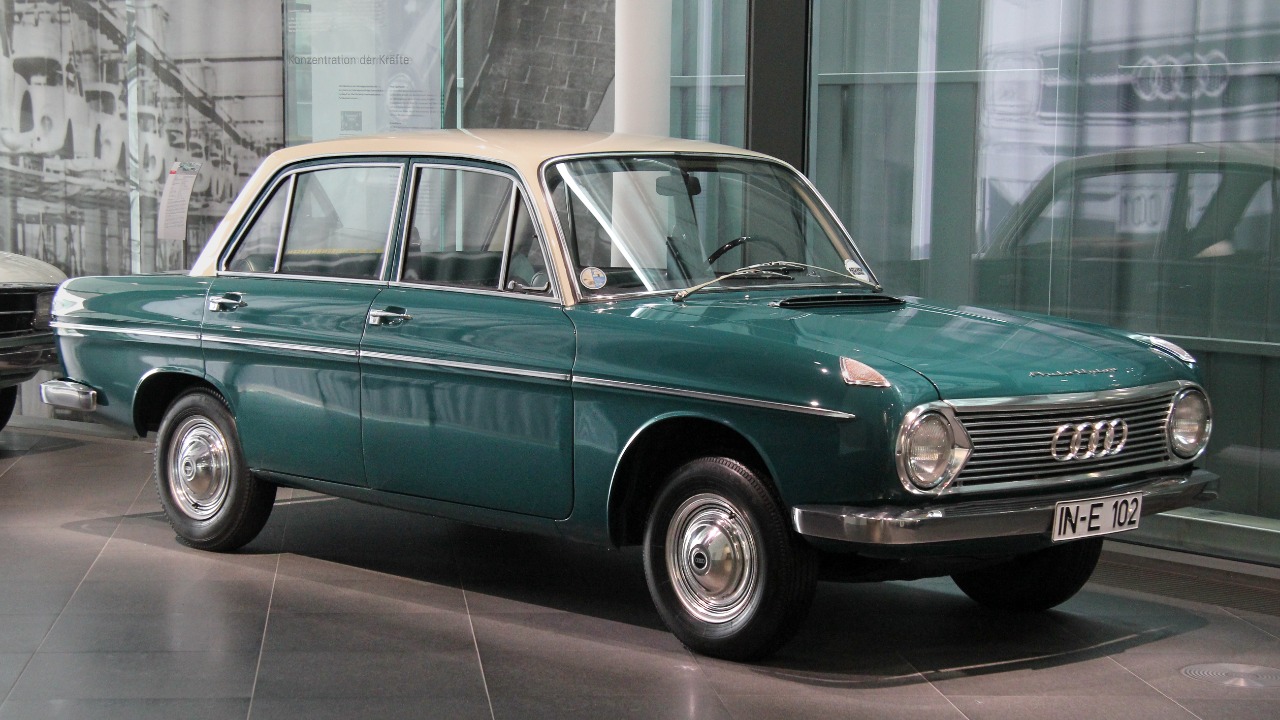
Auto Union built the F102 from August 1963 to March 1966. It used a three-cylinder two-stroke rated at 60 hp. In fact, it was the last DKW with two-stroke power and the last mass-produced two-stroke passenger car in West Germany, according to Klassiekerweb.
We’d save an F102 because it is the car Audi grew from. The Audi Club North America says buyers left it sitting on showroom floors despite its modern design. Engineers then stretched it by 100 millimeters and fitted a four-stroke, creating the first post-war Audi. Klassiekerweb estimates 53,053 F102s.
12. 1968–1976 Audi 100 C1
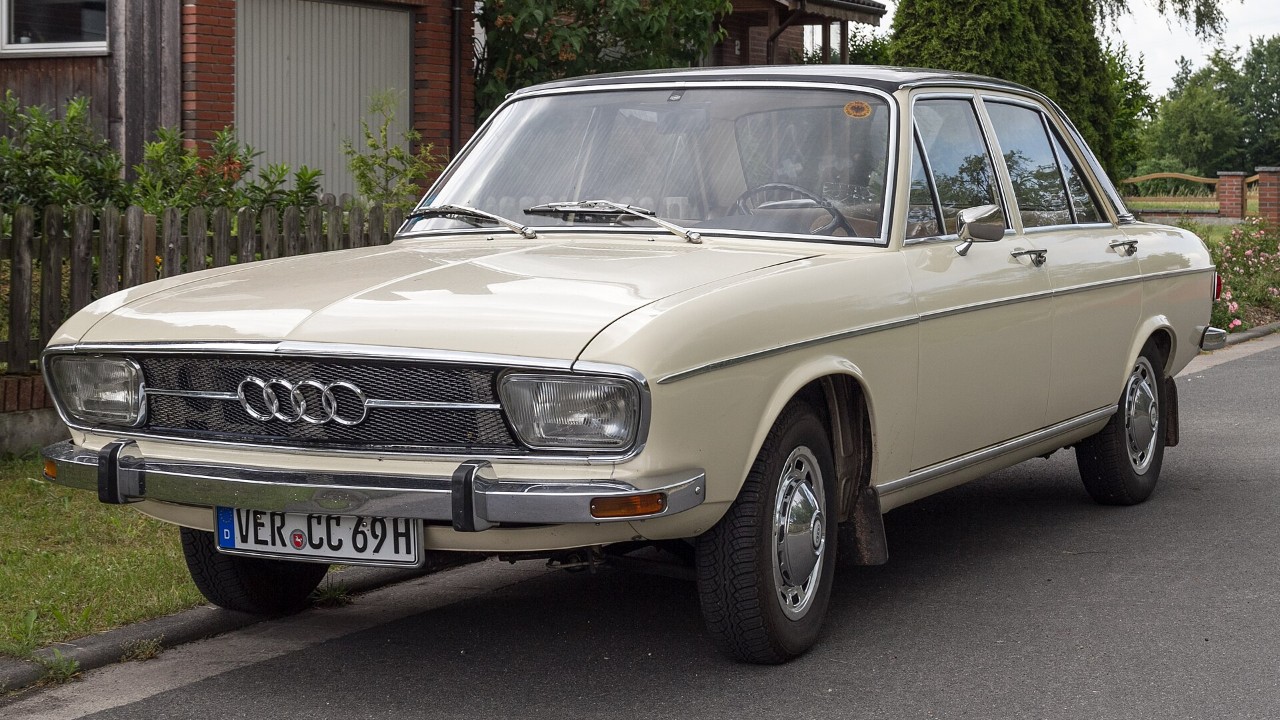
Ludwig Kraus had the Audi 100 developed in secret, even after Volkswagen’s board ordered a stop. Later, the board approved it after the fact. The car used a 1,760cc inline four with 100 PS at 5,500 rpm and reached 170 km/h. It measured 1,729 mm wide and 1,421 mm tall.
Our take: few family sedans did more for their maker. Audi’s heritage site lists an unladen weight of 1,050 kg for a body 4,625 mm long. More important, Audi credits the 100 with preserving Auto Union’s independence inside the Volkswagen Group. It ran from 1968 to 1976.
13. 1959–1965 Panhard PL 17
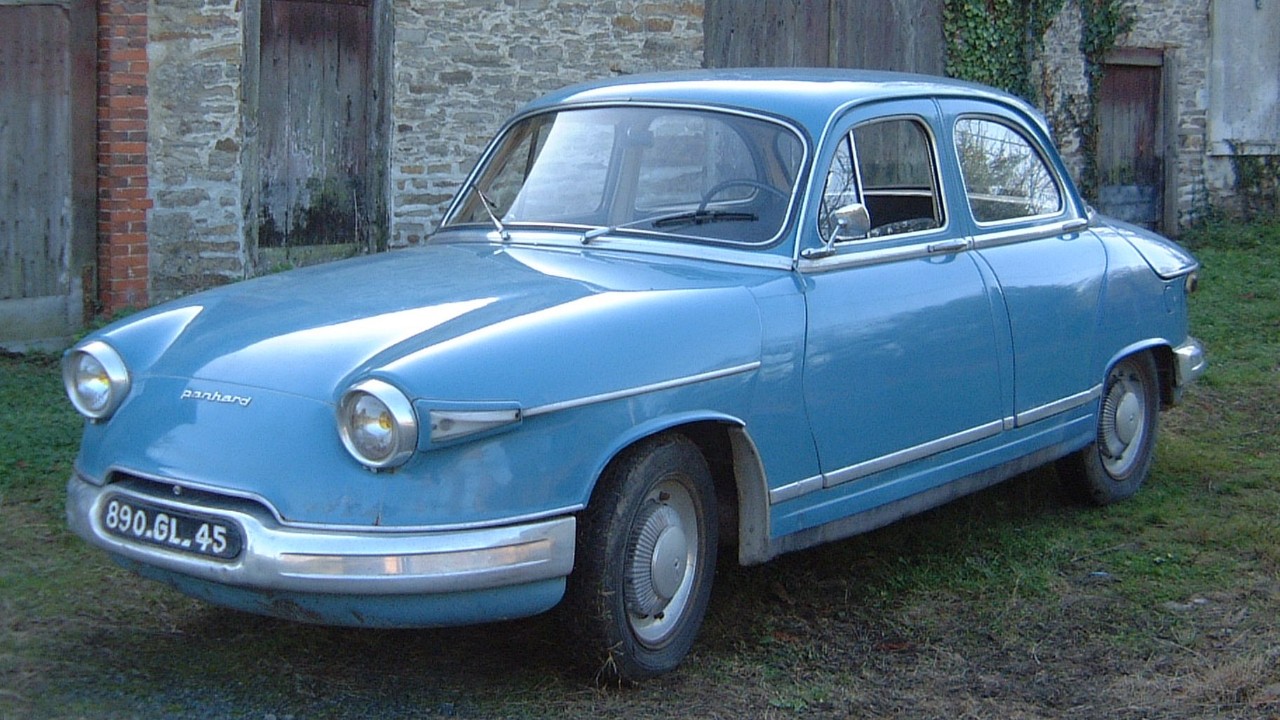
The PL 17 descended from the Dyna Z of 1954. Its 848cc air-cooled flat-twin hung ahead of the front wheels under a huge alligator bonnet. Even so, two bench seats let it carry six people. Panhard, however, hit deep financial trouble in 1955, and Citroën stepped in as a rescuer.
We’d keep one for sheer nerve. The standard car made 42 bhp, while the Tigre made 50 bhp, says John Simister at Goodwood. With the Tigre, 90 mph was possible, and a PL 17 also won the 1961 Monte Carlo Rally. In the end, Citroën took full control of Panhard in 1965 and killed the car.
14. 1964–1990 Trabant 601
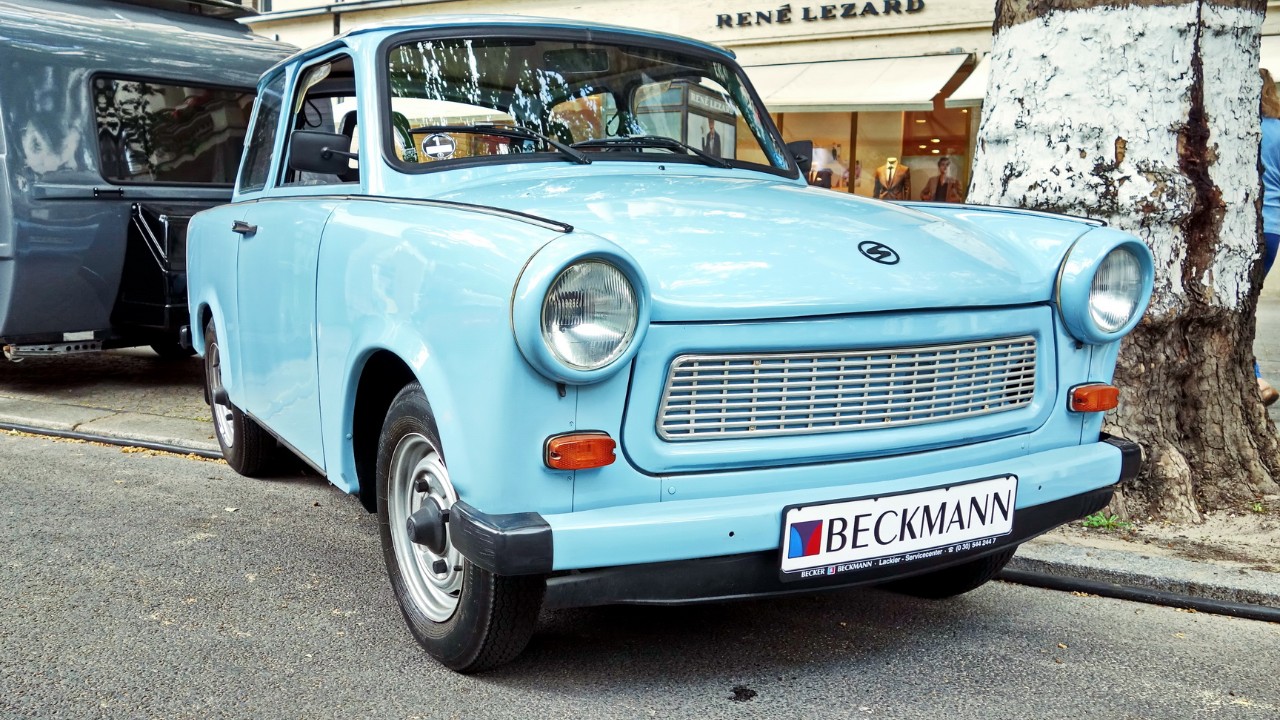
The Trabant 601 body arrived in 1964. Instead of steel panels, its Duroplast body mixed cotton-fiber waste with phenol resin over a steel frame. Power came from a 594cc air-cooled two-stroke twin with 23 hp, a version that dated to 1960.
In our view, the Trabant is pure history you can drive. East Germans waited more than 10 years for a new one, according to Hagerty, and used cars sometimes cost more than new ones. The car weighed 1,400 pounds and topped out around 60 mph. By 1991, more than 3 million Trabants had left the factory.
15. 1966–1989 Wartburg 353
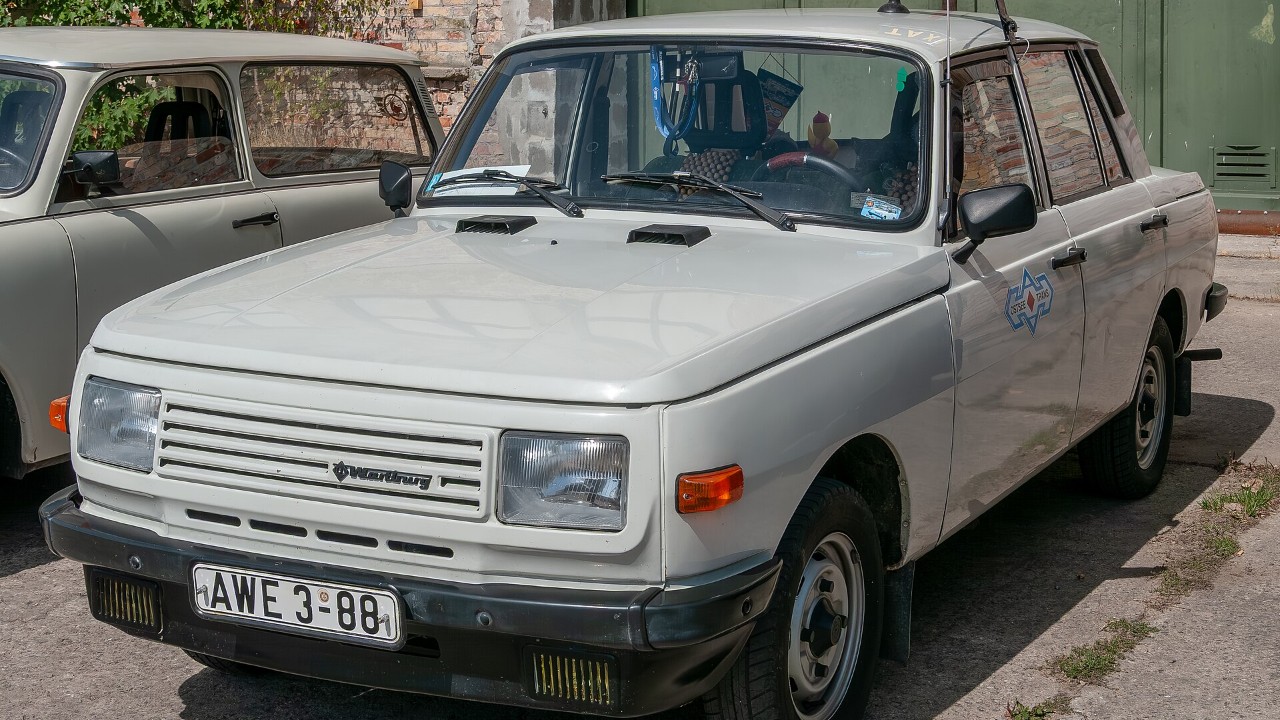
Eisenach’s Wartburg 353 carried over a three-cylinder two-stroke from the IFA F9. A 1969 deLuxe car had a 45 hp engine, and a 50 hp version replaced it months later. That car cost 18,095.50 marks and was first registered on 6 January 1970. The Wartburg name itself first appeared in 1899.
Our take: the 353 is the Eastern Bloc family car we’d want. The DDR Museum says waiting lists reached up to 18 years before the Peaceful Revolution. A Wartburg 1.3 with a VW four-stroke entered production in 1988. Finally, the last Wartburg left Eisenach on 10 April 1991, painted Indian Red.
16. 1967–1985 Simca 1100
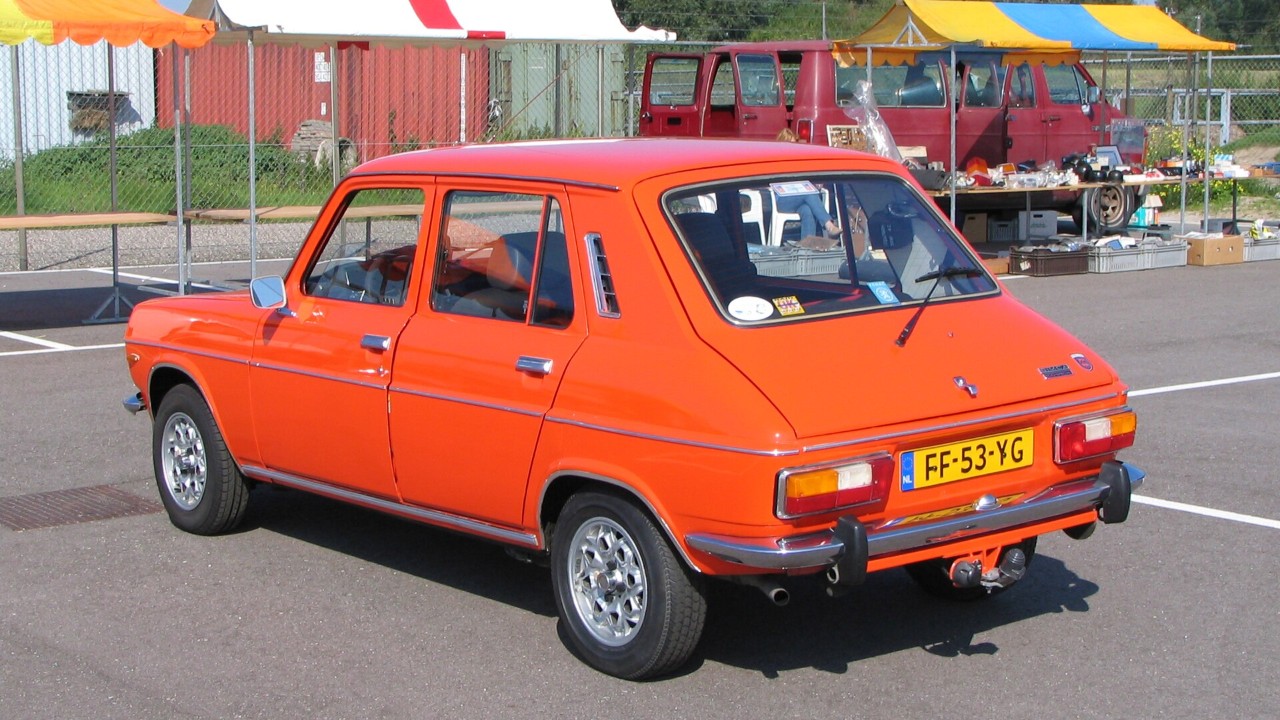
The Simca 1100 met the press in Sardinia in September 1967. It paired a transverse engine and front-wheel drive with torsion bars at both ends. Moreover, its opening tailgate and folding rear seat made it a hatchback from day one.
We’d keep a Simca 1100 because it turned the hatchback into an everyday French car. The Simca Talbot Club says it topped French sales for several years in the early 1970s. By July 1981, Simca had built 2,167,129. The van lasted until April 1985, while the 82 bhp TI stopped in July 1978.
17. 1971–1989 Alfa Romeo Alfasud
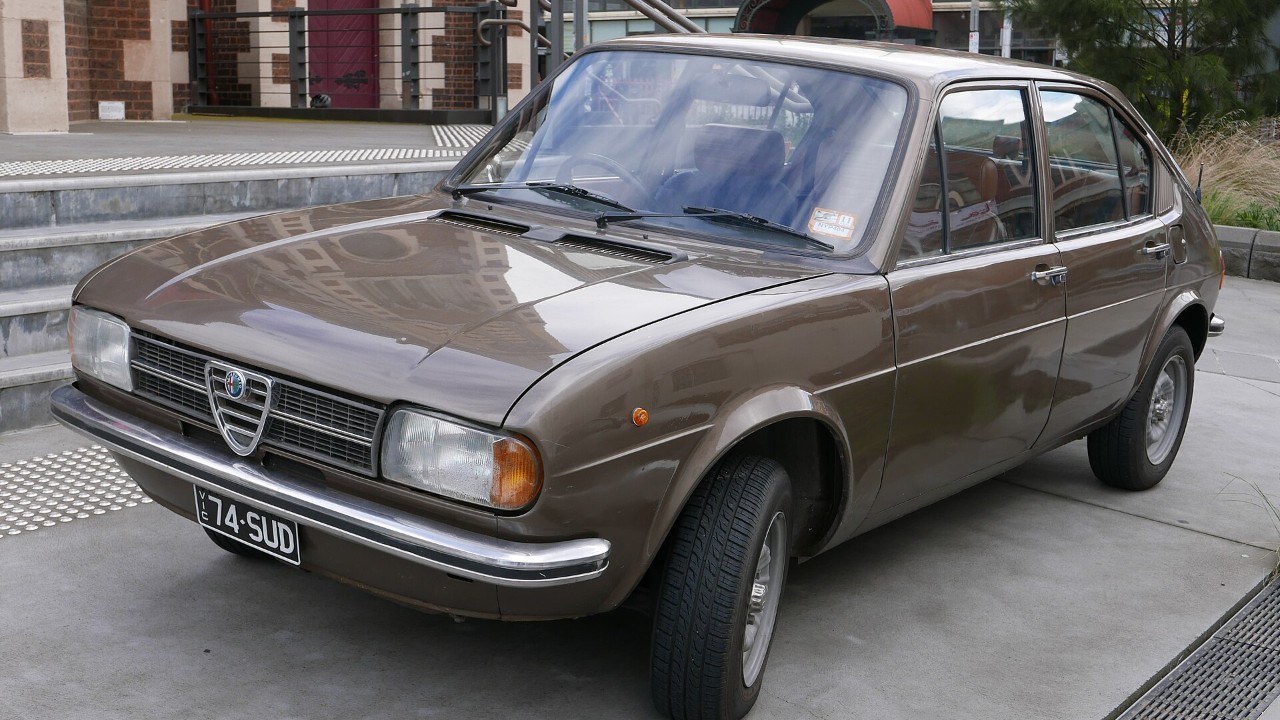
Alfa Romeo built a new factory at Pomigliano d’Arco for this car, starting construction in April 1968. Giorgetto Giugiaro styled it, and Rudolf Hruska engineered it. Its 1,186cc water-cooled boxer had a belt-driven cam on each head, notes Klassiekerweb.
Our take: the Alfasud is the one we’d drive hardest, rust and all. The 1973 ti used a twin-choke Weber to make 68 hp, with a five-speed and 160 km/h. Later, the Sprint 1.5 Quadrifoglio Verde reached 105 hp. According to Italdesign, the car sold almost a million over 12 years. The company adds that the plant was planned for almost 1,000 cars a day.
18. 1966–1969 Subaru 1000
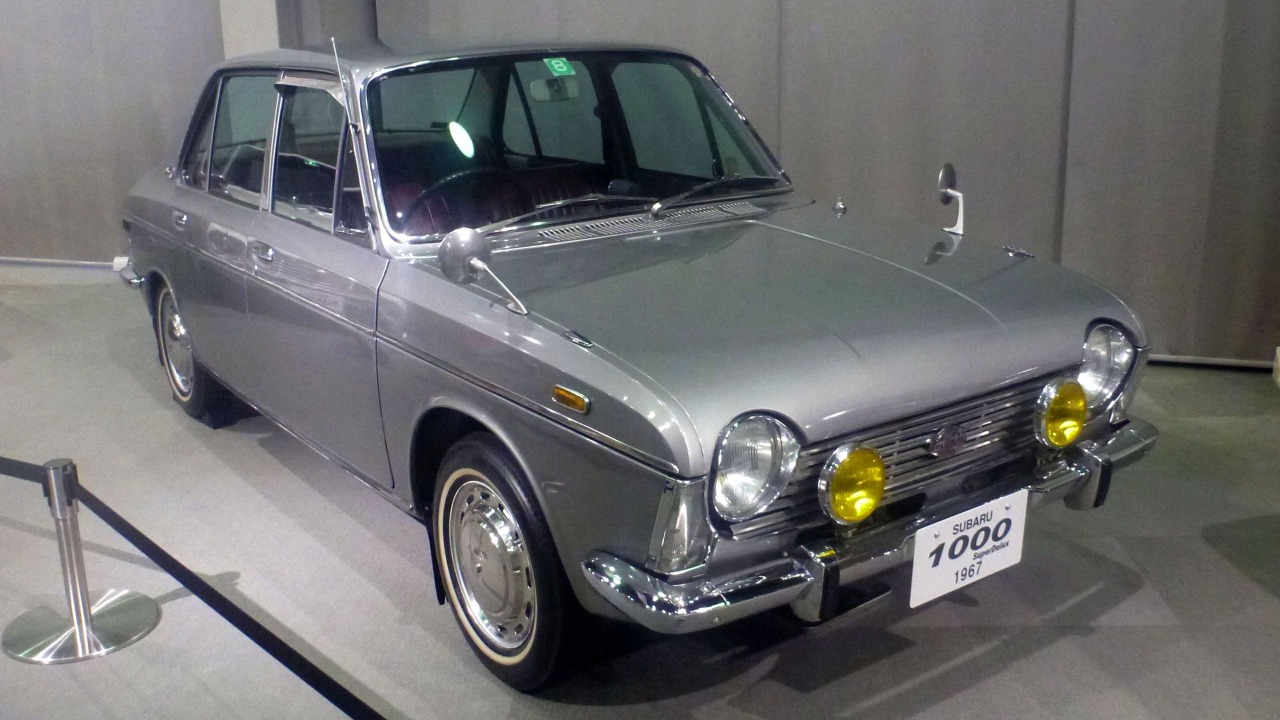
Subaru put the 1000 on sale on May 14, 1966. It was the first front-wheel-drive car the company produced, says This Day in Automotive History. Its 977cc boxer, meanwhile, made 54 horsepower. That car followed a 1500 prototype shown a dozen years earlier.
In our view, every modern Subaru owes this car a thank-you note. Shinroku Momose became chief engineer in 1966, and Subaru South Africa notes the water-cooled boxer gave the car a low centre of gravity. It also had fully independent suspension. Subaru aimed it at the Corolla, Sunny and Familia, and the 1000 lasted until 1969.
19. 1967–1972 Honda N360
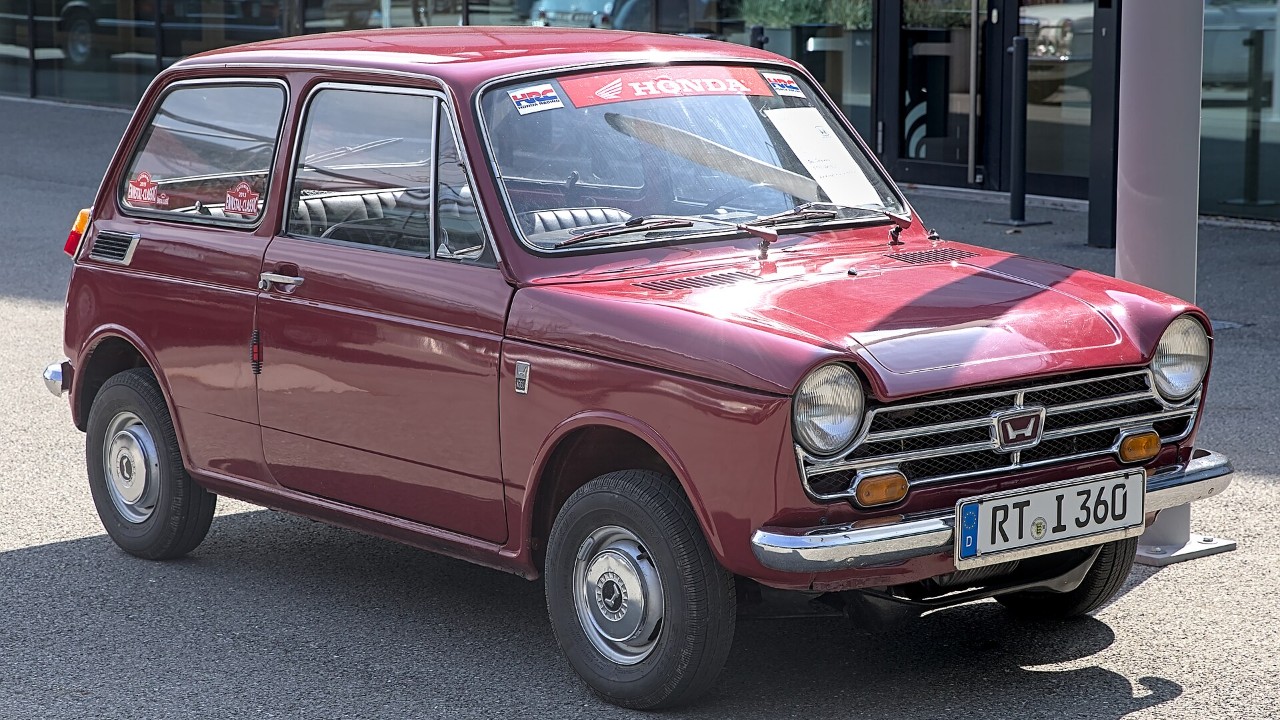
Honda unveiled the N360 on October 21, 1966, and sales began on March 6, 1967. It cost 313,000 yen, while rival mini cars started at 370,000 yen. Then, in May 1967, its 5,570 registrations put it at the top of the industry.
We’d treasure one because it shows how fast Honda learned to build cars. According to Honda’s heritage pages, N-series registrations in Japan hit 500,000 by April 1969. By June 6, 1967, reserved sales had already reached 22,500 units. Cumulative N-series output reached 1 million by September 1970. Exports of the N360 and N600 began in 1968.
More from Fast Lane Only