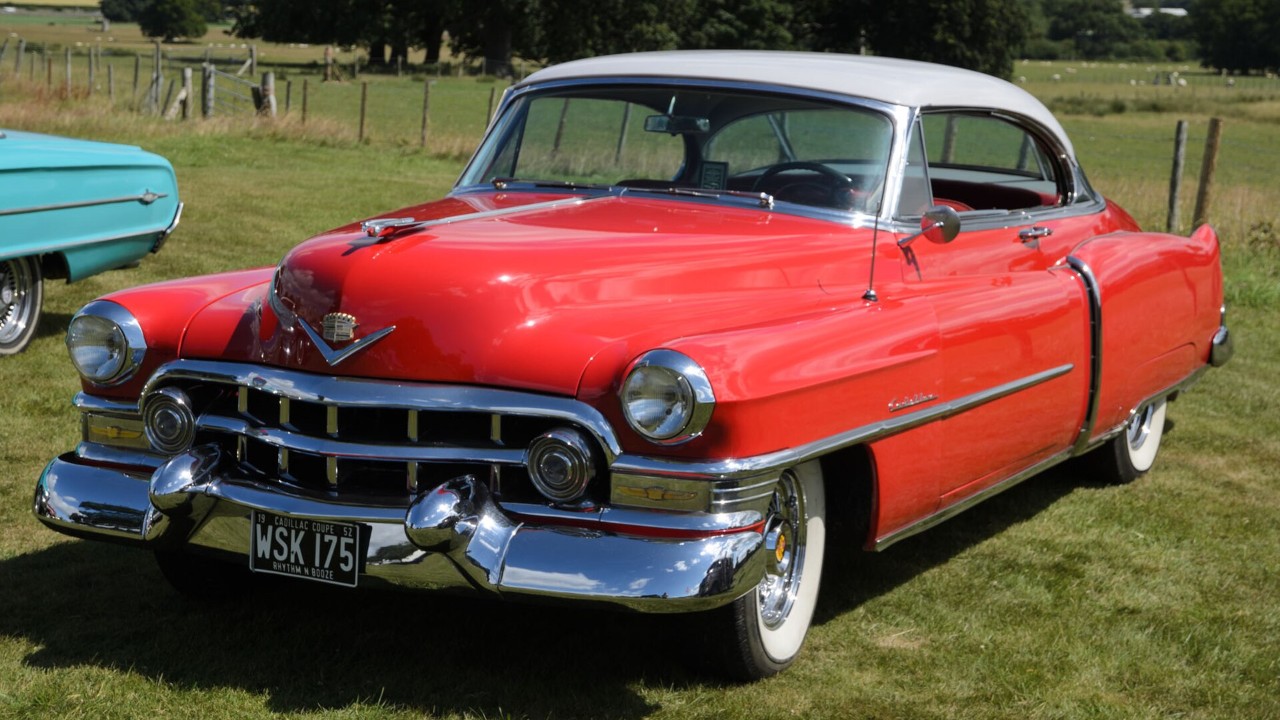
In 1952, General Motors gave night drivers a gadget that did their foot’s job. The Autronic Eye watched for oncoming headlights and dropped your high beams to low on its own. It arrived first on Oldsmobile and Cadillac, and Cadillac listed it at about $53.
Back then, most drivers dipped their lights with a button on the floor. You pressed it every time a car came the other way, then pressed it again once it passed. GM’s idea was to let a light sensor make that call instead.
It sounds like modern driver-assist tech, and in a way it was. The difference is that GM built it with vacuum tubes, a relay and a lot of optimism.
Who built the Autronic Eye
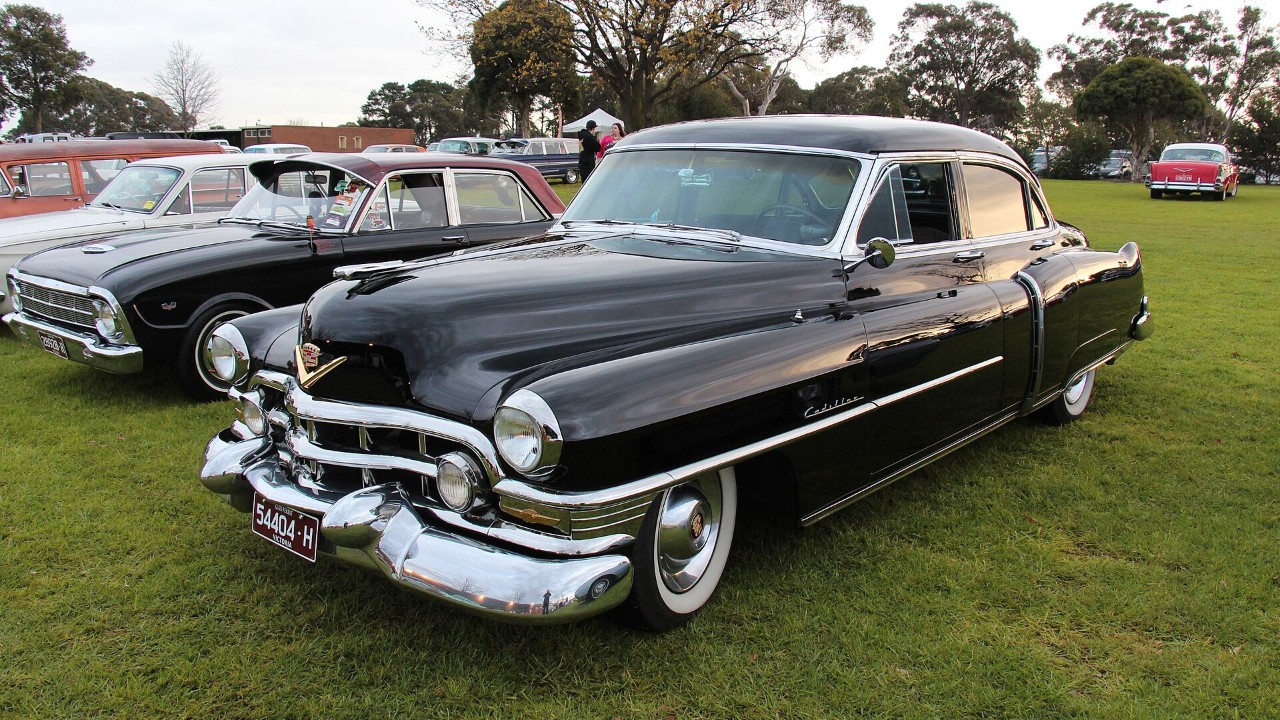
The device came from GM’s Guide Lamp Division. According to PistonHeads’ history of auto-dipping headlights, it went on sale in 1952 on Oldsmobiles and Cadillacs.
Other GM divisions followed in later years. The idea also spread beyond GM. PistonHeads says Lincoln used the same hardware from 1957, and Chrysler followed in 1959.
What it cost in 1952
A 1952 Cadillac option list from Over-Drive magazine’s 1952 Cadillac fact sheet prices the Autronic Eye at $53. Likewise, Koen Ongkiehong’s Dutch history of the 1951–1953 Cadillacs lists the option at $53.36.
For context, the same Over-Drive list puts fog lamps at $37 and a windshield washer at $11. Power windows cost $139, and power steering cost $198. So the Autronic Eye sat in the middle of Cadillac’s option sheet, well short of the big-ticket items.
That Dutch history also shows where the sensor lived. Its photo of a 1952 Series 62 convertible shows the eye sitting on the left side of the dashboard, where it could look out through the windshield.
How the Autronic Eye worked
The system had four main parts. According to a restoration note from the GM Futurliner project, they were the photo unit, an amplifier, a power relay and a foot-operated override switch.
First, the dash-mounted phototube picked up light from an approaching car. PistonHeads says a transformer fed that tube about 1,150 volts. Next, the amplifier boosted the signal, and the relay flipped the headlamps between high and low beam.
A sensitivity control set how far away an oncoming car had to be before the lights dipped. Once the lights were low, the system became ten times as sensitive, PistonHeads explains. That stopped it from snapping back to high beam when the other driver dimmed, too.
Later, Oldsmobile added an on/off switch built into the headlight switch in 1955, the Futurliner note says. Cadillac and Oldsmobile then moved to low-voltage units for 1959.
Where it went wrong
The eye was not perfect. Hagerty points out that curves could hide oncoming cars from its straight-ahead view. Reflective road signs could also trigger the low beams, or even set the lights flickering between high and low.
Streetlights caused trouble as well. The Futurliner project notes that the sensor often reacted to them, along with sign reflections and blind curves. In our view, that is the classic problem of any early sensor: it saw light, but it could not tell what that light meant.
The Autronic Eye on a collector car today
Some of these units still work. For example, Swiss classic-car site Zwischengas photographed a 1957 Oldsmobile Super 88 whose Autronic Eye still functions. On that car, the sensor sits behind the windshield, and a control unit under the hood works the light relay.
Restorers can also tell which division a unit came from. According to the Futurliner project, the serial numbers have nine digits. The first digit identifies the division, so a “1” means Chevrolet and a “5” means Cadillac.
Hagerty adds that the amplifier carried its own name, the Autronic Brain. A floor-mounted override switch also let the driver take control back. In our view, anyone paying extra for a car with the option should make sure all four parts are present.
From Autronic Eye to Guide-Matic
GM renamed the system Guide-Matic for 1960, according to PistonHeads and the Futurliner note. The update brought a smaller phototube, more compact electronics and better sensitivity control, Hagerty adds.
The 1960 version also added a “safety salute.” This feature flashed the headlamps before dimming, to signal the other driver. However, its two-step relay failed often, and GM later told dealers to disconnect it if it gave trouble.
Still, the basic idea outlived its quirks. A separate GM device, Twilight Sentinel, switched the headlights on and off by itself as daylight faded. Meanwhile, Cadillac kept offering Guide-Matic until 1988, PistonHeads says. Its successor, a system called Intellibeam, arrived on the 2005 Cadillac STS.
More from Fast Lane Only