Chevrolet built nearly a million El Caminos over roughly 25 years, and GMC added about 76,000 more as the Sprint and Caballero. Most people remember just two of them: the finned 1959 original and a big-block SS from around 1970. The rest of the Chevrolet El Camino story tends to blur together.
That’s a shame, because the car-truck changed a lot from year to year. It went from a Brookwood wagon to a Chevelle, then to a G-body and finally to a Mexico-built model in its last years. Along the way, Chevrolet tried sixes, small-blocks, big-blocks and even a diesel.
These are our picks for nine forgotten El Caminos that we think driving fans still seek out. Some are fast, some are odd and some are just honest workhorses. The verdict is our opinion. However, the years, engines and production numbers come from period specifications and market reports.
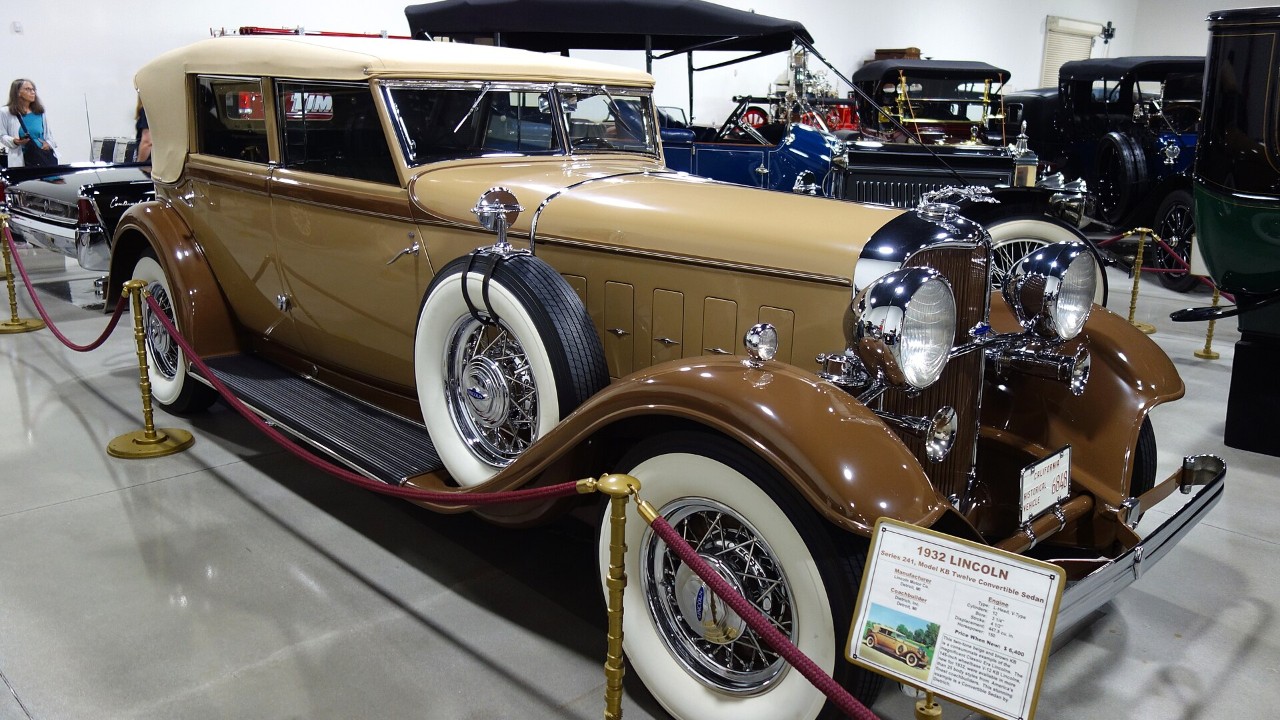
1. 1959 Chevrolet El Camino
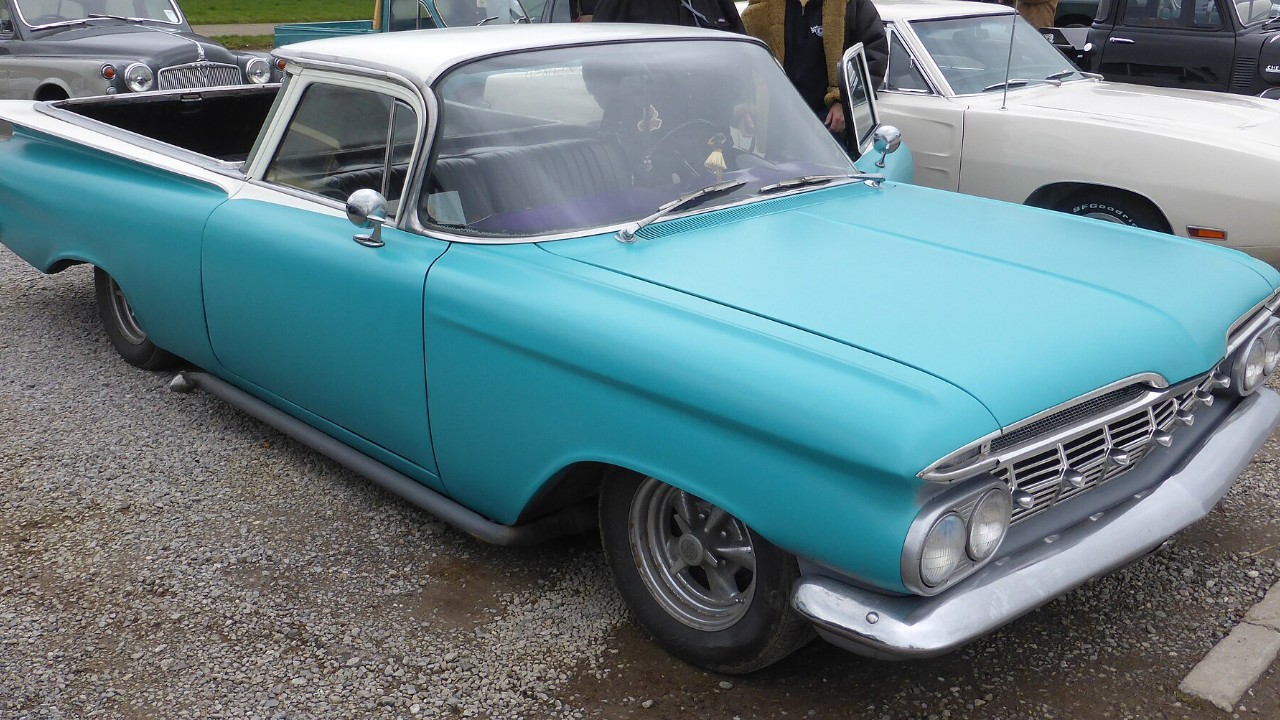
Ford got there first with the 1957 Ranchero, the first American car-based pickup. Chevrolet answered two years later. Engineers took the floorpan of the Brookwood two-door wagon and turned it into the El Camino. Chevrolet also promoted it as its first pickup with a steel bed floor.
The original was more than a styling exercise. According to The Drive’s history of the 1959 El Camino, a Custom with the 283 V8 and a two-barrel made about 185 hp. It also offered about 34 cubic feet of cargo room. Buyers who wanted more could order the 348 V8, rated up to 335 hp. Hot Rod magazine timed one at roughly seven seconds to 60 mph back then.
Chevrolet built 22,246 El Caminos for 1959, and the car outsold the Ranchero in its first year. Still, it lasted only two seasons before Chevrolet dropped it. Our take: a 348-powered 1959 is the El Camino to find if you want a finned cruiser that can still haul a cylinder head home from the swap meet. In our view, the 1959 shape remains the boldest the nameplate ever wore.
2. 1964 Chevrolet Chevelle El Camino
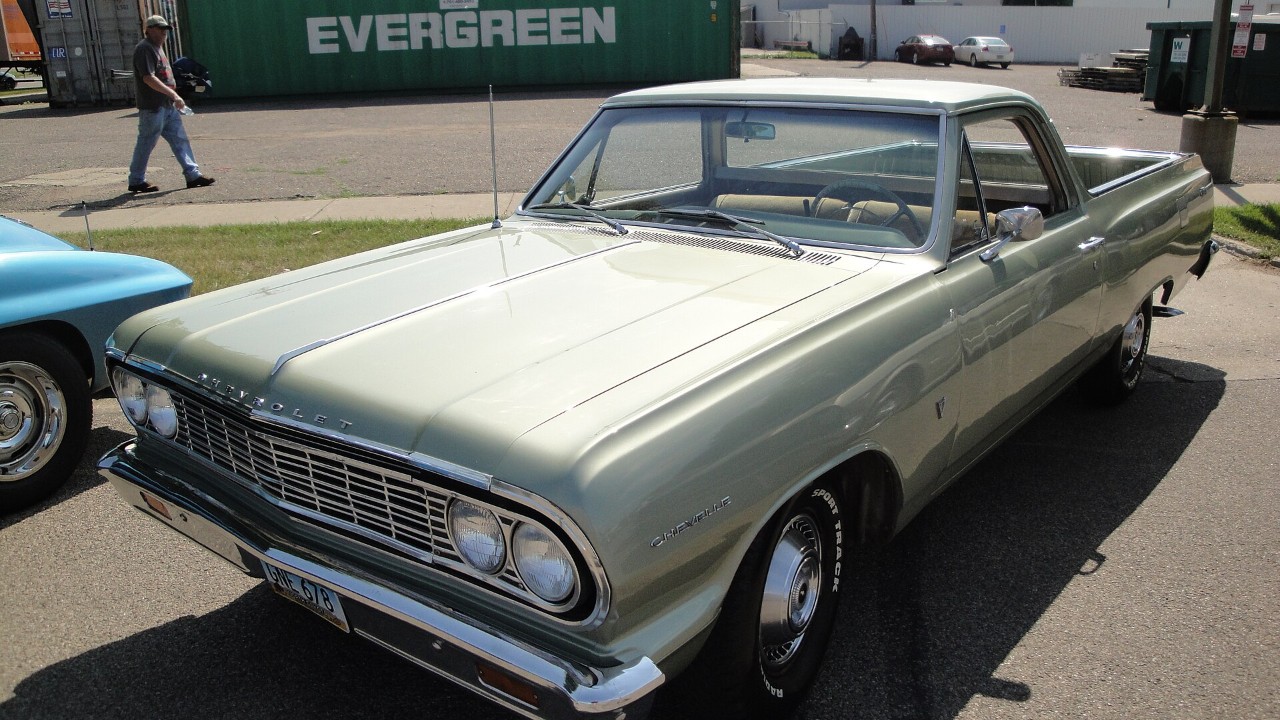
After a four-year break, the El Camino returned for 1964 as part of the new Chevelle line. It now shared its basic structure with Chevrolet’s new intermediate. Chevrolet built 32,548 that year, offering 194 and 230 sixes and a 195-hp 283 V8.
Mid-year, things got more interesting. Chevrolet added 327 V8s, and the hottest 1964 version was rated at 300 hp. It used a four-barrel carburetor, 10.5:1 compression and dual exhausts, according to The Drive. That gave a working pickup the kind of engine Chevrolet buyers usually ordered in a coupe. Hagerty also notes that second-generation El Camino sales never fell below 32,000 a year.
The 1964 sits in a strange spot today. It’s the first Chevelle-based El Camino, yet it gets far less attention than later SS models. Our take: that makes a 1964 a smart buy for a driver who wants a clean, simple early-1960s shape. In our view, a small-block car also handles daily use well without a big budget. For another side of the El Camino story, read about the El Camino’s rarest drivetrain.
3. 1965 Chevrolet El Camino 327
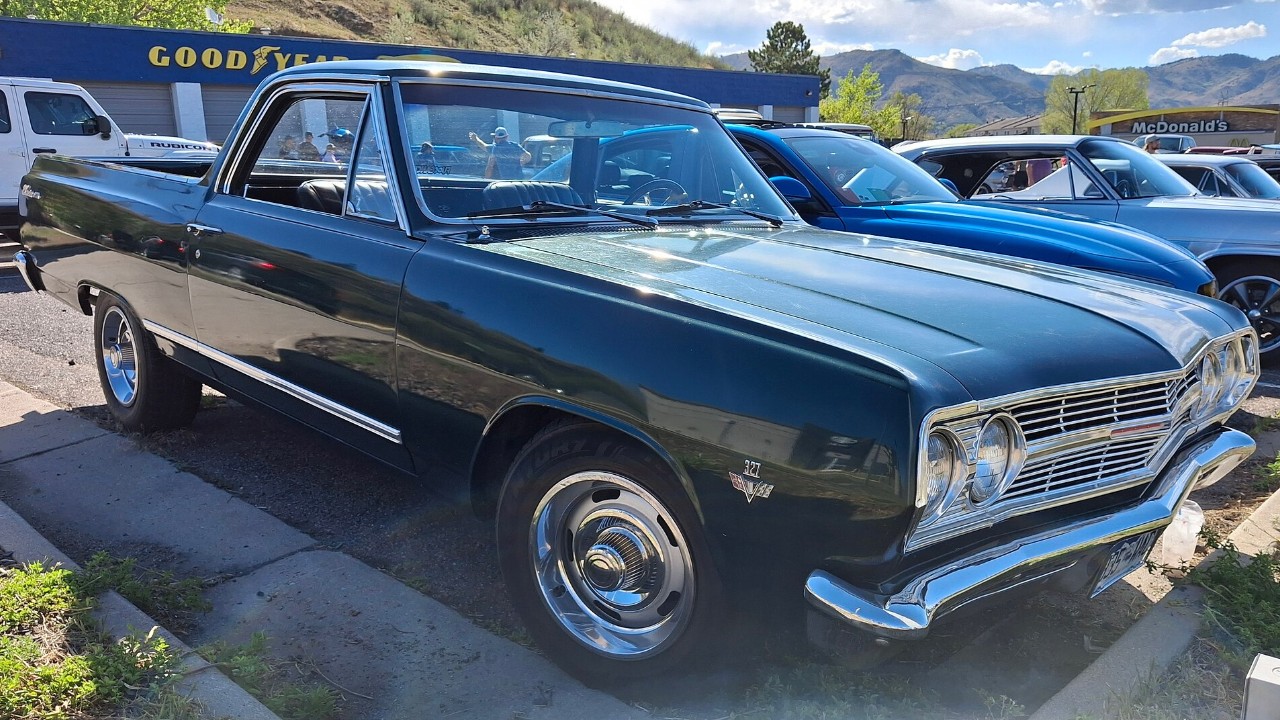
For 1965, Chevrolet built 34,724 El Caminos, and the option list got a serious upgrade. The new L79 version of the 327 V8 was rated at 350 hp. Chevrolet offered it in the El Camino as well as in the Chevelle coupes. It turned a farm-friendly pickup into a genuine performance car. Since the hottest 1964 engine had made 300 hp, the L79 added 50 hp in a single year.
In our view, the L79 delivered big-block-style numbers from a small-block. At the same time, nothing about the plain pickup body shouts about it. As a result, an L79 El Camino looks almost innocent from the outside.
That sleeper quality is exactly why we think driving fans seek out a 1965 327. The truck in our photo is a 1965 with the 327, though not every 327 was the L79. Our take: if you’re shopping, ask for paperwork before paying an L79 price. Even a milder 327 is a lively, light El Camino, and it gives you most of the fun for less money. In our view, the 1965 is the most overlooked year of the second generation.
4. 1967 Chevrolet El Camino Coupe Utility
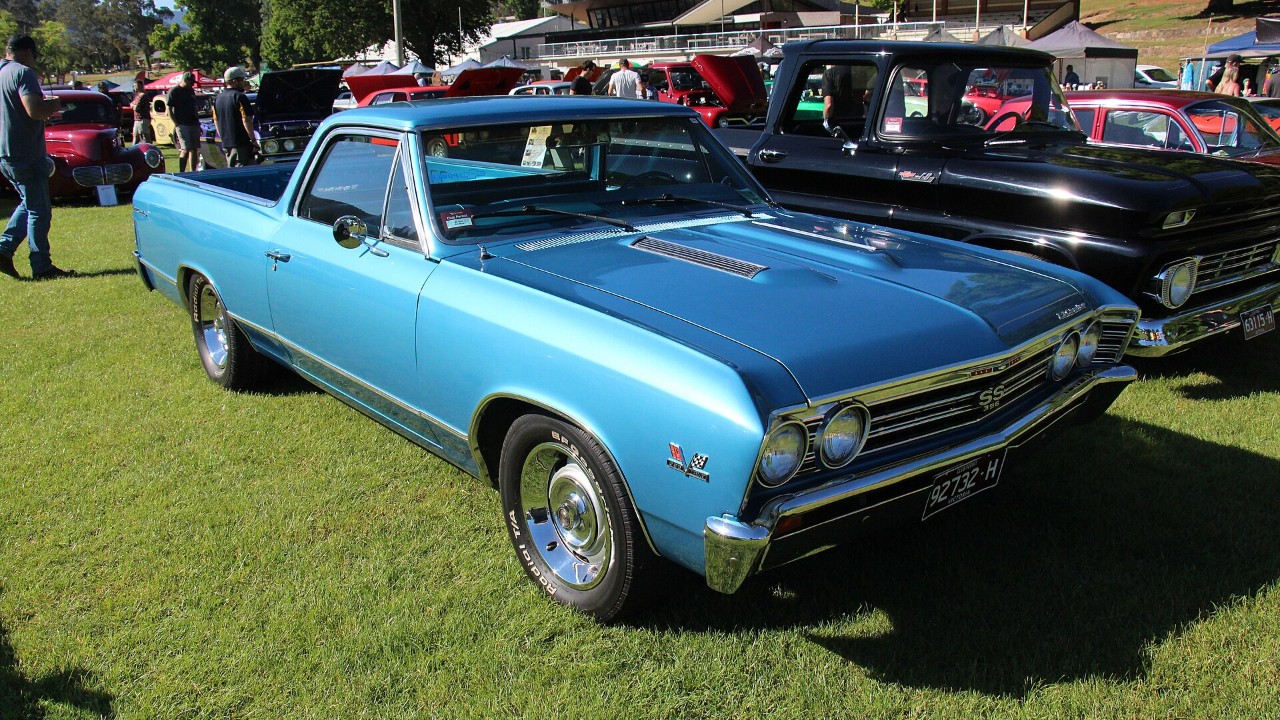
The 1967 El Camino carried the reworked body Chevrolet introduced for 1966. It also offered a wide range of power. Buyers could order the 396 big-block in several states of tune: the L35, L34 and L78. The Turbo Hydra-Matic 400 automatic was on the list as well.
Chevrolet built 34,830 El Caminos for 1967, close to the 1966 total of 35,119. Across the Chevelle line, the 1967 update brought new taillights, standard backup lights and front disc brakes. That made the 1967 a more modern car to drive than the 1964 or 1965. Then, with the longer third-generation body, sales climbed to 41,791 for 1968.
We picked the 1967 because it’s the last year of the shorter second-generation body. The next year, Chevrolet stretched the wheelbase to 116 inches. Our take: a 1967 big-block El Camino with the Turbo Hydra-Matic is a comfortable, fast cruiser. In our view, it gets overlooked because the spotlight tends to land on the 1970 SS. If you find one with a documented 396, it is well worth a close look.
5. 1970 Chevrolet El Camino SS396
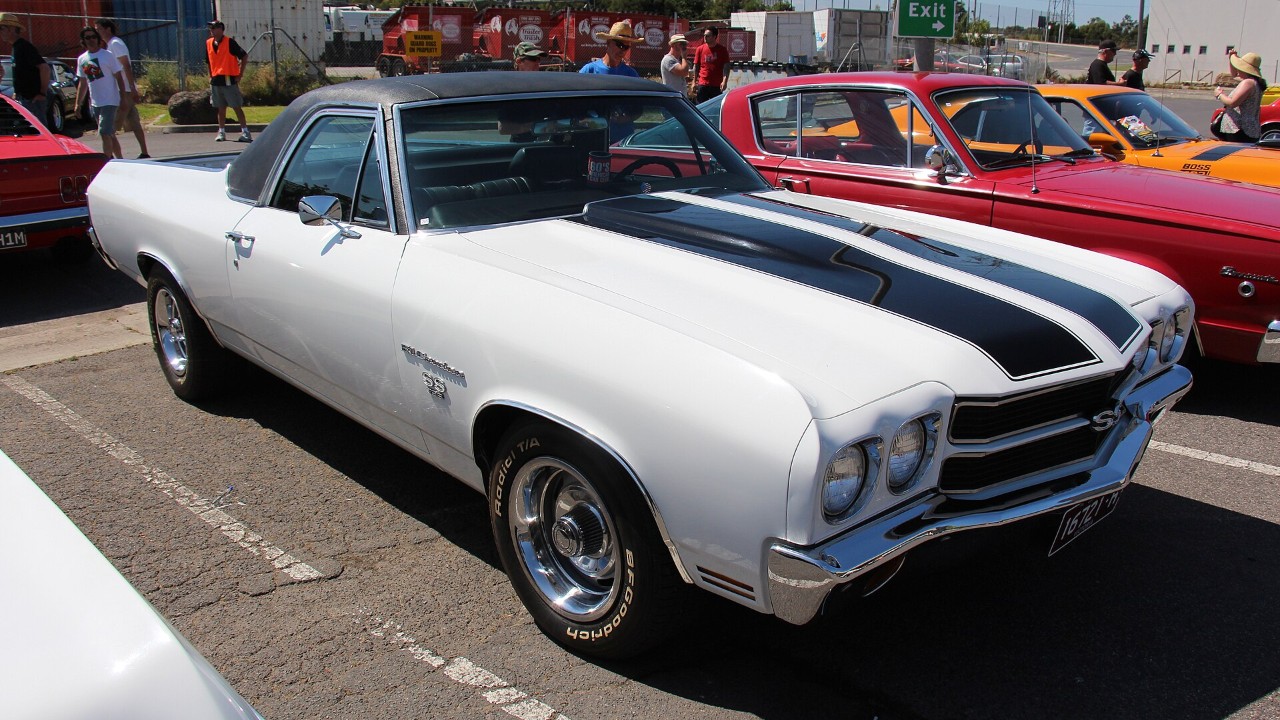
For 1970, the El Camino was one of three Chevelle body styles offered with an SS package. The SS 396 actually used a 402-cubic-inch V8 under option code Z25, rated at 350 hp. A 375-hp version was also available. Chevrolet kept the 396 name on the badges even so.
A few 1970 El Caminos went further. Chevrolet fitted some with the LS6 454, rated at 450 hp, the high point before emissions rules cut power across the industry. Chevrolet built 47,707 El Caminos that year. According to Hagerty’s 2019 market report, 1969–72 El Caminos had a median value of $25,100 in excellent condition. The same report put the third generation’s Hagerty Vehicle Rating at 83, up from 80.
That’s the reason we see the 1970 SS396 as a smart choice. It gives you the famous 1970 look and big-block power. However, it usually costs far less than a documented LS6 truck. Our take: the SS396 is the El Camino for drivers who want real performance without the worry of driving an LS6. Just check the paperwork and confirm the SS equipment before you pay SS money.
6. 1972 Chevrolet El Camino 402
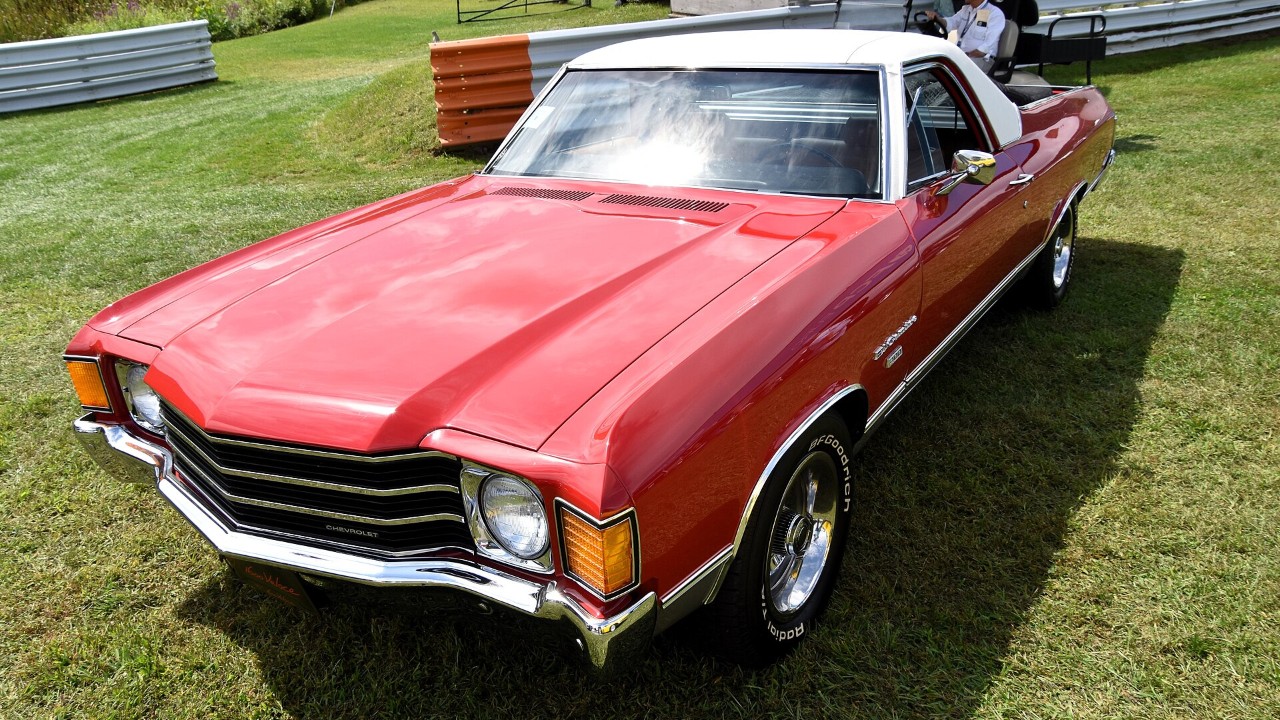
By 1972, horsepower ratings had switched to net figures, and the numbers dropped on paper. The 402, still badged as a 396, was rated at 240 net hp. The 454 was still available, but only with the SS package, at 270 net hp.
Buyers didn’t seem to mind. Chevrolet built 57,147 El Caminos in 1972, the best total of the third generation, according to Hagerty. It was also the last year of this body. The 1973 redesign moved the El Camino to a new wagon-based chassis, and it grew larger. For comparison, the 1973 base 307 V8 made just 115 hp.
That last-of-the-line status is why a 1972 402 makes our list. It has the same crisp body as the 1970, and in our view the 402 still gives it plenty of shove. Our take: a 1972 is the value play of the big-block era. If you want a third-generation El Camino to drive on weekends, start here. For a very different chapter, see why one El Camino is still the heaviest car Chevrolet ever sold.
7. 1980 Chevrolet El Camino 5.0 V8
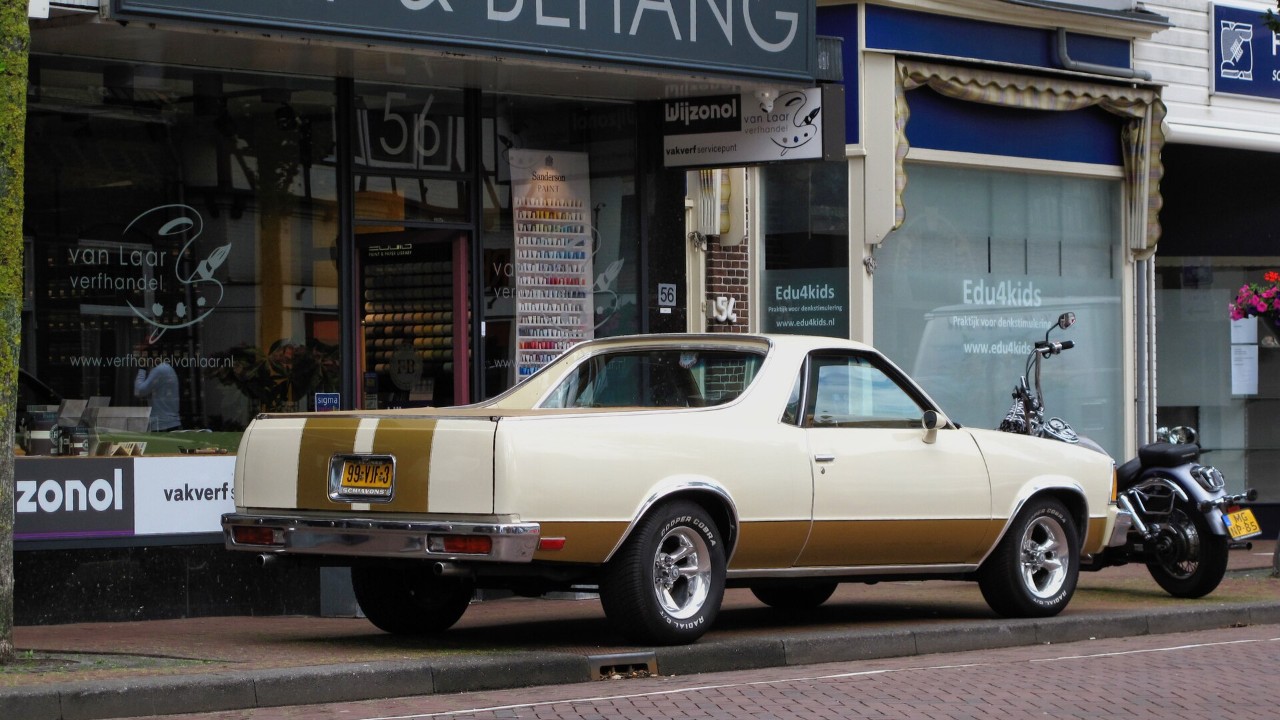
The fifth-generation El Camino arrived for 1978 on GM’s smaller G-body. For 1980, the base engine became a 229-cubic-inch V6 rated at 115 hp. The 305 V8, sold as the 5.0, made 155 hp.
Chevrolet built 40,932 El Caminos that year, including 5,444 Super Sports. In our view, the 5.0 V8 gives these trucks more pace than the numbers suggest. Chevrolet also sold trim packages such as the Conquista and the Royal Knight in this generation. The next year, production fell to 36,711 as GM’s Computer Command Control emissions system arrived.
Our take: the 1980 5.0 is the forgotten middle child of the El Camino family. It isn’t a muscle car, but it’s light, easy to fix and comfortable on the highway. In our view, it also makes a great base for a mild small-block build. If you want an El Camino to use, not just show, this generation deserves a look.
8. 1984 Chevrolet El Camino Diesel
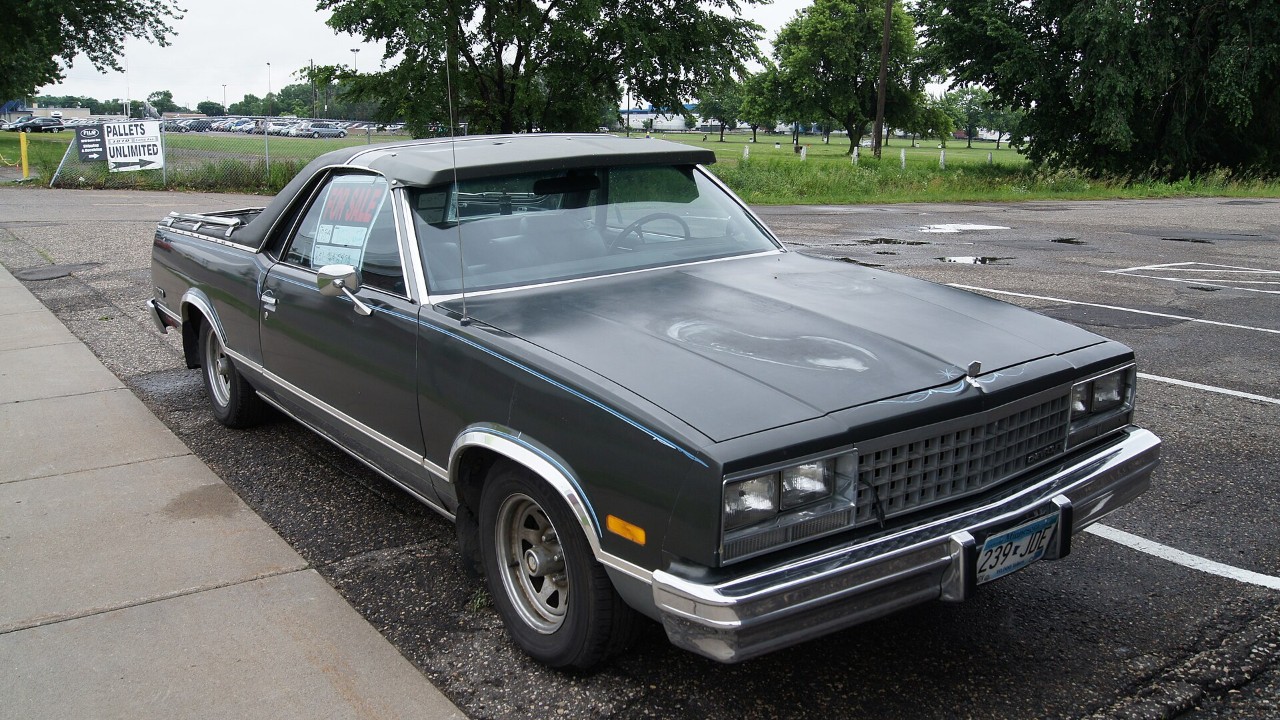
In 1982, Chevrolet added a 5.7-liter diesel V8 to the El Camino option list. It was rated at 105 hp, which was a modest figure for a V8 of that size. By comparison, the gas 305 V8 had made 155 hp in 1980. The same year brought a new grille and quad headlights. Then, for 1983, the 4.4-liter V8 and the Royal Knight package left the lineup.
Chevrolet built 22,997 El Caminos for 1984, and only 1,309 of them were Super Sports. That total sat far below the 1979 peak of 58,008 trucks. The diesel was still available that year. The truck in our photo wears the diesel badging that makes it such an unusual find. In our view, a diesel El Camino draws a crowd at any show, simply because so few people remember Chevrolet offered one.
That’s why we put it on a list for driving fans. It isn’t fast, but it’s different, and it’s a real piece of 1980s history. Production also moved to Mexico the following year, which makes 1984 the last year before that shift. Our take: if you’re tempted by one, have a diesel specialist check it before you buy. A healthy example makes a relaxed cruiser, but a tired one can be costly to sort out, so budget for a careful inspection.
9. 1986 Chevrolet El Camino Choo Choo Custom
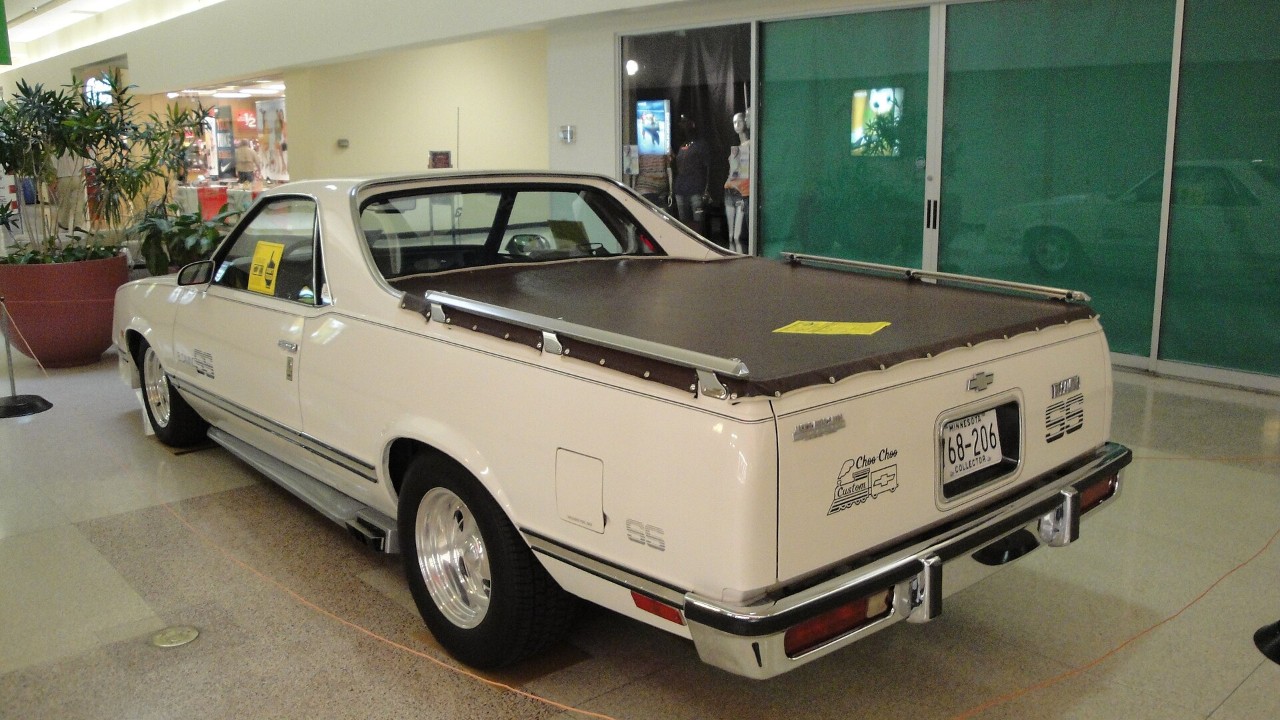
Chevrolet offered an SS package on the G-body El Camino, but it looked a lot like the regular truck. So, from 1983 until production ended in 1987, Chevrolet hired Choo Choo Customs in Chattanooga, Tennessee, to dress up the SS. The company had been founded in 1975 and started out converting vans.
According to Hagerty’s history of the conversion, Choo Choo added a polyurethane nose modeled on the Monte Carlo SS. It also fitted rally wheels, sport mirrors and decals. The engine was the 305 small-block with no extra tuning. Chevrolet claims Choo Choo built 5,000, though El Camino Central puts the real count at about half that.
Chevrolet built 21,508 El Caminos for 1986, the second-to-last year. Hagerty adds that solid Choo Choo trucks have sold on Bring a Trailer for around $12,000. Our take: that makes the Choo Choo Custom one of the most affordable ways into a limited-production El Camino. It looks like a Monte Carlo SS with a bed, and in our view that’s reason enough to want one.
More from Fast Lane Only