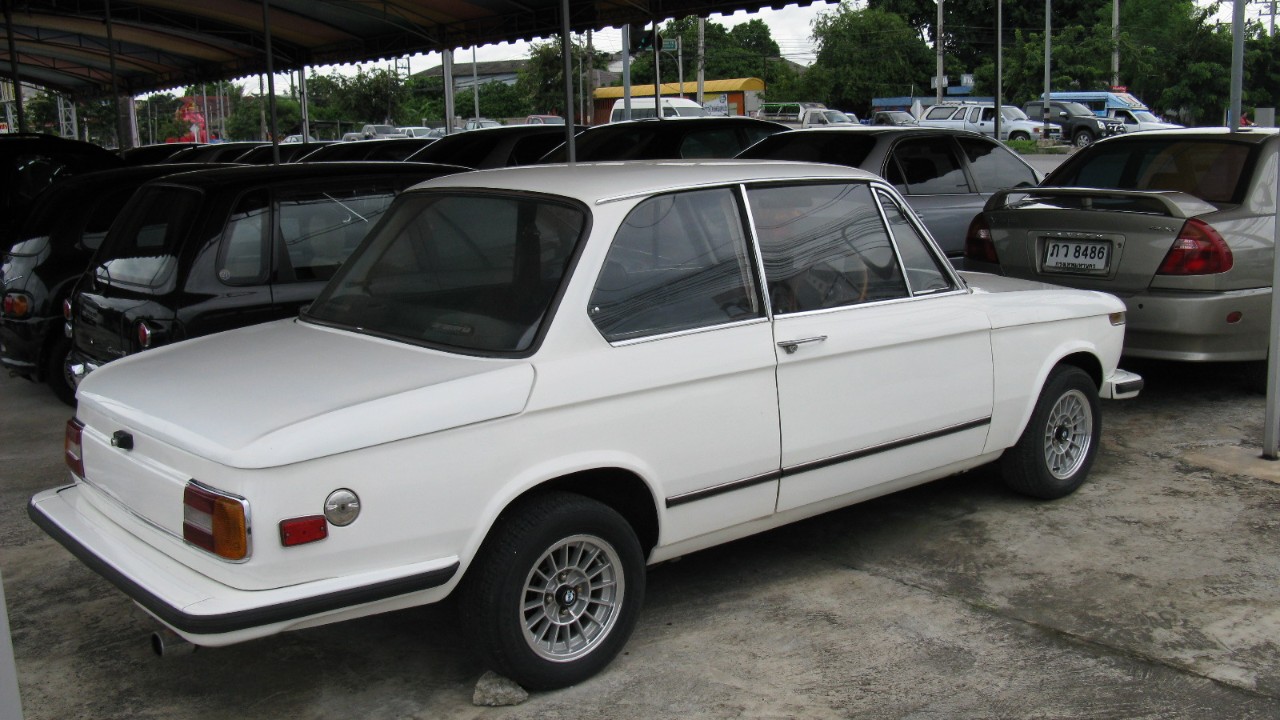
Some cars never needed a poster on the bedroom wall. A BMW 2002tii, a Lexus sedan or a turbo Dodge hatchback just did its job well. The people who drove one knew it, and that kind of respect lasts.
Fame works differently. The cars that got the magazine covers often aged into trailer queens. Meanwhile, their plainer cousins kept commuting, touring and running back roads, and many of them now look smarter than anyone admitted at the time.
These are our picks, ten road cars we admire for what they did rather than how loud they were. Each one earns its place with a real engineering idea, clever packaging or a smart call by its maker. Some are cheap, some are climbing, and all of them reward a driver.
1. 1973 BMW 2002tii
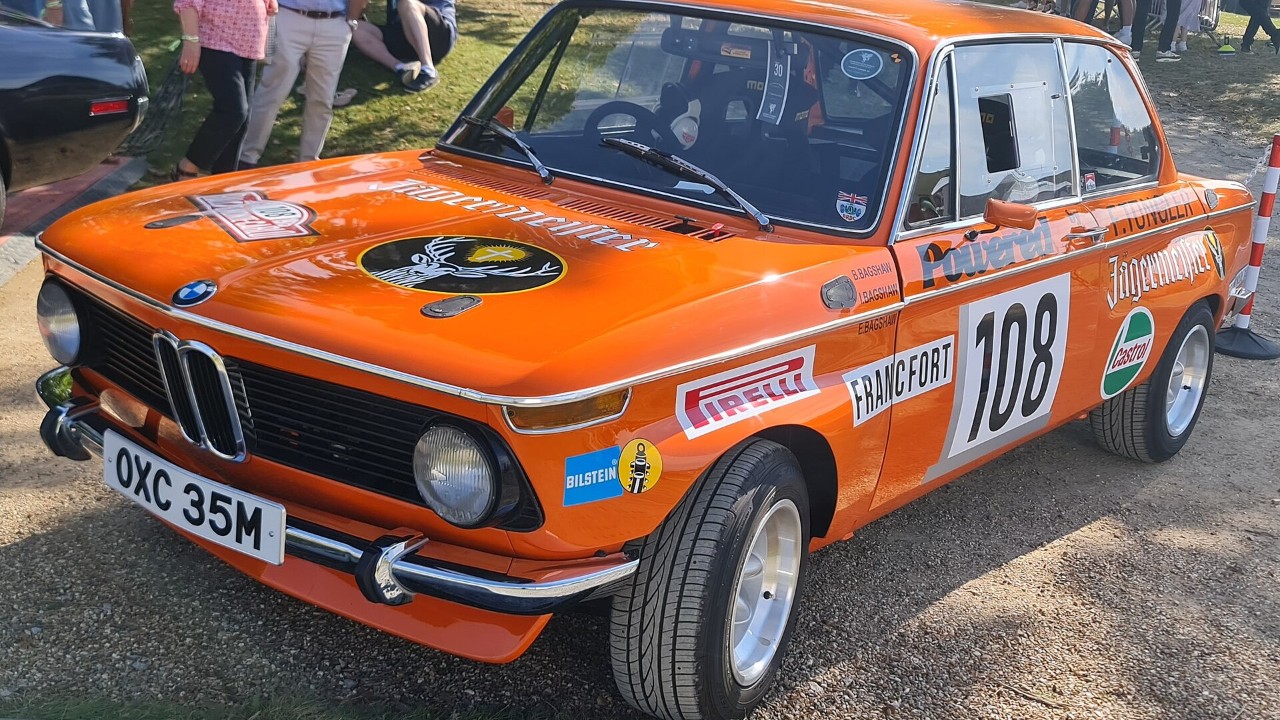
Fuel injection was the whole point of this car. BMW fitted the 2002tii with a mechanical Kugelfischer pump, the same system it had used on the larger 2000 tii. According to BMW Group Classic, the 1,990 cc four made 130 hp at 5,800 rpm.
That figure sounds modest today. However, it pushed a small two-door sedan to 118 mph without exotic parts or a racing budget. BMW built the car from April 1971 to October 1975, and almost 40,000 customers bought one.
Our take: the BMW 2002tii taught a generation what a sports sedan could be. It has thin pillars, a big glasshouse and an engine that loves to rev. Because the pump is the heart of the car, budget for a specialist who knows Kugelfischer systems before you buy. A tired pump robs the car of its sparkle. A healthy one, on the other hand, makes the BMW 2002tii feel crisp in a way few modern cars match. That is why we would pick the tii over a carbureted 2002 every time.
2. 2000 Subaru Impreza 2.5RS coupe
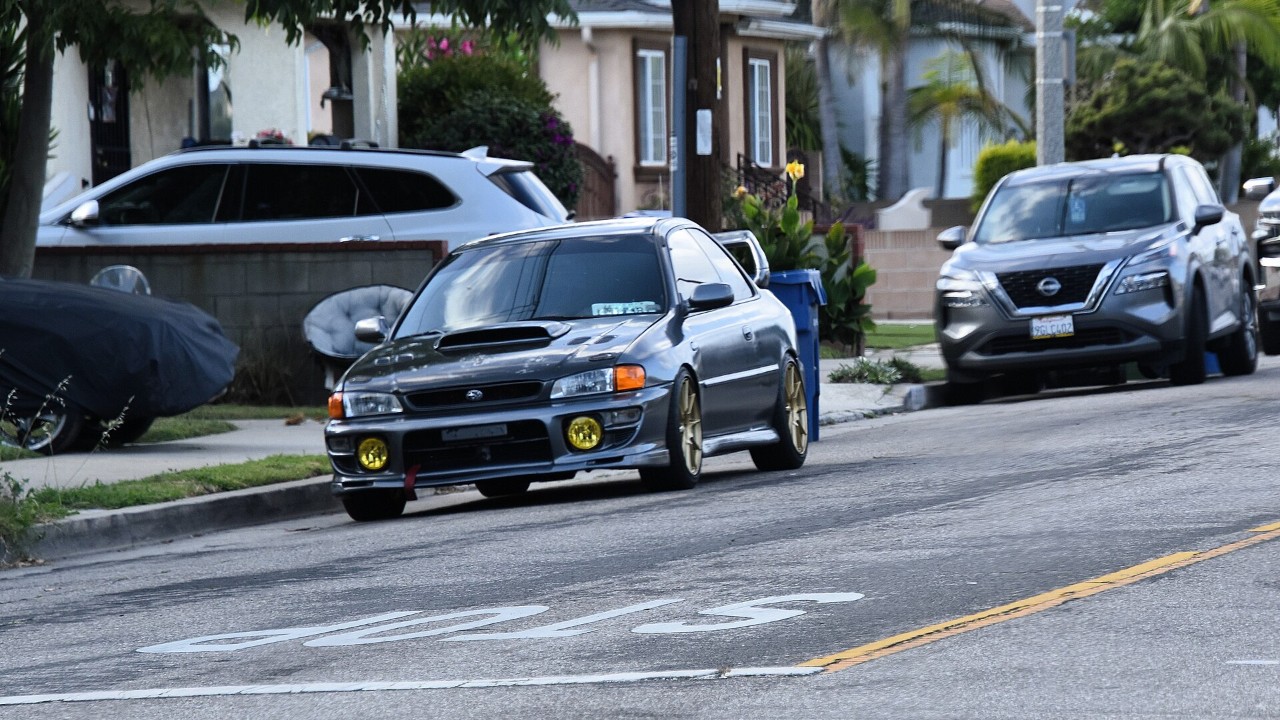
America never got the first-generation Impreza WRX. Instead, Subaru gave its U.S. buyers the 2.5RS, a naturally aspirated performance model that arrived for 1998. It used a 2.5-liter flat-four and all-wheel drive. Its styling also borrowed cues from the performance models Subaru sold overseas.
By 1999 the 2.5RS wore the front bumper from the Japanese WRX STI. That year also brought a single-cam 2.5-liter engine. It replaced the 1998 twin-cam unit, which had a poor record for head gaskets. Then, for 2000, Subaru made a viscous rear limited-slip differential standard.
So the 2000 coupe is the one we’d look for. It has the later engine, the clever rear differential and the tidy two-door body. In our view, the 2.5RS proves a car does not need a turbo to be fun on a wet back road. All-wheel drive and a willing flat-four do the work instead.
Find one with a clean history and plenty of service records. Then you get a small, honest coupe with real rally flavor for sensible money.
3. 1989 Shelby CSX-VNT
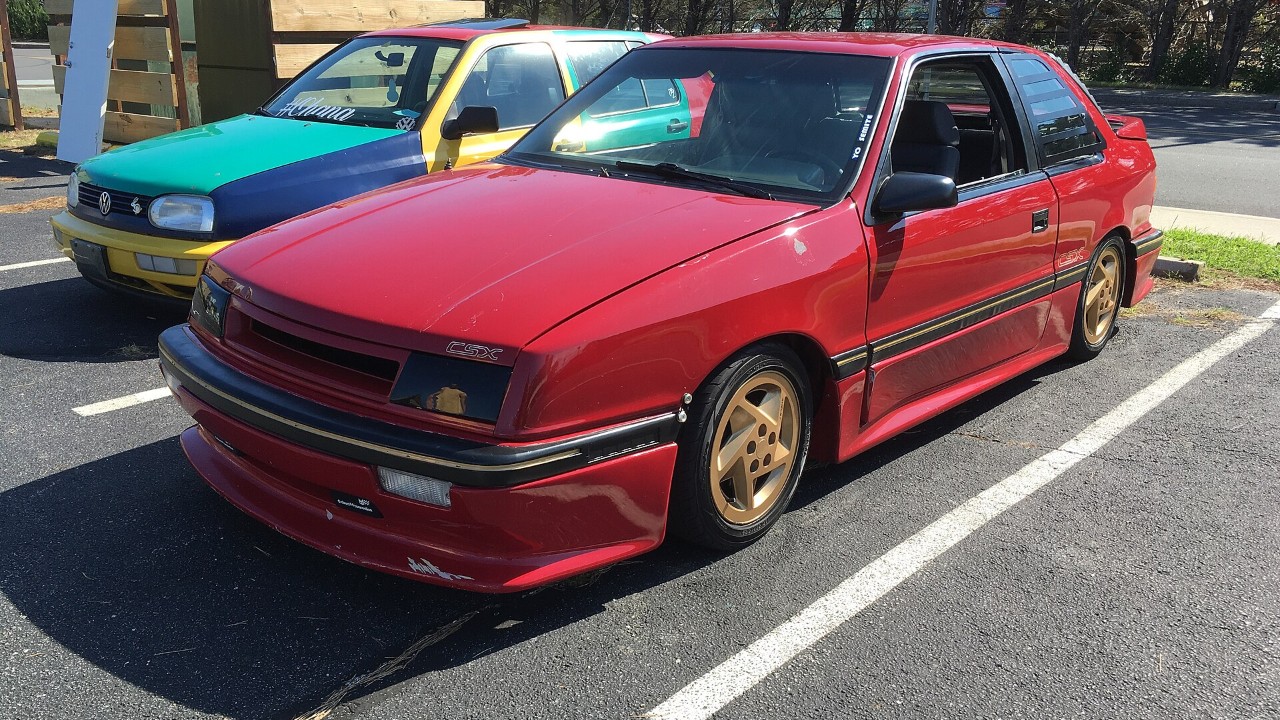
Carroll Shelby’s name usually brings Cobras to mind, but the CSX-VNT came from a Dodge Shadow. According to Petrolicious, Chrysler’s Shelby Performance Center in Whittier, California, built 500 of them for 1989. Every car came in Exotic Red with gold wheels and trim.
The clever part sat under the hood. The intercooled 2.2-liter Turbo IV used a variable nozzle turbo from Garrett and Chrysler. Instead of a wastegate, computer-controlled vanes changed the exhaust flow. The result was 175 hp and 205 lb-ft of torque from 2,100 rpm. The wheels were unusual too, since they were carbon composite pieces from Fiberride, and Kaminari ground effects dressed the body.
We admire the CSX-VNT because it tried real technology on a budget car. It is front-wheel drive, so it pushes when you overdo it. Even so, it put a genuinely advanced turbo on an everyday Dodge. If 1980s boost is your thing, our list of 1980s turbo classics that embarrassed pricier sports cars covers more of the breed.
4. 1965 Volvo P1800S
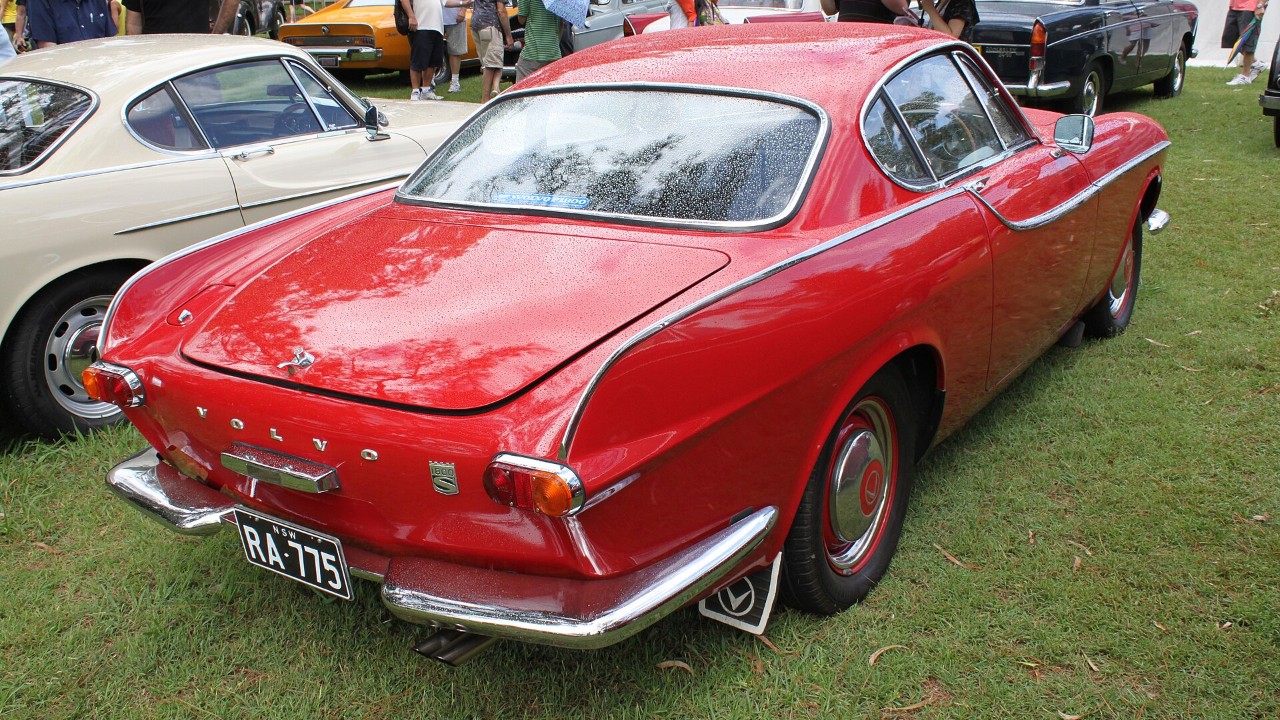
The “S” in this car’s name marks a homecoming. Jensen Motors in England built the first P1800s, roughly 6,000 of them. Then Volvo ended the contract early over quality-control problems. In 1963 production moved to Volvo’s Lundby plant in Gothenburg, and the car became the 1800S.
That move brought more power as well. The B18 four-cylinder started out at 100 hp. Volvo added 8 hp in 1963, so a 1965 car carries the stronger tune. The styling has its own back story, too. Pelle Petterson drew the car while he worked under Pietro Frua. Yet Volvo only officially recognized his authorship in 2009.
Our take: the P1800S is a grand touring coupe for people who would rather drive than polish. It looks Italian, yet it came from a company that built cars for Swedish winters. When you shop, check the body for rust first. In our view, a solid shell matters more than a fresh engine here. A Swedish-built car with sound metal is the one we’d want in the garage, and it makes a lovely long-distance companion.
5. 1989 Pontiac Grand Prix SE
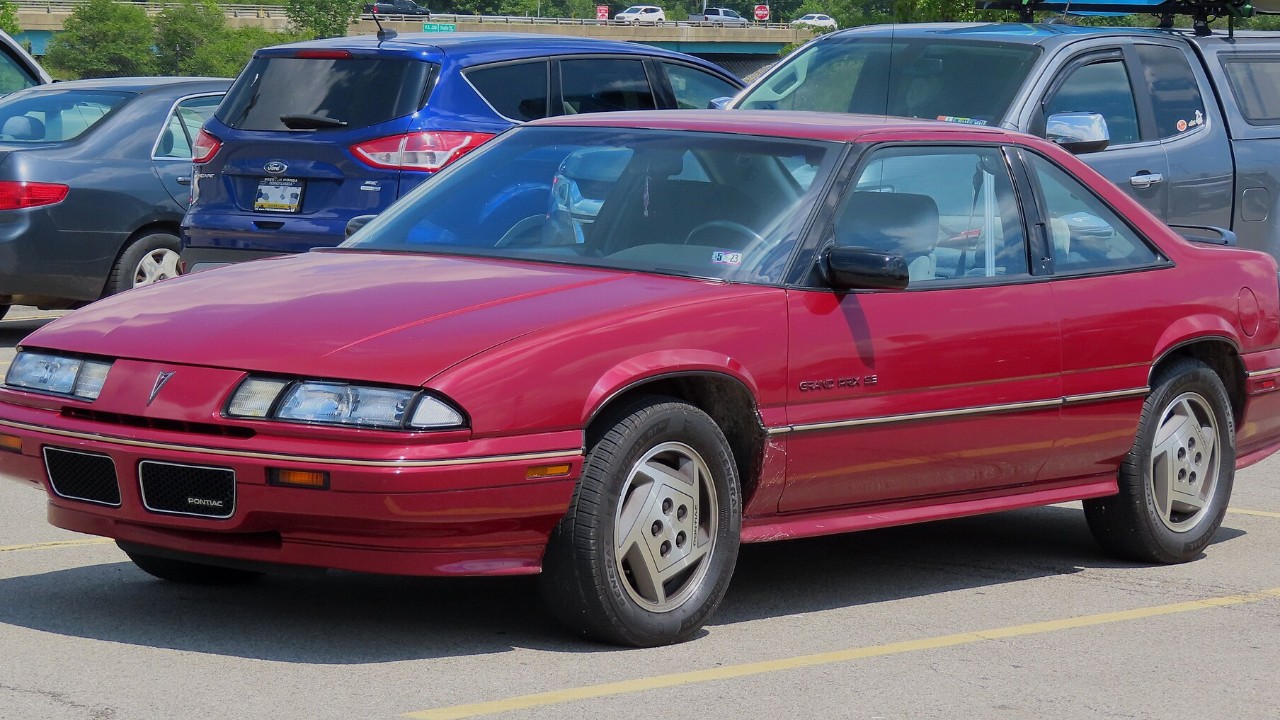
Pontiac took a big risk with the 1988 Grand Prix. It moved the nameplate to front-wheel drive on GM’s new W-body. The coupes went on sale on January 12, 1988, and that year the car won Motor Trend’s Car of the Year award.
For 1989, the SE coupe added hood louvers and extra body cladding, and it seated four. Its power front seats offered adjustable lumbar and side bolsters. Meanwhile, a trip computer and compass sat on the dash. Partway through that model year, a 140-hp 3.1-liter V6 also replaced the original 130-hp 2.8.
In our view, the 1989 SE is the sweet spot of that first W-body run. It has the later engine and the driver-focused cabin. It also has the clean, low coupe shape that felt futuristic in its day. Condition matters more than mileage here, so buy the best-kept example you can find. For more of the nameplate’s history, see our rundown of Grand Prix models that showed what Pontiac could really build.
6. 1990 Lexus LS400
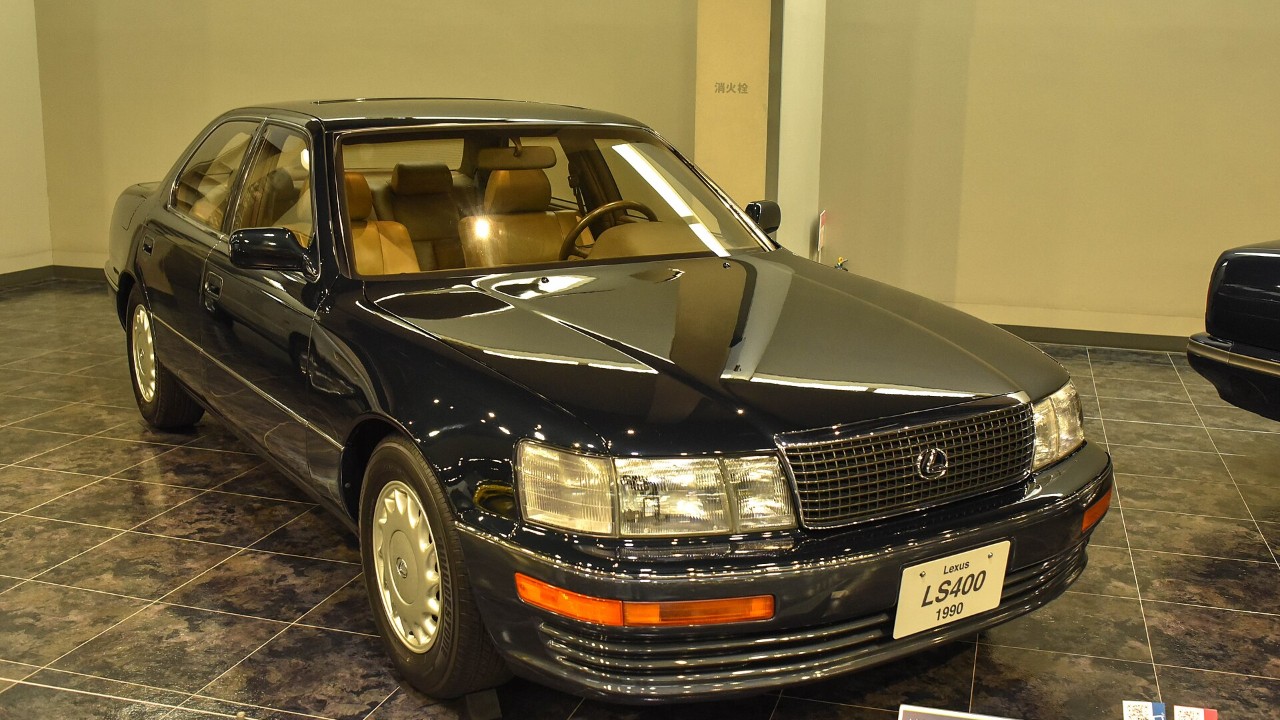
Toyota aimed straight at the best sedans in the world. According to Lexus UK’s own archive, the brief was “the world’s finest luxury performance saloon.” The answer was an all-aluminum, 32-valve 4.0-liter V8, rated at 241 bhp in British trim.
The LS400 was also the first official Lexus model sold in the UK, where it stayed on sale from 1990 to 1995. Lexus also describes its cabin as whisper-quiet and free of vibration. That focus on refinement, rather than flash, shaped the whole car.
We admire the LS400 because, in our view, it changed what buyers expected from a luxury car at its price. It does not shout. Instead, it simply does everything smoothly, which is harder to engineer than it looks.
If you want one now, look for a car with service records and a documented timing belt change. Early first-generation cars are the purest version of the idea. A well-kept one can feel close to new, and that is the best argument for buying the original.
7. 1990 Infiniti Q45
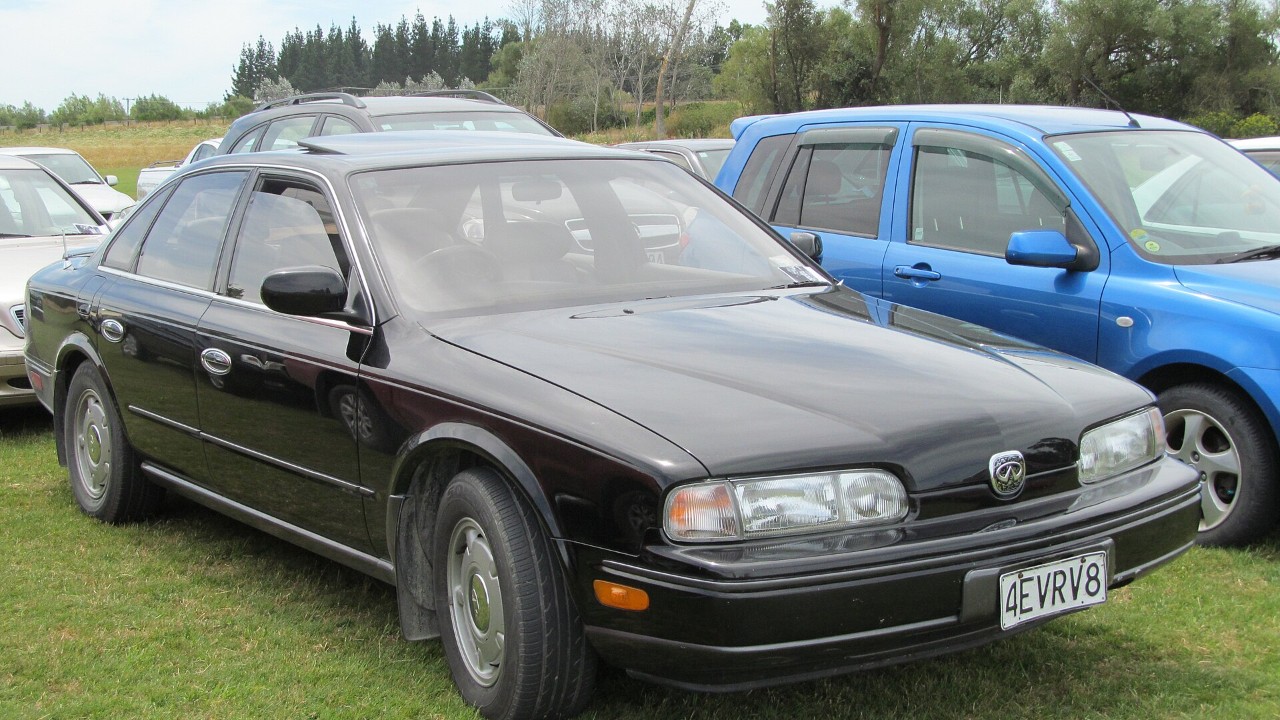
Nissan’s answer to the Lexus went on sale in August 1989 as a 1990 model, priced at $38,000. It skipped the usual luxury cues. The original Q45 had no front grille and no wood on the dashboard, just a cloisonné badge on the nose.
Under the hood sat a 4.5-liter, 32-valve V8 rated at 278 hp in North American trim. Nissan also built the Q45a, which debuted Full-Active Suspension for 1990. That system used 10 sensors and a hydraulic actuator at each wheel. Its job was to fight roll, dive and pitch, and it reached the U.S. for 1991. The tradeoff was about 202 pounds of extra weight.
The ad campaign was odd, too, because it showed no photos of the car at all. Our take: the early Q45 was a sport sedan in a luxury suit. Its gutsy V8 made it the driver’s choice of the two new Japanese flagships. The early grille-less cars are the ones we’d hunt, since Infiniti added a grille for 1993 and softened the look.
8. 1992 Honda Prelude Si VTEC
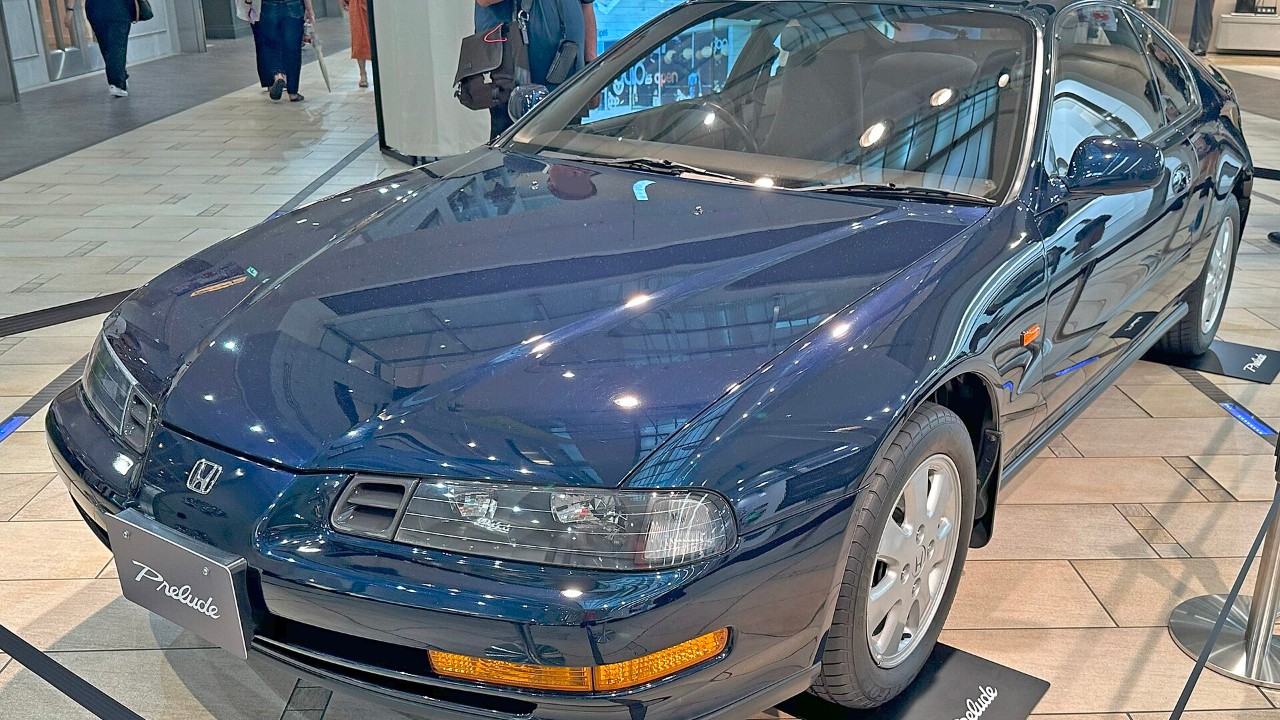
Honda introduced the fourth-generation Prelude in Japan on September 19, 1991. The new car dropped the pop-up headlights of earlier versions. Instead, it wore a wider nose with fixed lamps and a rounded, higher tail.
The Si VTEC carried the headline engine, a 2.2-liter twin-cam four with Honda’s VTEC variable valve timing. Honda used the Si VTEC name through 1993, then shortened it to VTEC from 1994. This generation also switched its four-wheel steering to an electronic system. Some Japanese VTEC cars went without it, though. Up top, a steel sliding sunroof replaced the old glass moonroof.
In our view, this Prelude is one of the most underrated front-drive coupes of the 1990s. It had real engineering ambition, from the electronic rear steer to an engine that loves high revs. Today, many buyers chase Civics and Integras instead. As a result, a clean Prelude can be a fair deal. Check for a documented timing belt service and a crash-free history before you buy.
9. Chrysler Conquest TSi
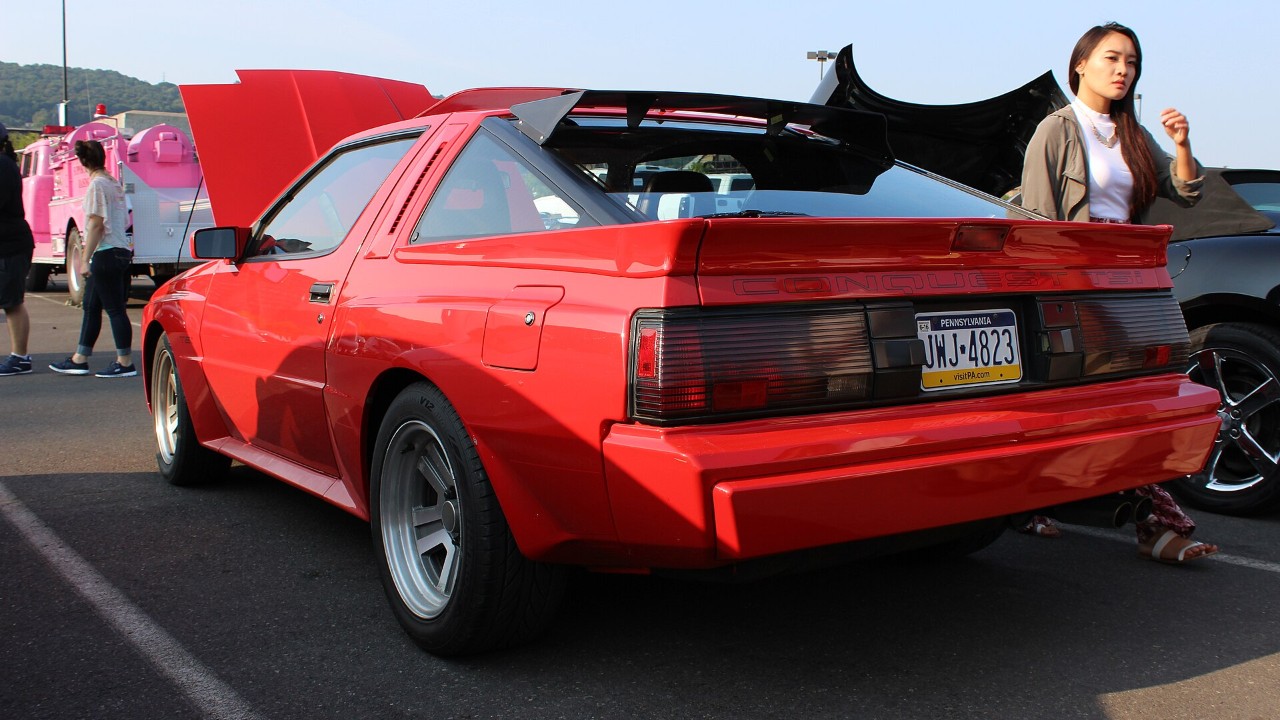
This Chrysler came from Japan. Mitsubishi built the Starion from 1982 to 1989, and Dodge and Plymouth sold it as the Conquest from 1984 to 1986. From 1987 to 1989, it wore only Chrysler badges. The TSi was the intercooled widebody version.
The name trivia is fun. Mitsubishi says Starion is a contraction of “Star of Arion,” a star plus the mythical horse Arion. Under the hood, a 2.6-liter turbo four drove the rear wheels. Meanwhile, the wide fender flares gave the car a muscular stance.
We admire the Conquest TSi because it offered a rear-drive turbo coupe with real presence. It also asks you to work a little. The big four-cylinder likes boost, and the chassis rewards smooth inputs. That makes it more involving than many coupes of its day, in our view.
If you shop for one, insist on a healthy turbo and a close look at the wide body panels. In our view, straight original flares are worth paying extra for on this car.
10. 1986 Toyota Supra MA70
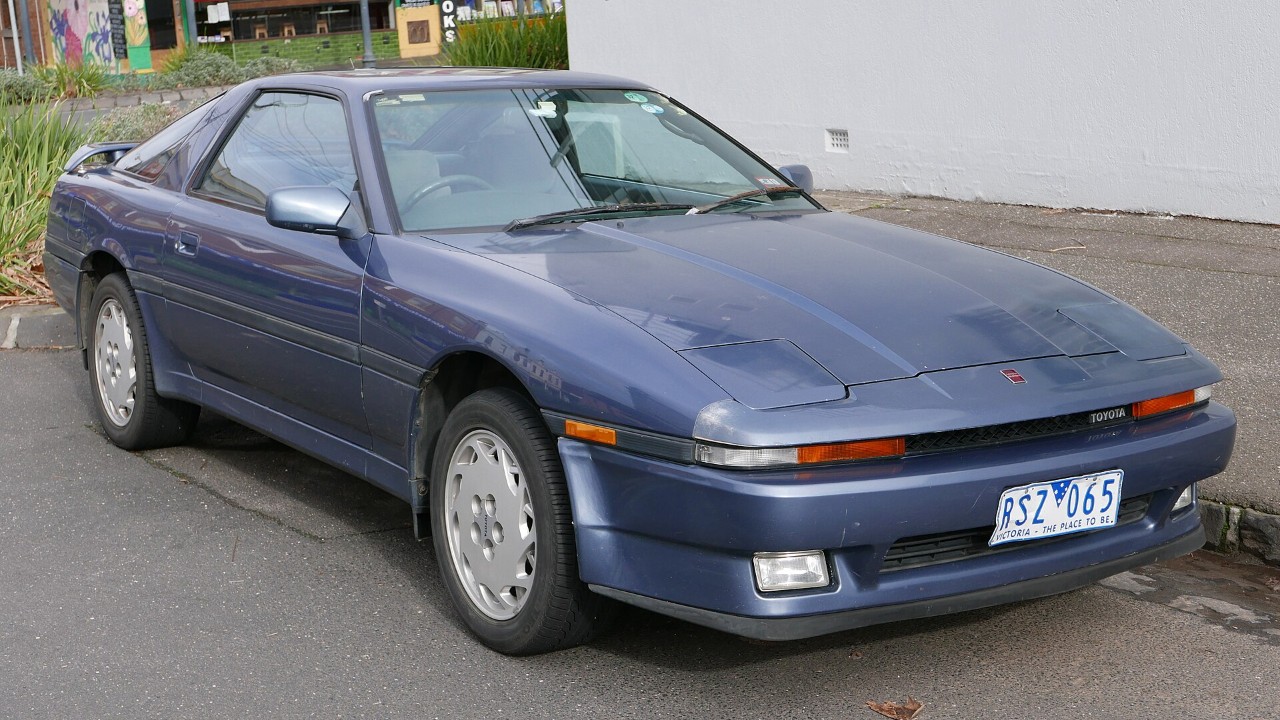
For 1986, the Supra stopped being a Celica. Toyota launched the third-generation car in February 1986 as a stand-alone model. At the same time, the Celica moved to front-wheel drive, while the Supra kept rear-wheel drive and a straight-six.
That engine was the 7M-GE, a 3.0-liter twin-cam inline-six. It made 200 hp at 6,000 rpm and 196 lb-ft of torque. The turbocharged 7M-GTE followed for 1987, but the early non-turbo car has a smooth, eager character of its own. A Sport Roof targa panel also sat on the options list, and it stayed there every year of the run.
Our take: the MA70 lives in the shadow of the later twin-turbo Supra, and that is exactly why we like it. It is a well-balanced, rear-drive grand tourer with a silky six and a targa roof option. For a buyer, the early non-turbo car is the relaxed, simple way into the family. Toyota built an estimated 241,471 cars of this generation.
More from Fast Lane Only