Few things scare a truck owner like hearing the words recall and engine in the same sentence. According to one veteran mechanic, GM has recalled hundreds of thousands of trucks and SUVs with the 6.2-liter L87 engine. Now he has shown what a failed one looks like inside.
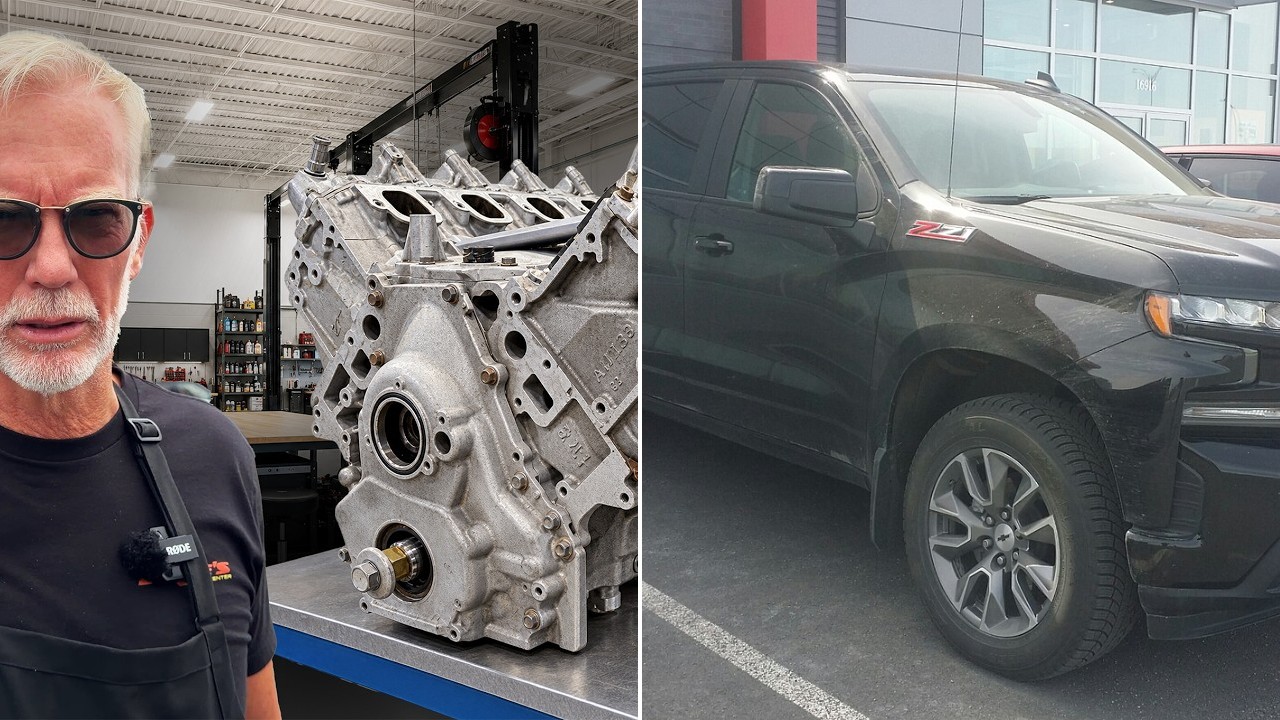
Dave, the 66-year-old shop owner behind @DavesAutoCenterCenterville, tore down a warrantied L87 engine that he says was part of that recall. It is the third one he has taken apart. However, he won’t say how he gets them.
What He Says Goes Wrong With The L87 Engine
According to Dave, the engine has a few weak spots. For example, he says cylinder deactivation has caused lifter and camshaft failures. The real problem, though, is the crankshaft bearings, which he says can seize early in the engine’s life.
He explains that GM checks engines with a frequency test, listening for a crankshaft vibration that signals failure. If an engine fails that test, he says, the owner is eligible for a replacement. Still, he adds that he has heard even some replacements are failing.
He also notes a change from the older L86. That engine, he says, had coated main and rod bearings. By contrast, the L87 kept coated mains but went back to uncoated rod bearings, and he does not know why. In addition, he says the original oil is 0W-20, with 0W-40 as the recommended upgrade.
A Low-Mileage Engine
Nobody told him the mileage. Instead, he judged it from carbon buildup on the intake valves. Based on that, he estimates the engine had somewhere around 20,000 to 30,000 miles.
At first, there was good news, because the engine still turned over. However, things got worse as the teardown went on. The camshaft would not come out, and one cam bearing journal showed wear. Then a crankshaft journal came out black.
“I’m surprised the motor turns,” Dave says. Even so, it did not turn easily, he adds.
Down To The Copper
The rod bearings told the story. One had welded itself to the journal. “When you have a bearing that looks like that, that just lost lubrication,” he explains.
He points to copper showing through. On an oil analysis, he says, lead shows up first, and copper means the wear has gone deeper. Meanwhile, the pistons and cylinder walls showed no scoring. That, he says, means the engine did not run low on oil. Instead, the oil film failed right at the journals.
In the end, every main and rod bearing had failed, and some had spun in their housings. “I think we got lucky that this motor turned over,” he says.
His Theory
Dave believes several things combine. He points to thin oil, tight clearances and waviness in the crankshaft surface. He also suspects the computer-controlled variable displacement oil pump plays a part. Meanwhile, he has been comparing surface data with a metrology expert and an oil specialist.
Next, he plans dyno tests with that pump disabled and with it working normally. He also wants to see whether unplugging the pump sets a check engine light.
In other words, he wants to know two things. First, how much fuel the smart pump really saves. Second, whether it adds wear to the bearings. Until the tests are done, he says, those answers remain open.
What Truck Owners Can Take From This
His teardown suggests a few steps for anyone driving a truck with this engine:
- Respond to recall notices quickly. In his account, the dealer test is the route to a replacement.
- Ask about oil. Dave’s view is that the thicker recommended grade is the best fix available today.
- Consider an oil analysis. In his explanation, rising copper warns of deep bearing wear.
- Keep your service records. Mileage and maintenance history help any warranty claim.
- Listen to the engine. A new knock deserves a quick check.
Where Things Stand
For now, Dave says the only fix he trusts is the heavier oil, and he expects dyno results within about a month. Until then, he says, every L87 engine he tears down shows the same thing. “Main and rods are failing,” he says.
More from Fast Lane Only