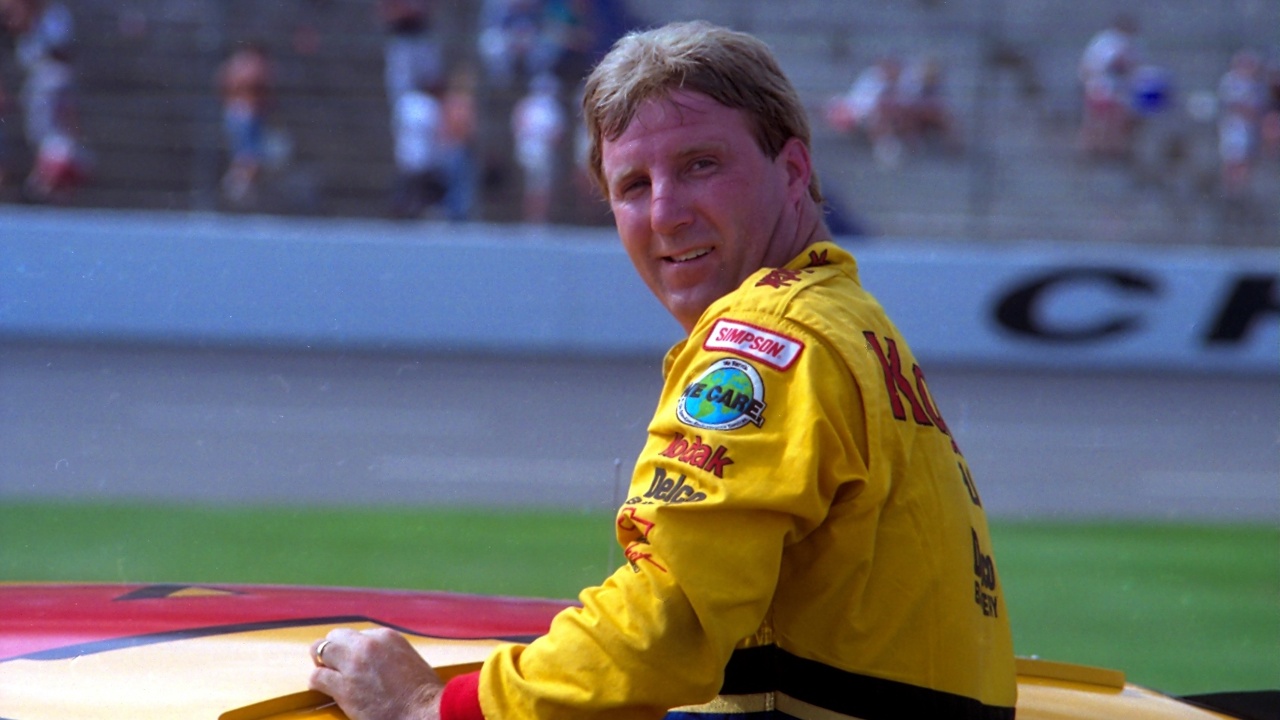
Sterling Marlin did not just win on superspeedways, he reshaped how rivals thought about running 190 miles per hour in a pack. His mix of raw car control, mechanical feel and quiet confidence turned tracks like Daytona and Talladega into personal playgrounds and left a blueprint that modern NASCAR teams still follow when they unload for the big ones.
When I look back at his career, what jumps out is not only the trophies but the way his approach to speedway racing still echoes in today’s setups, drafting strategy and even how younger drivers talk about risk. Marlin’s superspeedway talent became a kind of unofficial curriculum for anyone who wanted to survive, and then thrive, in the sport’s most volatile races.
From Nashville grit to big-track mastery
Marlin’s dominance on the longest ovals makes more sense when you trace it back to where he started. Before he was slicing through the draft, he was grinding out short-track titles, winning three consecutive track championships at Nashville Raceway from 1980 to 82. He actually made his Cup debut even earlier, which meant that by the time he was a full-time presence in the series he already had years of experience wrestling heavy stock cars on unforgiving tracks. That background shows up in how composed he looked when the speeds got extreme.
The leap from local hero to superspeedway ace really took off when Marlin signed to drive the No. 22 Maxwell House-sponsored Ford Thunderbird for Junior Johnson. That ride put him in elite equipment and, just as important, in a shop that understood how to build slippery, stable cars for the fastest tracks on the schedule. Later, when he stepped into the No. 28 Robert Yates Racing car after the fatal helicopter crash of driver Davey Allison, he proved he could win in that pressure cooker too, collecting six victories for the team. Those stints cemented his reputation as someone who could take a fast car and make it untouchable when the track opened up and the draft formed.
The art of the superspeedway, Marlin-style
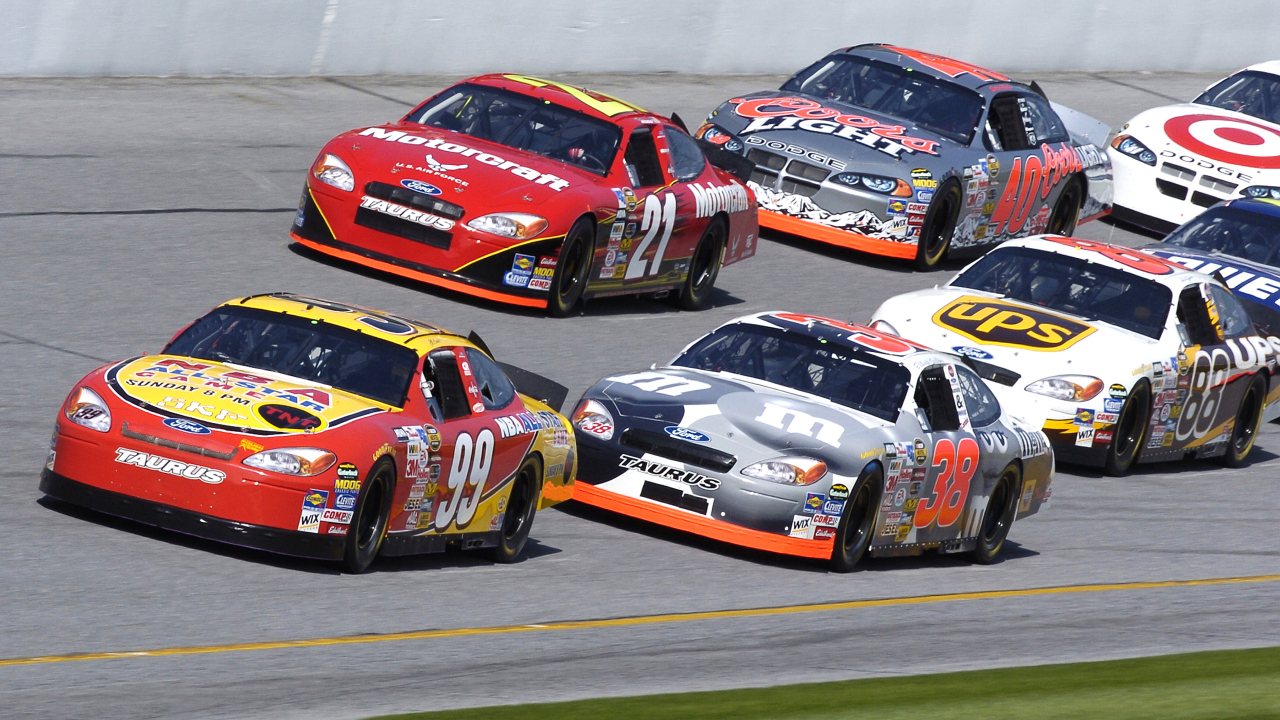
What separated Marlin on superspeedways was not just horsepower, it was how he managed the chaos. He developed a feel for the air that let him control lines of cars behind him, almost like a point guard running an offense at 190 miles per hour. That talent showed up in his back-to-back Daytona 500 triumphs, which helped earn him a reputation as a “superspeedway ace” and a two-time #DAYTONA500 champion. When I watch replays of those races, what stands out is how rarely he put himself in a desperate spot. He anticipated runs, blocked decisively and seemed to know when to ride and when to pounce.
His cars helped, of course, and one of the most vivid examples is the unique-sounding machine he wheeled in the 1995 Daytona 500. Fans still trade clips of that car’s distinct exhaust note, a reminder that his teams were willing to push the envelope on how a superspeedway engine could breathe and sound. A closer look at that race footage shows how the combination of that wild-sounding car and Marlin’s calm hands produced a package that sliced through the air differently from anything else in the field, a point that still fascinates fans who revisit that 1995 Daytona 500 run.
Underrated legacy in a data-driven era
For all that success, Marlin often gets left out of casual barstool debates about the greats, and I think that says more about how we remember drivers than about his actual performance. Some fans lump him in with names like Michael Waltrip, solid veterans who finally broke through on the big stage. But when you dig into the numbers and the context, Marlin comes out as, in the words of one detailed analysis, “Arguably the” most underrated driver of NASCAR’s modern era. That kind of evaluation leans on advanced metrics that reward his consistency, his superspeedway dominance and the quality of the equipment he maximized.
The sport itself has started to catch up to that view. NASCAR recently highlighted him as a 10-time winner and celebrated how he handled places like Las Vegas Motor Speedway along with the big drafting tracks, a reminder that his skill set traveled beyond just two venues. When I see current drivers talk about learning the air, trusting their feel and balancing aggression with survival, I hear echoes of Marlin’s approach. His, Sterling Marlin, contributions on and off the track still shape how teams think about superspeedway racing, even if his name does not always get top billing in the highlight reels.
More from Fast Lane Only: