Buick built 265,654 Buick Skylark compacts for the 1980 model year alone. That number tells you what the later Skylark was. It was a car for everyday buyers, sold in huge volume from the mid-1970s into the late 1990s. Most of them simply did their job.
That’s not a knock on the cars. Plenty of these Skylarks gave honest service. However, in our view a full restoration means new paint, chrome, upholstery and a rebuilt drivetrain, and that work costs about the same whatever badge sits on the trunk. When a car’s market value is low and its known problems are well documented, the math rarely works out.
These eight are our picks for the Skylarks we’d enjoy as found, keep running or pass on, rather than restore. The verdicts are our opinion. The facts behind them, from recalls to production figures, come from period reports and published model histories.
1. 1975 Buick Skylark coupe
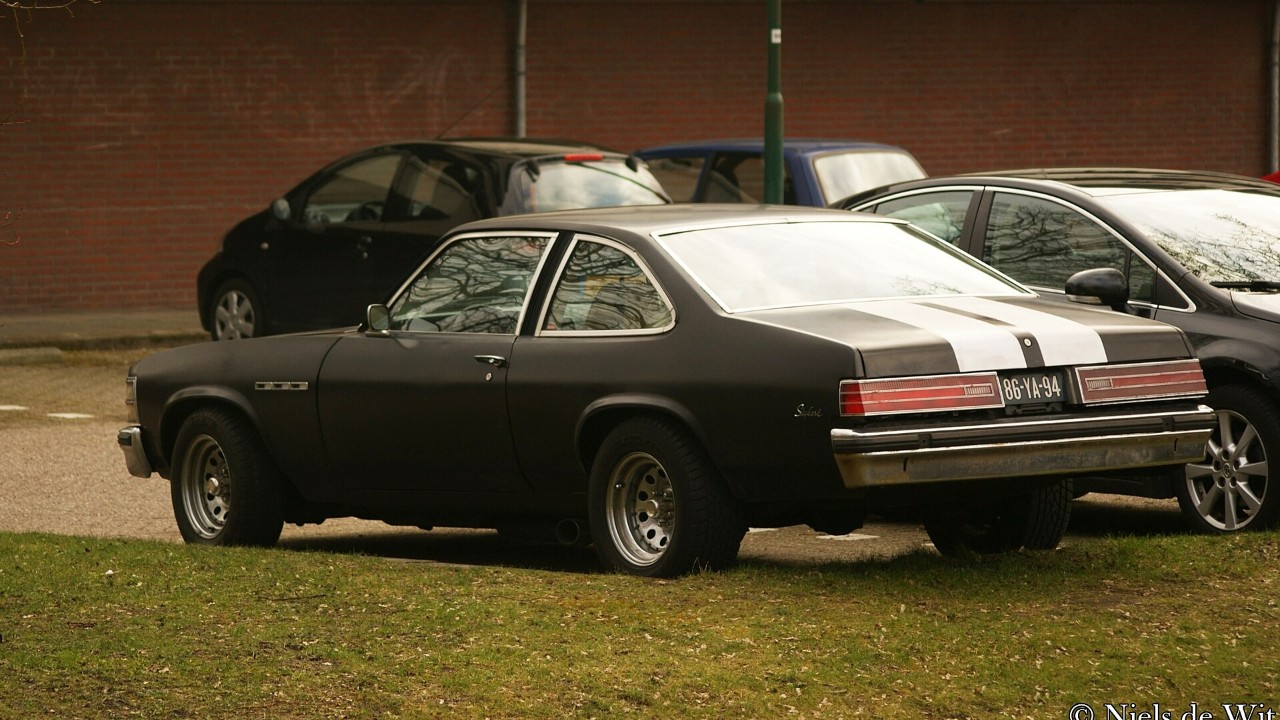
For 1975, GM restyled its compact X-body cars, and Buick moved the Skylark name onto the coupe and hatchback. The Apollo name stayed on the sedan for that year. According to a detailed history at Curbside Classic, the base engine was Buick’s revived 231-cubic-inch V6. Optional V8s included Oldsmobile’s 260 and Buick’s 350.
The V6 made up roughly 80 to 90% of sales, by Curbside Classic’s estimate. Popular Science timed a Skylark at 16.6 seconds to 60 mph, which was quicker than the Ford Granada it tested. Still, the same history admits the Skylark “may not have been the last word in refinement or build quality.”
Our take: the 1975 coupe is a durable, likable compact, but it isn’t a collector car. Most survivors carry the V6, and restoring one to show condition costs far more than the finished car is likely to bring. A clean original is a fun weekend cruiser, and it’s worth keeping on the road that way. Buyer advice: pay for a solid, rust-free original rather than a project, and skip any car that needs bodywork.
2. 1977 Buick Skylark S/R sedan
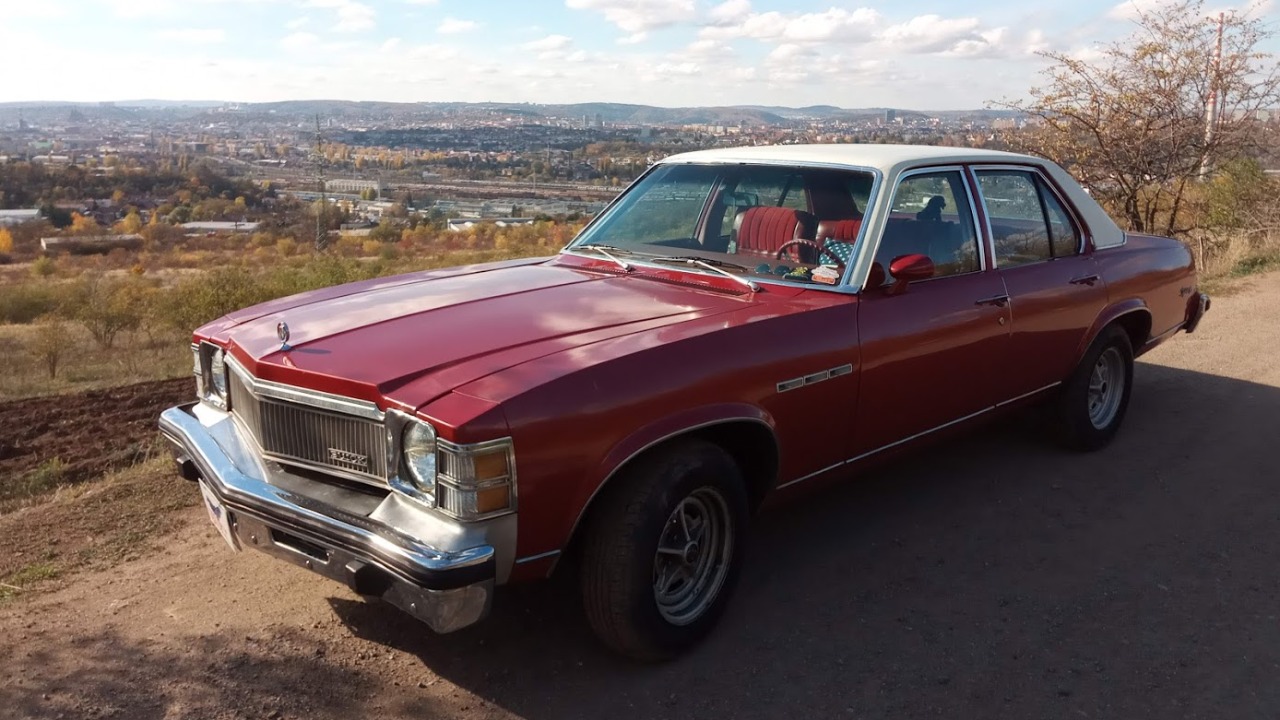
The S/R, short for Sports/Rallye, was Buick’s attempt to make the X-body feel special. Curbside Classic lists the package: cloth-and-vinyl bucket seats, a console shifter for the automatic, a Rallye steering wheel, carpeted door trim and firmer suspension tuning. Buick offered it on every body style and engine.
Buyers mostly ignored it. The standard sedan outsold the S/R models roughly four to one. So Buick dropped the package after 1977. Meanwhile, the engine list kept changing. For 1977, the Oldsmobile 260 left, and Pontiac’s 301 and Chevrolet’s 305 V8s joined the options. Through all of it, Buick’s own V6 stayed the base engine.
That low volume is the problem for a restorer. Trim parts unique to a package few people bought are hard to find. Also, an S/R four-door doesn’t draw the attention a coupe would. In our view, the money is better spent on a car that already has its interior intact. Buyer advice: if you want an S/R, buy the one with the best original seats and console, because those are the parts you can’t easily replace.
3. 1979 Buick Skylark Custom
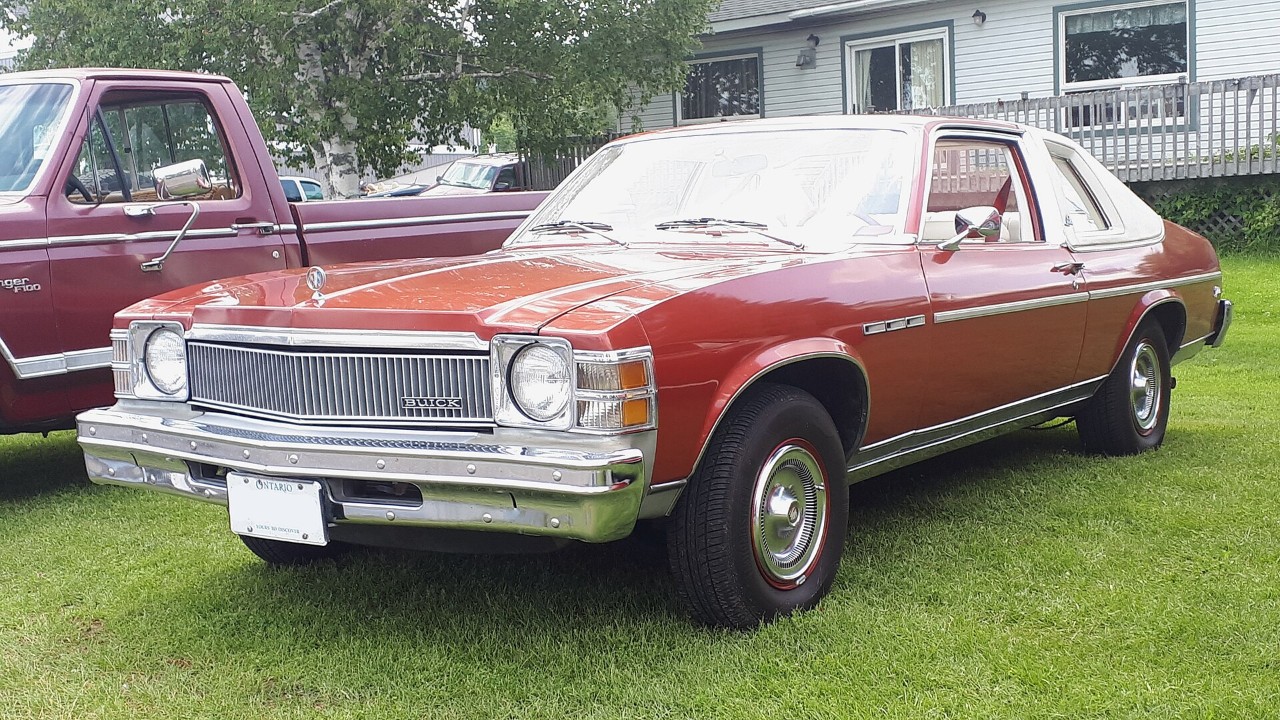
When the S/R went away, the Custom took over as the top Skylark for 1978. Curbside Classic notes that the S/R’s features moved into the Custom, while a Sport package carried over its mechanical upgrades. By 1979, Buick had dropped the Custom two-door hatchback, too.
Underneath, these cars had a changing cast of engines. Over the years, Curbside Classic counts the Olds 260, the Pontiac 301, the Chevy 305, the Chevy 350 and the Buick 350. The Chevy 350 four-barrel joined for 1978 with 170 hp. As a result, two 1979 Skylarks with the same badge can carry V8s from different GM divisions.
That variety makes originality hard to prove and parts hunting confusing. In our view, a 1979 Custom is a nice period piece to drive as it is. However, it’s not a car that rewards a frame-off restoration. It was the last year before the front-drive Skylark, which adds some interest, but not enough to change the math. Buyer advice: check the engine code before you buy, and favor a low-mile original with documentation over a cheaper car with an unknown V8.
4. 1980 Buick Skylark X-body

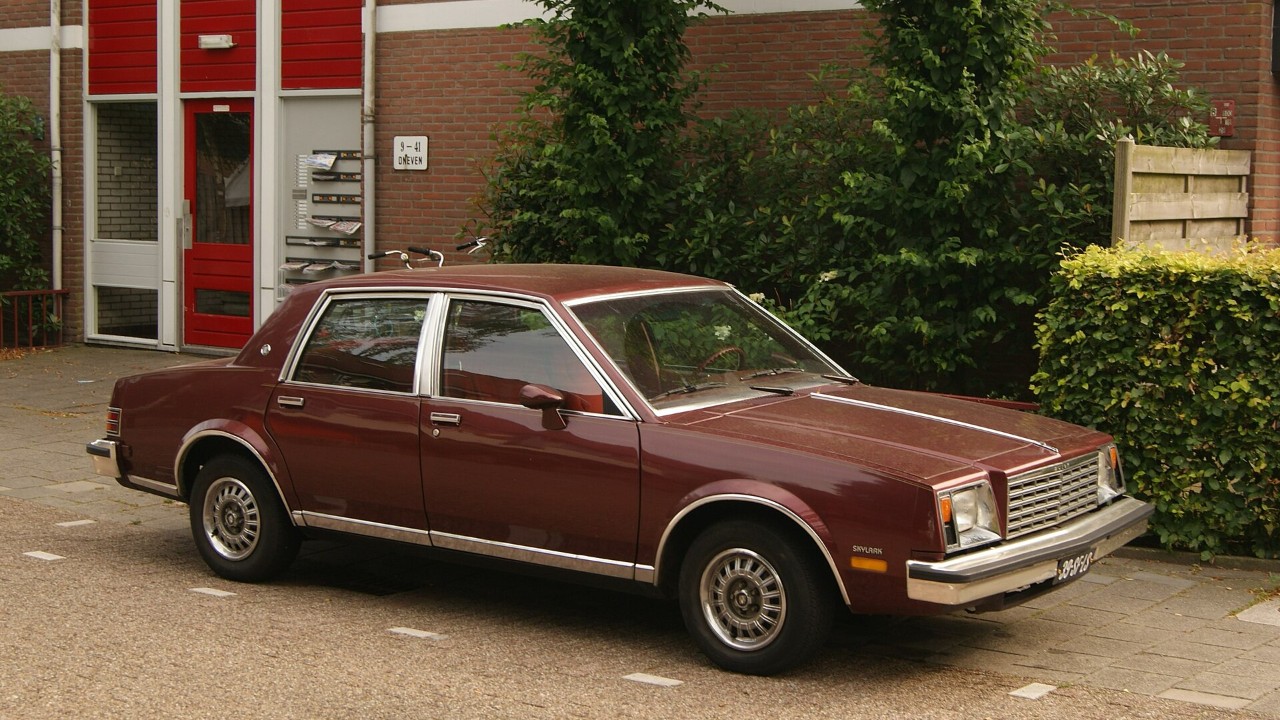
The 1980 Skylark was Buick’s first front-wheel-drive car, with a transverse engine and MacPherson strut front suspension. It shared GM’s new front-drive X-body with the Chevrolet Citation, Pontiac Phoenix and Oldsmobile Omega. The standard engine was the 2.5-liter Iron Duke four, rated at 90 hp, with a 115-hp 2.8-liter V6 optional. In fact, it was Buick’s first four-cylinder car since the Buick Four ended in 1918.
The X-cars sold well, then ran into trouble. In 1983, UPI reported that GM agreed to recall about 240,000 1980 X-cars, including the Skylark, because the rear brakes could lock and the car could spin out. UPI called it the 12th X-car recall. A Christian Science Monitor report from that January added that federal regulators had extended their brake investigation to 1981 through 1983 models.
Our take: the 1980 Skylark matters as history, but that history is exactly what keeps values down. A restoration would cost thousands for a car best known for a recall. Buyer advice: if you buy one, confirm the brake recall work and inspect the rear brakes before you drive it hard.
5. 1985 Buick Skylark Limited
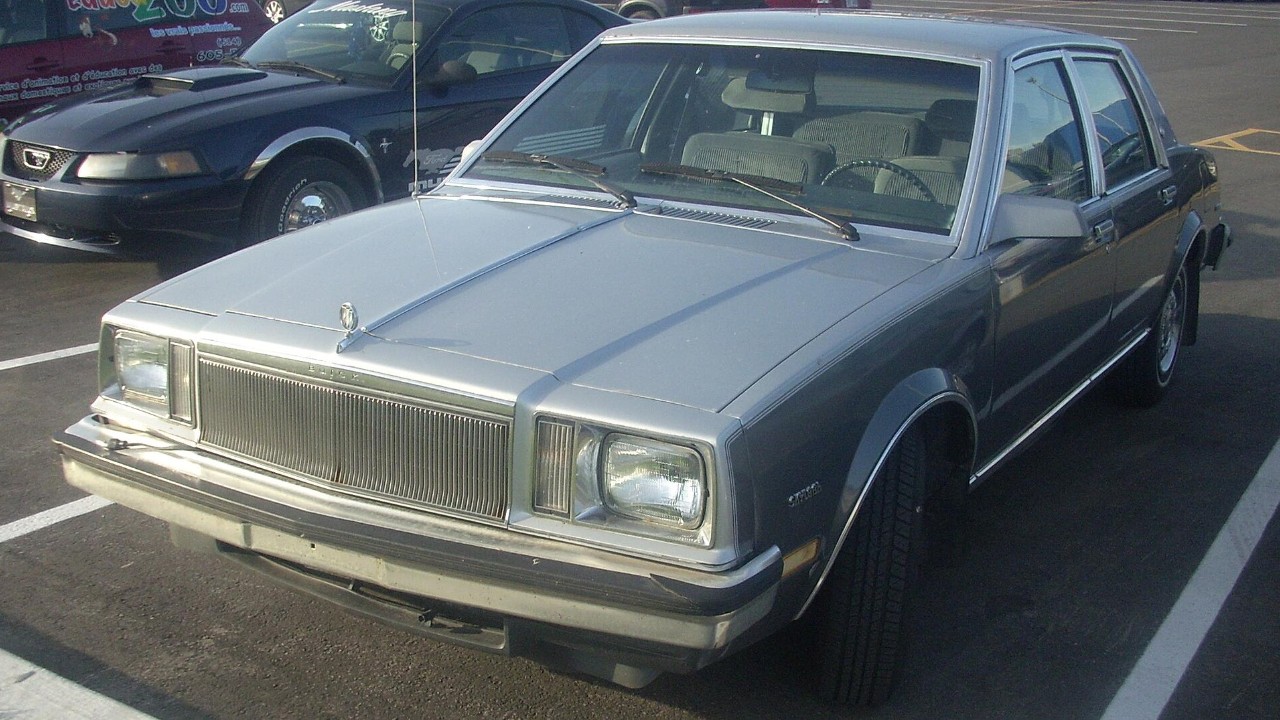
By 1985, the X-body was near the end. That year, the Skylark came only as a four-door sedan, in Custom or Limited trim, while the two-door moved to the new Somerset Regal. Buick also gave the car a new grille and rear styling, wider taillights and a license plate moved to the bumper. Under the hood, the Iron Duke four had switched to throttle-body fuel injection back in 1982.
Production fell to 93,157 sedans that year, well short of the 1980 peak. For 1985, the Skylark and the Chevrolet Citation II were the only X-body cars left on sale. Oldsmobile and Pontiac had dropped their versions after 1984. That left the Buick as one of the last of a platform that had lost its early shine.
The Limited is the plush version, with nicer trim than the Custom. However, that doesn’t make it collectible. In our view, a final-year X-body sedan is a curiosity. Yet restoring it costs the same as restoring something far more desirable. Buyer advice: buy a Limited only in excellent original condition, and treat it as a driver rather than an investment.
6. 1987 Buick Skylark Limited sedan
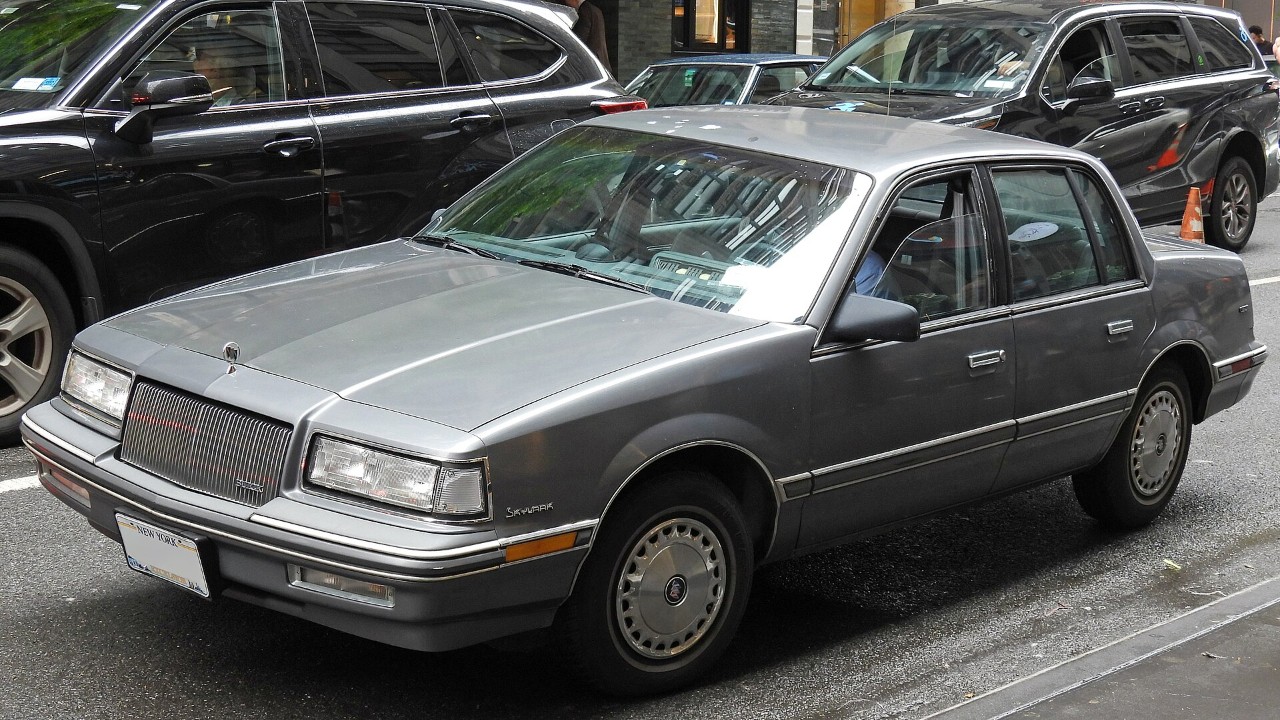
The Skylark sedan moved to GM’s N-body for 1986, with Custom or Limited trim and conventional analog gauges. The big option was a new 3.0-liter fuel-injected V6, rated at 125 hp. It came only with a three-speed automatic. Partway through 1987, door-mounted automatic seatbelts arrived as well. Then, for 1989, a 3.3-liter V6 replaced the 3.0, so the 1987 engine had a short run.
Buick built 33,705 Skylark sedans for 1987, a modest total by the car’s earlier standards. The Limited was a comfortable, conservative family car of its day. Yet in our view, nothing about it, from the drivetrain to the styling, gives a collector a reason to chase one.
Our take: this is a car to drive and enjoy, not to restore. A restorer would also face era-specific hardware such as the door-mounted belts. Meanwhile, any money spent on paint and trim is unlikely to come back. For a broader look at the brand, our earlier rundown of rare Buicks that changed perceptions of the brand covers more ground. Buyer advice: if one appeals, look for a one-owner car with service records and working seatbelt mechanisms.
7. 1992 Buick Skylark Gran Sport
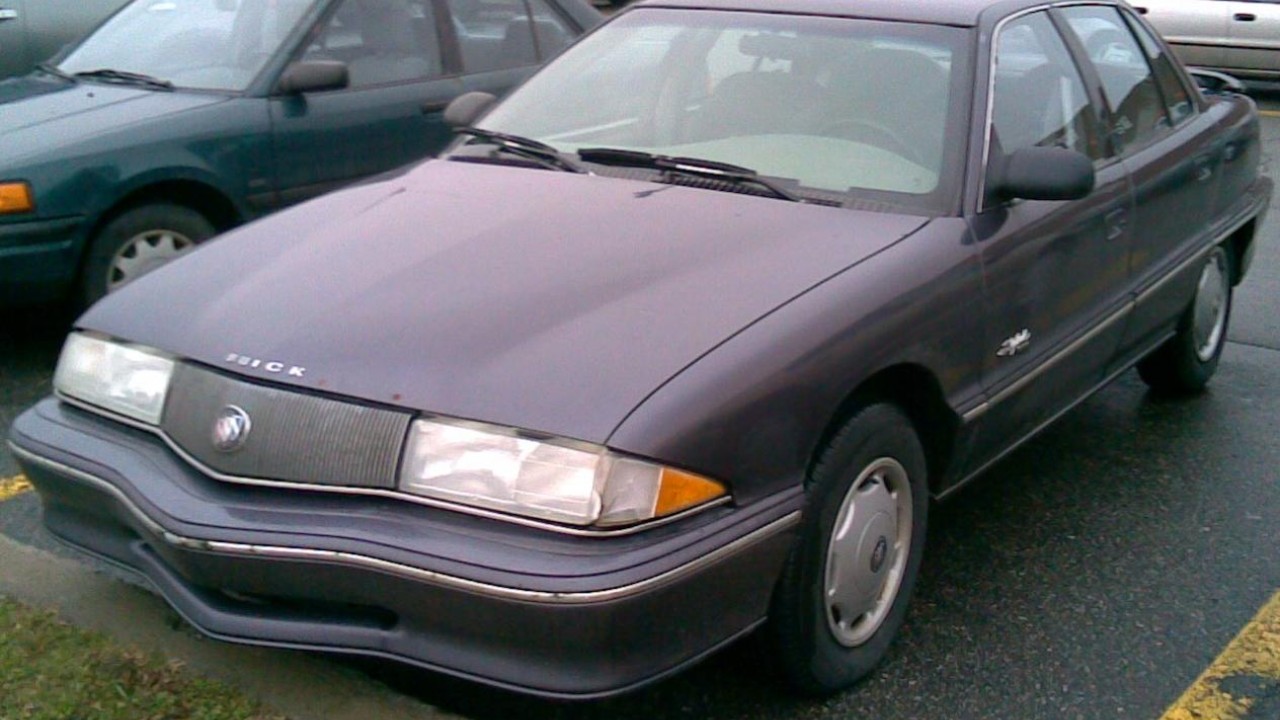
The 1992 redesign kept a Gran Sport at the top of the Skylark range, with a 3.3-liter V6 rated at 160 hp and a three-speed automatic. According to Jalopnik’s look back at the car, it took about 10 seconds to reach 60 mph. MotorWeek called the notched front end “alarming,” Jalopnik recalled. Also, the adjustable soft, auto and sport suspension settings made little difference.
The ownership record is spotty, too. The Consumer Guide used-car review lists engine knock on 1992–93 3.3-liter V6s from excess clearance at the number one main bearing. It also notes early gauges spread so wide that the steering wheel hid the ones at the ends. One 1992 recall covered a rear spring mount that could cut the fuel filler pipe in a rear impact.
The Gran Sport badge carries real weight at Buick, as our look at the rarest Skylark GS engine bay shows. This car doesn’t live up to it. Buyer advice: Consumer Guide puts a good-condition car at $1,000 to $2,100, so buy a clean one for that price and don’t plan a restoration.
8. 1996 Buick Skylark Custom

For 1996, Buick toned down the Skylark’s styling, with a new grille, hood and headlamps. It also added a passenger airbag, a 2.4-liter Twin Cam four rated at 150 hp and a more traditional dashboard. Consumer Guide’s verdict on the generation was that it “can still be a sensible choice,” despite loud engines and poor insulation.
The recall list for 1996 is long, though. Consumer Guide lists a loose steering-column pinch bolt and a passenger airbag that might snag and deploy improperly. Interior lamps could also come on by themselves. Worse, ignition switch parts could melt if a driver held the key in the start position. On top of that, an “ETC OFF” traction control light could glow and cruise control could quit. Consumer Guide listed no fix for it.
Our take: the 1996 Custom is a decent used commuter and nothing more. Buick sold the Skylark to the public for only one more year before it became a fleet-only car for 1998. Buyer advice: run the VIN for open recalls, test the cruise and traction lights, and keep it as a cheap driver rather than a restoration.
More from Fast Lane Only