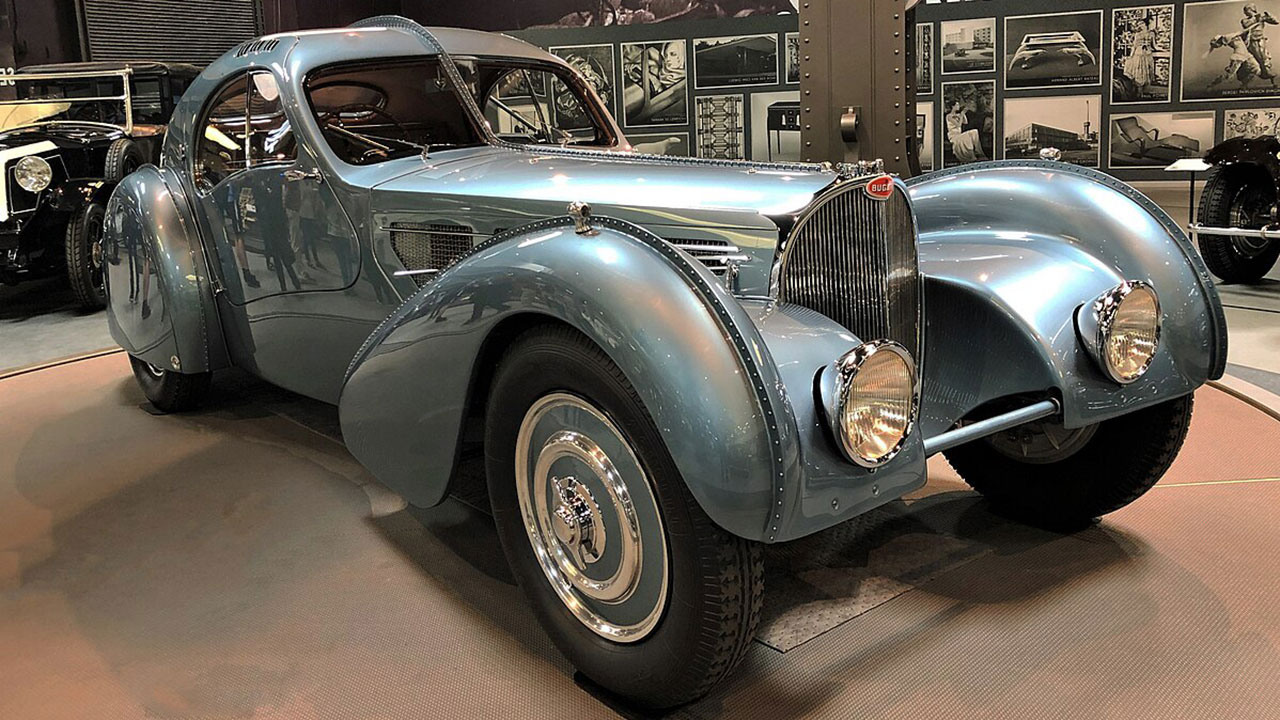
Ford offered its 300-cubic-inch inline-six engine in pickups from 1965 to 1996, a 31-year run that few engines match. Yet that kind of staying power is common among straight sixes. A long crankshaft, a simple layout and a smooth power delivery made them favorites in trucks, sedans and work machines.
Not every six earned its reputation the same way, though. Some were cheap iron workhorses that farmers and delivery fleets leaned on. Meanwhile, others were high-revving twin-cam designs from Japan and Germany. A few were diesels that seem happiest with a trailer hooked up.
These 11 are our picks, and “refuse to wear out” is our verdict, not a mileage promise. The years, displacements and power ratings come from engine histories, a maker’s own timeline and enthusiast references. If you want an engine that rewards basic care with years of service, start here.
1. 1991 Jeep 4.0 HO inline-six engine
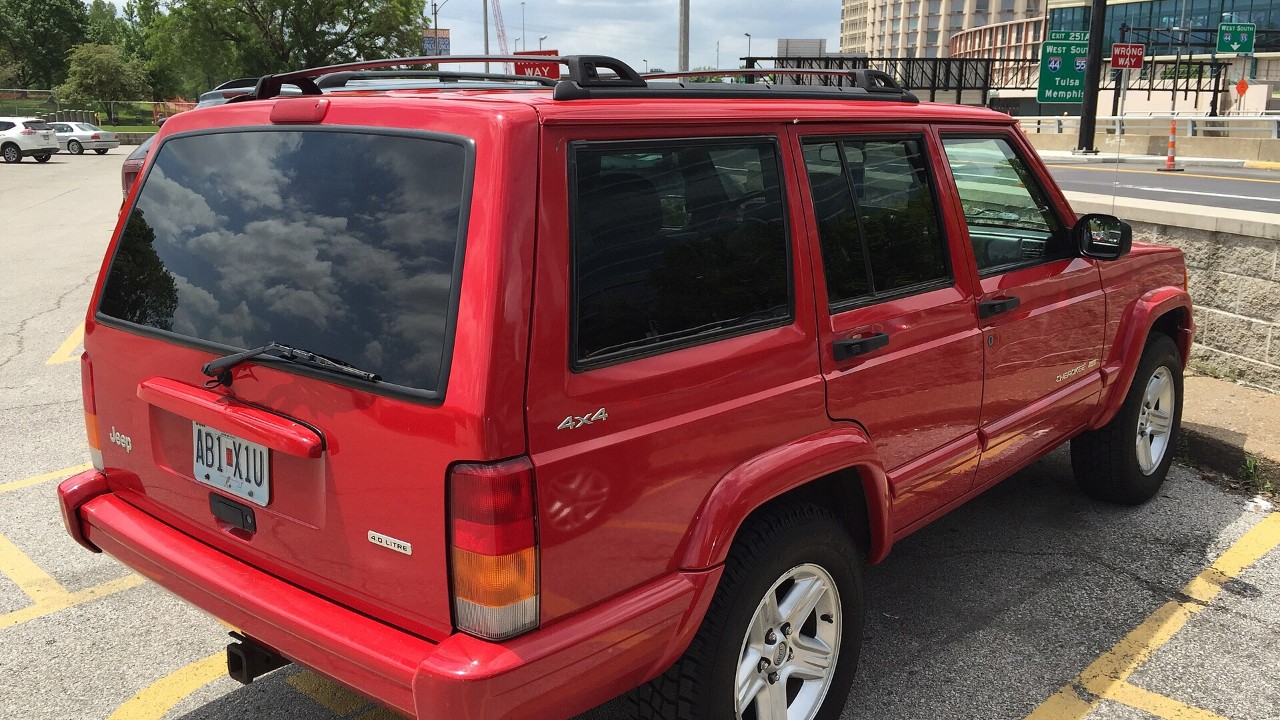
American Motors introduced its 4.0-liter six in 1986 for the 1987 model year. It was the last of AMC’s inline sixes, and it carried on after Chrysler bought the company. For 1991, Chrysler gave it a new multi-port fuel injection system, raised intake ports, a larger throttle body and a revised cam.
The result wore “4.0 Litre HIGH OUTPUT” badges and made 190 horsepower with 225 lb-ft of torque. The new cam and programming also let engineers drop the EGR valve and knock sensor. Jeep then used the engine in the Cherokee through 2001, the Grand Cherokee through 2004 and the Wrangler through 2006. Popular Mechanics once called it “as reliable as a block of wood.” When it finally bowed out after 2006, the JK Wrangler switched to a 3.8-liter V6.
Our take: this is the six we’d trust in a Jeep on a long, remote trail. SlashGear says these engines can deliver more than 200,000 miles with regular maintenance. SlashGear also notes that it replaced a carbureted 4.2-liter six. Its pushrod valvetrain keeps service simple, too. If you shop for one, change the fluids and check for oil leaks, then enjoy it.
2. 1987 Ford 300 4.9
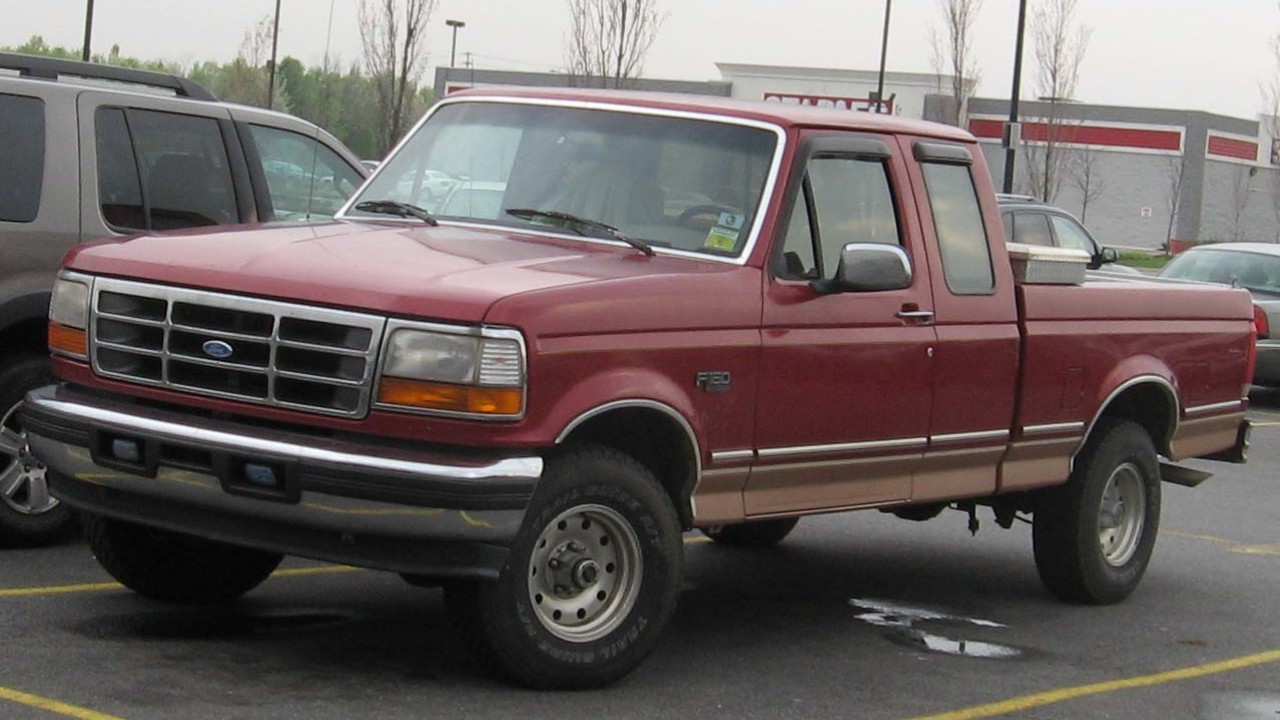
Ford’s 300 six first appeared in the F-Series for 1965. It used seven main bearings and timing gears instead of a chain or belt. For 1987, Ford replaced the single-barrel carburetor with electronic fuel injection, and output rose to 150 horsepower.
In fact, that engine went to work far beyond pickups. According to EngineLabs, it powered tractors, oil-well pumps, generators, sawmills and snowplows. The same story calls its horsepower “laughably low” but notes that torque arrived from about 1,600 rpm. However, EngineLabs adds a useful detail: most versions used a fiber cam gear, and only late heavy-duty engines got a steel one.
Our take: the fuel-injected 300 is the best version for daily use, because it keeps the old torque with a modern fuel system. It ran in Ford trucks and vans until 1996, which made it the last gasoline inline six Ford offered in a North American light truck. That’s a long life for any inline-six engine. If you buy one with high miles, plan to replace the fiber timing gear. After that, we’d expect it to keep pulling for a long time.
3. 1976 Chrysler 225 Slant Six

Chrysler leaned its six 30 degrees to one side when it launched the 225 for 1960. First, that slant let stylists lower the hood line. It also made room for intake and exhaust manifolds with longer, more equal runners, which helped spread the torque.
The 1976 model year is a turning point for this engine. Through the middle of that year, Chrysler used a forged steel crankshaft. After that, a cheaper cast-iron crank replaced it, along with a different block, bearings and rods. A standard 1976 225 made 100 horsepower and 170 lb-ft, while the two-barrel “Super Six” package made 110 horsepower and 180 lb-ft. Chrysler kept the engine in North American cars until 1983 and in trucks until 1987.
Our take: a 1976 Super Six is a smart pick for anyone who wants a slant six with a bit more snap. The deep-skirt block and good lubrication explain why the engine earned its durable name. We covered that story in how Dodge’s Slant Six became one of the toughest engines ever. If you’re hunting parts, ask whether a block has the forged or cast crank, because the internals differ.
4. 1993 Toyota 2JZ-GE
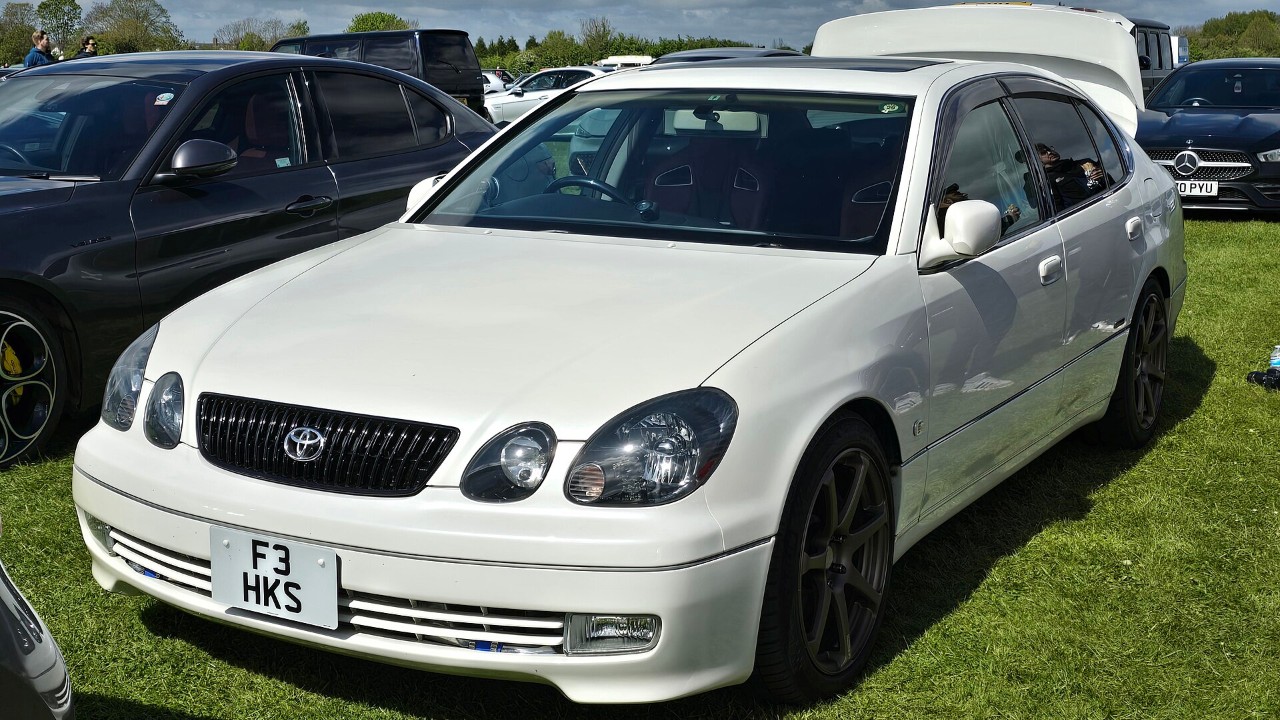
The 2JZ-GE was the naturally aspirated member of Toyota’s JZ family. It first appeared in 1991 in the Toyota Aristo. It displaced 2,997 cc, with a bore and stroke of exactly 86 millimeters each.
Moreover, that square layout sits in a cast-iron block. Depending on the version, output ranged from 212 to 227 brake horsepower, with up to 220 lb-ft of torque. For 1995, Toyota added VVT-i variable valve timing to the 2JZ-GE. US versions got it in mid-1997 for the 1998 model year. Meanwhile, the twin-turbo 2JZ-GTE grabbed the headlines, but both shared the same basic architecture. The JZ family as a whole stayed in production until 2007.
Our take: the non-turbo 2JZ is the quieter hero of the family, and we like it for exactly that reason. It’s a smooth, unstressed engine that makes no demands beyond regular oil changes. In our view, it proves a durable inline-six engine doesn’t need boost to impress. You’ll find more on the family in our look inside Toyota’s 2JZ engine. If you buy a car with one, ask for the full service history first.
5. 2001 BMW M54B30
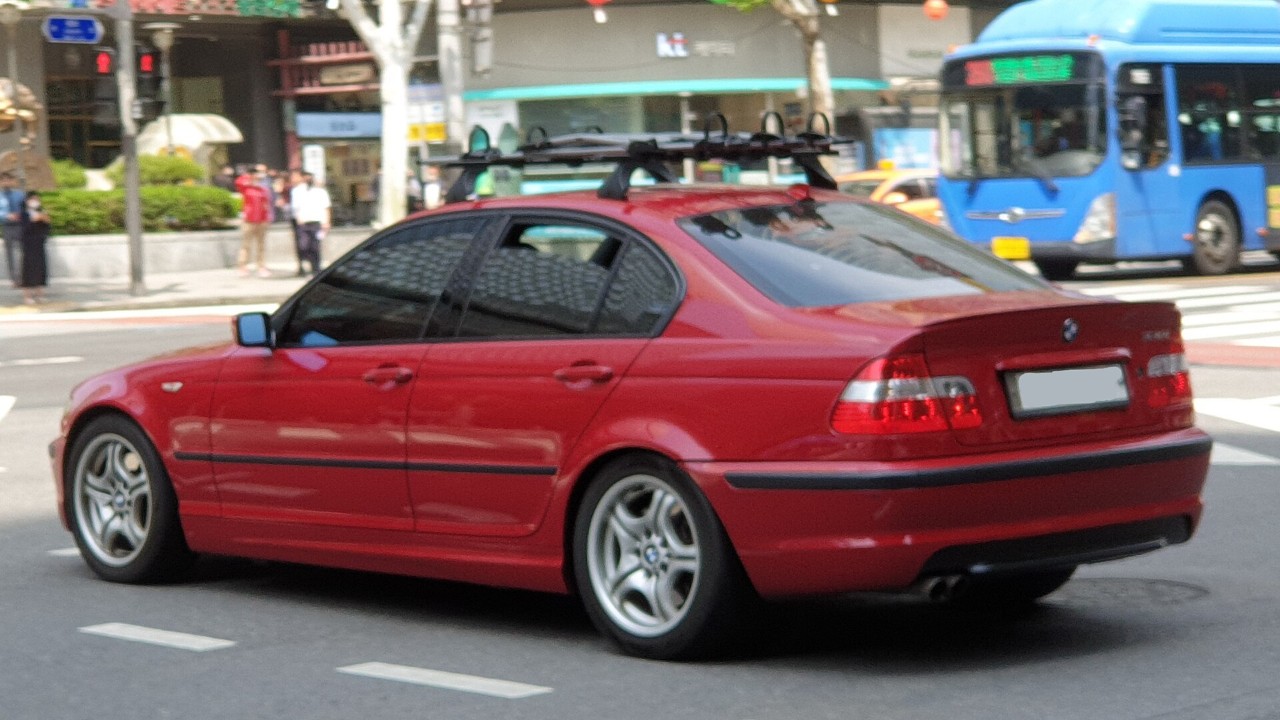
BMW built the M54 family from 2000 to 2006, and the M54B30 was its largest version. It displaced 2,979 cc from an 84-millimeter bore and an 89.6-millimeter stroke. It made 228 horsepower at 5,900 rpm and 221 lb-ft at 3,500 rpm. Initially, the M54 family launched in the E53 X5.
The block was aluminum, and variable valve timing worked on both camshafts. BMW called that system double VANOS, since both cams could shift. In the US and Canada, a ZHP version raised output to 235 horsepower and lifted the redline to 6,800 rpm. As a result, the engine felt both smooth at low speed and eager near the top.
Our take: the M54B30 is the most modern engine on this list, and it shows how good a naturally aspirated six can feel. It pulls cleanly from idle and sings near the redline, which is what we want from a BMW. Keep the cooling system in good order, as you would with any aluminum-block engine. With that care, we’d happily keep one on the road for years and never once miss a V8.
6. 1998 Mercedes-Benz OM606
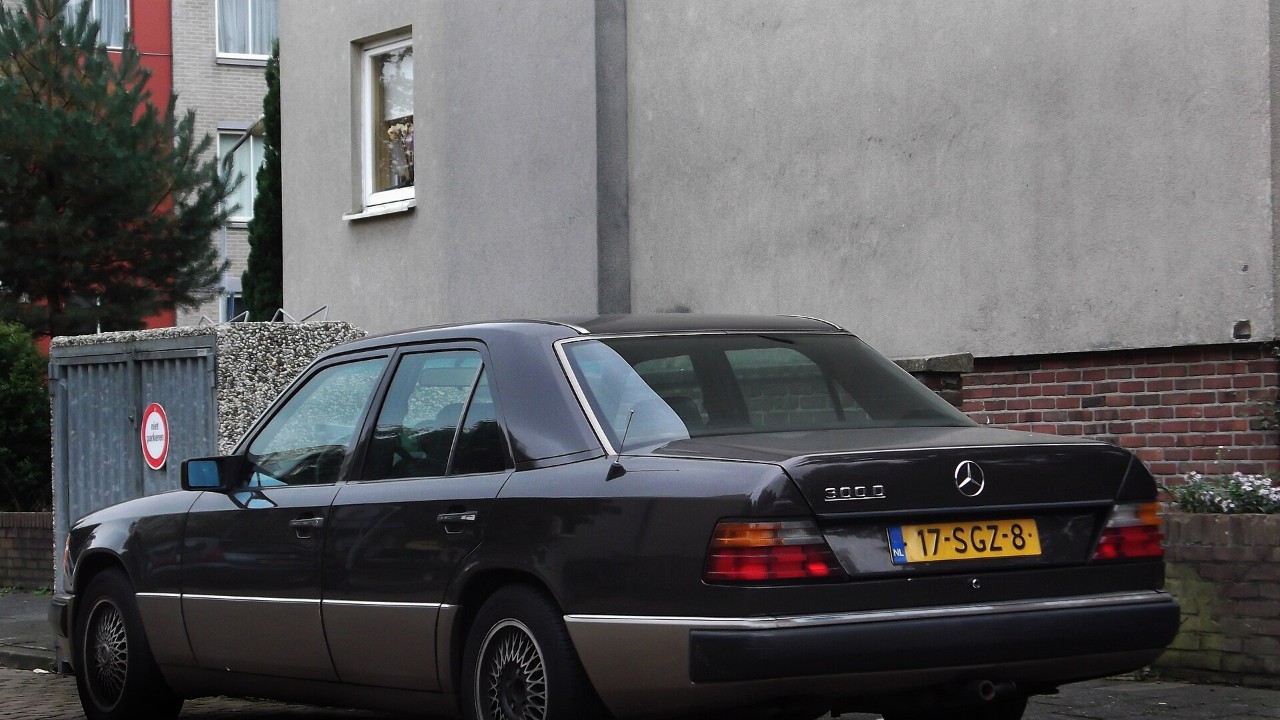
Mercedes-Benz built the OM606 diesel from 1993 to 2001. It’s a 3.0-liter inline six with four valves per cylinder, so 24 in all. A Bosch inline injection pump fed its indirect injection system, which helps explain its simple, mechanical feel.
Mercedes then offered it in two main forms. The naturally aspirated version ran a 25.0:1 compression ratio and made 134 horsepower in the W124 E 300 Diesel. Meanwhile, the intercooled turbo version ran 22.0:1 and made 174 horsepower with 243 lb-ft. It powered the S 300 Turbodiesel from 1996 to 1999, the E 300 Turbodiesel and the G 300 Turbodiesel. The G-Class version ran from 1996 to 2001, the final year of the engine’s life.
Our take: the turbo OM606 is our choice, because it pairs diesel toughness with real passing power. It’s an engine that feels unhurried at any speed, which suits a big Mercedes perfectly. Check the injection pump and glow plugs before you buy. Then feed it clean fuel, and we think it will repay you for a long time. Few engines feel this calm at highway speed.
7. 1994 Cummins 6BT 5.9 12-valve
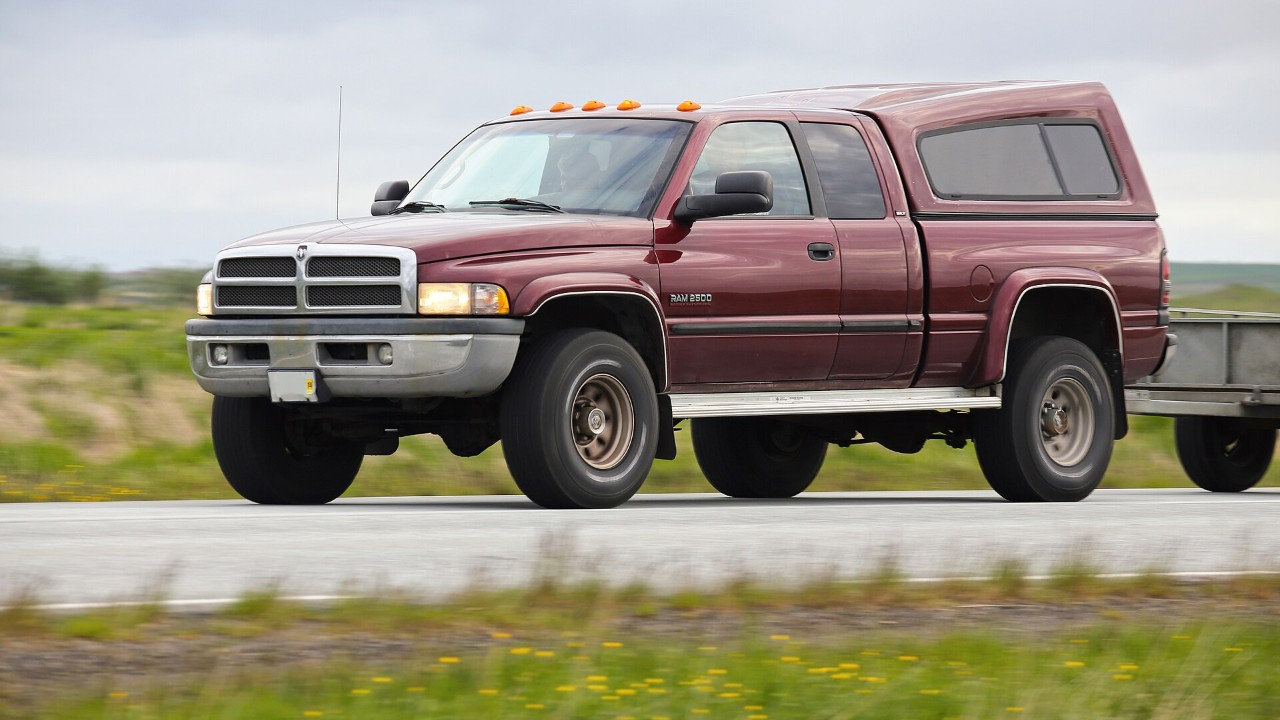
The 5.9-liter Cummins B Series started life in 1984 as an agricultural engine for Case farm equipment. Then, in 1989, it went into the Dodge Ram pickup. Cummins’ own history says that first Ram diesel made 160 horsepower and 400 lb-ft of torque. Horsepower passed 200 in 1996, and torque topped 500 lb-ft in 2001, after the 12-valve era.
The 12-valve design is simple in the best way. It has a gear-driven camshaft and a forged steel crankshaft with seven main bearings. Also, the 6BT used Bosch P7100 inline pumps as standard. Midway through the 1998 model year, Dodge replaced it with the 24-valve ISB, which is why fans treat the 12-valve as its own breed.
Our take: a 1994 Ram with the 12-valve is the truck we’d keep forever if we towed often. It has no fancy electronics to fail, and its farm-equipment roots show in every part. Look for a truck with clean oil, a dry engine and documented maintenance. With that history, we’d expect the engine to outlast the cab around it. That’s the whole appeal of the 12-valve.
8. 1954 Chevrolet 235 Blue Flame
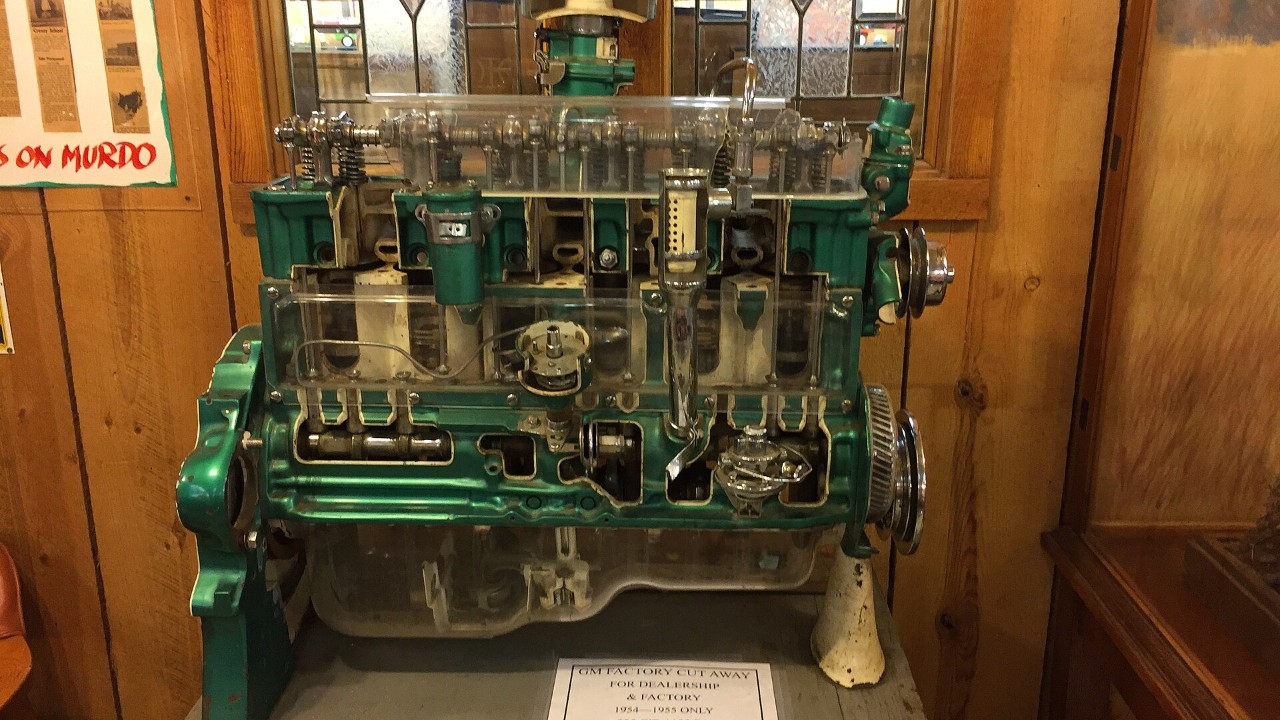
Chevrolet’s 235-cubic-inch six started out in 1941 in large trucks. It moved into passenger cars in 1950, paired with the new Powerglide automatic. From 1953, Chevrolet officially called the Powerglide version the “Blue Flame.”
The 1953 Blue Flame also gained full-pressure lubrication and shell-type main bearings. For 1954, the Powerglide engine made 125 horsepower, while the manual-transmission version made 115. However, both produced 200 lb-ft of torque. The 235 lasted until the third-generation 230 took over from 1962, and its final rating was 135 horsepower. In fact, a special 150-horsepower 235 with three Carter carburetors powered the first 1953 Corvette.
Our take: the 1954 Blue Flame is the six we’d choose for a relaxed 1950s Chevy. Its full-pressure oiling, new for the 1953 Blue Flame, makes it the version we’d seek out first. If you’re buying a car with one, check for a Powerglide pairing to confirm it’s the Blue Flame version. After that, keep the oil clean and the cooling system fresh, and enjoy a simple inline-six engine that suits the slower pace of a 1950s cruiser.
9. 1989 Nissan RB26DETT
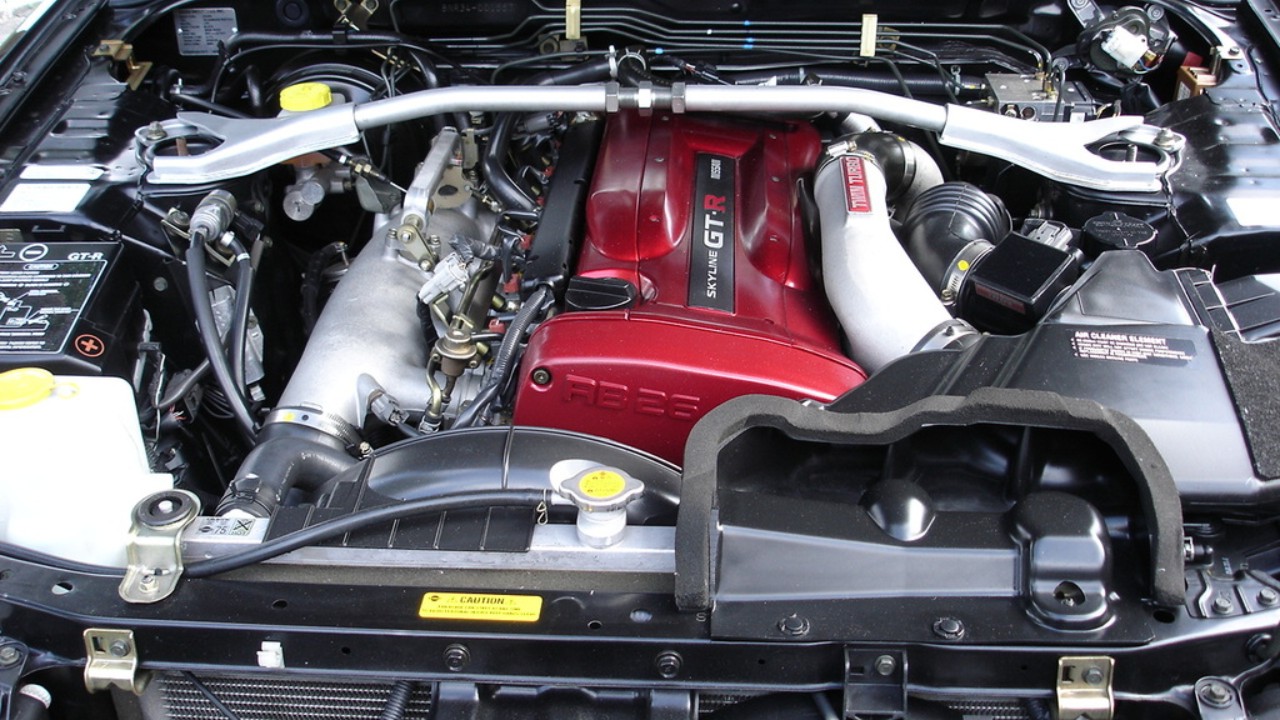
Nissan picked the RB26DETT’s size for racing. The 2.6-liter displacement, 2,568 cc to be exact, let the Skyline GT-R compete in the 4,500 cc Group A class.
The engine itself is a cast-iron block with an aluminum 24-valve twin-cam head. Instead of one throttle body, it uses six individual throttles. Then a pair of turbochargers feeds it. Officially, the first engines made 276 brake horsepower, matching a voluntary 280 PS cap that Japanese makers observed. Enthusiasts generally believe real output was closer to 320 PS. Every Skyline GT-R from the R32 through the R34 used it, from 1989 to 2002. Nismo also developed an N1 racing version with a revised block and upgraded internals.
Our take: the RB26 rewards owners who respect its racing origins. Its iron block and six throttles show how seriously Nissan took the job. We dug into its appeal in why enthusiasts obsess over Nissan’s RB26. Before you buy a GT-R, get a compression test and a full inspection. A healthy one is a joy that keeps on giving, on the street or at a track day.
10. 1988 BMW M30B35

BMW’s M30 family ran from 1968 to 1995, a 27-year stretch. Fans call it the “Big Six.” Since the smaller M20 arrived in the late 1970s, they also call it the “Senior Six.” It uses a cast-iron block, an aluminum head and a single overhead camshaft with two valves per cylinder.
The M30B35 was the largest version, at 3,430 cc, though BMW badged it as a 3.5. In 1988 form with a catalytic converter, it made 208 horsepower and 225 lb-ft. Versions without a catalyst for certain markets made 217 horsepower and 232 lb-ft. That’s a lot of smooth torque from a simple two-valve layout. In fact, the M30’s long run means it powered BMWs from the late 1960s into the mid-1990s.
Our take: the M30B35 is the classic BMW six that we’d trust in a big sedan or coupe. Its iron block gives it a margin that lighter designs lack, and its single cam keeps it easy to service and simple to understand. Check the cooling system and look for oil leaks before you buy. With those sorted, we’d drive this inline-six engine daily without a second thought, in any season.
11. 1970 Chevrolet 250 Turbo-Thrift
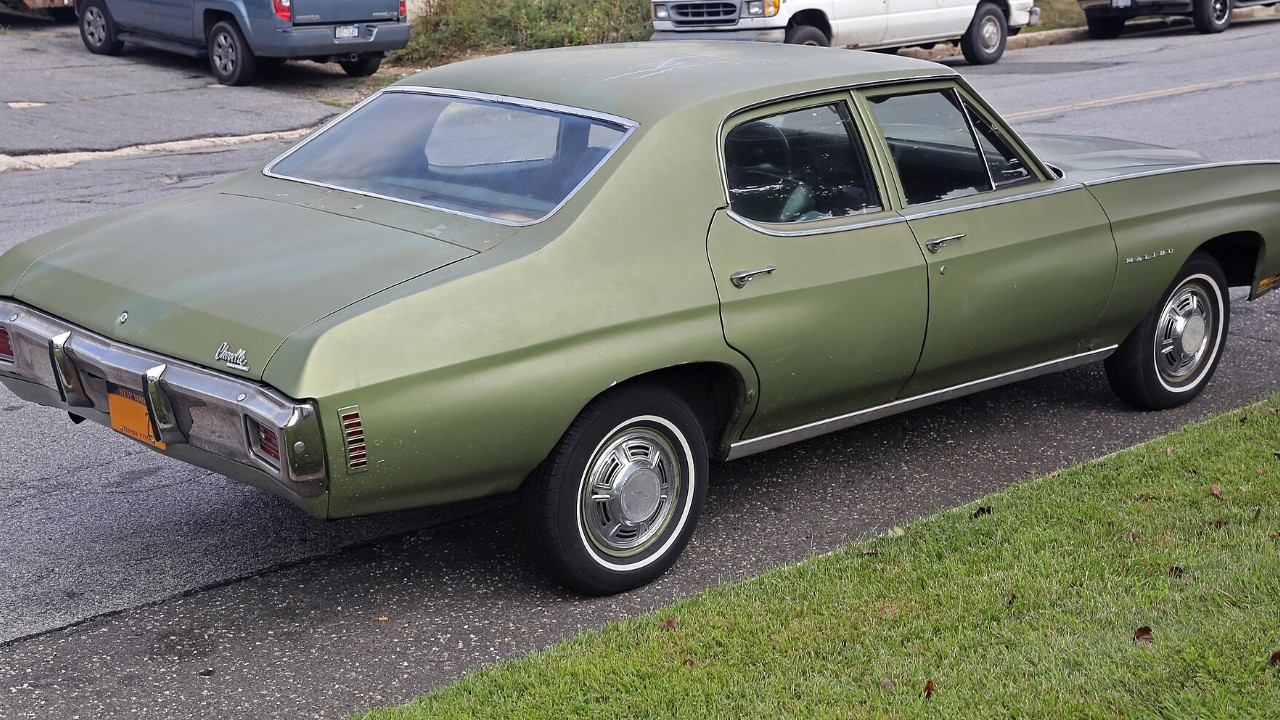
Chevrolet introduced the 250-cubic-inch Turbo-Thrift six in 1966. It belonged to a new six family with seven main bearings, versus four in the older Stovebolt engines. The 1966 to 1970 version made 155 horsepower and 235 lb-ft of torque.
The engine also appeared in the Camaro from 1967 through 1979. Chevrolet trucks and vans used it until 1984, when the 4.3-liter V6 replaced it. However, its story didn’t end there. In Brazil, it powered the Opala until 1992, and Brazilian versions of the family lasted into 2001. South African Chevrolet sedans used it until 1982, and Argentina fitted it to the Chevrolet 400 into the 1970s. Indeed, few engines traveled that widely.
Our take: the 250 is the easy, affordable six for a classic Chevy. Its seven-bearing crank gives it a sturdy bottom end, and its long production run speaks for the design. Look for oil leaks before you buy. Fix those, and we think it’s among the most forgiving sixes Chevrolet ever built. For a weekend cruiser, this inline-six engine asks for very little and gives plenty back, mile after mile.
More from Fast Lane Only