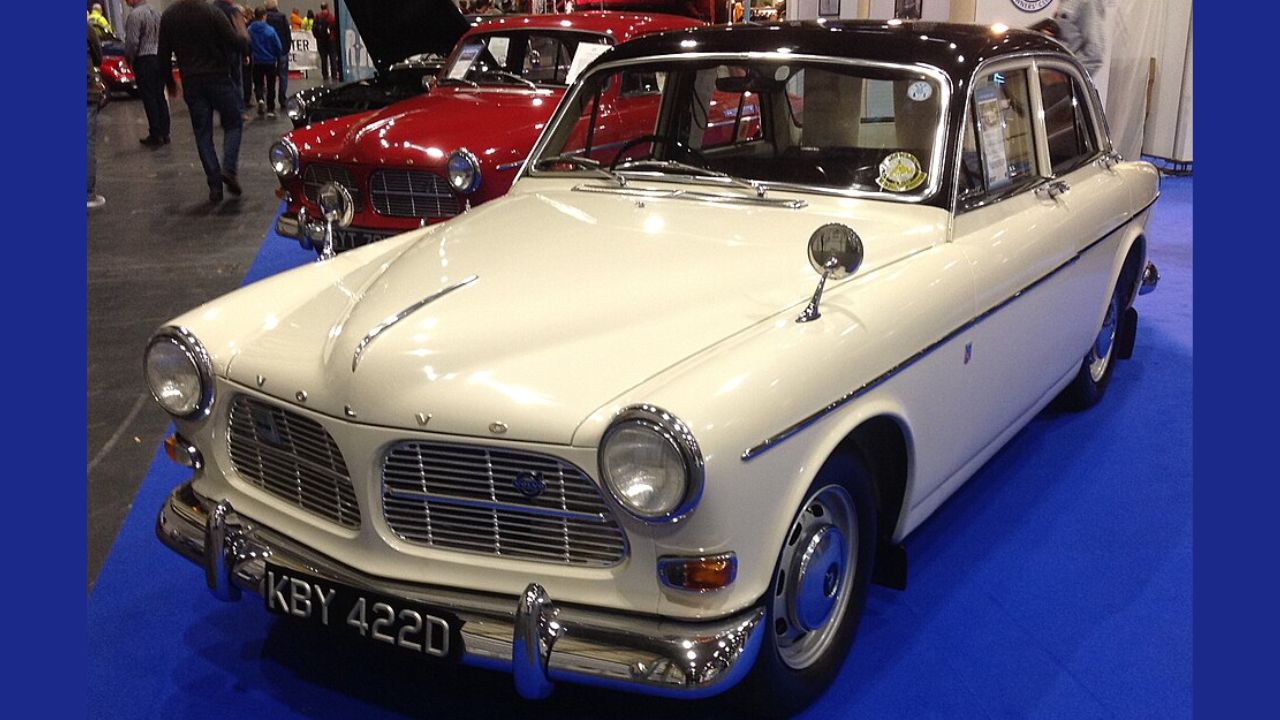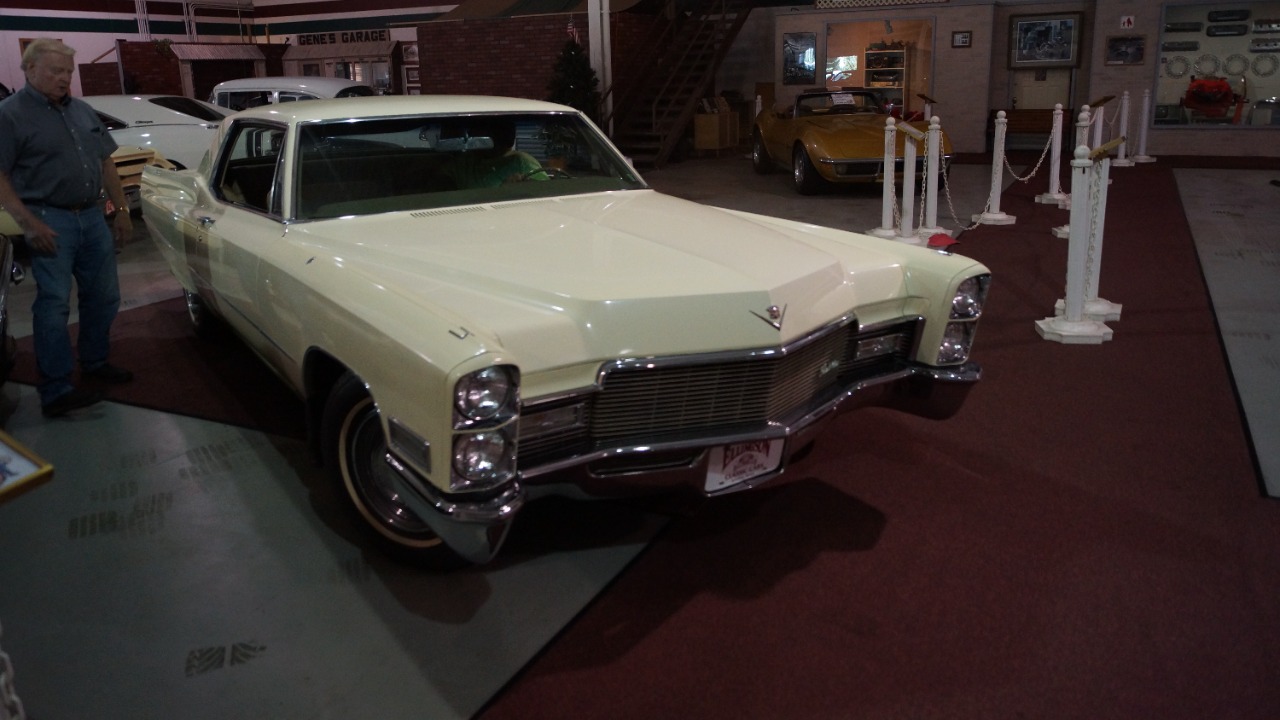
You might think of classic Cadillacs as rolling chandeliers, all chrome and opera lamps, but the 1968 Cadillac Calais quietly made a different case. It gave you the full-size Cadillac presence, the long hood and formal roofline, without the layers of ornament and gadgetry that defined the brand’s flashiest models. If you are drawn to understated luxury, the Calais shows how you could have the crest on the grille without shouting about it.
By 1968, Cadillac had already repositioned its entry model away from the old Series 62 name and into a cleaner, more modern identity. The Calais kept the essentials that mattered to you as a driver, from a powerful V8 to a generous cabin, while trimming back the extras that pushed DeVille and Fleetwood into conspicuous territory. That balance is what makes the 1968 Calais such a compelling way to enjoy classic Cadillac style today.
The “entry” Cadillac that still felt every inch a Cadillac
When you look at the Calais in context, you see a car designed for buyers who wanted Cadillac stature without Cadillac spectacle. The model picked up where the Series 62 left off, taking over as the brand’s entry point while adopting the newer GM C-body that gave it a leaner, more contemporary profile. You still got the imposing length and the formal roof that signaled you had arrived, but the trim and detailing were deliberately more restrained than on the DeVille and Fleetwood lines.
That positioning meant you could park a Calais next to a more lavish Fleetwood and still feel like you belonged in the same conversation. Enthusiasts have noted that while it was often overshadowed by the more opulent Fleetwood and DeVille, the Calais offered a simpler package that still carried the same crest. In practice, that meant you could enjoy Cadillac’s reputation for comfort and quiet without paying for every last gadget or trim flourish.
Design cues that whispered instead of shouted
From the curb, the 1968 Calais gave you the same basic silhouette as its pricier siblings, but the details were tuned for subtlety. The front end used a grille with a finer mesh insert and a stepped outer section that framed rectangular parking lights set slightly higher, a look documented in period descriptions of the Cadillac Calais. You still had the vertical headlamps and the long, level fenders that defined late‑sixties Cadillacs, yet the overall effect was more tailored suit than sequined jacket.
Color and trim choices reinforced that quieter character. For 1968, the Calais shared in a broad palette of paint and interior combinations, with reports noting that 14 of those combinations were completely new for that year’s Calais. Instead of heavy-handed two‑tones or ornate vinyl roofs, you could choose more conservative hues that let the car’s proportions do the talking, which suited owners who preferred a low‑key kind of prestige.
Understated luxury from the driver’s seat
Slip into the cabin of a Calais and you notice how it balances comfort with restraint. You still sit on broad, cushioned seats with generous legroom, but the trim is simpler than in a Fleetwood, with fewer power accessories and less elaborate wood or brightwork. Contemporary enthusiasts describe the Cadillac Calais as offering understated luxury with a more approachable personality, and that is exactly how it feels when you imagine yourself behind the wheel: relaxed, not ostentatious.
Even in sedan form, you enjoyed the airy openness that defined late‑sixties American cars. Accounts of The Calais highlight how the absence of a middle pillar meant that, with the windows down, the front and rear openings blended into one long, uninterrupted space. That pillarless design, paired with available cloth or vinyl in several patterns, gave you a sense of occasion every time you rolled the glass down, yet it still felt more relaxed than the button‑tufted formality of a Fleetwood’s rear compartment.
Power without pretense under the hood
If you care about what happens when you press the accelerator, the Calais did not ask you to compromise. Under the hood, period descriptions point to a powerful 429-cubic-inch V8 that delivered ample torque, producing 340 horsepower and letting the Calais cruise effortlessly at highway speeds. You enjoyed the same kind of effortless surge as in more expensive Cadillacs, but you did it in a car that did not feel the need to advertise every luxury feature on its flanks.
That mechanical substance is part of why the model still resonates with you if you value driving feel as much as image. Enthusiast write‑ups emphasize that the Calais delivered power, comfort and style without overt flash, which is a rare combination in any era. You could glide along in near silence, the big V8 barely above idle, knowing that the car had the muscle to pass or merge at will, yet your neighbors might simply see a clean, well‑kept Cadillac rather than a rolling status symbol.
How the 1968 Calais lives on with today’s enthusiasts
Watch a modern walk‑around of a survivor car and you can almost place yourself in the driver’s seat. In one video, a host introduces a very original 1968 Cadillac Sedan Deville, pointing out how well the paint, chrome and interior have survived. Another clip shows a 1968 Calais idling with a mellow exhaust note as it is filmed in beautiful Clinton New York, the narrator even calling out the local zip code that begins with 133. You can sense how owners today still appreciate the car’s quiet confidence.
That enthusiasm is supported by a healthy ecosystem of parts and knowledge, which matters if you are thinking about owning one yourself. Specialty suppliers catalog components specifically for the 1968 Cadillac Calais, noting its place in the lineage that began when the Series 62 name was retired and the Calais badge introduced. Valuation guides track the 1968 Cadillac Calais as a distinct model, giving you a clear sense of what it costs to step into this quieter corner of the Cadillac world.
More from Fast Lane Only