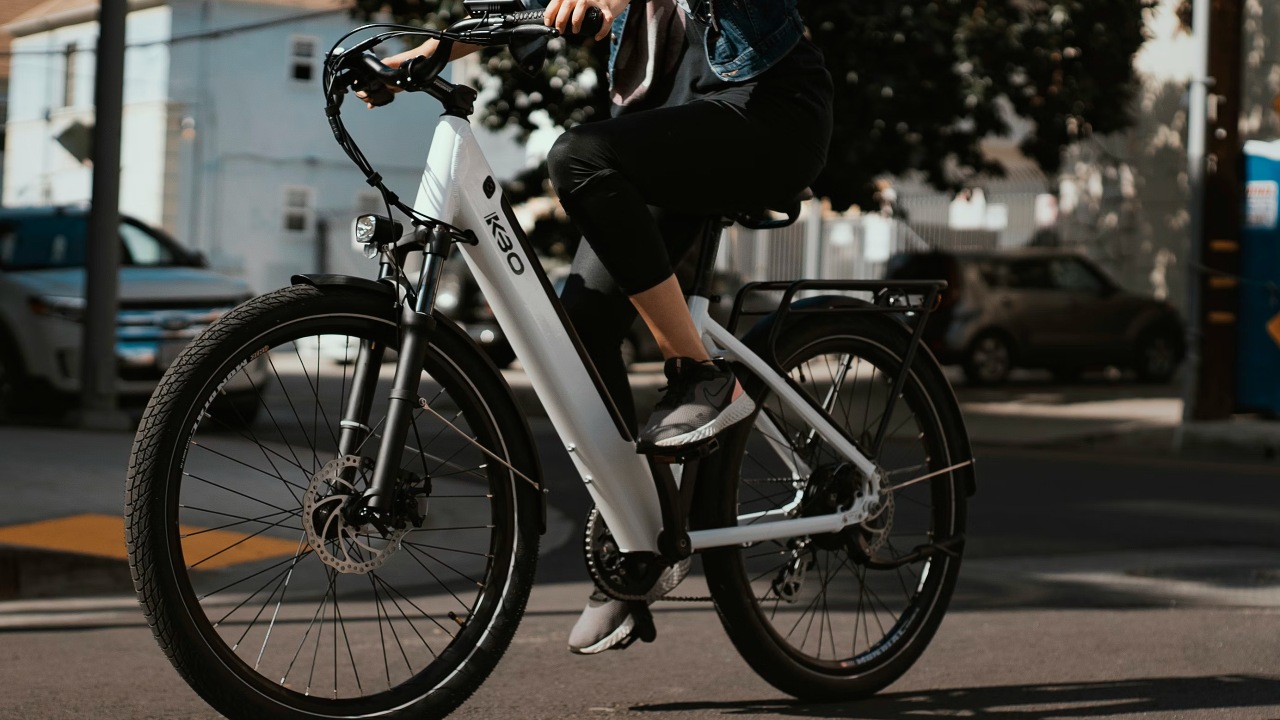
California is moving to erase one of the last gray areas in its fast evolving electric bike rules, targeting high powered models that look like bicycles on paper but behave more like motorcycles on the street. Lawmakers and regulators are tightening definitions, equipment requirements, and enforcement tools so that what counts as an e bike in statute finally matches what riders and drivers experience in traffic.
The result is a sweeping reset of how electric bicycles are classified, sold, and ridden, with particular focus on motors that quietly exceed legal limits and on youth riders who have been at the center of a sharp rise in serious crashes. The state is not banning powerful machines outright, but it is making it much harder for them to hide inside the e bike category.
The power loophole that turned e-bikes into stealth motorcycles
At the heart of the new push is a technical distinction that has been easy for manufacturers to exploit and hard for parents or local police to spot. California’s e bike rules have long relied on a maximum motor rating, but many models advertise a compliant continuous power figure while delivering far higher peak output in real use, which translates into quicker launches from stoplights and higher real world speeds. That gap between what is printed on a spec sheet and what the motor actually delivers on a steep hill is the “last major electric bike loophole” state officials are now trying to close, because it lets machines with motorcycle like performance operate on bike paths and in school zones without the training, licensing, or protective gear that would be required for a scooter or motor driven cycle.
Technical reporting on the issue notes that continuous power is supposed to represent the maximum output a motor can sustain without overheating, while peak power reflects the short bursts that riders actually feel when they twist a throttle or hit a steep climb. In practice, some e bikes marketed as compliant can briefly deliver several times their listed continuous rating, which is how a vehicle that appears to meet a 750 watt style limit can still surge to speeds that surprise pedestrians and other cyclists. By focusing only on the label and not on how these systems behave, California’s earlier framework left room for a class of machines that blur the line between bicycle and motorbike, particularly when paired with full throttles and moped style frames that encourage higher speed riding.
Assembly Bill 1557 and the new definition of an e-bike
The most direct attempt to shut that gap is Assembly Bill 1557, introduced in SACRAMENTO by Assemblymember Diane Papan of San Mateo. On Friday, Assemblymember Diane Papan put forward the measure to strengthen California’s e bike laws by tying the legal definition of an electric bicycle more tightly to motor output and by addressing the safety risks that come with motorcycle level performance, particularly for young riders. The proposal would cap e bike motors at a clearly defined threshold and treat anything above that as a different class of vehicle, subject to more stringent rules.
Coverage of Assembly Bill 1557 explains that the bill would limit e bike motors to 750, aligning the statutory ceiling with the familiar “750-watt” benchmark that already appears in federal guidance and many product listings. Under the proposal, e bikes exceeding the 750-watt limit would be reclassified as motor driven cycles, which would make them illegal on bike paths and trigger requirements for registration, insurance, and in some cases a motorcycle style license. Supporters argue that this is not a crackdown on electric bicycles as such, but a way to ensure that machines with the power and injury patterns of small motorcycles are regulated accordingly instead of slipping into the looser e bike category.
From new safety rules in 2026 to a tougher enforcement era
The power cap debate is unfolding on top of a broader set of e bike changes that already took effect at the start of 2026. New California e bike laws that began earlier this year tightened equipment standards and clarified how different classes of electric bicycles can be used on streets and trails, part of a wider package of traffic safety updates that also included tougher DUI penalties and expanded move over rules. California’s 2025 e bike classifications had already imposed stricter speed limits and clearer distinctions between pedal assist models and those with throttles, and the 2026 updates build on that foundation by focusing on hardware and certification.
Beginning in 2026, any new e bike sold in the state must meet defined safety and performance criteria if the manufacturer wants it treated as an electric bicycle rather than a motor vehicle. Industry oriented guidance stresses that California has long set the pace on vehicle standards and that the new framework favors brands that can document compliant motors, certified batteries, and properly labeled classes. Companies like Wombi have been quick to emphasize that “Your Wombi E-Bike Meets California’s New E-Bike Laws,” presenting certification as a selling point in a market where riders increasingly want assurance that their bikes are legal on local paths and that they will not be reclassified or impounded under the evolving rules.
Equipment mandates and the quiet rise of AB 544
While the power debate draws headlines, another piece of the regulatory puzzle is more mundane but just as consequential for everyday riders. Under AB 544, electric bicycles in California must now carry specific safety equipment, including a red rear reflector or light and other visibility features that bring them closer to the standards long applied to traditional bicycles and low speed motor vehicles. As of Jan 1, 2026, AB 544 requires ALL e bikes sold or rented in the state to meet these equipment rules, and future provisions will extend those expectations to fleets and rental operators starting in 2028.
Summaries of California’s 2026 laws describe AB 544 as part of a broader “Overview” of new requirements that touch everything from cats to schools, but the e bike portion is straightforward. Electric bicycles must have required equipment if they are to be sold as such, and retailers that ignore the mandate risk selling products that are technically out of compliance from the moment they leave the shop. Local advocates and traffic safety educators have seized on the change as an opportunity to push for better lighting and reflectivity on popular routes, arguing that visibility upgrades are a relatively low cost way to reduce collisions, particularly at dusk when fast moving e bikes can surprise drivers who are used to slower pedal traffic.
Injuries, youth riders, and what changes on the street
Behind the legal language is a clear safety concern, especially for teenagers and young adults who have embraced high powered e bikes as a convenient way to get to school or work without a car. Assemblymember Diane Papan has pointed to a “great proliferation” of these machines, but “without a lot of safeguards,” and injury data cited in legislative materials show cases ranging from 751 to over 23,000 in certain reporting windows. Local coverage of rising e bike use in California schools, including accounts of Carlmont teacher Michael O’Neall preparing to ride his electric bike off campus, underscores how deeply these vehicles are now woven into daily life and how often they share space with pedestrians and inexperienced riders powered by lithium ion batteries.
New state laws geared towards improving e bike safety in California emphasize that riders who ignore the emerging rules could face more than a warning. Reports on the proposed power cap note that e bikes exceeding the 750-watt limit could be subject not only to reclassification but also to possible bike impoundment for violators, a consequence echoed in broader coverage of new traffic laws and enforcement tools. A social media explainer on the California bill aimed at limiting powerful e bikes warns riders to “Think” carefully about whether their machines truly qualify as bicycles, because misclassification could mean fines or confiscation if they are stopped on a bike path or in a school zone.
More from Fast Lane Only