Cloudy plastic headlight lenses are more than a cosmetic nuisance; they can cut light output and make night driving feel uncertain. Many drivers reach for the same blue bottle they use on household windows and wonder whether glass cleaner can safely bring back clarity, or whether it risks permanent damage to the lenses that modern cars rely on.
Glass cleaner can help remove road film and grime, but it does not reverse the oxidation that actually makes lenses cloudy and it can be a poor match for sensitive plastics. A safer strategy combines gentle cleaning, materials that are compatible with polycarbonate, and restoration products designed to remove the damaged layer and protect what is left.
Why headlights turn cloudy and what glass cleaner can (and cannot) do
Most late-model vehicles, from compact hatchbacks to full-size SUVs, use polycarbonate plastic lenses, which are light, impact-resistant, and easy to shape but vulnerable to ultraviolet exposure. Guides on foggy lamps explain that constant sunlight gradually degrades the outer layer of plastic, causing tiny pits and a yellowed haze that scatter light. Another technical explanation notes that this is caused by the ultra violet light from the sun, which attacks the surface and leaves pock marks that drivers cannot see forming until the beam pattern turns dull and patchy.
Ordinary glass cleaner is formulated for silica glass, not weathered plastic. One cleaning guide even lists acrylic and similar plastics, including electronics and wooden furniture, under a warning against certain cleaners because ammonia and other solvents can cloud or stress the material. Polycarbonate specialists echo that concern, stating that the Use of Improper Cleaners Can Damage Polycarbonate and pointing out that popular household cleaners can cause crazing or fine cracks when used on clear plastic sheets. In that context, a quick spray of glass cleaner on a headlamp will not fix UV damage and may, over time, leave subtle marks.
When glass cleaner helps, and where it starts to be risky
There is still a narrow role for glass cleaner in headlamp care, provided it is used as a cleaner and not as a restorer. One set of maintenance tips lists glass cleaner among the recommended methods for removing surface dirt from foggy lenses, noting that it can effectively cut through road film to keep the lenses clear and clean. In that context, the product is being used the way it was designed, to dissolve grime and bug residue before any polishing or sanding begins.
The risk grows when drivers treat glass cleaner as a cure for oxidation and scrub aggressively on already weakened plastic. A detailed polycarbonate care guide warns that the Use of Improper Cleaners Can Damage Polycarbonate, and highlights that harsh chemicals combined with abrasive pads are the leading cause of unnecessary damage to clear sheets. Online detailing discussions reach similar conclusions in more informal language, with one thread about Invisi glass plastic cleaner on car headlights suggesting that if a driver wants to restore lenses rather than simply clean them, a Cerakote restoration kit is the more appropriate choice. That same exchange, where one commenter says Well I already have this and asks whether anyone had ever applied it, illustrates how easily a household product can be pressed into a job it was never designed to handle.
How purpose built restoration kits compare with household shortcuts
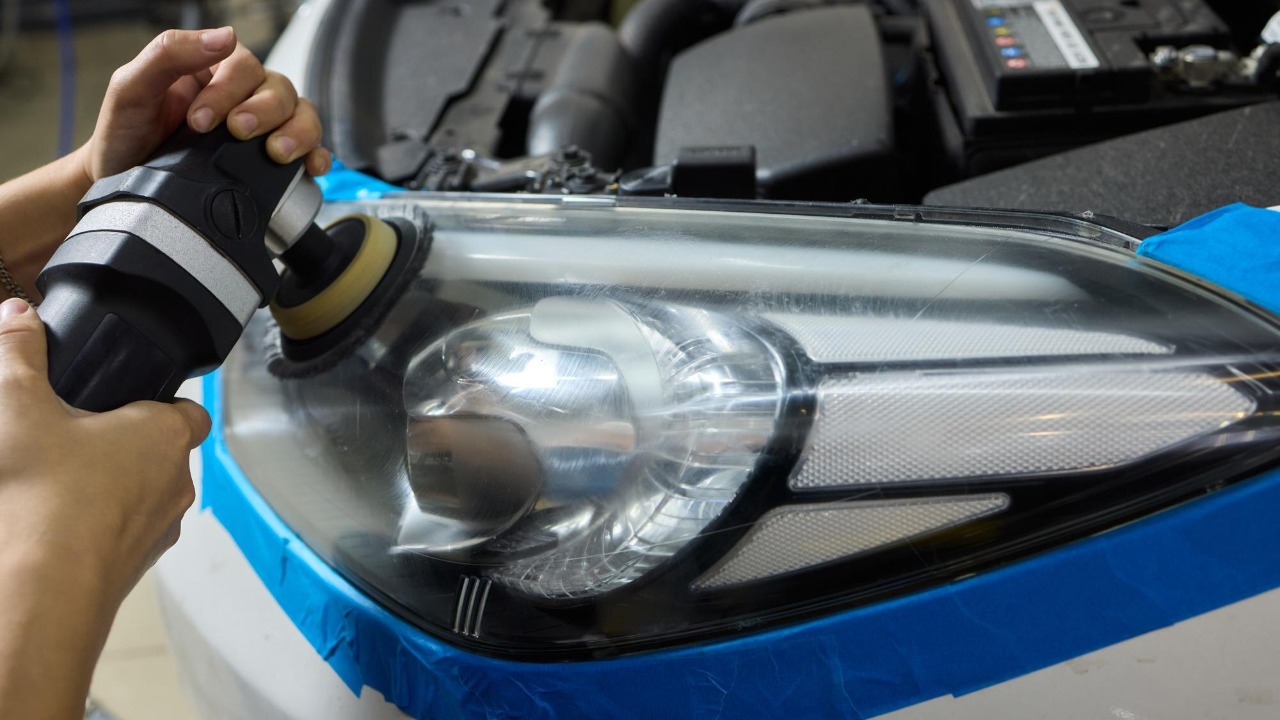
Specialist restoration kits attack the actual oxidized layer, then add protection so the repair lasts longer than a weekend. One example is the Pittsburgh Deluxe Lens, which is marketed to Restore the clarity of yellowed, hazed, or dull headlight lenses and improve night visibility with this headlight cleaner kit. Product descriptions highlight that Thi kit is intended specifically for automotive lenses, and Users have responded positively: one set of reviews gives it an average rating of 4.4 out of 5 stars, with 129 reviews praising the quality instructions that walk owners through sanding, polishing and sealing in stages.
Liquid restorers work in a similar way but rely more on chemical polishing than on sanding. The Chemical Guys Headlight is described as a way to Remove discoloration and oxidation buildup from your headlights with Headlight Restorer, and the same liquid is promoted as a professional grade polish that also protects against future UV damage. Users who have tried this approach report an average score of 4.6 out of 5 stars based on 35 reviews, with many saying the product performs well on lenses that have begun to yellow but are not yet deeply pitted, a result that supports the idea that targeted abrasives and polymers are more effective than simple cleaners.
Building a safe, step by step plan to clear cloudy headlights
A cautious owner can combine these insights into a straightforward routine that respects the materials involved. Insurance and tire care guides advise starting with a basic wash using car shampoo, then addressing what one explainer calls What are foggy by removing the oxidized layer rather than simply wiping away surface dirt. Some step-by-step instructions suggest that with proper care and attention, it may be possible to clean headlights without professional help, but a dedicated headlight restoration kit is recommended once clouding is visible. That approach mirrors the warning from a major detailing brand that Instead of taking chances with a home remedy, drivers should look to purpose built lens restorer kits, since There are a number of effective products available that are formulated to be safe on modern polycarbonate.
More from Fast Lane Only