
Purchasing a vehicle involves more than just exchanging money and keys. One of the crucial aspects of buying a car is understanding the car title transfer process, which legally transfers ownership from the seller to the buyer. It’s vital for every car buyer to grasp the essential car title transfer laws to ensure a smooth and legal transaction.
Understanding Car Title Transfers

Definition and Importance
A car title is a legal document that establishes ownership of a vehicle. Without this piece of paper, possessing a car could become legally ambiguous, leading to disputes and complications. Imagine buying a classic 1967 Shelby Ford Mustang and not having the title to prove it’s yours; you’d lack the legal standing to claim ownership. The transfer of a car title is a crucial legal step in any vehicle transaction, ensuring that the new owner is recognized in the eyes of the law. This process not only signifies the transfer of ownership but also protects the buyer from potential legal issues that might arise if the vehicle’s ownership is contested or if there are any outstanding liens against it.
Common Terms in Car Title Transfers
Understanding the jargon associated with car title transfers is essential. Terms like “title holder,” “lienholder,” and “odometer disclosure” frequently come up during the process. The title holder is the individual or entity that legally owns the vehicle, while the lienholder refers to any party that has a financial interest in the vehicle until a loan is fully repaid. For example, if you purchase a 2020 Toyota Camry and finance it, the bank or lender will be the lienholder until you’ve finished paying off the loan. Odometer disclosure is another important term that requires the seller to disclose the vehicle’s mileage at the time of sale, protecting buyers from fraud and ensuring transparency.
State-Specific Regulations

Variation in Laws
It’s essential to understand that car title transfer laws can vary significantly across different states. For instance, in California, the law requires that the title be transferred within 10 days of the sale, while states like Georgia may require a notarized bill of sale. If you’re buying a 2019 Jeep Wrangler in Florida, you’ll need to ensure that a VIN inspection is completed if the vehicle is coming from out of state. These variations mean that buyers must be diligent in researching the specific requirements of their state to avoid legal issues.
Importance of Research
To navigate these differences effectively, conducting thorough research is paramount. Prospective buyers can visit their state’s Department of Motor Vehicles (DMV) website to obtain accurate and up-to-date information on local regulations. For instance, the Texas DMV provides detailed guidance on the steps and documentation required for a successful transfer. Utilizing these resources ensures that you adhere to all legal requirements and avoid unnecessary penalties or delays in the process. It’s also advisable to reach out to the DMV directly if there are any uncertainties or questions regarding the process.
Steps in the Car Title Transfer Process

Preparing for the Transfer
Before initiating a car title transfer, it’s critical to gather all necessary documents. This typically includes the vehicle’s title, a bill of sale, and valid identification. If you’re buying a 2018 Honda Civic, make sure the seller has settled any existing liens on the vehicle, as outstanding debts could complicate the transfer. It’s also wise to verify that the VIN on the vehicle matches the one on the title, ensuring that you’re purchasing the correct vehicle and avoiding potential fraud.
Completing the Transfer
The actual transfer involves several steps, beginning with completing the assignment section on the back of the title. Both the buyer and seller must sign and date the title to formalize the transfer. For a model like the 2022 Hyundai Elantra, any errors such as incorrect dates or missing signatures could void the document, necessitating a replacement title before continuing. After completing the title, the buyer should submit all paperwork to the state’s DMV and pay any associated fees to finalize the process. Being thorough and attentive to detail is crucial to avoid delays or additional costs.
Common Pitfalls and How to Avoid Them
Mistakes to Watch Out For
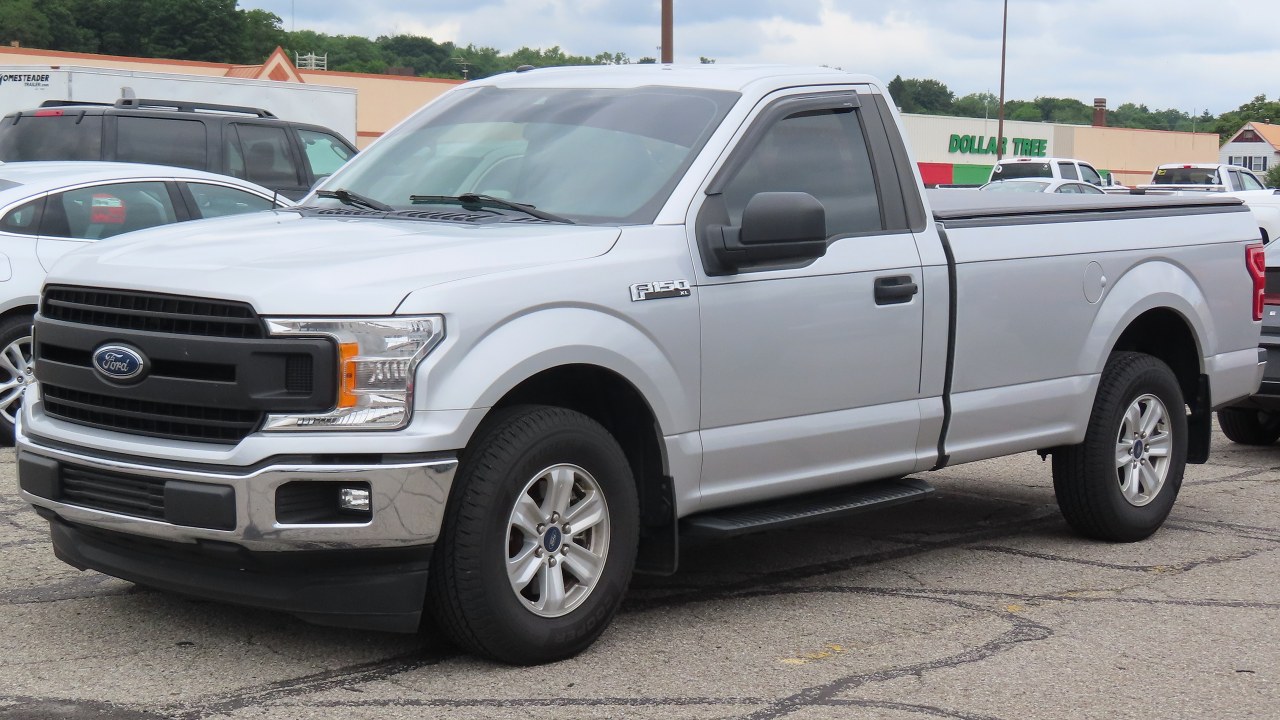
One of the most common mistakes in the car title transfer process is submitting incomplete forms or failing to include necessary signatures. Such errors can delay the transfer and potentially lead to legal complications. For example, if you’re purchasing a 2019 Ford F-150, leaving the odometer disclosure section blank could result in an invalid title transfer. Another pitfall is not verifying the title’s authenticity, which could result in purchasing a stolen vehicle or one with a fraudulent title.
Tips for a Smooth Transfer
To ensure a smooth transfer, buyers should follow several best practices. Always verify the authenticity of the title before completing the transaction. This involves checking for signs of tampering and ensuring that all information matches the seller’s details and the vehicle’s VIN. Additionally, maintaining a meticulous record of all documentation, including copies of the bill of sale, provides a layer of protection in case disputes arise in the future. Engaging in open communication with the seller and the DMV can also help prevent misunderstandings and streamline the process.
Legal and Financial Implications

Impact of Not Transferring a Title
Failing to transfer a car title can have serious legal and financial repercussions for both the buyer and the seller. Without a proper transfer, the buyer may not have legal ownership of the vehicle, which could lead to complications if the car is involved in an accident or if the previous owner has outstanding debts. For instance, buying a 2021 Tesla Model 3 without transferring the title means you might still be responsible for any traffic violations or incidents involving the vehicle, as the seller’s name remains on record.
Protecting Yourself Legally
To protect yourself, it’s crucial to secure a bill of sale and keep copies of all relevant documentation. This not only serves as proof of the transaction but also provides legal protection in case of disputes. If you’re unsure about any part of the process, consulting a legal expert can provide valuable insights and help ensure compliance with all legal requirements. Buyers of vehicles like the 2023 Subaru Outback should also consider obtaining title insurance, which can offer additional protection against unforeseen claims against the vehicle’s title.
More From Fast Lane: