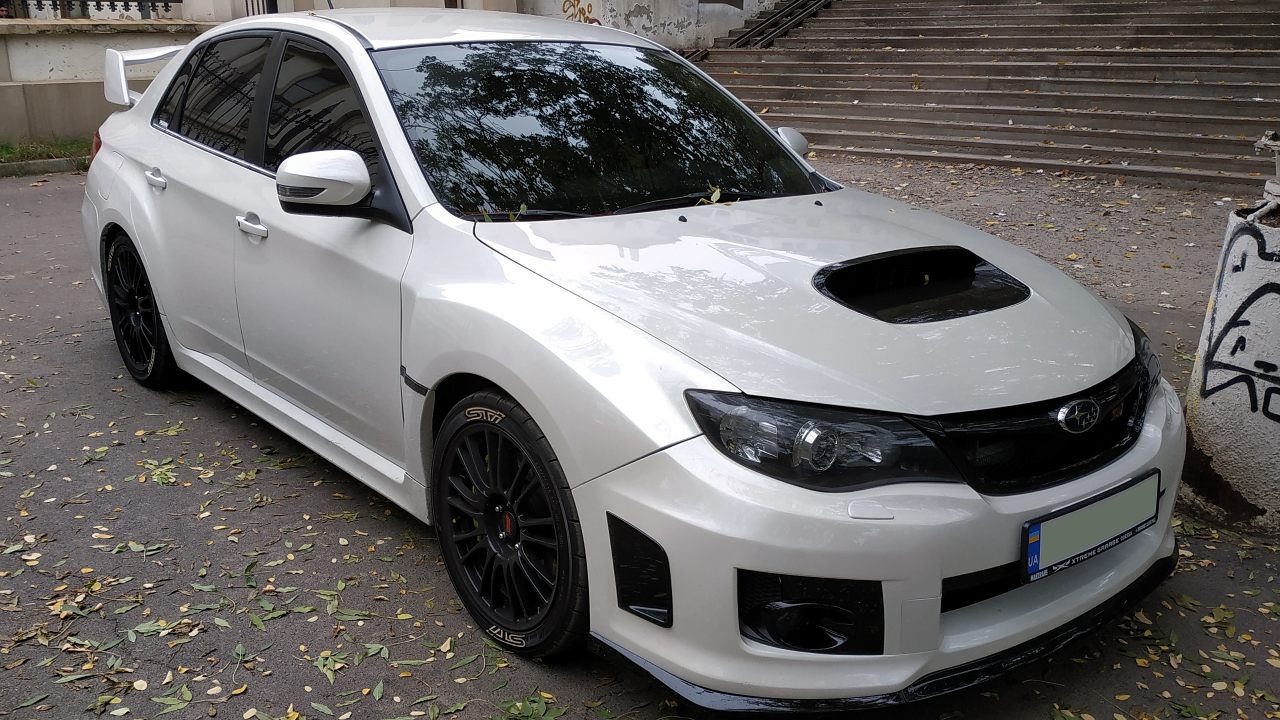
Supercars used to be the playground of a handful of exotic badges, but the performance arms race and the shift to electrification are opening the door for unexpected players. As brands revisit their racing heritage and experiment with high-output electric concepts, the next wave of halo machines is just as likely to wear a Subaru or Toyota badge as it is a traditional Italian crest. The question is not whether these companies can build a supercar, but which of them should take the leap next to redefine what a flagship performance car looks like.
Looking across current concepts, fan conversations and future product hints, a few automakers stand out as being one bold decision away from a genuine supercar statement. From Subaru’s STI experiments to Toyota’s evolving Supra strategy and Lexus’s revival of the LFA idea, the ingredients are already on the table. I see a clear shortlist of brands that could turn existing momentum into road-going supercars that feel credible, desirable and surprisingly attainable.
Subaru: Turn STI’s electric experiments into a road-going supercar
Subaru has spent years cultivating a cult following around rally-bred performance, and it is now openly wrestling with how to carry that legacy into the electric era. The brand has already floated the idea of reviving an Affordable Performance Icon as an electric model, signaling that the Subaru WRX STI name is not being left in the past but reconsidered for a battery-powered future. If the company is already contemplating an affordable performance EV, it is not a stretch to imagine a more extreme, limited-run flagship that pushes far beyond the traditional WRX template.
The clearest hint of that ambition arrived when Subaru revealed the STI Performance Concept in Tokyo, a car explicitly framed as a pitch to Subaru STI fans about what an electrified future could look like. The very existence of a Subaru STI Performance Concept shows that the company is already designing hardware and styling language that could scale up into a supercar-grade machine, with aggressive aero, track-focused stance and the kind of visual drama buyers expect at the top of the market. Enthusiast discussions around an electric STI, including threads where fans debate whether they would buy an EV if According to Car and Driver Subaru is working on some sort of electrified performance model, show that the appetite is there, even if opinions are split. I see a clear path for Subaru to channel that energy into a mid-engined or dual-motor halo car that uses the STI badge to move the brand into genuine supercar territory.
Toyota: Let the next Supra graduate into a true halo supercar
Toyota already has a ready-made icon in the Supra, and the next generation is poised to step out from under the shadow of its current platform partner. Reporting on the upcoming model notes that the current Toyota Supra was Built on a shared architecture with BMW, a decision that reignited long-running debates about authenticity and engineering independence. The next Supra is expected to break free from that influence, which gives Toyota a rare clean slate to reposition the car not just as a quick coupe, but as a full-blooded supercar that can sit above the rest of its performance range.
The company has already shown that it can build focused, enthusiast-grade machinery with cars like the GR Yaris and GR Corolla, and it has a deep bench of hybrid and electric know-how that could turn the Supra into something far more radical. If Toyota commits to a bespoke chassis, a high-output powertrain and a design that is not constrained by shared components, the next Toyota Supra could evolve from a nostalgic sports car into a flagship that anchors the brand’s performance identity. With the Supra name already carrying global recognition and the next model set to be more independent, Toyota is perfectly positioned to turn its long-running coupe into the kind of supercar that can credibly challenge established exotics while still feeling usable and relatively attainable.
Lexus: Evolve the new LFA Concept into a production supercar
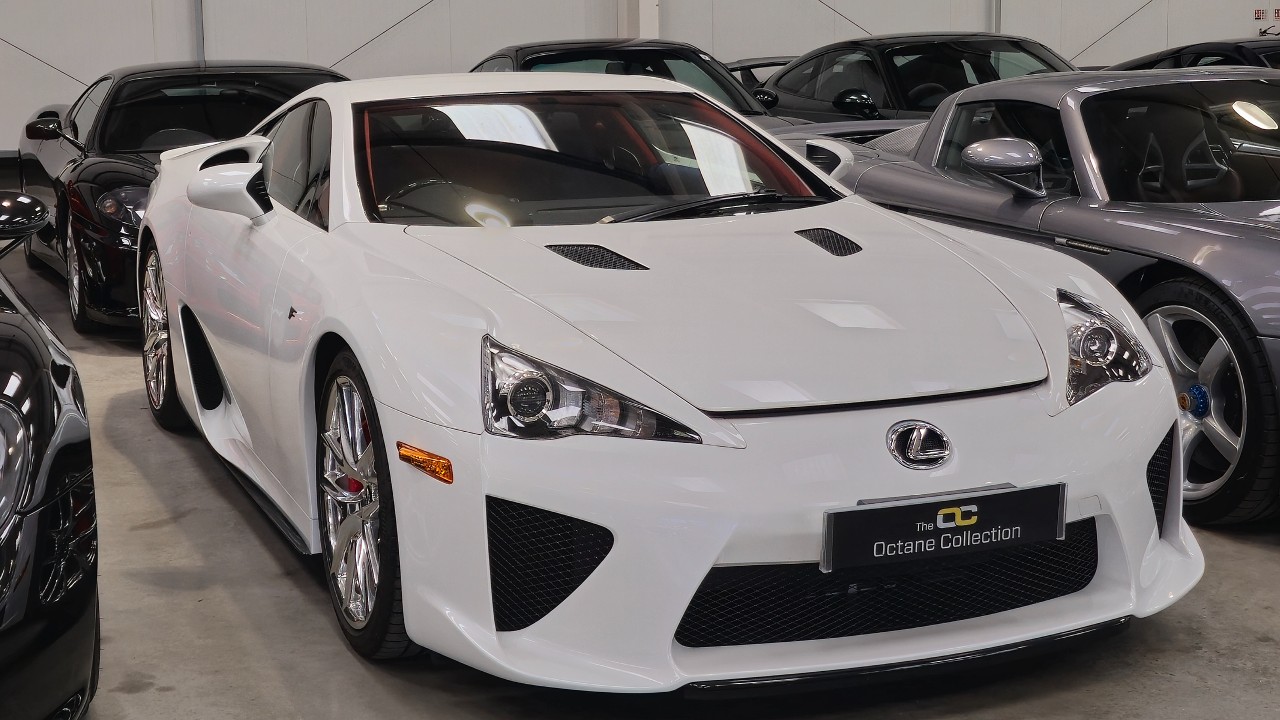
Lexus has already done much of the conceptual heavy lifting for a modern supercar, and it has done it under one of the most revered badges in its history. The company recently brought the legendary LFA name back with a new LFA Concept in Japan, signaling that it is not content to leave its most famous halo car as a one-off experiment. The new Lexus LFA Concept is described as a bold reimagining that is not playing it safe, which suggests a willingness to chase serious performance and emotional appeal rather than simply building another fast grand tourer.
What makes Lexus such a strong candidate for a next-generation supercar is the way the LFA Concept appears to prioritize the driver instead of building the cabin around screens. That focus on the human at the center of the experience, combined with the brand’s experience in high-revving engines and advanced hybrid systems, gives Lexus a credible foundation for a production car that could sit at the very top of the Japanese performance hierarchy. If the company follows through and turns the Lexus LFA Concept into a road-going model with the same intensity as the original LFA, it would not just add another supercar to the market, it would give Toyota’s luxury arm a clear technological and emotional flagship.
Listening to enthusiasts: Future classics and the case for attainable supercars
Any automaker considering a supercar move has to weigh not just engineering costs but also how the car will be received by the community that keeps its brand alive. Enthusiast spaces are already full of speculation about which current models will become tomorrow’s collectibles, with one widely shared discussion noting that Anything with a special edition or unique configuration ends up on some fans’ radar. That mindset shows how hungry buyers are for cars that feel distinct and limited, even if they are not traditional exotics. It also hints at a gap in the market for “attainable supercars” that blend everyday usability with the drama and scarcity that drive long-term desirability.
Subaru’s potential Affordable Performance Icon EV and Toyota’s next Supra both sit right in that sweet spot, where a car can be rare and extreme enough to feel special but still grounded in a brand’s broader lineup. Online debates about whether fans would accept an electric STI, including threads framed around whether people Would buy such a car, show that enthusiasts are already thinking about how performance and identity translate into new powertrains. I see that as an opportunity rather than a barrier: if brands can deliver cars that feel like future classics from day one, with clear links to motorsport and limited production, they can create supercar-level excitement without abandoning the accessibility that made their badges popular in the first place.
Racing tech and electrification: Why the timing is right
The broader performance landscape is shifting in ways that make it easier for non-traditional supercar makers to step up. High-performance vehicles have long captured the imagination of car lovers, and manufacturers are now using racing programs and advanced drivetrains to push that appeal even further. Reporting on High performance racing machines highlights how competition cars serve as rolling laboratories, with technology that eventually filters down into road models. As electrification accelerates, that transfer of knowledge is happening faster, with battery management, torque vectoring and lightweight materials all moving from the track to the street.
For brands like Subaru, Toyota and Lexus, this convergence of racing tech and electric development is a rare alignment of timing and capability. Subaru’s STI Performance Concept, Toyota’s plans for a more independent Supra and the Lexus LFA Concept in Japan all point to companies that are already experimenting with the ingredients of a modern supercar: high-output electrified powertrains, advanced aerodynamics and driver-focused cockpits. With enthusiasts openly debating future classics and the viability of electric performance icons, the stage is set for these automakers to turn their most ambitious concepts into production supercars that feel both timely and true to their heritage. If they choose to move, the next generation of halo cars could look very different from the old guard, and that shift would reflect not just changing technology but a broader rethinking of who gets to build a supercar in the first place.