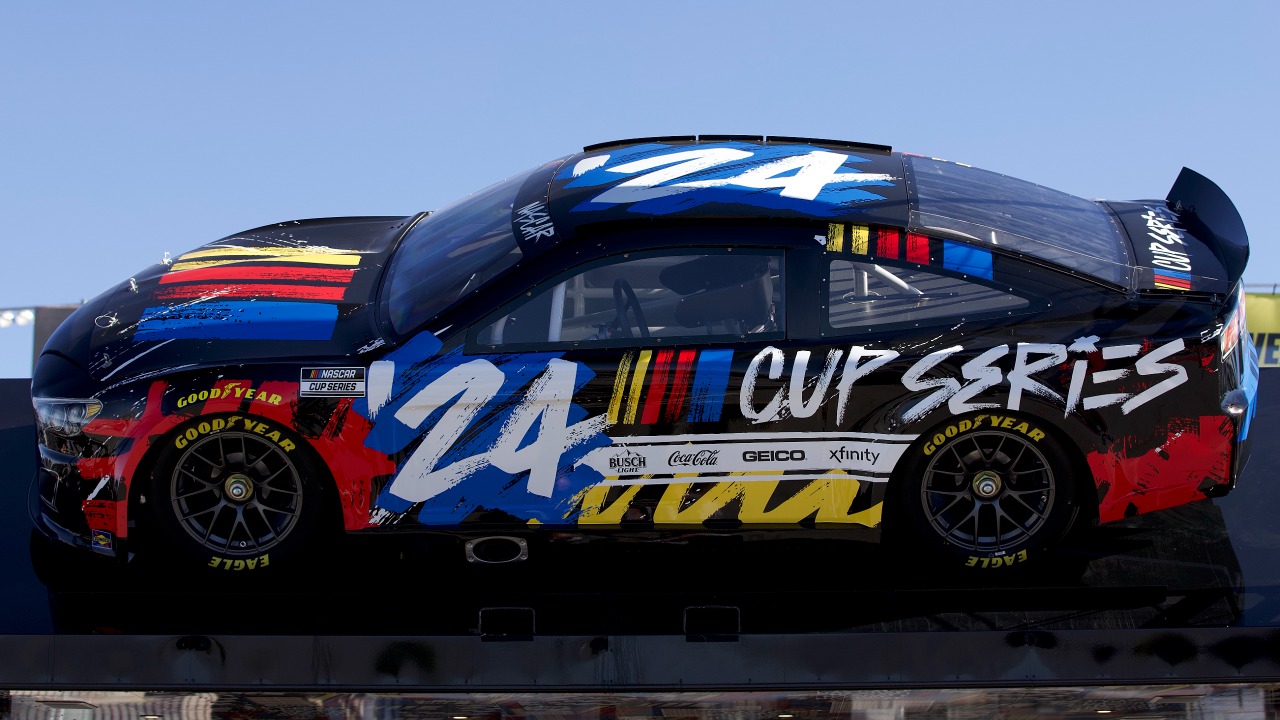
Stock car racing has always walked a razor’s edge between spectacle and danger, and nowhere has that tension been more visible than in NASCAR. Over the past few decades, a relentless wave of safety innovation has not only saved lives but also reshaped how the sport looks, feels, and even influences the cars we drive on public roads. The result is a series that still delivers 200 mile per hour drama while quietly relying on layers of engineering that most fans never see.
I have watched that transformation turn once-routine risks into survivable impacts, and it is impossible to separate modern NASCAR from the safety revolution that underpins it. From head-and-neck restraints to energy-absorbing walls and smarter car design, each breakthrough has nudged the sport away from tragedy and toward a future where speed and safety no longer feel like opposites.
The turning point that forced NASCAR to change
Every sport has a moment when the old way of doing things becomes impossible to defend, and for NASCAR that reckoning came with a fatal crash that exposed just how vulnerable drivers were in high-speed impacts. The loss of a star competitor in a last-lap accident did more than shock the garage; it shattered the illusion that incremental tweaks were enough and pushed officials, engineers, and teams into a new mindset where safety had to be treated as a system, not a patchwork of fixes. In the years since, violent wrecks that once would have been career-ending have become crashes that drivers walk away from, a shift that traces directly back to that single, devastating wake-up call.
What followed was a concentrated “Safety Revolution Era” in the early 2000s, a period when NASCAR began rethinking everything from cockpit protection to track infrastructure. Reporting on that era describes how the sanctioning body moved quickly to mandate new equipment and redesign cars after the fatal accident, tying future car designs and safety features directly to the lessons learned in that crash. The change was not cosmetic. It marked a philosophical pivot, where NASCAR made safety a priority that had to move hand in hand with competition, a stance that has defined the sport’s evolution ever since.
How the HANS device and modern gear rewrote survival odds
If there is a single piece of equipment that symbolizes NASCAR’s safety awakening, it is The HANS device. Before its widespread adoption, drivers were terrifyingly vulnerable to basal skull fractures in sudden decelerations, a type of injury that can occur even when the car’s chassis appears intact. The HANS device, which anchors the helmet to a carbon-fiber collar and tethers it to the driver’s torso, fundamentally changed that equation by keeping the head from whipping violently forward while the body is restrained. When NASCAR introduced The HANS in 2001, it was not just adding another gadget; it was rewriting the biomechanics of how a driver’s body experiences a crash.
Modern safety gear has built on that foundation. Advanced helmets and HANS Devices now work as a matched set, with helmet shells, liners, and tether points designed to manage impact forces as a unified system rather than as separate parts. Fire Retardant uniforms, gloves, and shoes wrap drivers in multiple layers of protection, giving them precious seconds to escape if a car erupts in flames at speeds exceeding 200 m per hour. Neck restraints, head surrounds in the seat, and improved harnesses all contribute to a cockpit that is less about brute strength and more about controlled energy management. Together, these innovations have turned what used to be unsurvivable impacts into crashes that drivers can, and routinely do, walk away from.
From walls to chassis: engineering the crash instead of fearing it
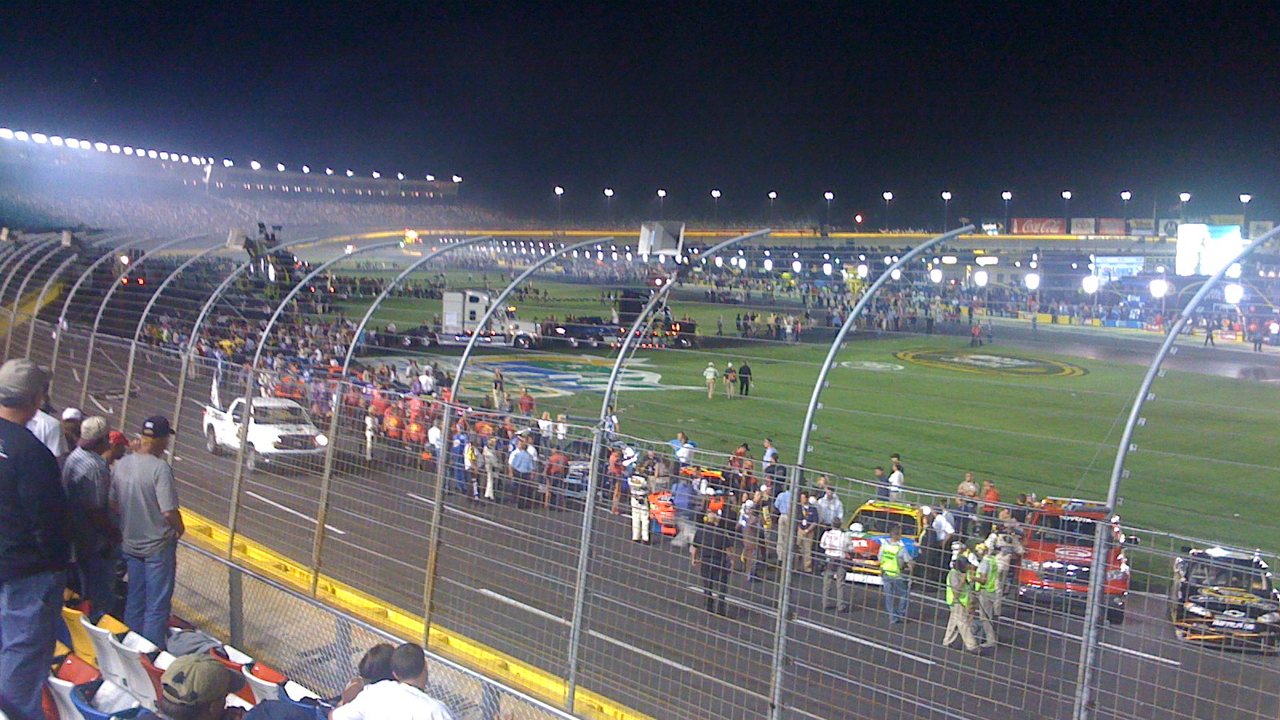
The real magic of modern NASCAR safety is not that crashes have disappeared, but that the sport has learned how to choreograph them. Instead of treating the wall as an immovable enemy, engineers have turned it into a partner in energy management. The SAFER Barrier, first installed at Indianapolis in 2002, is the clearest example. Built as a Steel And Foam Energy Reduction system, it uses a combination of steel tubes and foam blocks to absorb and spread out the force of an impact, reducing the peak load that reaches the driver. That design has inspired new ways of thinking about guardrails and urban barrier systems far beyond the racetrack, proof that the lessons learned in NASCAR’s concrete canyons are reshaping how we protect people on ordinary roads.
Inside the car, the same philosophy applies. NASCAR’s newer chassis designs are built to deform in a controlled way, sacrificing sheet metal and structural components so the driver’s survival cell can remain intact. Reports on how advanced technologies have revolutionized NASCAR describe how the fatal accident that triggered the safety revolution led directly to changes in car designs and safety features, from stronger roll cages to better crush zones. Even the seat has become a safety device, with wraparound head supports and energy-absorbing materials that cradle the driver during side impacts. Instead of hoping a car stays rigid, engineers now design it to give up material in exactly the right places so the human inside experiences a softer, longer deceleration.
Data, design, and the quiet tech that keeps drivers alive
What fascinates me most about NASCAR’s modern safety landscape is how much of it is invisible. Under the sheet metal and behind the highlight-reel crashes lies a world of sensors, simulations, and incremental tweaks that never make the broadcast. Engineers use high-speed data from real accidents to refine everything from seat mounting angles to steering column collapsibility, feeding those insights back into the next generation of cars. Analyses of NASCAR’s safety improvements have examined how major changes over a decade dramatically reduced serious injuries, tying those gains to a steady stream of refinements rather than a single silver bullet.
That same mindset has spilled into the broader automotive world. Work on impact-energy management in racing has informed how production car safety cages, crumple zones, and restraint systems are designed, even if most drivers never realize they are benefiting from lessons learned at 200 miles per hour. Some reporting notes that production car safety components are often hidden from view, which is exactly the point: the best safety tech is the kind you never have to think about. NASCAR has become an excellent source of safety information for U.S. automakers, turning race data into real-world improvements that quietly protect families in minivans and commuters in compact sedans.
From the racetrack to your driveway: how NASCAR safety changed everyday driving
The influence of NASCAR’s safety revolution does not stop at the track gate. The same Impact Energy Lessons that shaped The SAFER Barrier have inspired new approaches to highway guardrails and urban barrier systems, where engineers now think in terms of absorbing and redirecting energy instead of simply resisting it. When a car hits a modern roadside barrier, the way that metal bends, slides, or crumples often reflects concepts first tested in the crucible of racing. The racetrack has become a high-speed laboratory, and the data it generates is being translated into safer interstates, exit ramps, and city streets.
Automakers have tapped into that laboratory as well. Analyses of NASCAR’s contributions to U.S. automakers describe how the sport has helped refine production car safety components that most drivers never see, from reinforced passenger cells to more sophisticated restraint systems. Over time, the same obsession with controlled deformation, energy absorption, and occupant protection that defines modern NASCAR has filtered into vehicles like the Ford F-150, Toyota Camry, and Chevrolet Malibu. When I slide behind the wheel of a new car today, I am not just benefiting from government crash tests or lab simulations. I am also riding on the hard lessons of a sport that chose to confront its most painful moments and turn them into a blueprint for how to survive the unthinkable.