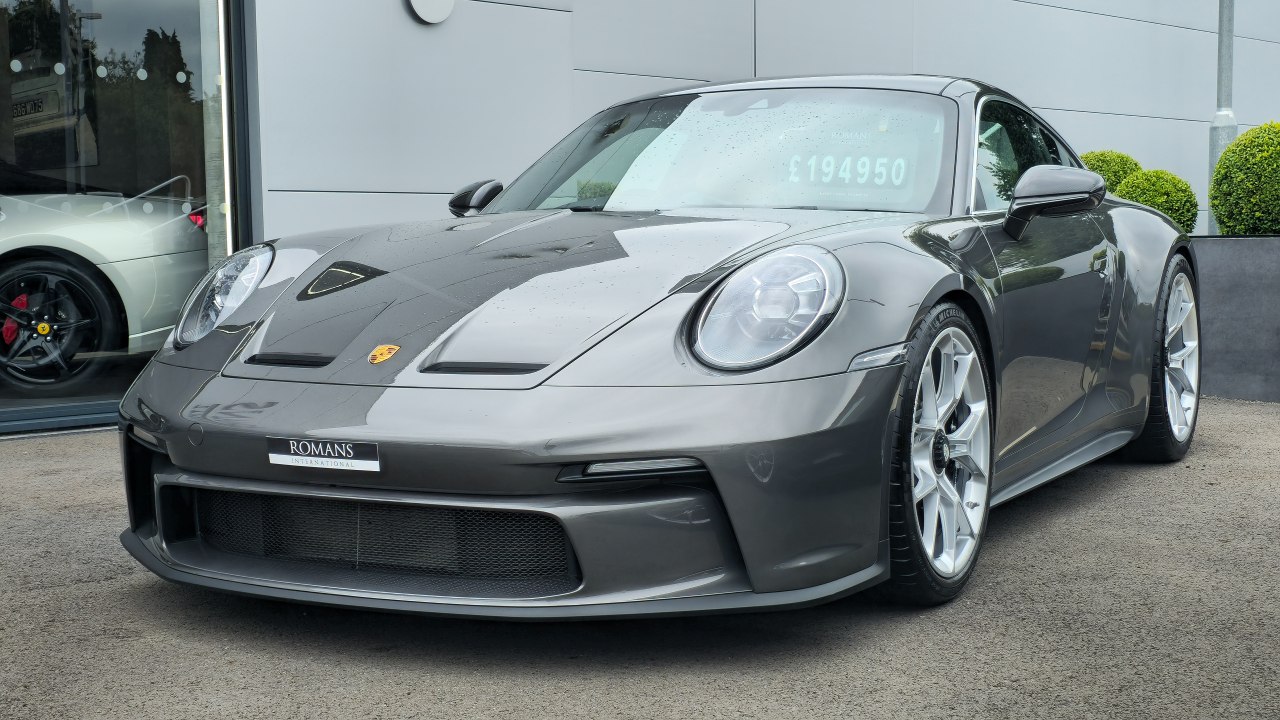
Modern supercars now sit at the crossroads of passion and portfolio planning, with certain models already proving that the right car can behave more like a blue-chip asset than a depreciating toy. As production runs tighten and electrification reshapes performance, a small group of combustion-era icons is emerging as credible long-term stores of value for buyers who choose carefully.
I see the strongest candidates sharing a few traits: limited supply, a clear enthusiast following, and a track record of holding or growing value even as newer, faster machinery arrives. From turbocharged 911s to hybrid hypercars, the most compelling modern supercars reward both disciplined research and a willingness to think like an investor rather than a speculator.
How to think about supercars as long-term assets
The first step is treating a supercar less like a discretionary purchase and more like a concentrated alternative asset. That means focusing on fundamentals such as rarity, brand strength, and long-term desirability instead of chasing the latest horsepower figure. Reporting on Best Investment Cars stresses that supercars with limited production numbers and strong demand are the ones most likely to deliver long-term value growth, which aligns with how collectors already treat rare art or watches.
Brand reputation is just as important as scarcity. Analysis of used luxury values highlights how Brand Reputation and Established premium marques underpin stronger resale performance, and that logic applies even more sharply at supercar price points. When I weigh a potential purchase, I look for manufacturers with decades of motorsport heritage and a proven enthusiast base, because those factors support demand through economic cycles rather than just in boom years.
Why Porsche 911 variants anchor many investment shortlists
Among modern supercars, the Porsche 911 family stands out as a recurring theme in almost every investment-focused shortlist. A detailed look at appreciating performance cars singles out the Porsche 911 GT models as examples of track-focused machines that combine everyday usability with limited production, a combination that tends to support values over time. When a car delivers both visceral driving appeal and real-world practicality, it attracts a broader pool of committed owners, which is exactly what a long-term investor wants.
Newer turbocharged 911s are also being framed as relatively “recession resistant” compared with more exotic rivals. A list of resilient performance cars highlights the Porsche 911 Turbo S Cabriolet 992 and the Porsche 911 Carrera GTS 992 as examples of models that retain strong demand even when broader markets soften, thanks to their blend of performance, comfort, and brand cachet. When I look at the 911 landscape, I see a hierarchy where the most focused variants, such as the 911 G and other GT-badged cars, sit at the top of the investment tree, while well-specified Turbo and GTS versions offer a more accessible but still disciplined way into the market.
Modern classics: Audi R8, Alpine A110 and the next wave
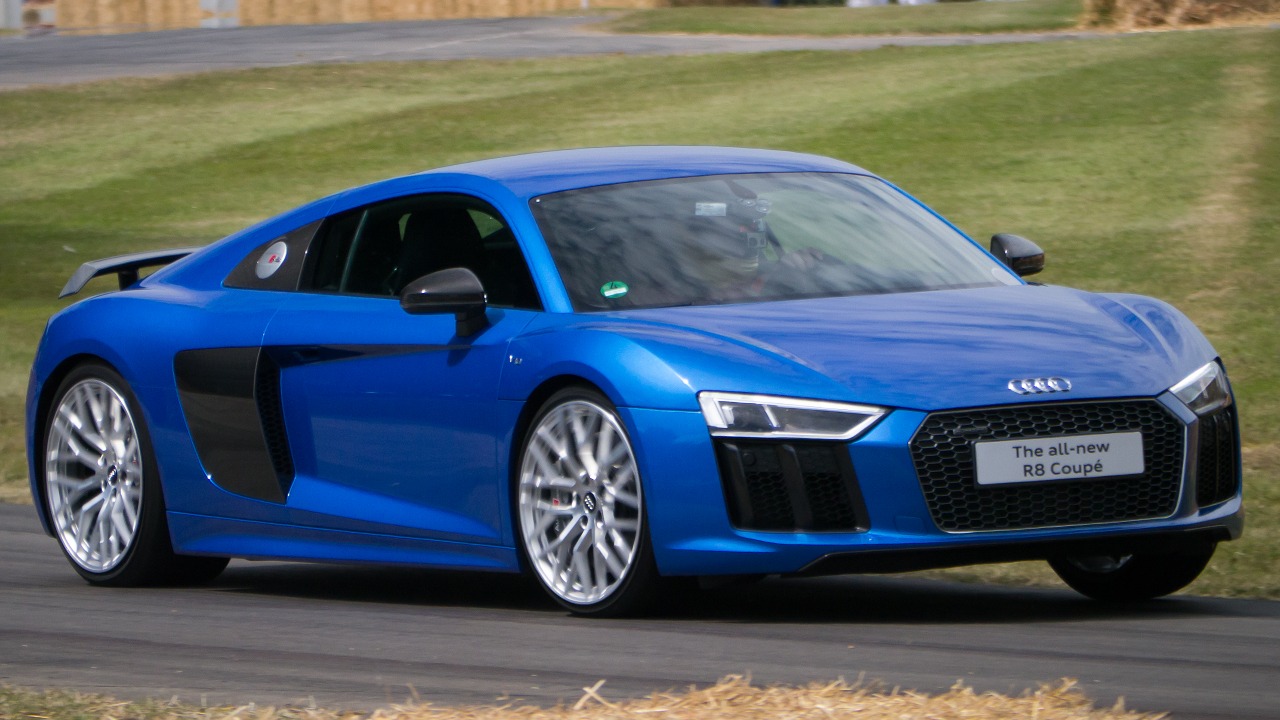
Beyond the 911, a new class of “modern classics” is emerging as a sweet spot for buyers who want contemporary reliability with old-school character. A recent guide to The Best Modern Classic Cars You Should Buy In 2025 points to the Porsche 911 911 (997), the Audi R8 First Generation, and the Alpine A110 as standout examples. Each of these cars represents a turning point for its brand: the 997 as the last of the more analog 911s, the first-generation R8 as Audi’s breakout mid-engined supercar, and the reborn A110 as a lightweight, driver-focused coupe in an era of ever-heavier machinery.
From an investment perspective, I pay close attention to models that mark “firsts” or “lasts” in a manufacturer’s history, because those narrative hooks often become more powerful as time passes. The Audi R8 First Generation, for instance, introduced a halo mid-engined layout to a brand better known for sedans and quattro rally heritage, while the Alpine A110 revived a storied nameplate with a purist driving experience that stands apart from mainstream sports cars. When combined with controlled production volumes and strong enthusiast communities, these storylines can help support values in the same way that earlier air-cooled 911s or original M cars have done in the past.
Hybrid and limited-run hypercars as future blue chips
At the very top of the market, hybrid and ultra-limited hypercars are already being framed as future reference points for the combustion and early electrified era. A ranking of top most investment worthy supercars in 2025 places models like the Ferrari SF90 Stradale and McLaren Elva at the center of the conversation, reflecting how collectors are already treating these cars as long-term reference pieces rather than short-lived novelties. Their appeal rests on a mix of cutting-edge technology, extremely low build numbers, and the cachet of wearing the most prestigious badges in the segment.
Ferrari’s broader lineup reinforces this pattern. A separate look at resilient high-end models includes the Ferrari Purosangue among recession-proof supercars, underscoring how the brand’s pull can extend even to unconventional body styles when supply is tightly controlled. When I evaluate these halo models, I focus less on outright performance and more on how they capture a moment in automotive history, such as the early adoption of hybrid systems in the SF90 or the extreme open-cockpit design of the McLaren Elva. Those historical markers, combined with strict production caps, are what typically separate long-term blue chips from fast-fading curiosities.
Practical steps for building a supercar investment strategy
Even the best model choice can disappoint if the buying process is rushed or poorly informed, so I treat research and networking as non-negotiable parts of the strategy. Guidance on Where to start with collectible and luxury cars emphasizes attending specialist events and shows to understand market sentiment, condition standards, and the nuances that separate an average example from a truly investment-grade car. Spending time around owners and dealers who live in this world every day is often the quickest way to learn which specifications, colors, and options the market quietly prizes.
Financing and holding costs also need to be built into any long-term plan. Analysis of appreciating supercars from lenders such as Here shows how buyers increasingly structure loans and leases around expected value retention, particularly on models like the Porsche 911 GT and other limited-run specials. I factor in insurance, storage, and maintenance as part of the total investment picture, because even a car that appreciates on paper can underperform if running costs quietly erode the gains. For investors willing to approach the market with this level of discipline, the right modern supercar can deliver something rare in any asset class: the possibility of real financial upside combined with the tangible pleasure of ownership.