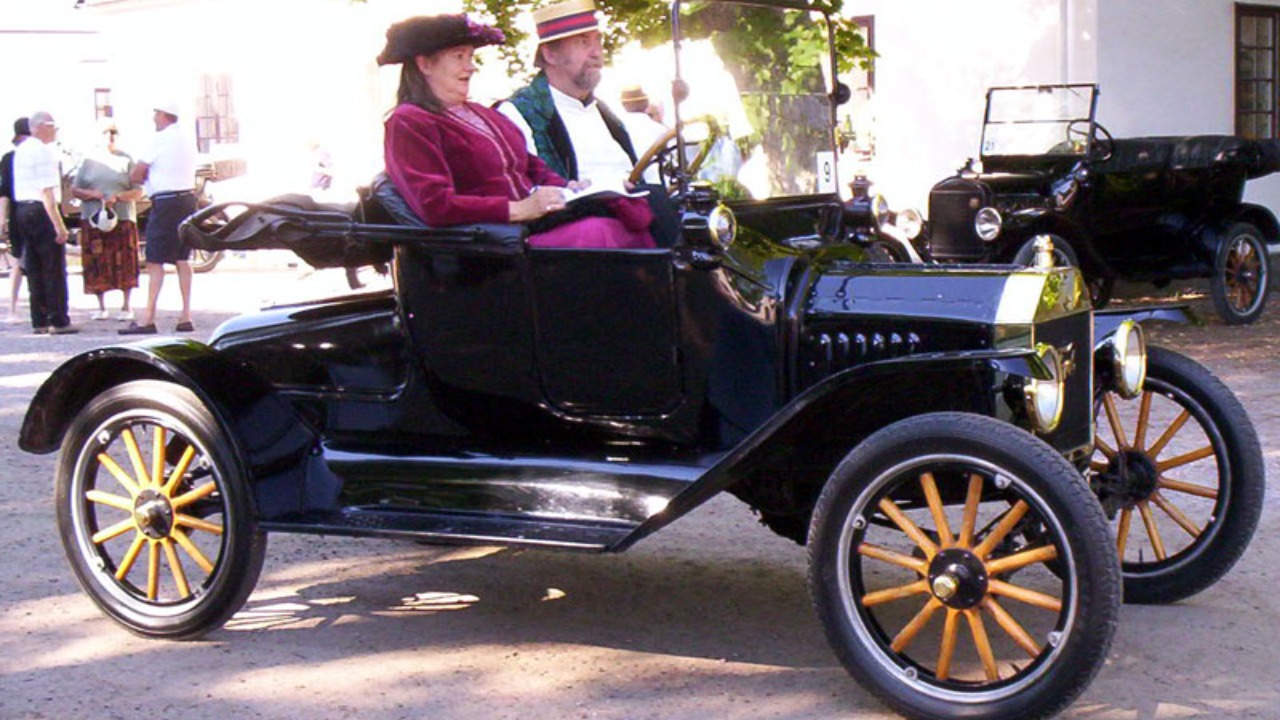
The Ford Model T revolutionized transportation in the early 20th century, making car ownership accessible to a broader segment of the American population. As I delve into the daily realities, challenges, and joys of owning a Model T in 1915, I am reminded of how this pivotal year marked a significant turning point in automotive history and American life.
The Significance of the Model T in 1915
The Model T, introduced by Henry Ford in 1908, had already begun to reshape American society and the economy by 1915. It was not merely a vehicle; it was a catalyst for change, allowing families, farmers, and individuals to experience mobility like never before. By simplifying the manufacturing process through assembly line production, Ford made it possible for an average worker to afford a car, with prices dropping from over $850 in the early years to about $440 by 1915. This accessibility shifted the cultural landscape, heralding an era where the open road was no longer just a dream reserved for the wealthy.
Moreover, the Model T fostered a cultural shift towards mobility and independence. The ability to travel freely transformed not only personal lifestyles but also the economy. People could now commute to work, access markets, and explore beyond their immediate surroundings. In a country where railroads once dominated transportation, the Model T heralded a new sense of freedom, encouraging a lifestyle centered on the automobile.
Purchasing a Model T
In 1915, purchasing a Model T was both an exciting and significant financial decision. The base model was priced around $440, and various options, such as a closed body or a more comfortable interior, could add to the cost. Financing options were limited compared to today’s standards, but some local banks offered loans to help prospective owners make their purchase. Buying directly from a Ford dealership often provided a more streamlined purchasing experience, with many dealerships offering demonstrations and even after-sales service.
When I walked into a dealership, I found a range of options available. The Model T came in various body styles, including a touring car, a runabout, and even a truck version for farmers. Each model offered unique features, and potential buyers could customize their vehicles to better suit their needs. The excitement of choosing a car was palpable, as it represented not just a mode of transport but also a new lifestyle.
Daily Life with a Model T
Owning a Model T in 1915 significantly altered daily life. For many families, it became essential for commuting to work or school, running errands, and engaging in leisure activities. I recall how my neighbors would pile into their Model T for weekend excursions, exploring nearby towns or picnicking in the countryside. The practicality of the Model T made it an appealing choice for various uses, from transporting goods to taking children to school.
However, daily life with a Model T came with its own set of challenges. Maintenance was crucial, and owners had to be somewhat handy with tools. Regular oil changes, tire upkeep, and occasional mechanical repairs were part of the routine. Fueling the car was also a consideration; gas stations were beginning to pop up, but many rural areas still relied on local general stores to sell gasoline. The Model T’s simple design meant that many repairs could be managed at home with basic tools, which fostered a sense of self-reliance among owners.
Navigating Roads and Travel
The state of American roads in 1915 varied significantly from region to region. In urban areas, streets were often paved, but rural roads were frequently unpaved and challenging to navigate. Dusty trails, muddy paths, and occasional potholes were common obstacles for Model T drivers. The vehicle’s versatility was one of its greatest assets, as it was designed to handle rough terrain better than many of its contemporaries. However, long-distance travel could still be an adventure fraught with difficulty.
Long-distance journeys in a Model T required careful planning. Accommodations were sparse, and many travelers relied on the hospitality of locals or stayed in the few roadside inns that catered to motorists. These experiences contributed to the burgeoning travel culture of the time, as families began to explore the country in ways previously unimaginable. The Model T opened up new opportunities for adventure and exploration, leading to the rise of roadside attractions that would soon become staples of American travel.
The Community and Culture of Model T Owners
As the popularity of the Model T grew, so did the community of its owners. By 1915, numerous clubs and social groups had formed around the shared passion for this revolutionary vehicle. I remember attending local meetups where enthusiasts showcased their cars, shared tips, and exchanged stories of their adventures. The camaraderie among Model T owners was palpable; it was a culture built on shared experiences and mutual respect for the engineering marvel that had come to define an era.
These gatherings often included rallies and organized trips, where owners would join together to explore new regions. Such events not only strengthened the bonds among owners but also highlighted the economic impact of the Model T on local communities. The influx of motorists brought business to small towns, fostering a new economy centered around hospitality, service stations, and automotive-related industries.
Challenges and Limitations of Ownership
Despite the joys of owning a Model T, it was not without its challenges. Common mechanical issues included problems with the ignition system or a need for regular adjustments to the carburetor. While many owners took pride in their ability to perform basic repairs, it required a certain level of skill and knowledge. Learning how to fix a flat tire or troubleshoot engine issues became essential for maintaining the vehicle’s performance.
Weather also played a significant role in the experience of Model T ownership. Winter driving could be particularly challenging, with snow and ice making roads treacherous. Many owners invested in chains for their tires to improve traction, while others opted to park their cars during the harshest months. Additionally, social perceptions varied; in some rural areas, car ownership was viewed with skepticism, as some communities still favored horse-drawn transportation. This sometimes led to biases against those who embraced modernity in the form of the Model T.
More from Fast Lane Only
- Unboxing the WWII Jeep in a Crate
- 15 rare Chevys collectors are quietly buying
- 10 underrated V8s still worth hunting down
- Police notice this before you even roll window down
*Research for this article included AI assistance, with all final content reviewed by human editors.