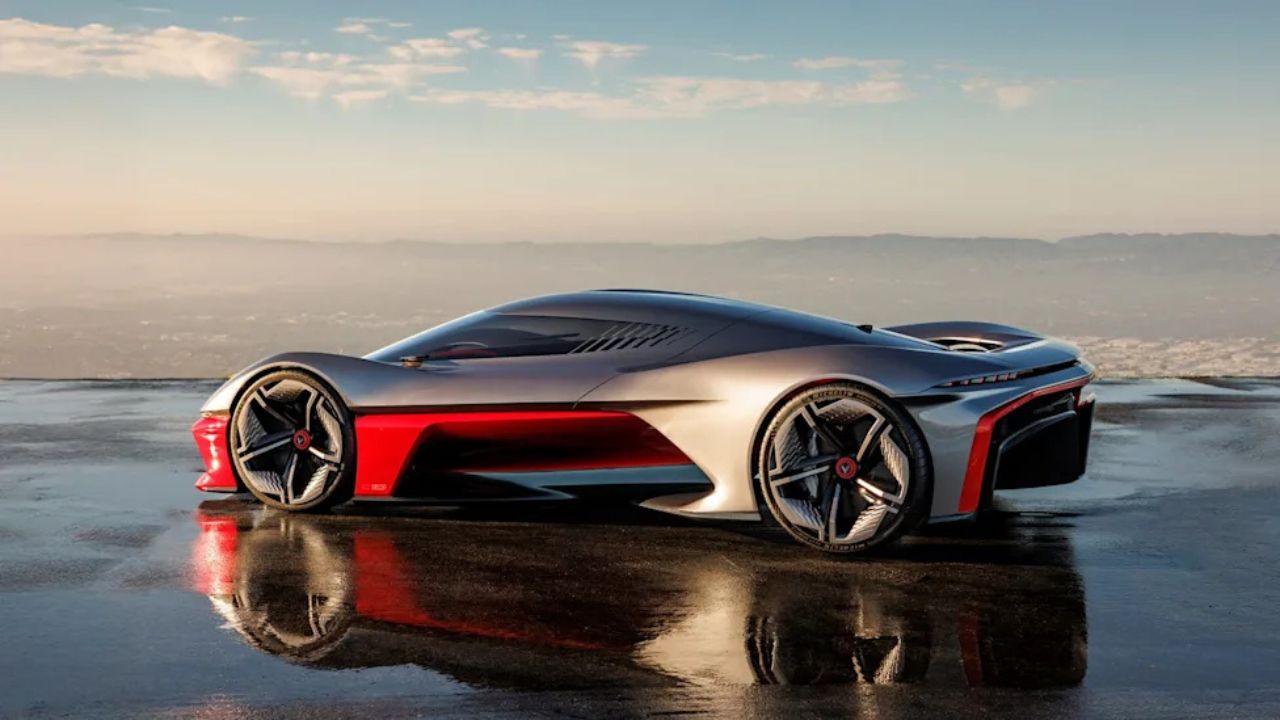
Chevrolet is reportedly exploring a dramatic expansion of the Corvette nameplate, with hints of a high-performance Corvette SUV and multiple forward-looking C9 concept designs that could redefine what the legendary sports car represents. The move signals a potential evolution of the Corvette from a pure two-door sports car into a broader performance family spanning multiple body styles and electrified platforms.
The idea reflects a growing industry trend where heritage performance badges are being stretched into new segments to attract modern buyers while maintaining brand identity.
What happened
Recent industry chatter and concept discussions suggest that Chevrolet is evaluating future directions for the Corvette lineup beyond the current mid-engine C8 generation. Among the most attention-grabbing ideas is a Corvette SUV—a high-performance utility vehicle that would blend sports car styling cues with the practicality and stance of a crossover.
Alongside that, designers are also exploring radical C9 Corvette concepts that push the styling language further into futuristic territory. These concepts reportedly emphasize sharper aerodynamics, aggressive proportions, and potential electrified powertrains, hinting at how Corvette design could evolve in a post-internal combustion or hybrid-heavy era.
While no production version has been confirmed, the existence of multiple design studies indicates that General Motors is actively testing how far the Corvette identity can stretch without losing its core performance heritage.
Why it matters
A Corvette SUV would represent one of the most significant shifts in the nameplate’s history. The Corvette has traditionally been defined by its low-slung coupe and convertible layout, focused on lightweight performance and track capability. Expanding that identity into an SUV form would place it in direct competition with performance crossovers from brands like Porsche and Lamborghini.
The strategy also reflects the broader industry reality that SUVs dominate global sales, even in the performance segment. High-performance utility vehicles have become major profit centers for automakers, combining practicality with supercar-level performance and pricing.
For Corvette, the challenge will be balancing heritage with profitability. Longtime enthusiasts value the nameplate for its purity and racing roots, while newer buyers may be more open to a broader interpretation that includes electrification, advanced tech, and everyday usability.
The C9 concept direction also signals how Chevrolet may prepare the Corvette for a future shaped by stricter emissions standards and evolving drivetrain technology. Electrified or hybrid-assisted performance could allow the brand to maintain speed and acceleration benchmarks while adapting to regulatory pressures.
What to watch next
The biggest question is whether the Corvette SUV moves beyond design exploration into a confirmed production program. If approved, it would likely join a growing list of performance SUVs that blend luxury, speed, and practicality in a single package.
The next-generation C9 Corvette will also be closely watched for its powertrain strategy. Whether Chevrolet continues refining hybrid performance systems or shifts toward more advanced electrification will define how the nameplate competes against European rivals.
Design direction will be just as important. Future Corvette models will need to preserve recognizable styling DNA while adapting to new proportions, aerodynamics, and technology-driven interiors.
For now, the Corvette SUV and C9 concepts remain signals of intent—but they clearly show that Chevrolet is willing to rethink one of its most iconic performance badges for a new automotive era.
More from Fast Lane Only