The debate between chrome-heavy classics and blacked-out builds has captivated motorcycle enthusiasts for decades. As trends evolve, riders find themselves torn between the timeless allure of chrome and the sleek, modern aesthetic of blacked-out designs. Exploring both styles reveals their distinctive appeal, practicality, and cultural significance in today’s motorcycle landscape.
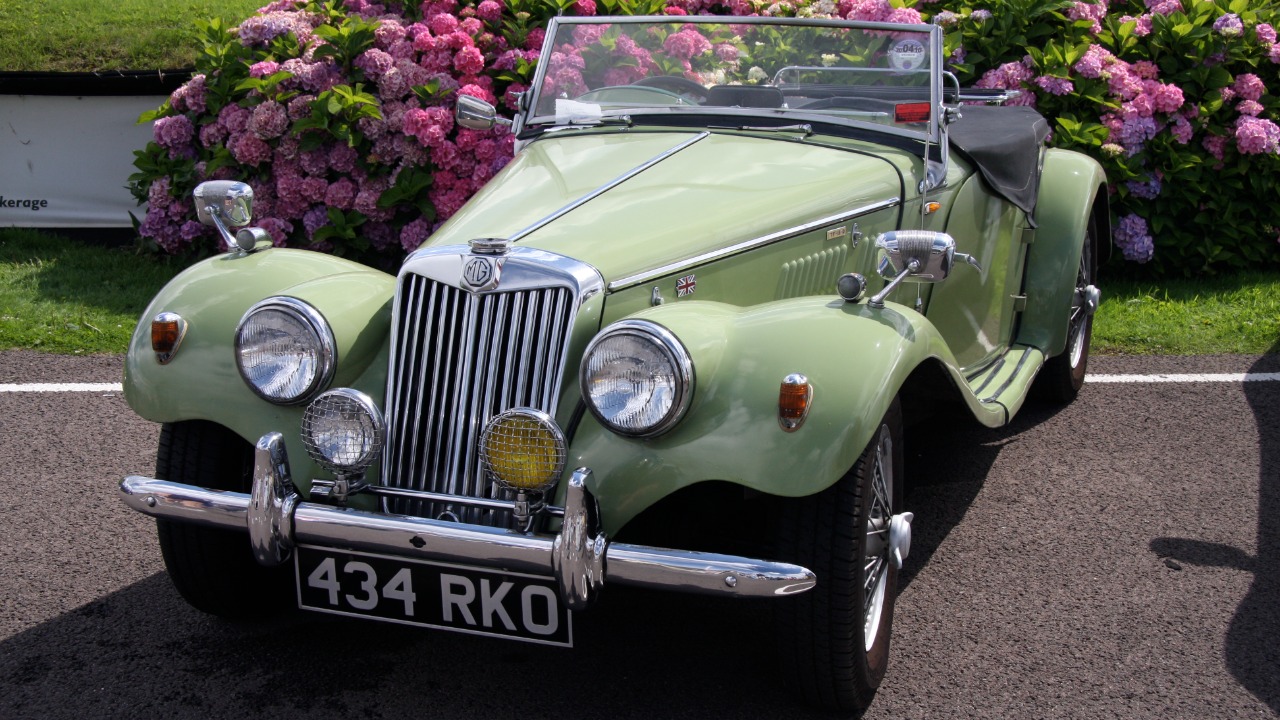
The appeal of chrome-heavy classics
Nostalgia plays a significant role in the allure of chrome-heavy motorcycles. These bikes represent the golden age of motorcycle design, often evoking memories of the open road and the freedom that accompanies it. Think of iconic models like the Harley-Davidson Panhead from the 1940s or the classic Indian Chief. These motorcycles not only showcase impressive engineering but also carry stories and histories that resonate with riders. For many, owning a chrome-heavy classic is akin to possessing a piece of history, a tangible connection to the past that modern builds simply cannot replicate.
Beyond nostalgia, chrome-heavy bikes exemplify craftsmanship and detailing. The intricate designs and polished finishes associated with chrome showcase superior craftsmanship, elevating a motorcycle from a mere vehicle to a work of art. Each gleaming piece of chrome enhances the visual appeal and creates a sense of luxury that is hard to ignore. Brands like Moto Guzzi and Triumph have long been known for their attention to detail, producing bikes that are as aesthetically pleasing as they are functional. This blend of beauty and nostalgia captures the hearts of riders who appreciate the legacy of motorcycle design.
The rise of Blacked-out builds
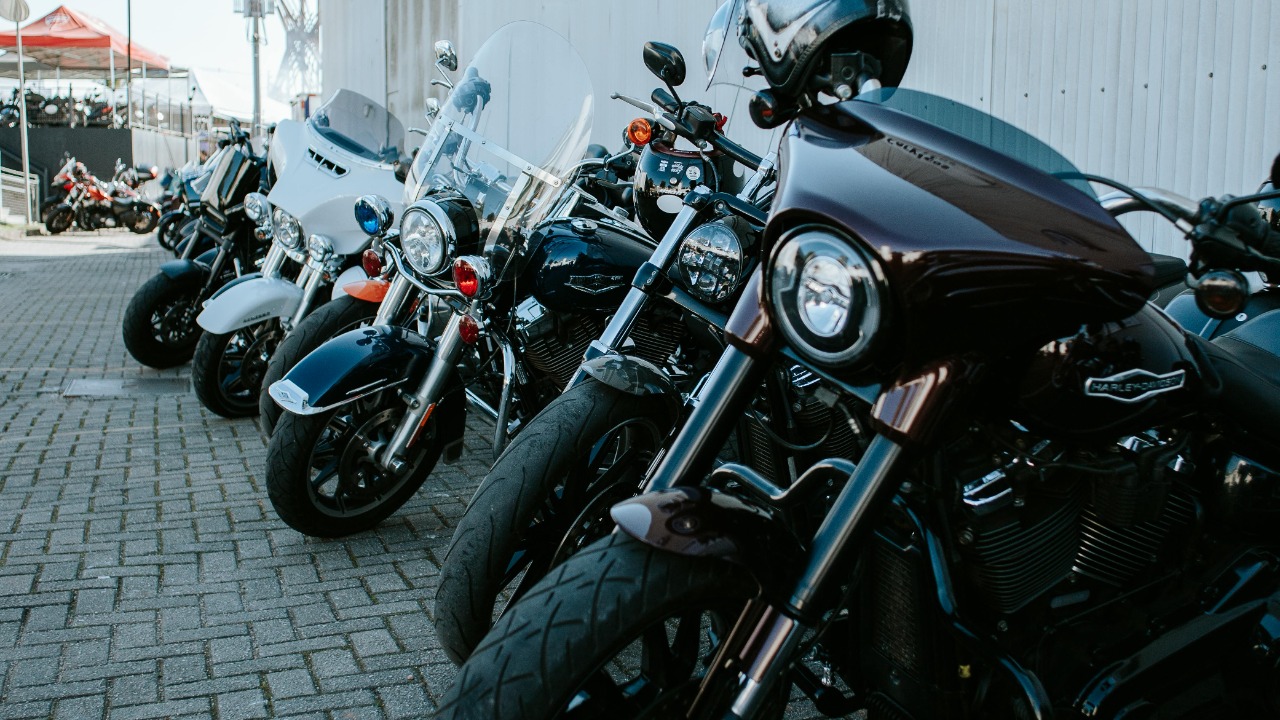
In stark contrast, blacked-out builds have surged in popularity, reflecting modern aesthetics that resonate with contemporary tastes. The sleek, minimalist designs often associated with blacked-out motorcycles appeal to a new generation of riders seeking something different. Bikes like the Yamaha Bolt and the Harley-Davidson Street Bob exemplify this trend, offering a robust yet understated look. The black finish not only serves as a bold statement but also embodies a sense of rebellion and individuality that many riders crave.
Customization is another significant factor in the rise of blacked-out builds. These motorcycles are easier to modify, allowing riders to express their unique style through various finishes and textures. Whether it’s a matte black paint job or the addition of custom parts, blacked-out builds provide an opportunity for personal expression that traditional chrome-heavy bikes may not offer. The versatility of black finishes opens the door to creative modifications, making it easy for riders to stand out in a crowd and make their bikes truly their own.
Functionality and maintenance
When it comes to practicality, the durability of finishes plays a crucial role in the debate between chrome and blacked-out builds. Chrome, while visually stunning, can be prone to rust and corrosion, requiring regular maintenance to keep it looking pristine. Riders must constantly polish and protect chrome surfaces to ensure they withstand the elements. On the other hand, black finishes often provide better resistance to wear and tear, making them more suitable for everyday riding. This durability is particularly appealing to riders who prioritize functionality along with aesthetics.
Visibility and safety are also important considerations. Chrome finishes can enhance visibility in low-light conditions through their reflective properties, which can be a vital safety feature for riders. However, blacked-out builds may require additional lighting solutions to ensure safety during night rides. Incorporating LED lights or reflective accents can help mitigate this issue, but it’s an important factor for those considering a blacked-out style. Ultimately, the choice between chrome and blacked-out builds may hinge on individual riding habits and preferences.
Cultural Significance
The cultural significance of motorcycle styles cannot be overlooked. Chrome-heavy bikes symbolize the classic motorcycle era and Americana, often associated with freedom, rebellion, and the open road. They evoke images of the 1950s and 1960s, a time when motorcycle culture flourished and became an integral part of American identity. Brands like Harley-Davidson have long capitalized on this nostalgia, creating a strong connection between their bikes and the idea of the American dream.
In contrast, blacked-out builds are linked to modern biker subcultures and custom scenes, often appealing to younger riders who seek to break away from tradition. This style resonates with those who view motorcycles as a form of self-expression and individuality. The rise of social media platforms like Instagram has amplified this trend, allowing riders to showcase their unique builds and connect with like-minded enthusiasts worldwide. As cultural perceptions shift, the choice between chrome and blacked-out styles reflects deeper aspects of rider identity and community belonging.
Market trends
Current market trends reveal interesting insights about the popularity of chrome versus blacked-out builds. According to industry reports, blacked-out motorcycles have seen a significant increase in sales, particularly among younger riders. This demographic shift is evidenced by brands such as Indian Motorcycle, which has successfully launched models like the Indian Scout Bobber, catering to the demand for more modern, minimalist designs. Conversely, chrome-heavy models continue to hold their ground, especially among collectors and enthusiasts who appreciate the craftsmanship and history associated with classic bikes.
Social media also plays a pivotal role in shaping perceptions of motorcycle styles. Influencers and builders like Paul Teutul Jr. of Orange County Choppers or custom bike builder Jesse James have leveraged their platforms to showcase their creations, influencing buyer preferences. Their focus on blacked-out aesthetics has sparked a trend that resonates with many riders, encouraging them to explore customization options that align with contemporary tastes. The visibility of these influencers highlights the dynamic nature of motorcycle culture and the impact of modern media on the choices riders make.
Personalization options
Personalization remains a key factor for many riders when choosing between chrome and blacked-out builds. Both styles offer a variety of options for custom paint and finishes, allowing enthusiasts to create a bike that reflects their personality. For chrome-heavy builds, classic pinstriping or intricate designs can elevate the aesthetic, while blacked-out builds invite creativity with matte finishes, vinyl wraps, or even two-tone color schemes. The possibilities are endless, creating a canvas for riders to express their individuality.
Accessories and add-ons also play a significant role in personalization. Popular accessories for chrome-heavy bikes include custom handlebars, chrome mirrors, and decorative fenders that enhance the classic look. On the other hand, blacked-out builds often incorporate components like LED lighting kits, custom exhaust systems, and blacked-out wheels to maintain the sleek aesthetic. Riders can find a wealth of options online, from platforms like RevZilla to eBay, where they can purchase unique parts that complement their chosen style. The key is to integrate personal touches while maintaining aesthetic integrity, ensuring that the bike remains cohesive and visually appealing.
Comparative analysis of performance
When it comes to performance, the choice between chrome and black finishes can have tangible effects on bike dynamics. The weight of chrome components can add extra pounds, potentially impacting handling characteristics. In contrast, blacked-out builds often utilize lighter materials and finishes, enhancing performance and maneuverability. Models like the Suzuki SV650 showcase how modern design principles can lead to improved handling without sacrificing style, offering a blend of both aesthetics and performance.
Temperature and comfort are also important factors to consider. Chrome surfaces can absorb and retain heat, making rides uncomfortable, especially in warmer climates. On the other hand, matte black finishes may offer better heat dissipation, leading to a more comfortable riding experience. For long-distance riders, this can make a significant difference in overall comfort during extended trips. Riders should carefully consider these aspects when making their choice, especially if they plan on using their motorcycles for longer journeys.
Future of motorcycle styles
As trends evolve, the future of chrome versus blacked-out builds remains an intriguing topic. Predictions suggest that the popularity of blacked-out builds will continue to rise, driven by the younger generation’s preference for minimalism and individuality. Additionally, the influence of technology and sustainability may shape design choices, with manufacturers increasingly exploring eco-friendly materials and finishes. This shift could lead to the development of innovative designs that marry the best aspects of both styles.
There is also the potential for hybrid designs that combine the best elements of chrome and blacked-out aesthetics. Custom builders are already experimenting with finishes that incorporate both styles, creating unique looks that appeal to a broader audience. For instance, bikes featuring chrome accents on a blacked-out frame can offer a striking visual contrast while allowing riders to enjoy the benefits of both worlds. As motorcycle culture continues to evolve, the convergence of these styles may lead to exciting new trends that defy traditional categorizations.
Final thoughts on style preference
Ultimately, the choice between chrome-heavy classics and blacked-out builds is subjective, heavily influenced by personal taste and riding style. For some, the nostalgia and craftsmanship of chrome-heavy bikes resonate deeply, while others may find inspiration in the modern aesthetics and customization opportunities of blacked-out builds. Community discussions and debates surrounding style preferences often reflect broader cultural narratives, emphasizing the importance of individual expression in the motorcycle world.
More from Fast Lane Only
- Unboxing the WWII Jeep in a Crate
- 15 rare Chevys collectors are quietly buying
- 10 underrated V8s still worth hunting down
- Police notice this before you even roll window down
*Research for this article included AI assistance, with all final content reviewed by human editors.