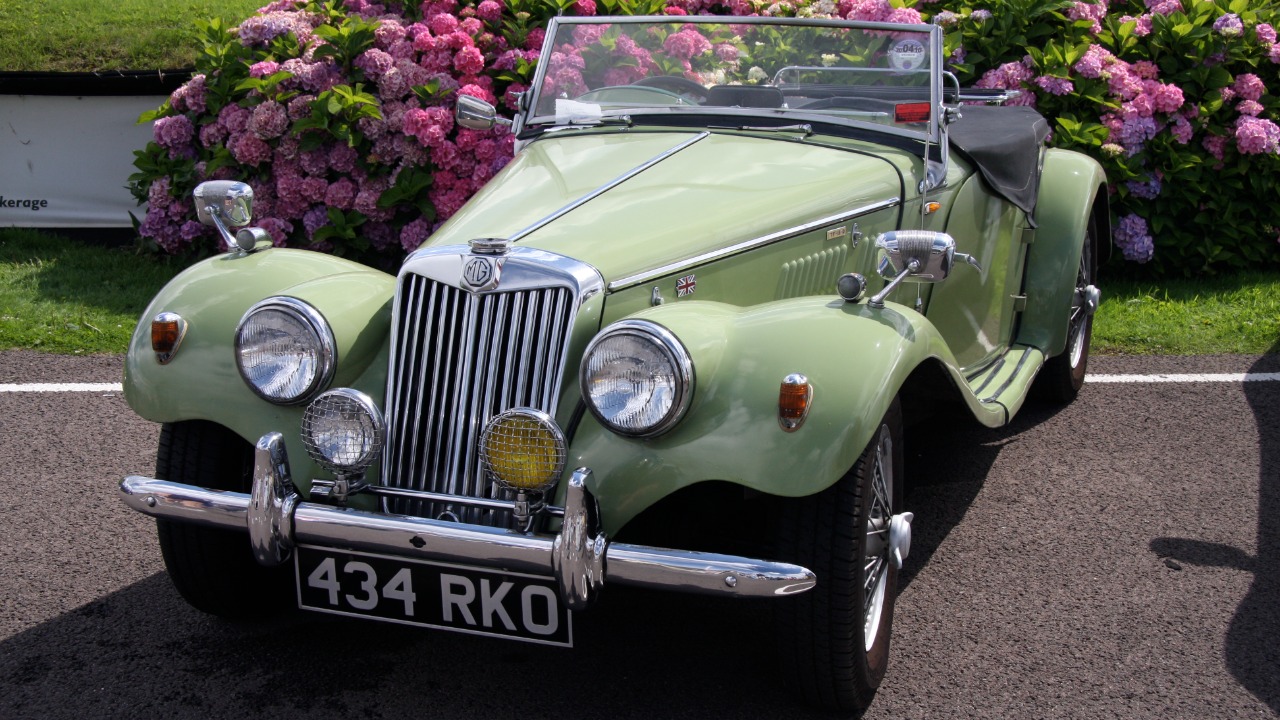
The world of classic cars captivates enthusiasts with its unique blend of investment opportunity and personal passion. Whether you’re drawn to the sleek lines of a vintage Mustang or the historical significance of a classic Porsche, understanding your motivations can profoundly influence your decisions in the automotive realm.
Understanding Classic Car Investment
Classic car investment refers to the practice of purchasing vehicles not just for enjoyment but primarily as a means to generate financial returns. The appeal lies in the potential for appreciation over time, as classic cars can often outperform traditional investment vehicles like stocks or bonds. According to various market analyses, certain models have seen value increases exceeding 400% over the last decade, making them attractive options for savvy investors.
The historical performance of classic cars as an asset class is noteworthy. For example, the Hagerty Market Rating has shown that vehicles such as the 1960 Ferrari 250 GT SWB and the 1971 Porsche 911 are now worth significantly more than their original prices, illustrating the potential for substantial returns. Factors like rarity, condition, and provenance play a crucial role in determining a vehicle’s investment potential. A car that is one of only a handful produced or has a rich history can command a premium price in the marketplace.
Defining a Passion Project
A passion project in the classic car space is often characterized by emotional investment rather than strictly financial considerations. For many enthusiasts, owning a classic car is about the joy of restoration, the thrill of driving, and the pride of ownership. The emotional rewards can far outweigh the financial returns; after all, not every classic car will appreciate significantly in value. It’s about the journey rather than the destination.
Popular passion projects among classic car enthusiasts often include vehicles like the Chevrolet Corvette or the Volkswagen Beetle. These models have large communities and support networks, making it easier for owners to share their experiences, modifications, and restorations. The satisfaction derived from restoring a car to its former glory can be immeasurable, providing a sense of fulfillment that transcends monetary value.
Investment vs. Passion: Key Differences
When distinguishing between investment and passion, the primary difference lies in financial objectives versus personal satisfaction. Investors are often driven by the goal of financial gain, focusing on market trends and resale values. Passionate owners, however, are typically motivated by the experience of driving, restoring, and sharing their vehicles with like-minded individuals.
The role of market research is paramount for those seeking investment. Understanding trends, valuation, and potential future appreciation is vital for making informed purchasing decisions. Conversely, for those pursuing classic cars as a passion project, emotional attachment often plays a more significant role. I’ve found that the joy of a well-timed cruise on a sunny day can outweigh the financial implications of the vehicle’s market value.
Assessing Your Goals
Before diving into classic car ownership, it’s essential to ask yourself some critical questions. Are you primarily interested in financial gain, or is your primary motivation personal enjoyment? Understanding your priorities can help you navigate the classic car landscape more effectively. For instance, if financial gain is your primary goal, you might want to consider models historically known for their appreciation, like the 1964-1966 Ford Mustang.
Setting realistic expectations is also crucial. If you’re leaning toward a passion project, be prepared for the potential costs of maintenance and restoration that may not offer high returns. On the other hand, if you’re pursuing classic cars as an investment, be ready to conduct thorough market research and possibly hold onto your vehicle for several years to see significant appreciation.
Market Trends and Their Impact
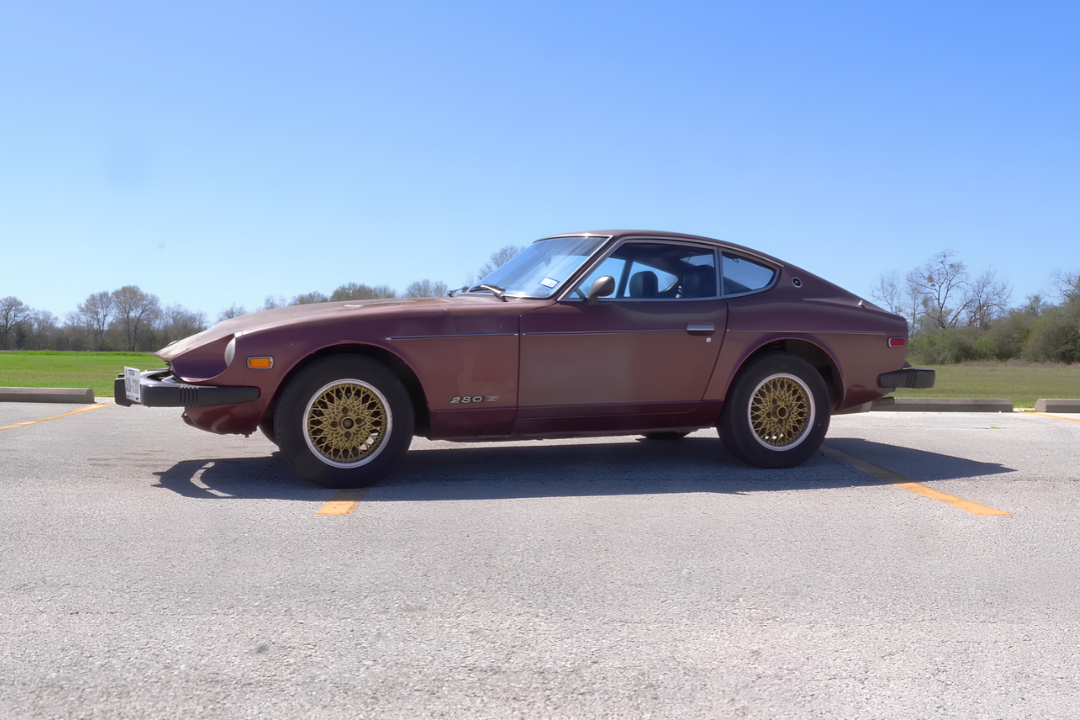
The classic car market is constantly evolving, influenced by a myriad of factors, including economic conditions, societal trends, and collector community dynamics. Current market trends show a growing interest in electric classic cars and restomods, blending modern technology with vintage aesthetics. This shift can significantly impact values and desirability; for instance, the 1970s Datsun 240Z is experiencing a resurgence in popularity as restoration projects incorporate electric drivetrains.
Economic factors also play a significant role in influencing car values. During economic downturns, luxury items like classic cars may see a decline in value, while during booms, the opposite may occur. The collector community and social media platforms have further impacted trends, with sites like Bring a Trailer and Instagram showcasing stunning restorations and driving experiences, which can drive up demand for certain models.
The Role of Restoration and Maintenance
The cost implications of restoration can vary dramatically depending on whether the goal is investment or personal enjoyment. For investors, restoration often focuses on maximizing the vehicle’s value, which can lead to significant expenditure. High-quality restoration shops can charge upwards of $100,000 for a complete restoration of a classic muscle car, depending on the extent of the work needed.
On the other hand, if the vehicle is more of a passion project, the restoration can be a more personal journey, sometimes involving DIY projects that allow for creativity and personal expression. Balancing restoration for value and enjoyment is key; for example, I’ve met enthusiasts who opted for a full restoration of a 1970 Chevrolet Chevelle, focusing on maintaining its original look while incorporating modern performance upgrades. The result was a car that was both enjoyable to drive and held significant value in the market.
Emotional Attachment and Its Risks
Emotional attachment to a classic car can pose risks, particularly when it comes to investment decisions. The dangers of emotional bias can cloud judgment, leading to decisions that may not align with sound financial practices. It’s easy to overlook market realities when you’re deeply connected to a vehicle. For instance, I’ve seen friends hold onto cars far longer than advisable due to sentimental value, only to watch market trends shift adversely.
Balancing the heart and the head is crucial. Creating strategies for maintaining objectivity can help you make informed decisions. Setting clear financial parameters and sticking to them, regardless of emotional attachment, can prevent costly mistakes. For instance, if you’re considering selling a beloved classic car, it can be helpful to seek out third-party appraisals to get an unbiased view of its current market value.
Success Stories: Investment vs. Passion Projects
There are numerous case studies of successful classic car investments that demonstrate the potential rewards of this market. For example, the 1963 Ferrari 250 GTO is often cited as one of the best investments in automotive history, with values soaring into the tens of millions. Such success stories can be enticing for potential investors.
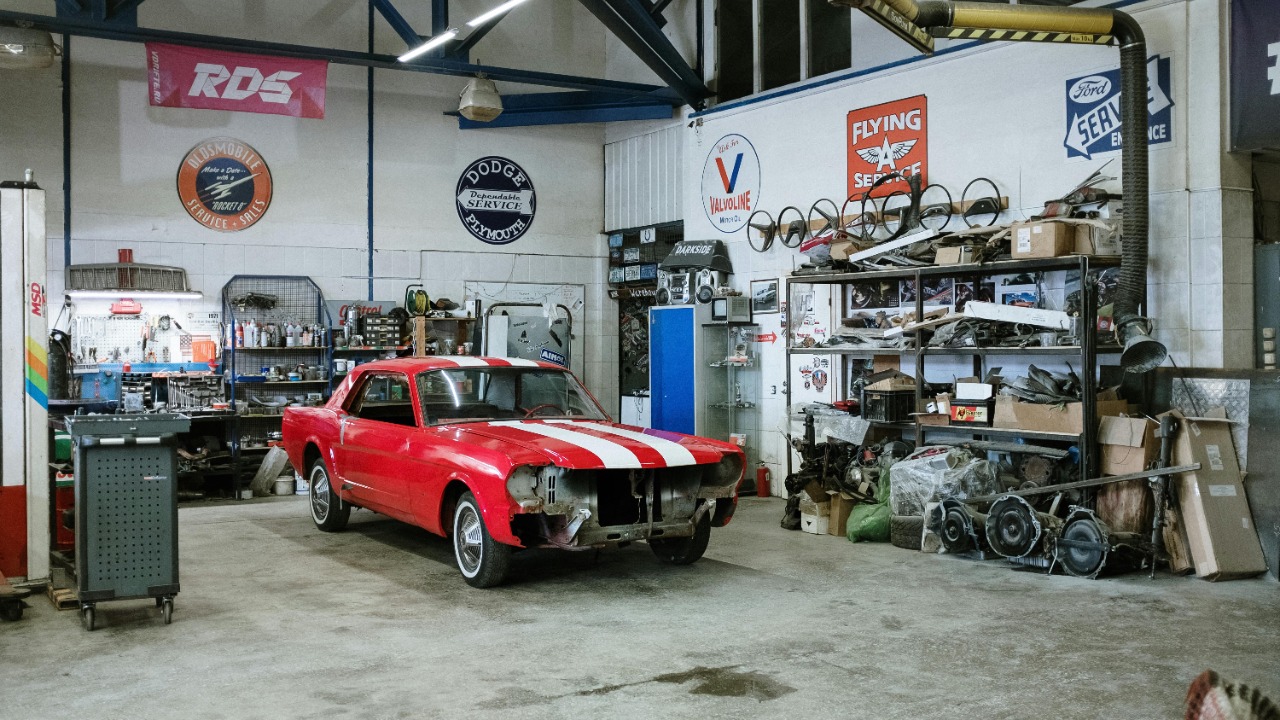
On the flip side, there are inspiring stories of passion projects that transformed into valuable assets. One such example is the 1967 Ford Mustang Fastback; many owners purchased them for personal enjoyment, only to find their value appreciating significantly over time. I’ve spoken with enthusiasts who started with a rusted shell, poured their hearts into restoration, and ended up with a vehicle that not only provided joy but also a significant return on their investment.
Final Considerations: Making the Right Choice
Aligning your investment with your passion is vital for a fulfilling classic car ownership experience. As I navigate my own journey, I’ve found that blending both approaches can yield the most satisfaction. Owning a classic car should be enjoyable, and understanding your motivations can help you make informed decisions that resonate with your values.
To enjoy your car while being savvy, consider setting aside a budget for maintenance and restoration, and engage with the community to stay informed about market trends. Joining clubs, attending shows, or participating in online forums can provide insights that enrich your experience and enhance your decision-making process. Whether you find yourself drawn to investment opportunities or passionate projects, the classic car world offers something for everyone, and exploring both avenues can lead to extraordinary adventures.
More from Fast Lane Only
- Unboxing the WWII Jeep in a Crate
- 15 rare Chevys collectors are quietly buying
- 10 underrated V8s still worth hunting down
- Police notice this before you even roll window down
*Research for this article included AI assistance, with all final content reviewed by human editors.