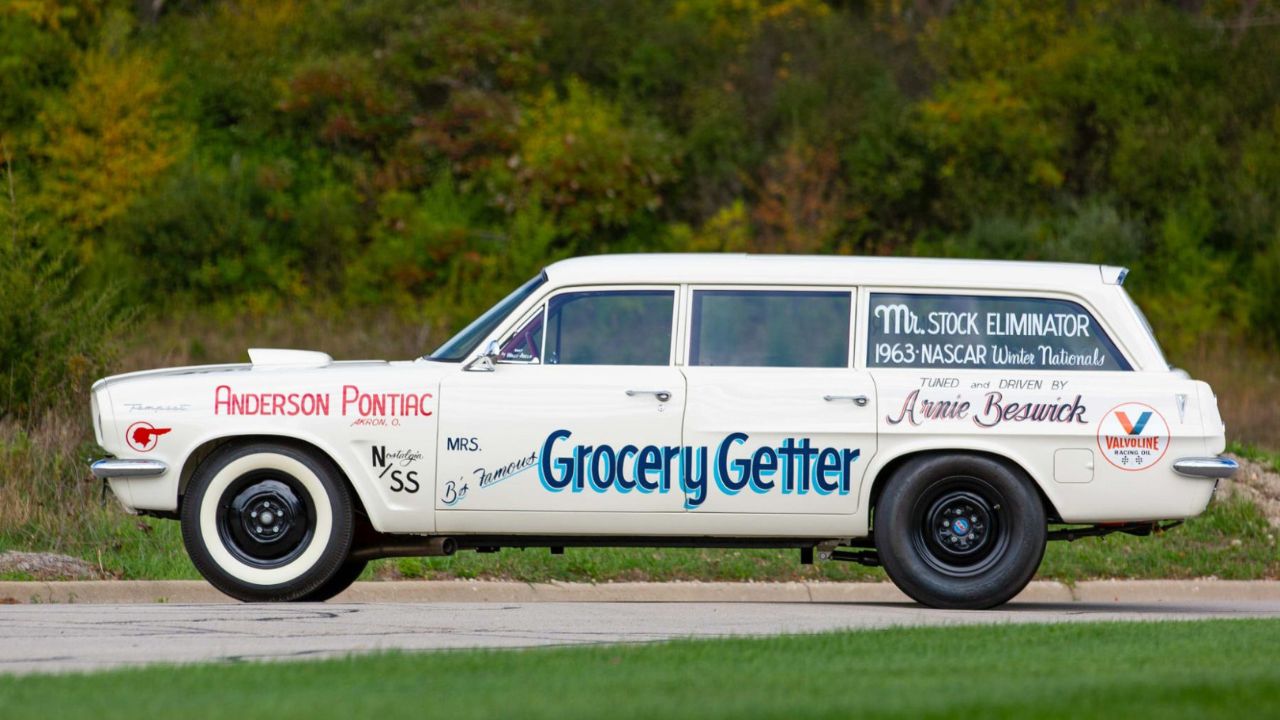
The marriage of power and practicality, classic muscle station wagons with V8 engines, holds a unique place in automotive history. These vehicles offered the muscle car performance of their era, wrapped in a family-friendly body style. Delving into some of the most iconic models, their historical significance, and their enduring appeal among enthusiasts showcases a fascinating chapter in automotive evolution.
The Golden Era of Muscle Station Wagons
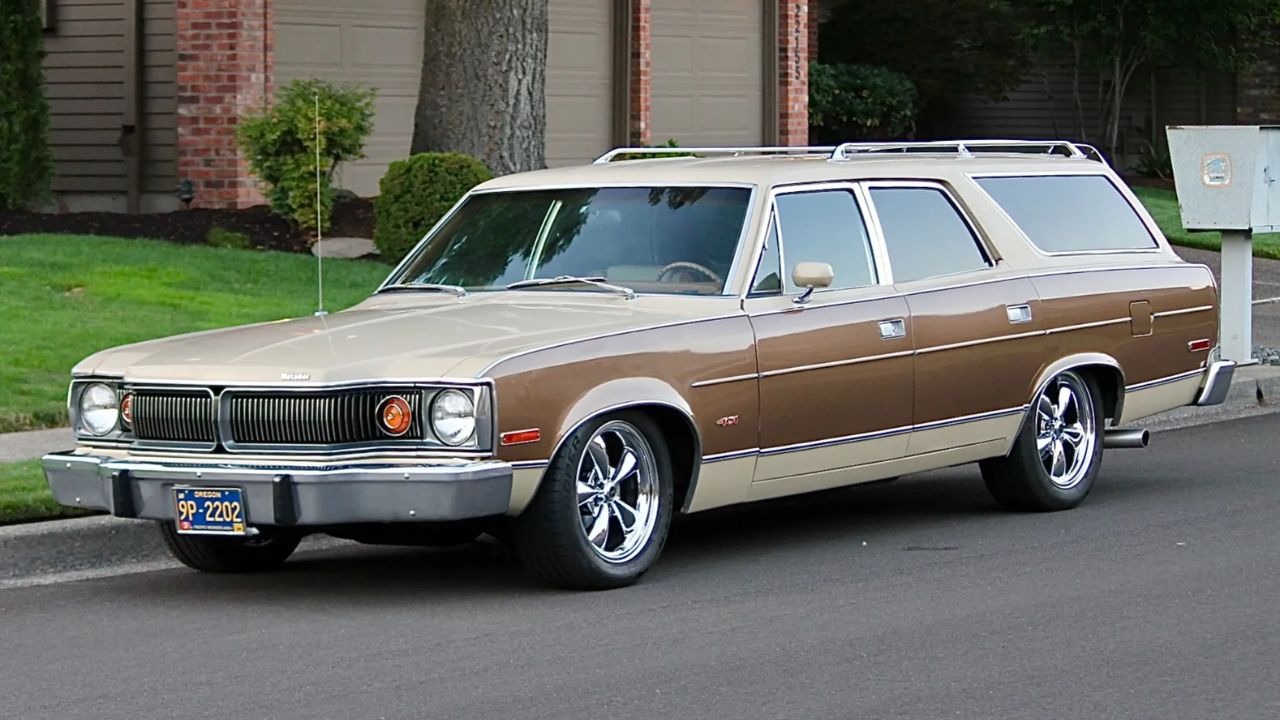
The 1960s and 70s were a transformative period in the automotive industry. During this golden era, American car manufacturers were experimenting with powerful engines and innovative designs, which gave birth to the muscle car. The V8 engine became synonymous with this high-performance segment, offering unprecedented power and speed. As consumers’ needs evolved, so did the versatility of these engines, leading to their integration into station wagons. Station wagons, once seen merely as family haulers, began to adopt muscle car features, marrying practicality with performance. This adaptation didn’t just fill a niche market but created an entirely new segment. With their spacious interiors and robust engines, these vehicles resonated with families who craved performance without sacrificing practicality.
Iconic Models That Defined the Segment
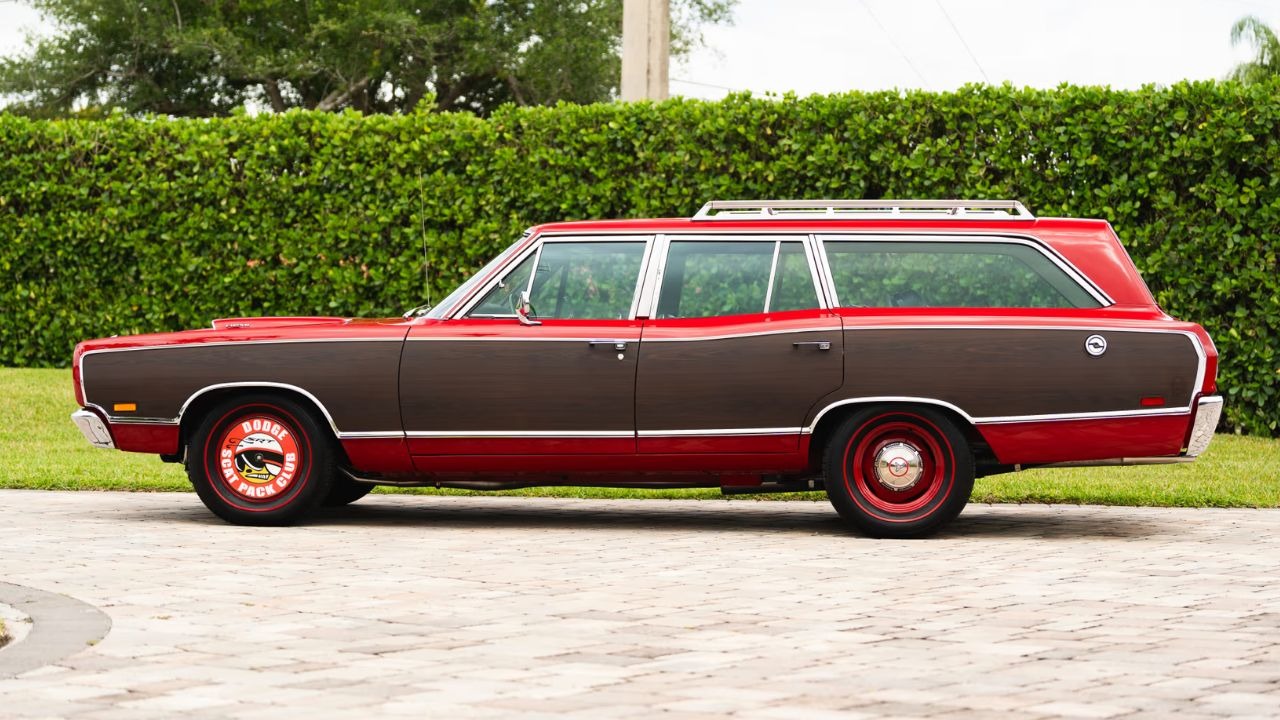
The Dodge Coronet is a standout in the history of muscle station wagons. Known for its impressive power and design, it held a special place in the hearts of car enthusiasts. Its ability to balance muscle car features with the utility of a station wagon made it a pioneer in its category. Chevrolet’s Nomad was another influential model that bridged the gap between style and speed. With its sleek design and powerful engine, the Nomad captured the imagination of those who wanted more than just a family car. Ford also made significant contributions with models like the Torino and Fairlane, which offered strong performances and captured the spirit of the muscle car era.
Technical Marvels: The V8 Engines
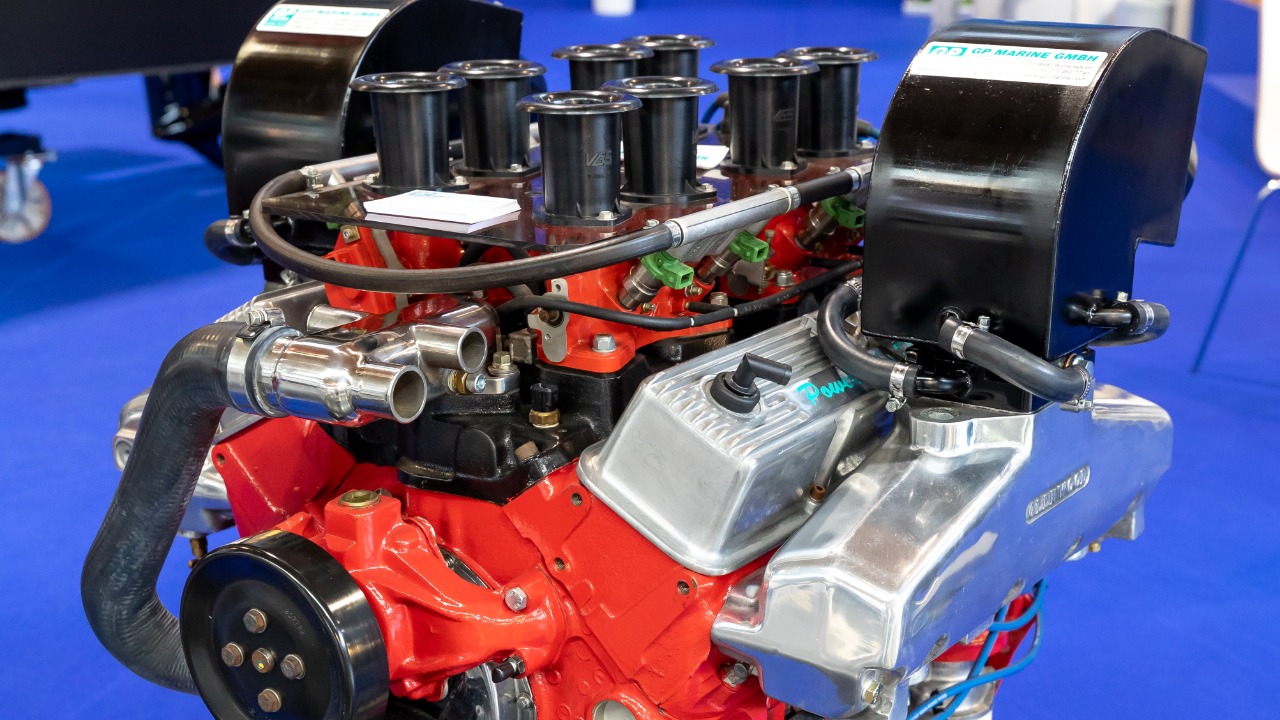
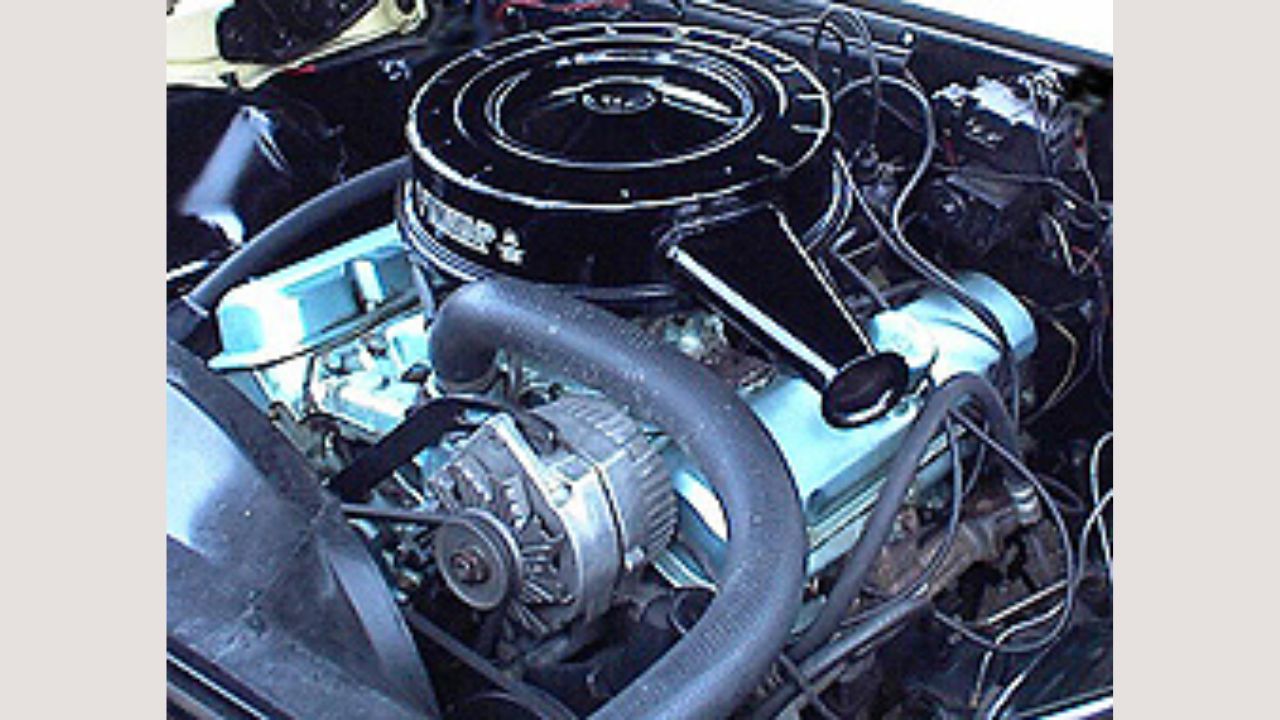
The evolution of the V8 engine during the muscle car era was marked by numerous innovations. These engines were not just about raw power; they introduced advanced engineering that enhanced both performance and efficiency. Manufacturers focused on increasing horsepower while maintaining reliability, which was essential for vehicles intended for family use. Performance specifications of these wagons set them apart from other cars on the road. They featured high torque, rapid acceleration, and a satisfying engine roar that appealed to many drivers. Innovations in engine design, such as improved fuel delivery and exhaust systems, played a crucial role in maximizing the power output of these vehicles.
Cultural Impact and Popularity
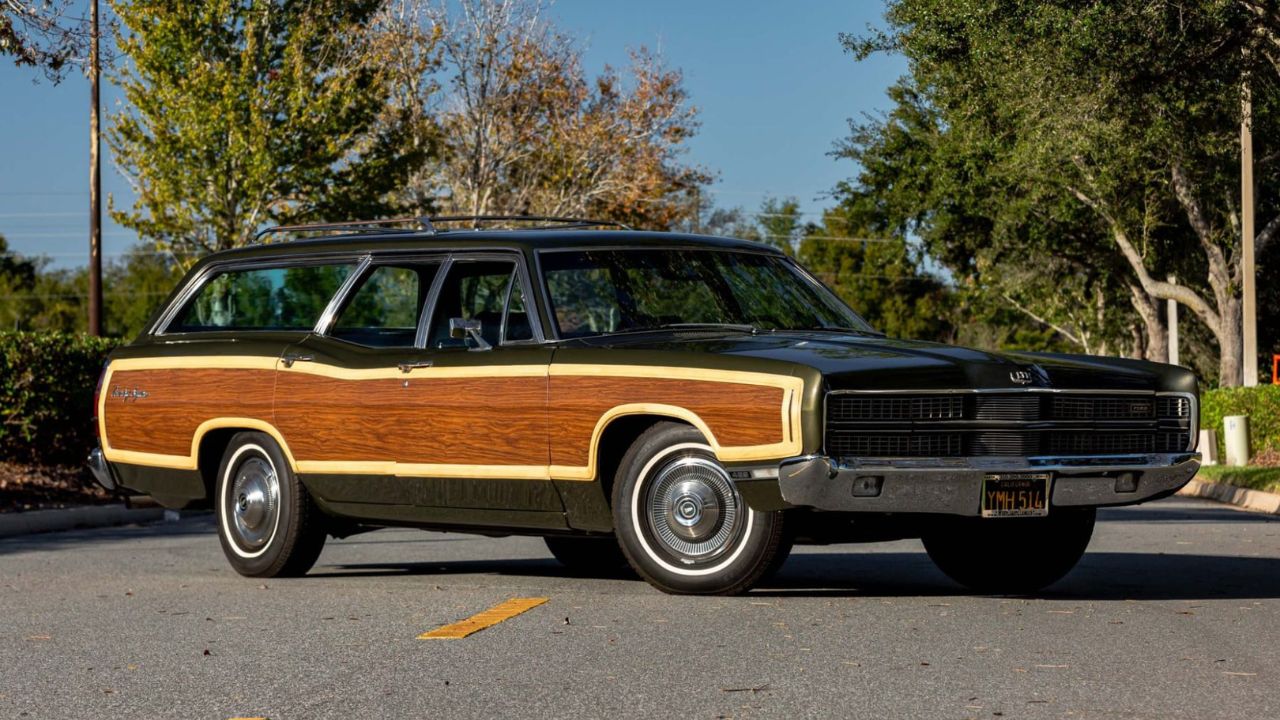
Muscle wagons played a significant role in American pop culture and media, often featured in films and television shows as symbols of power and rebellion. Their unique blend of utility and performance made them especially appealing to a diverse audience. Today, these vehicles are highly collectible, with a thriving enthusiast community dedicated to preserving their legacy. Stories and anecdotes from owners and collectors reveal the deep passion and connection people have with these cars. Many enthusiasts share tales of restoration projects and the joy of driving these classic machines. The community around muscle wagons continues to grow, fueled by a shared love for these remarkable vehicles.
Challenges and Competition

During their peak, muscle station wagons faced stiff competition from other car segments, such as luxury sedans and emerging compact cars. These segments offered different advantages, leading manufacturers to innovate and adapt their designs to stay competitive. Economic pressures and regulatory changes also posed significant challenges, forcing the industry to rethink its approach to high-performance vehicles. As new automotive trends emerged, including a focus on fuel efficiency and environmental concerns, muscle wagons either adapted to these changes or faced decline. The shift in consumer preferences and regulatory landscapes gradually led to the phasing out of these powerful family vehicles.
The Legacy of Muscle Station Wagons
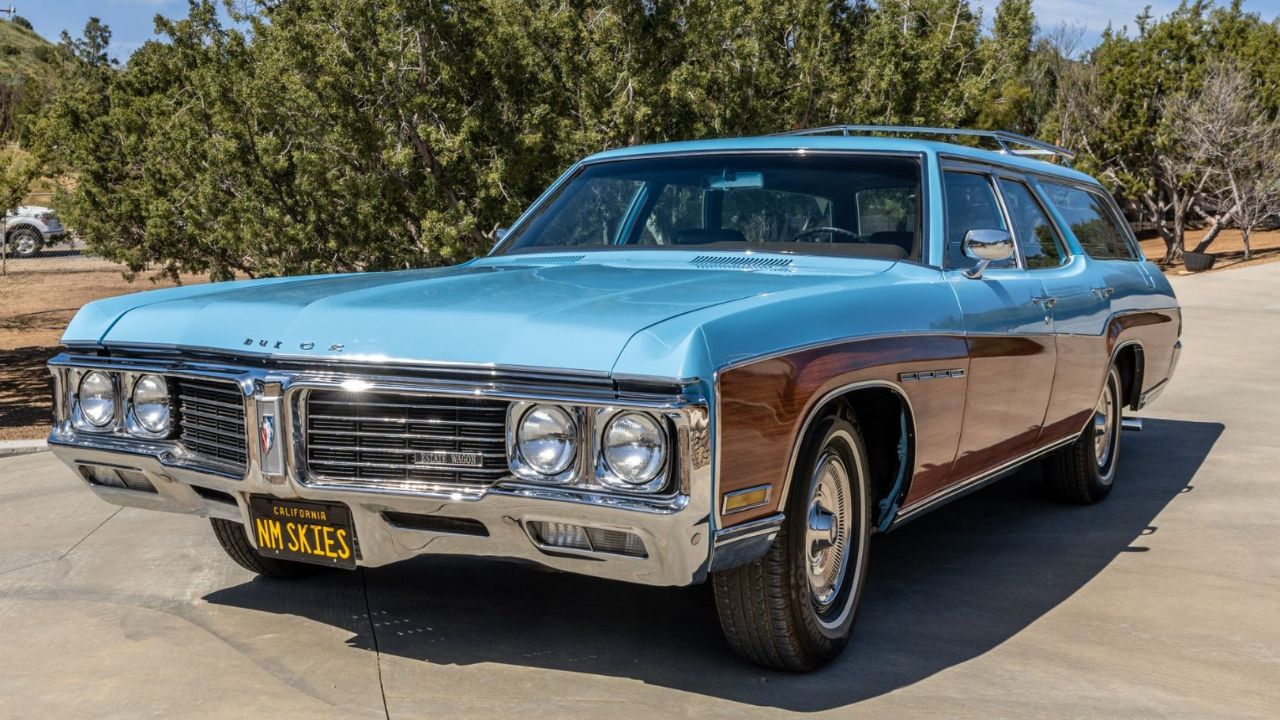
The influence of muscle station wagons can still be seen in modern car design, particularly in the resurgence of powerful family vehicles. Many automakers draw inspiration from the past, incorporating powerful engines and retro styling cues into their new models. This legacy continues to shape the industry, with a renewed interest in blending performance with practicality. Efforts to preserve and restore classic muscle wagons are ongoing within the classic car community. Enthusiasts are dedicated to maintaining the authenticity and performance of these vehicles, ensuring their history is not forgotten. Looking to the future, there is ongoing speculation about whether muscle wagons might make a comeback, fueled by nostalgia and a desire for power-infused practicality.
Like Fast Lane Only’s content? Be sure to follow us.
Here’s more from us:
*Created with AI assistance and editor review.