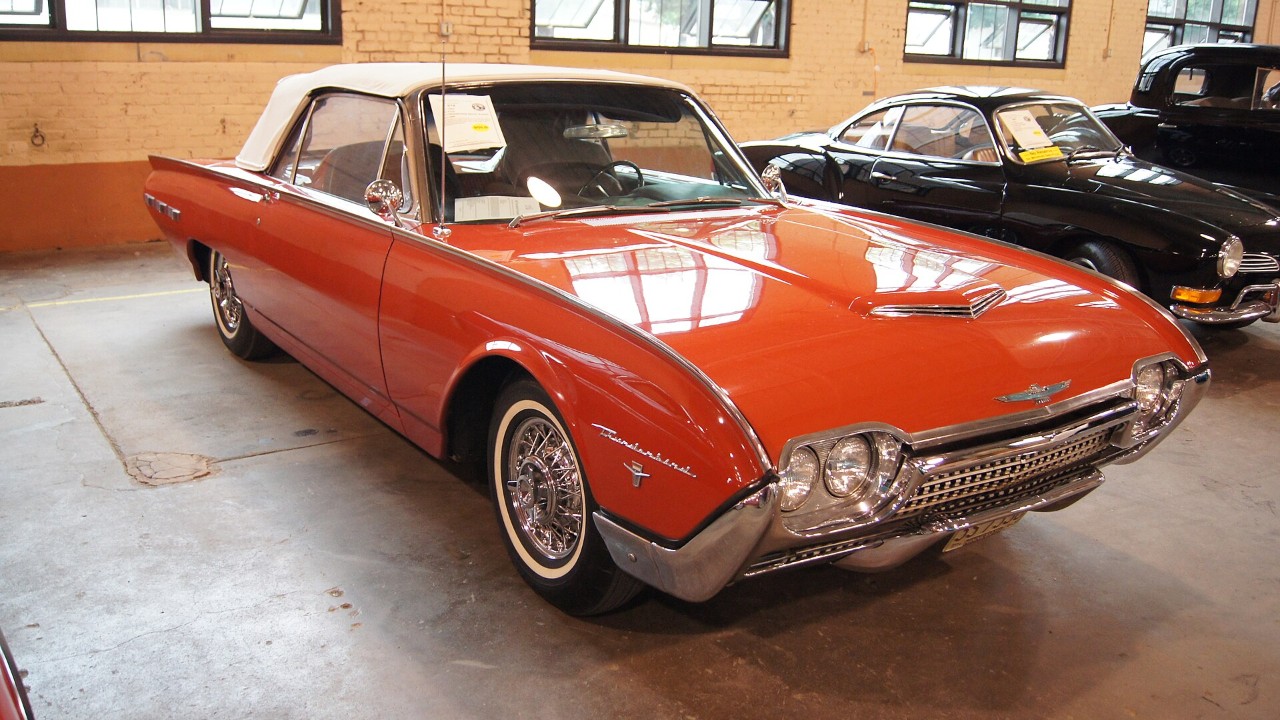
The Ford Thunderbird Sports Roadster hid its back seat under a fiberglass tonneau cover, and Ford built only 1,427 of them for 1962. From across a parking lot, it looks like any other big Thunderbird convertible with a few extras. Up close, those extras are the whole story.
Many classic convertibles work the same way. A body style that looks simple can hide special trim, one-year parts or unusual engineering that the regular models never shared. Low production makes it worse, because donor cars and spare panels are hard to come by. A project that seems straightforward can quickly turn into a long search.
These six are our picks, the convertibles we think are harder to restore than they look. That verdict is our opinion. However, the production totals, features and prices come from auction records, model histories and marque references, and each entry ends with our advice if you are thinking of buying one.
1. 1953 Cadillac Series 62 Eldorado convertible
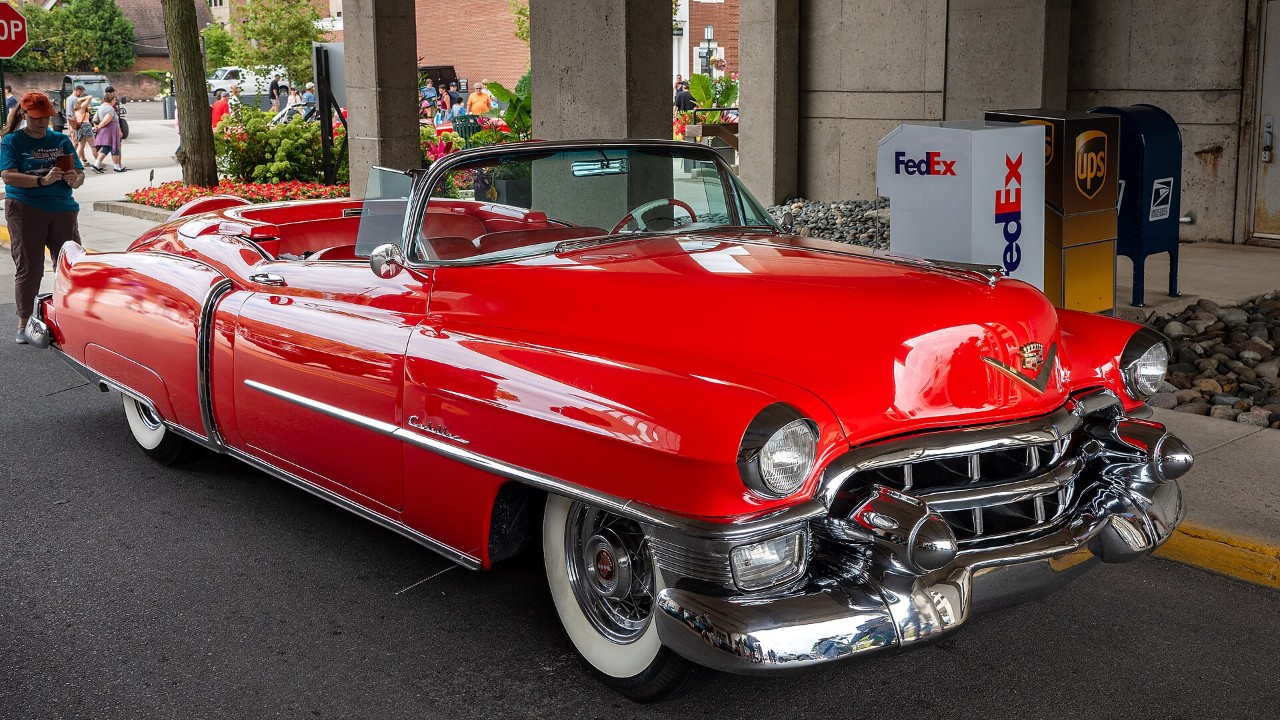
The first Eldorado was a special-bodied convertible, and Cadillac built only 532 of them. That was just 0.5% of the brand’s 1953 sales. It cost $7,750, nearly twice the price of Packard’s Caribbean convertible.
Cadillac gave it a wraparound windshield and a cut-down beltline, with a dip in the sheet metal at the bottom of the side windows. A hard tonneau cover sat flush with the rear deck to hide the folded top. Wire wheels were a $325 option. Then, for 1954, the Eldorado lost its unique sheet metal and shared its body with standard Cadillacs. As a result, sales nearly quadrupled to 2,150.
In our view, that one-year body is exactly what makes the 1953 car so tricky. You cannot borrow its special panels from a regular Series 62 or even from a 1954 Eldorado. The cut-down beltline and the flush hard tonneau belong to that one-year body, and only 532 were ever made. Our advice: before you buy, confirm that the body panels, windshield and tonneau are the correct 1953 Eldorado parts. We covered the car’s wider impact in why the 1953 Cadillac Eldorado changed luxury expectations.
2. 1954 Kaiser Darrin 161
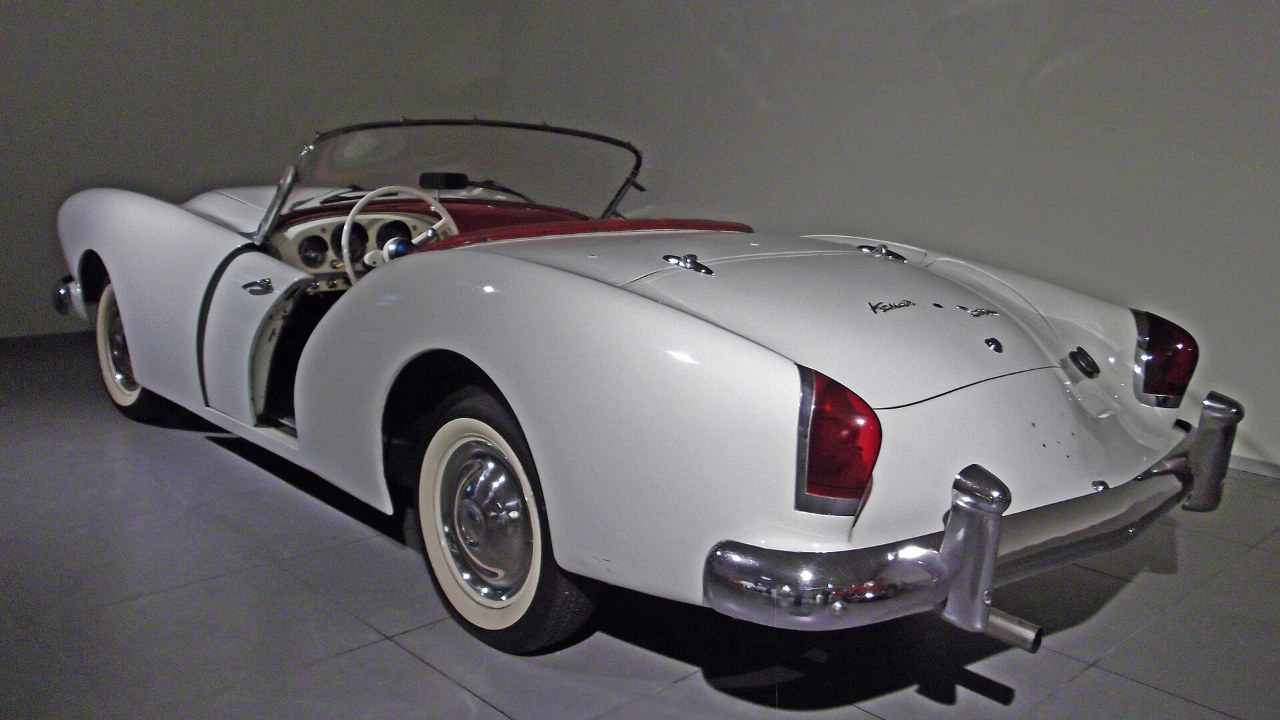
Howard “Dutch” Darrin held a 1946 patent on sliding doors, and the Kaiser Darrin used them. The doors ran on tracks and slid forward into the front fenders. The body was fiberglass. Kaiser first contracted Glasspar for the bodies, but it built most of the 435 production cars in-house, plus six prototypes.
Power came from a 161-cubic-inch Willys F-head six rated at 90 horsepower. The car also had a three-position landau top. It cost $3,668 at launch. According to Dan Jedlicka’s profile of the Darrin, most of the 435 cars reportedly survive, since many lived in California. He also cites values of $51,000 in good condition and $91,800 in excellent condition.
Our take: the Darrin looks like a simple little roadster, but nothing on it is ordinary. Fiberglass repair, door tracks and an unusual top all call for specialist work. Even the history is messy, since Darrin himself bought about 50 snow-damaged leftover cars and sold them from his Hollywood showroom. Our advice: test the sliding doors through their full travel and have a fiberglass specialist inspect the body before you commit. We also wrote about how the 1954 Darrin’s doors slid into the fenders.
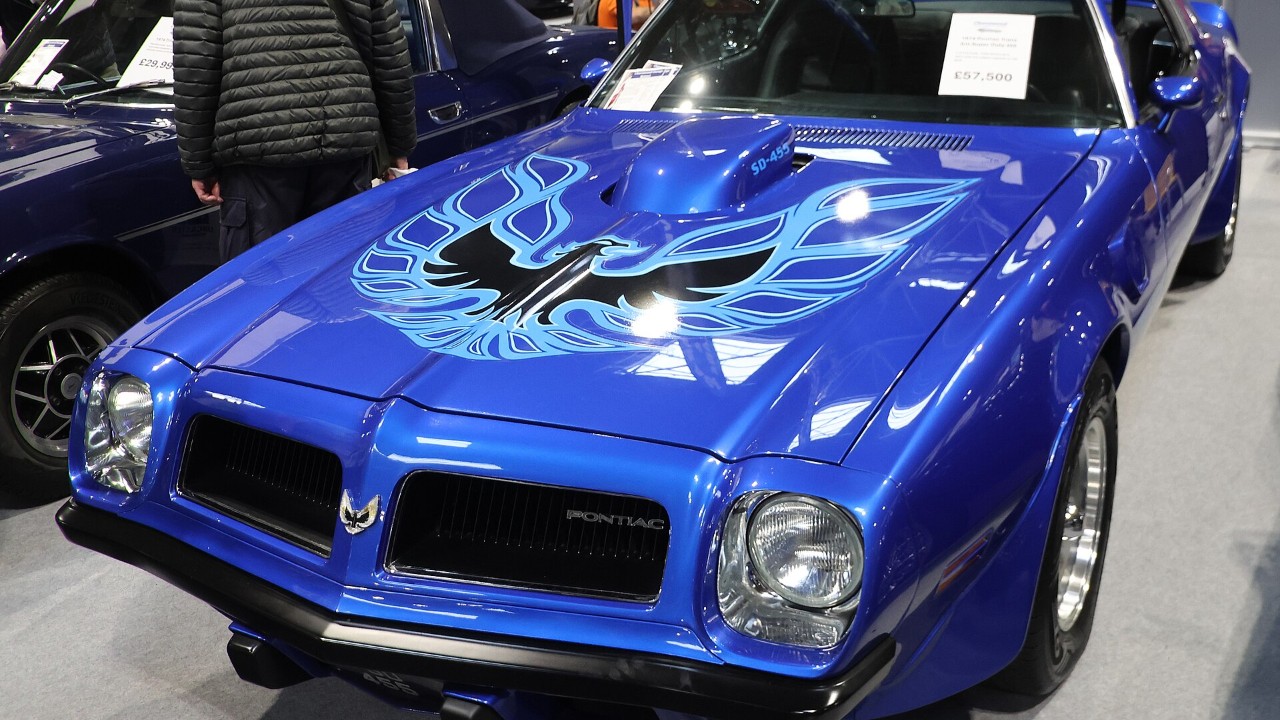
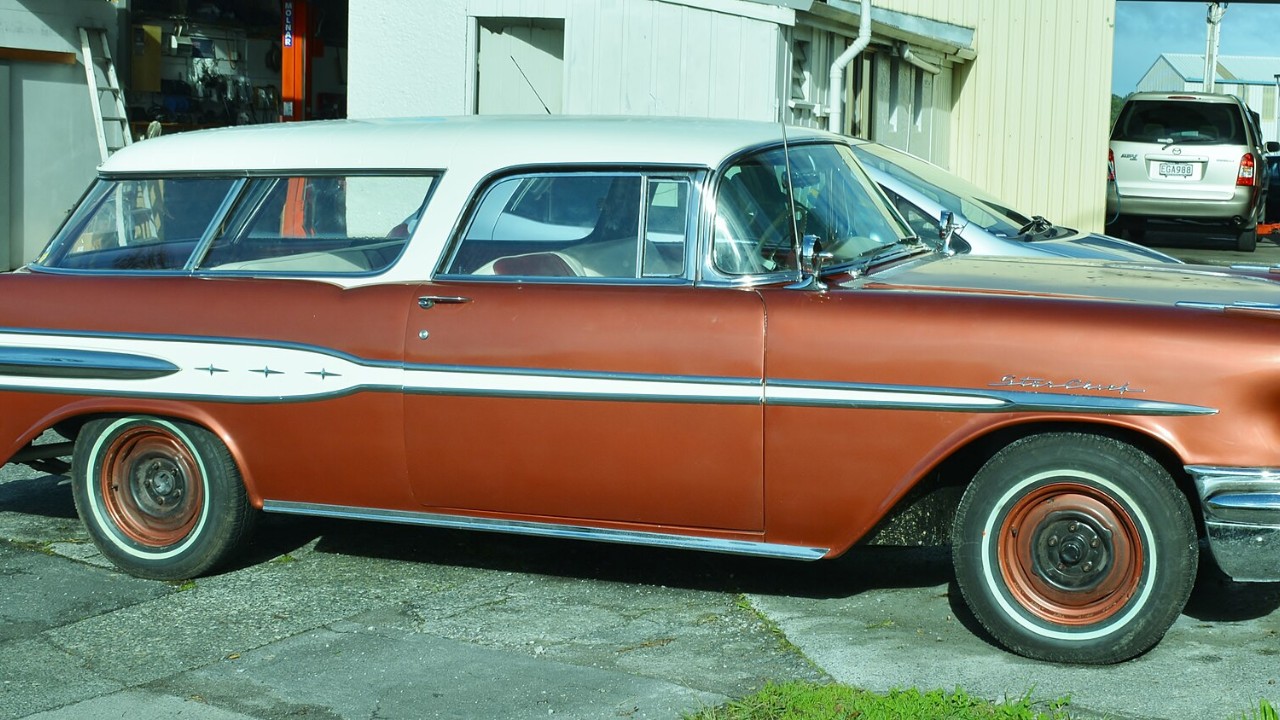
3. 1957 Pontiac Bonneville convertible
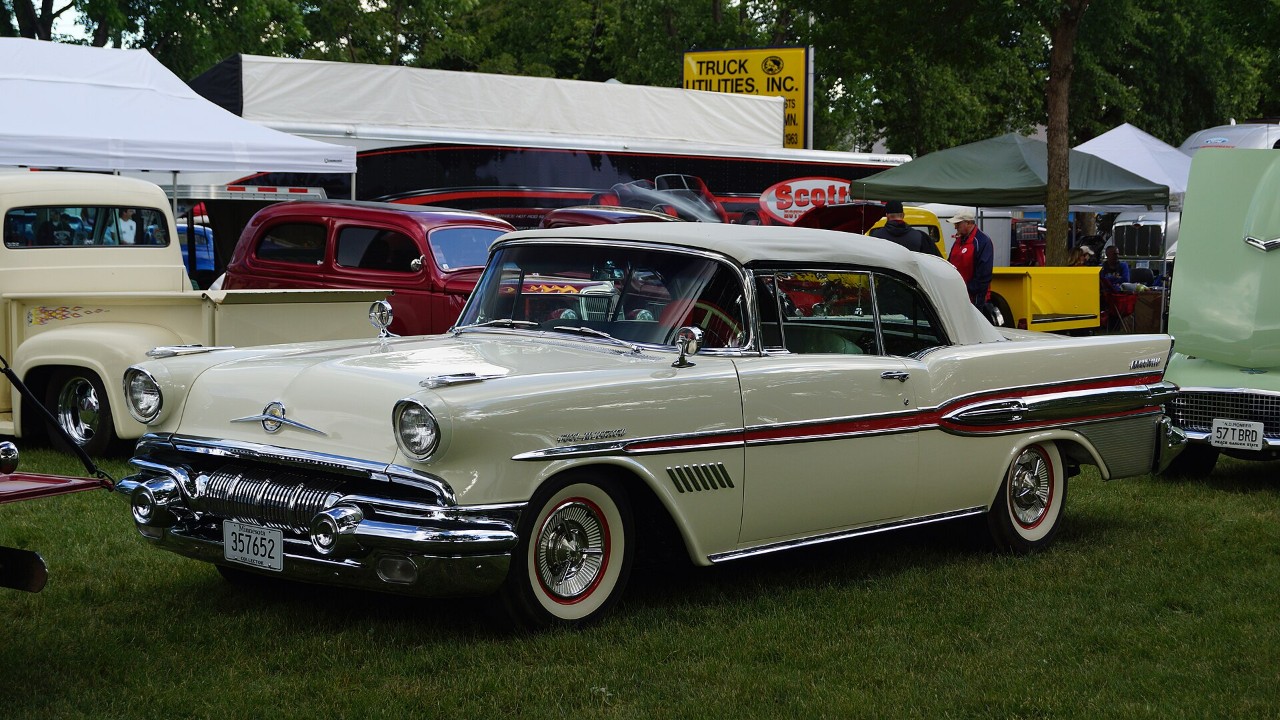
The first Bonneville was a limited-production convertible, and Pontiac built just 630 for 1957. Every one of them was fuel-injected. Pontiac never released an official power rating, saying only that the engine made more than 300 horsepower.
The car came loaded. Leather upholstery, a power front seat, power windows, power steering, power brakes and a power top were all standard. Only air conditioning and a continental kit stayed off the list. That equipment pushed the price to $5,782, more than double the Chieftain it was based on. For 1958, the Bonneville became a separate model with both a hardtop and a convertible.
In our view, the 1957 car is harder to restore than any regular Pontiac convertible from that year, for two reasons. First, every one of those 630 cars carried fuel injection, so a correct car needs a complete, working system. Second, nearly every power accessory on the car has to work for a correct restoration. That adds up to a long list of rare parts. Our advice: confirm that the fuel injection system is present and original before you price the car. A Bonneville that has lost it is a very different project.
4. 1960 Mercury Park Lane convertible
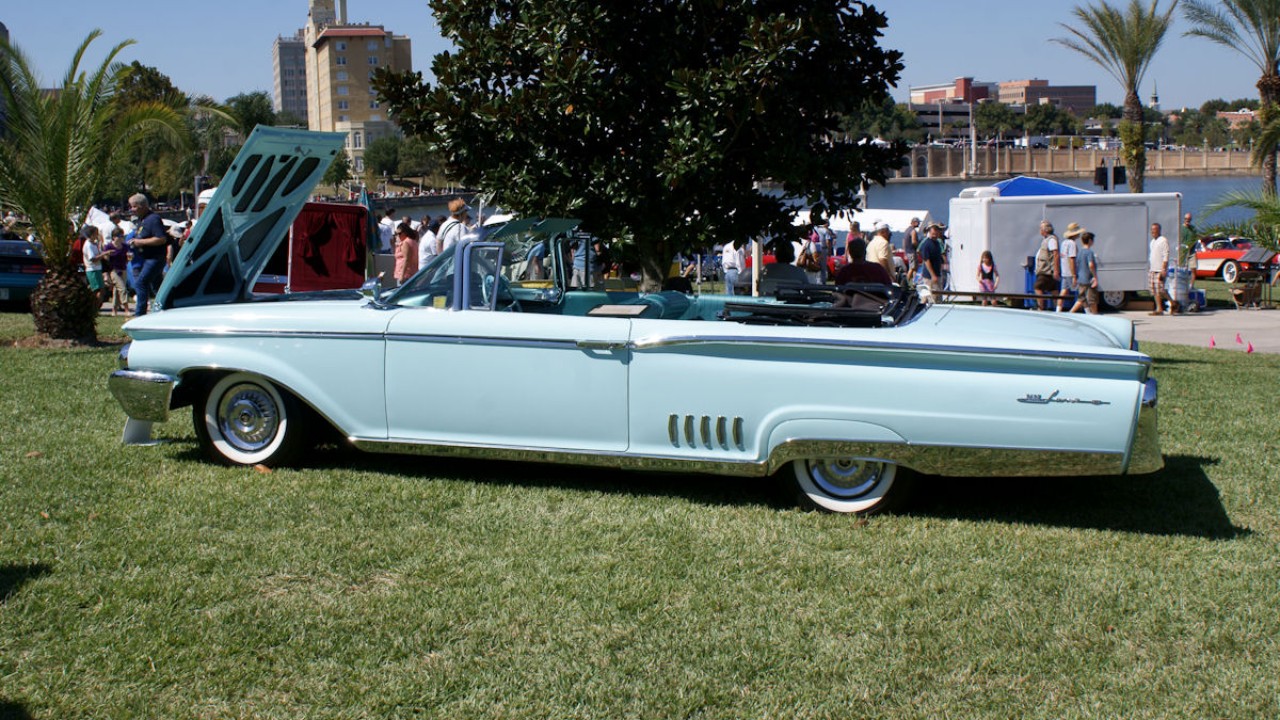
The Park Lane was a full-size Mercury line, and for 1960 its rarest body was the convertible. Mercury built 1,525 of them that year. An RM Sotheby’s catalog entry for a 1960 Park Lane convertible lists a 430-cubic-inch V8 rated at 310 horsepower, paired with the Multi-Drive Merc-O-Matic automatic.
That RM car also shows how much equipment a correct one carries. It had factory air conditioning, power steering, brakes, windows and front seat, plus the Panoramic Skylight windshield, which RM calls Mercury’s largest ever at the time. Harbor Auto Restoration completed the car in 2008, and it later won IMOA National Best of Show in 2008 and 2015. RM Sotheby’s then sold it for $86,900 at its Auburn Fall sale in 2017.
Our take: big Mercurys from this era look like simple cruisers, yet the 1960 Park Lane convertible comes from a small run in the last year of the first-generation line. Mercury also dropped the Park Lane name for 1961, which shortened its life even more. In our view, that award-winning result shows what a full, correct job takes. Our advice: check the huge windshield glass and the power accessories first, because those are the parts you least want to hunt for.
5. 1962 Ford Thunderbird Sports Roadster
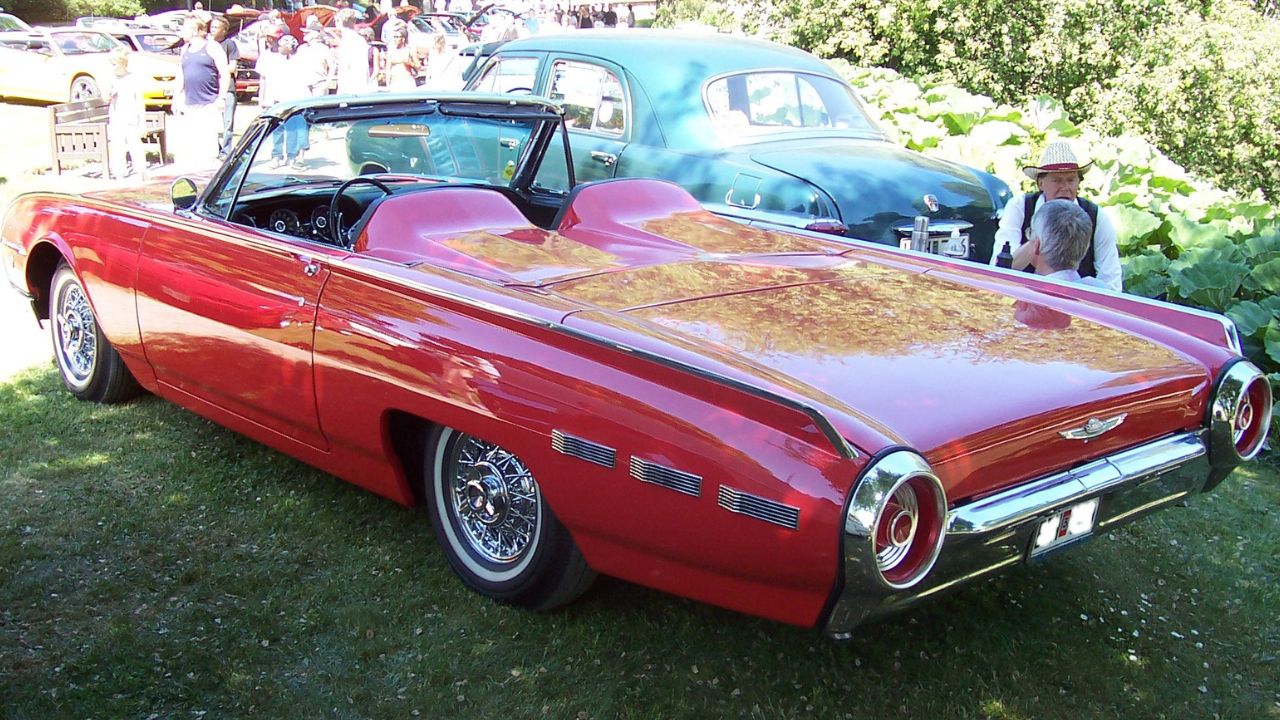
Ford sold the Sports Roadster as a limited-production version of the Thunderbird convertible. It added 48-spoke Kelsey-Hayes wire wheels, front fender badges, a passenger grab bar and the fiberglass tonneau that covered the back seat. Ford built 1,427 for 1962, and 120 of those had the M-code 390 with three two-barrel carburetors.
Sales then dropped sharply. For 1963, only 455 Sports Roadsters sold. Meanwhile, the special wheels came with their own early troubles. Early cars suffered from problems related to the specially designed wire wheels, and Ford made its fix after a Kelsey-Hayes wheel collapsed during hard turning in an accident involving Elvis Presley.
In our view, the Thunderbird Sports Roadster is a classic case of a car whose value lives in its add-ons. Take away the tonneau, the badges and the wire wheels, and you have a standard convertible. Put the wrong versions back, and serious buyers will notice. Our advice: verify the tonneau, the grab bar and the wire wheels before anything else, and ask for proof on any car sold as an M-code. A real 1962 Thunderbird Sports Roadster with all its parts is a rare find.
6. 1967 Chrysler 300 convertible
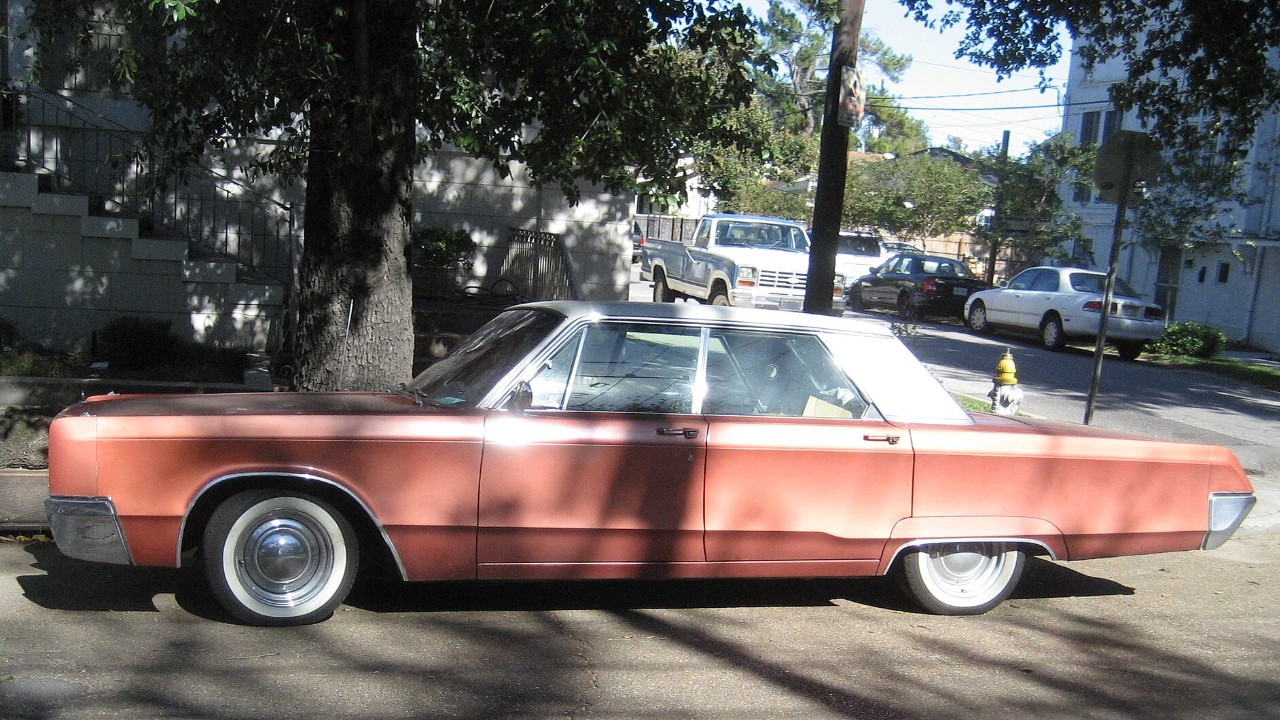
Chrysler’s non-letter 300 line had offered a convertible since the Sport Series arrived in 1962. For 1967, the car got an extensive makeover front and rear. The 440 V8 was the only engine, offered in base form or as the stronger TNT.
Chrysler built only 1,594 of the 1967 300 convertibles, according to an RM Sotheby’s catalog entry for a Scorch Red 1967 300 convertible. That car had bucket seats, air conditioning, power steering and power brakes. RM Sotheby’s sold it for $14,850 at its Auburn Fall sale in 2020.
Our take: the 1967 Chrysler 300 convertible is the opposite problem from the Eldorado. Going by that RM result, it is not hugely valuable, yet it is still a big, low-volume convertible with its own 1967 styling. That combination makes a full restoration hard to justify on paper. In our view, the trap is starting a project on a rough car and running out of budget halfway through. Our advice: buy the most complete, best-preserved example you can find, rather than the cheapest one. That $14,850 result in 2020 shows how little room there is for a big restoration bill.
More from Fast Lane Only