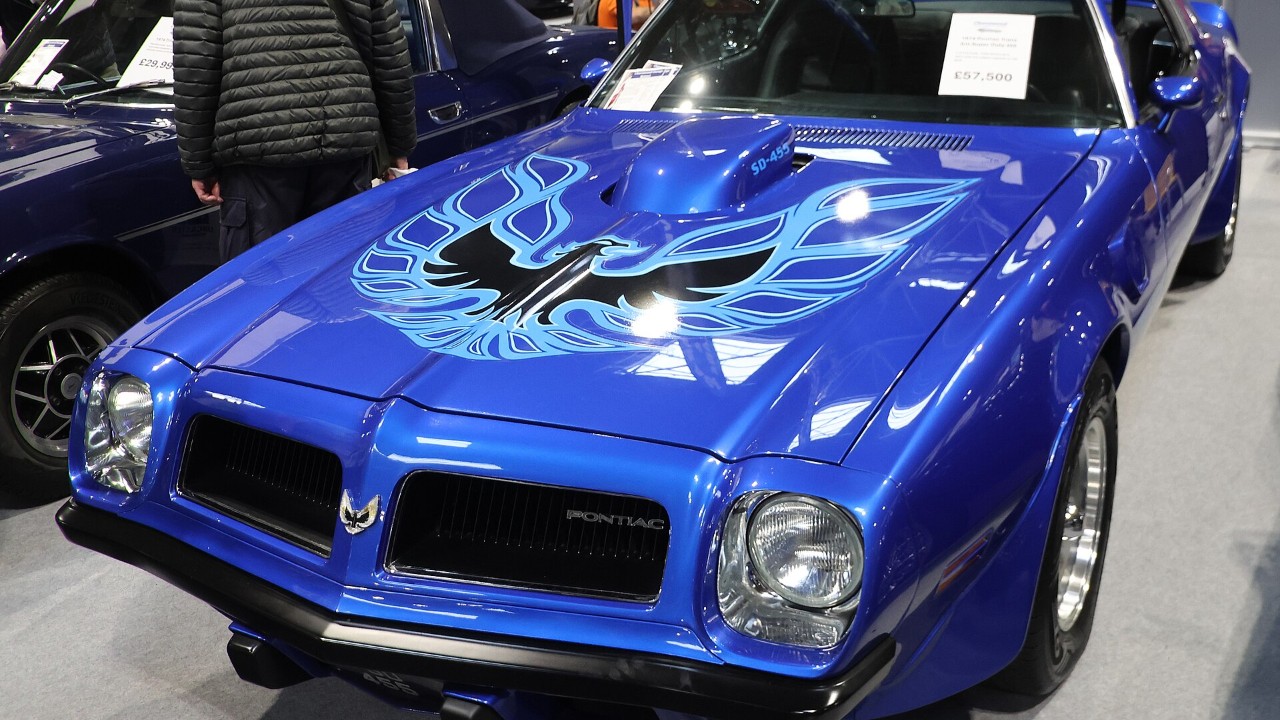
The 1973 Trans Am SD-455 carried forged rods, forged pistons and a nitrided crankshaft at a time when emissions rules were choking almost every big engine in Detroit. Pontiac built it anyway, and then, after two model years, the program was gone. In our view, every muscle car fan should know one on sight.
That is the thread running through this list. Some of these cars found nearly 3,000 buyers, like the 1971 GTX. Others, like the 67 Hemi Charger 500s, are far rarer. Still, each one tells a piece of the muscle era’s story, from dealer loopholes to strike-year near misses.
These nine are our picks, the muscle cars we think every fan should recognize, along with the stories that make them worth knowing. The choices are our opinion. However, the engines, ratings and build counts come from period records, auction houses and marque histories, and we only quote a number where a source we checked gives it.
1. 1969 Chevrolet Chevelle COPO 9562
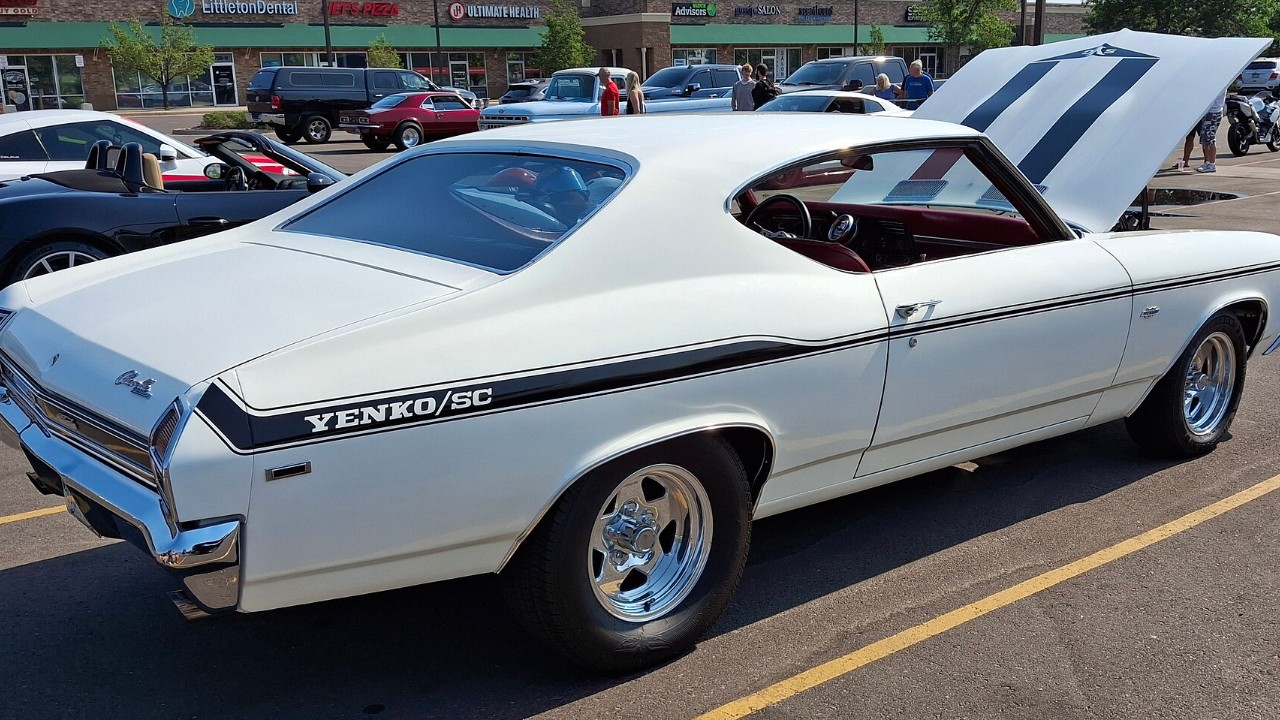
Chevrolet did not set out to sell a 427 Chevelle in 1969. Instead, a Pennsylvania dealer found a back door. Don Yenko, a Chevrolet dealer and former Corvette racer, used Chevrolet’s Central Office Production Order system to request Chevelles with the L72 427.
That engine made 425 horsepower at 5,600 rpm and 460 lb-ft of torque. The usual estimate is about 323 Chevelle hardtops built with it. Of those, a confirmed 99 went through Yenko Chevrolet in Canonsburg, and other dealers sold the rest.
Our take: this car feels like a loophole that got out of hand. The COPO route let a dealer deliver a car the regular order guide did not list. In other words, the factory built it without really selling it. If you want the fuller story of how the order system worked, we covered how the 1969 Chevrolet Chevelle COPO became a legend. We think it earns the top slot here, because every fan should know the dealer loophole behind it.
2. 1971 Plymouth GTX 440 Six Pack
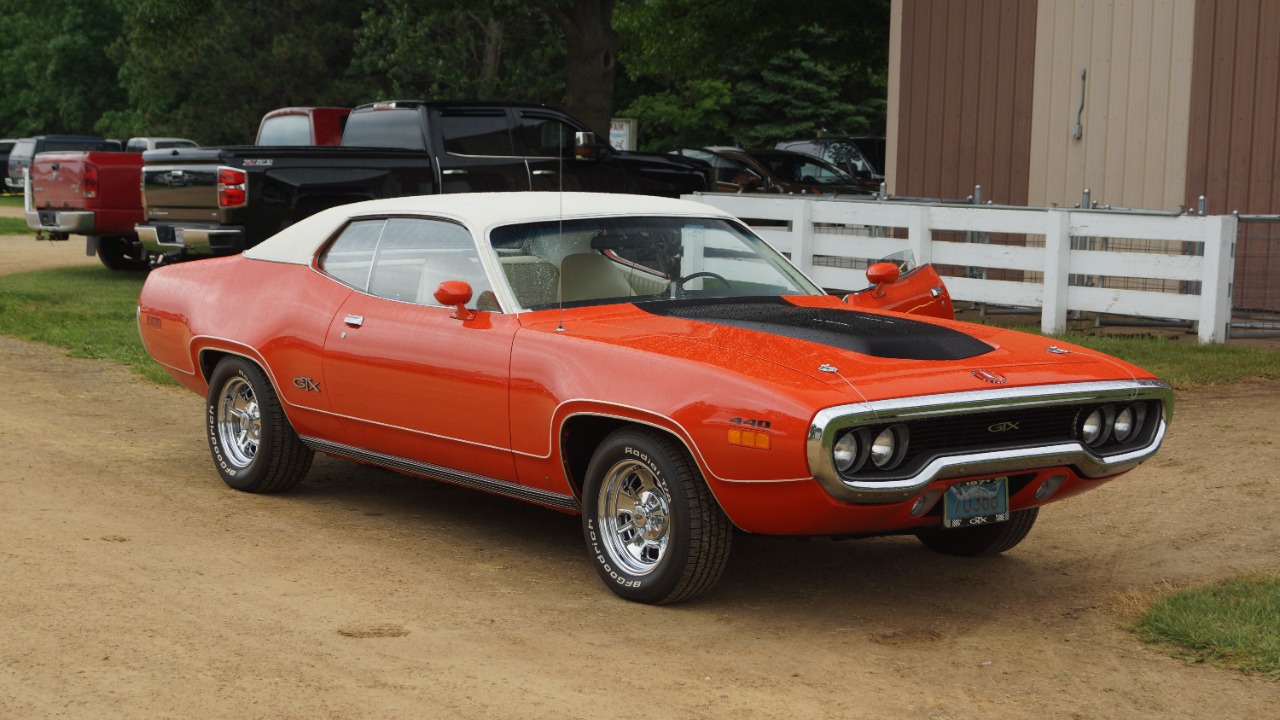
Plymouth launched the GTX for 1967 as a gentleman’s muscle car, a dressier sibling to the budget Road Runner. By 1971, though, the market around it had changed fast. Lower compression and faster-acting chokes, both forced by emissions rules, cut the base 440 to 370 horsepower.
The three-carburetor 440 Six Pack held on at 385 horsepower, while the Hemi stayed at 425. Meanwhile, rising insurance rates hit sales hard. Plymouth sold just 2,942 GTX cars for 1971, and only 30 had the Hemi. That was the last year for the GTX as its own model. From 1972, a Road Runner with the 440 simply wore the GTX name.
In our view, the 1971 car is the moment the plan stopped adding up. Plymouth still offered a triple-carb big-block in a plush coupe, yet fewer than 3,000 buyers signed up. As a result, the six-barrel GTX feels like a car that arrived one year after its moment. We would happily take the Six Pack version for its sound alone. To us, it is the GTX every Mopar fan should know.
3. Dodge Charger 500
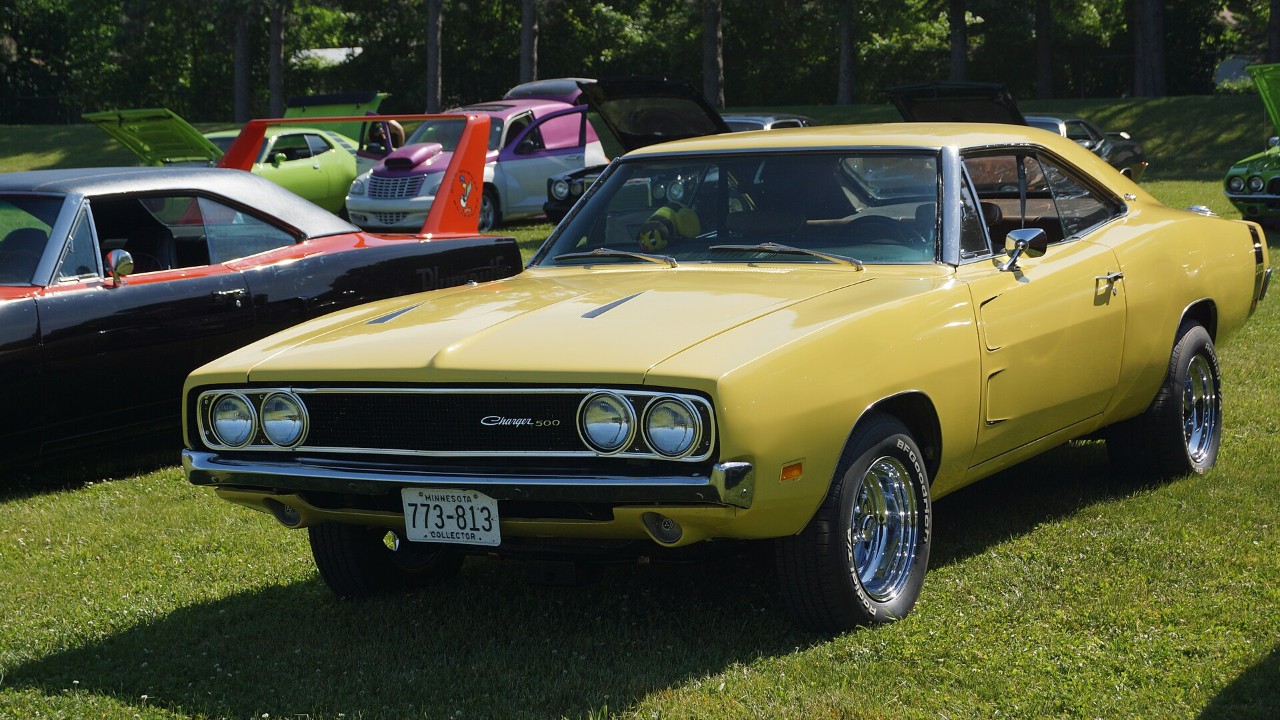
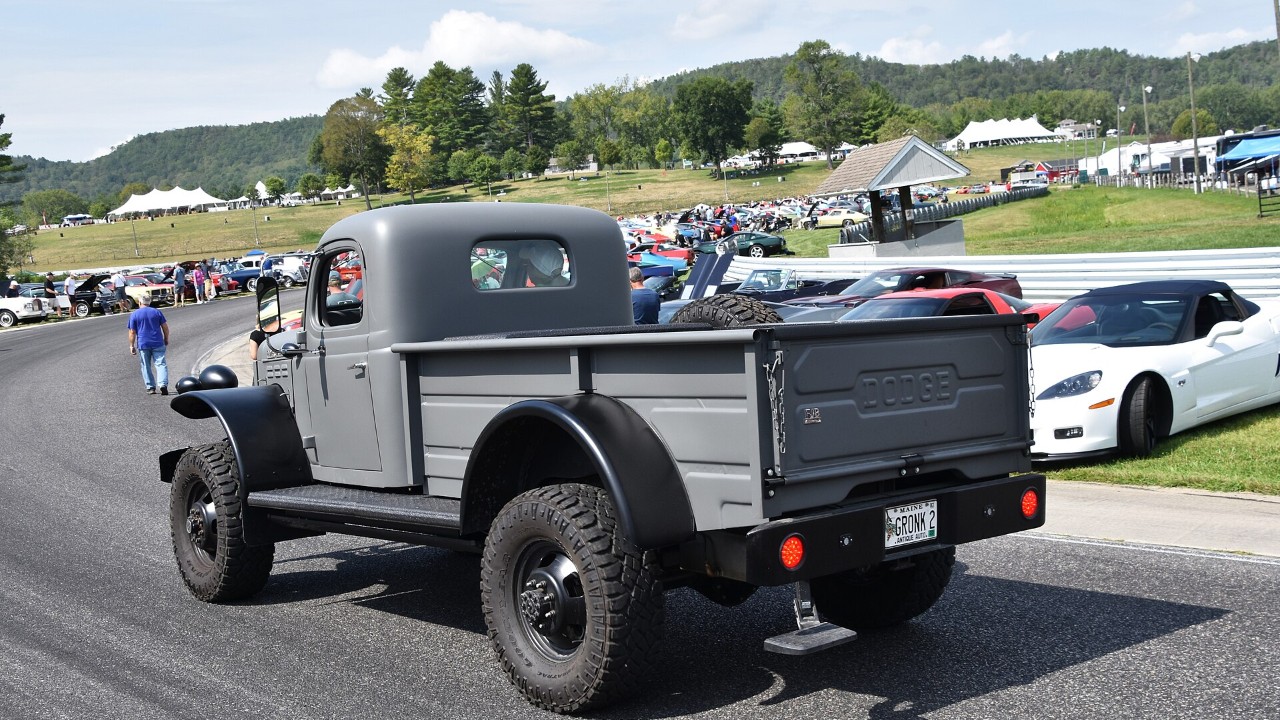
The Charger 500 began as a wind-tunnel fix. Dodge found that the standard Charger’s tunneled rear window created lift and its deep grille opening created drag. So for the 500, it made the rear glass flush with the roof and fitted a 1968 Coronet grille up front. Dodge introduced the car in September 1968.
Dodge built 392 Charger 500s in total, and only 67 of them had the 426 Hemi. The 440 Magnum was the standard engine, although factory literature listed the Hemi as standard. On the track, however, the car still could not beat the aero Fords and Mercurys on the fastest ovals.
Our take: the Charger 500 was a short bridge to something stranger. Its racing results disappointed Dodge, and that disappointment led straight to the nose cone and towering wing of the Charger Daytona. That is why the 500 rarely gets its due. We like it because it shows the first, more subtle answer to a problem the factory soon solved with a much louder one. A flush-window 500 still looks clean and purposeful to us.
4. 1967 Chevrolet Corvette L89
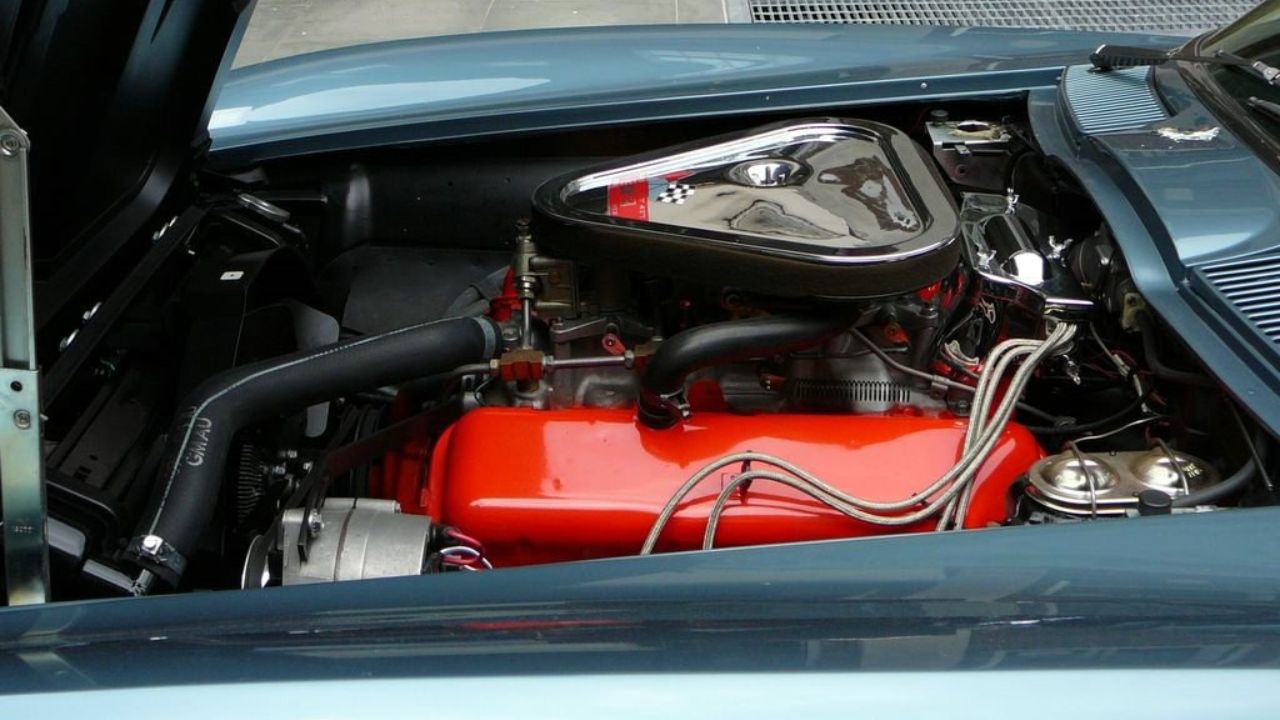
The L89 was an option you ordered on top of another option. First, you checked the box for the L71, the 427 with three two-barrel carburetors. Then the L89 swapped its cast-iron cylinder heads for aluminum ones. According to CorvSport’s history of the 1967 L89, Chevrolet built just 16 of them that year.
On paper, the aluminum heads added nothing. GM rated the L89 at 435 horsepower, the same as the iron-head L71. The real gain was weight, roughly 75 pounds off the nose of the car. For a sense of where Chevrolet was heading, the even wilder L88 went to only 20 buyers in 1967, with the heater and defroster deleted to discourage street use.
In our view, the L89 is the Corvette option every fan should know by name, even though few will ever see one. A 16-car run says plenty. It also arrived in the final year of the second-generation Sting Ray, so it never had time to catch on. We would take one for the paperwork alone, because almost nobody ordered it.
5. 1973 Pontiac Trans Am SD-455
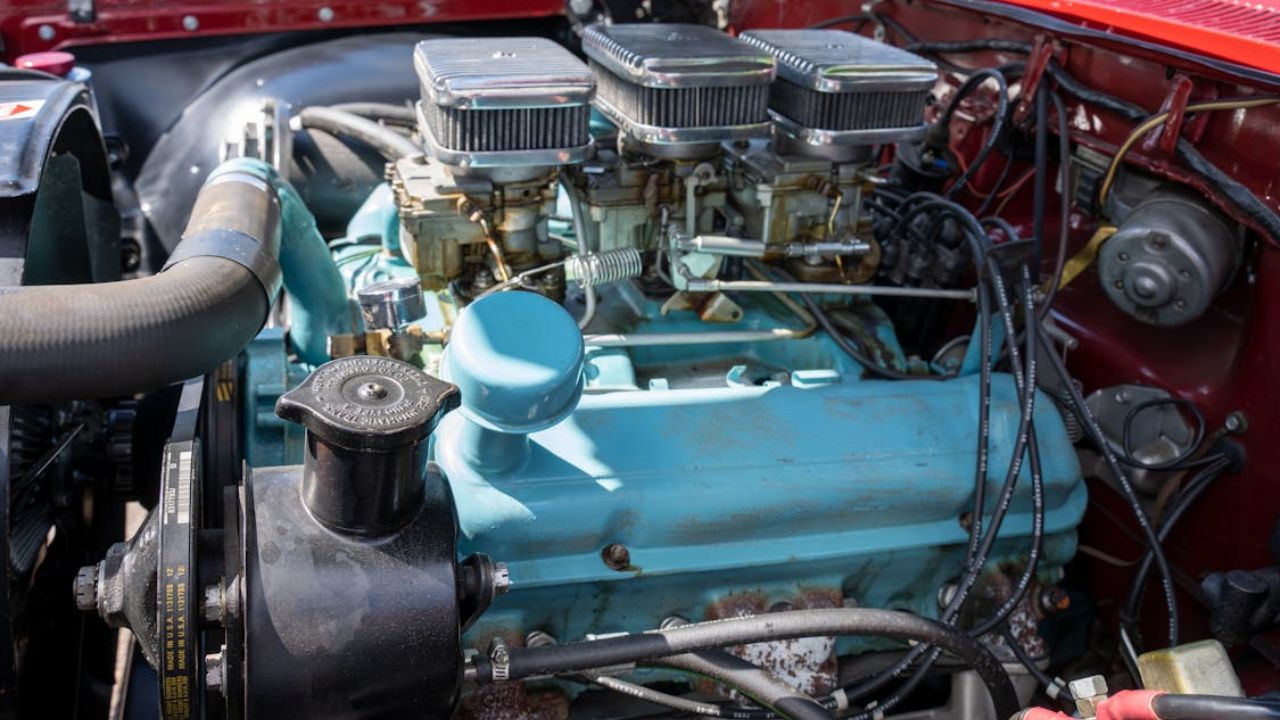
Pontiac’s Super Duty 455 arrived just as most performance engines were shrinking. Hagerty’s profile of the Trans Am and Formula SD-455 lists the hardware: a reinforced block, a nitrided crankshaft, forged pistons, forged rods and new oval-port heads, all at 8.4:1 compression.
Early magazine features quoted 310 net horsepower. Production cars, however, came in at 290 net after camshaft changes made for emissions. A new EGR system also delayed the program until late in the 1973 model year. In the end, Pontiac built 1,296 SD-455 Firebirds across 1973 and 1974, and 101 of them were Formulas.
Our take: this Trans Am SD-455 is the late-era Pontiac every fan should recognize. Pontiac poured real engineering into it when the rules said stop, and then the Super Duty disappeared for 1975. Hagerty also notes that the option cost more than $500 extra. That price, plus the timing, explains the short run. We think it is the bravest engine on this list. If you want more on the second year, we looked at why the 1974 Trans Am 455 SD remains one of the last true muscle cars.
6. 1970 Plymouth ‘Cuda 440 Six Barrel
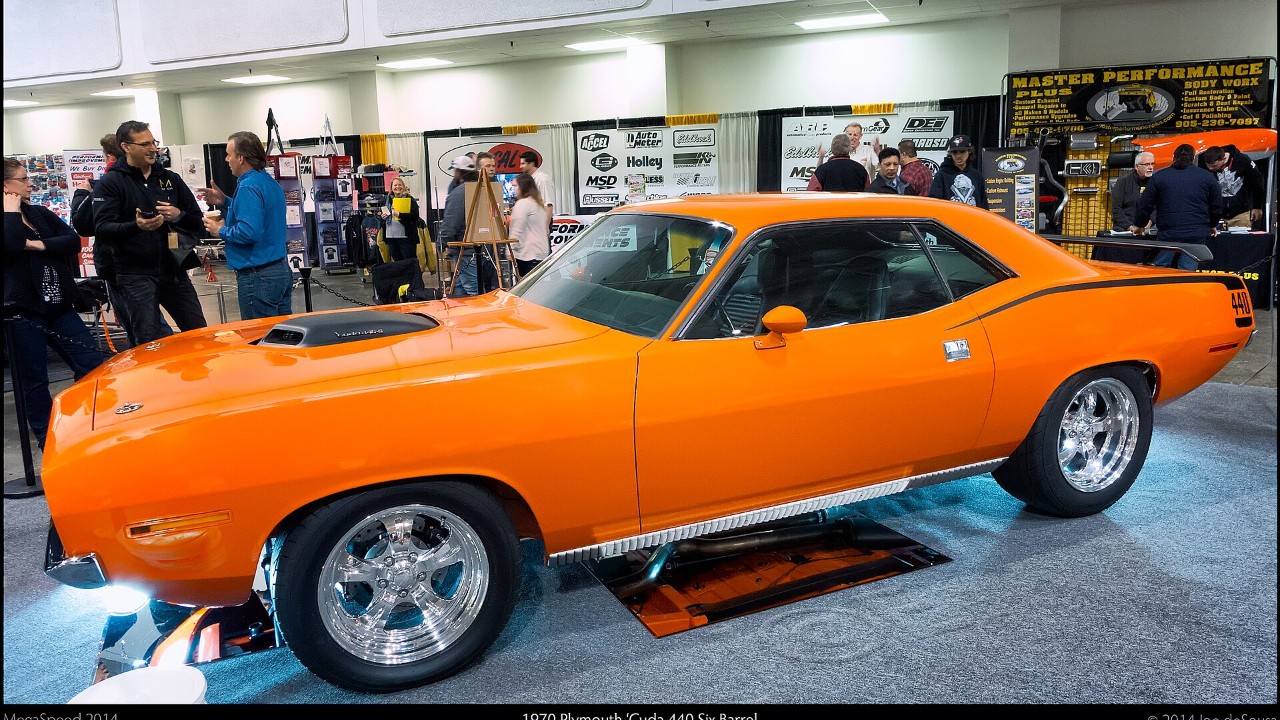
The 1970 ‘Cuda rode on Chrysler’s new E-body, a shorter and wider version of the B platform. That extra width finally let Plymouth fit its biggest engines in the pony car. Buyers could pick a 375-horsepower 440 four-barrel, the 425-horsepower Hemi or the 440 Six Barrel.
The Six Barrel used three two-barrel carburetors and carried a gross rating of 390 horsepower. Plymouth also offered the shaker hood with it, so the scoop rocked with the engine. For 1971 the triple-carb 440 slipped to 385 horsepower. By 1972, Plymouth had dropped big-block engines from the Barracuda entirely, and the list ended at a revised 340.
In our view, the Six Barrel ‘Cuda is the sensible-sounding choice that was never sensible. It skipped the Hemi’s fuss and kept the big-block punch. Even so, Plymouth kept it for only two seasons. That short run is why we think fans should know it. We would take one over a Hemi car, because it gives you most of the drama for a lot less fuss.
7. 1972 Pontiac Firebird Formula 455 HO

The Formula was the Firebird for buyers who wanted Trans Am muscle without the stripes and spoilers. For 1972, Pontiac kept the LS5 455 HO on its option list. Pontiac also advertised the engine as detuned to 300 horsepower. In fact, the engine itself was unchanged from 1971.
That was the year GM moved to SAE net ratings, so the lower number partly reflected new math rather than less hardware. Meanwhile, the factory nearly lost the whole car. During a 1972 strike, GM came close to dropping the Firebird and its Camaro sibling altogether.
Our take: the Formula 455 HO is a muscle car hiding in a cleaner suit. It had the same big engine as the flashier Trans Am, yet most people walked past it. We like it for exactly that reason. Still, fans should know it, because the whole F-body program nearly ended under it that year. A sleeper that almost got cancelled out from under its owners is an easy pick for us.
8. 1966 Dodge Coronet 500 Street Hemi
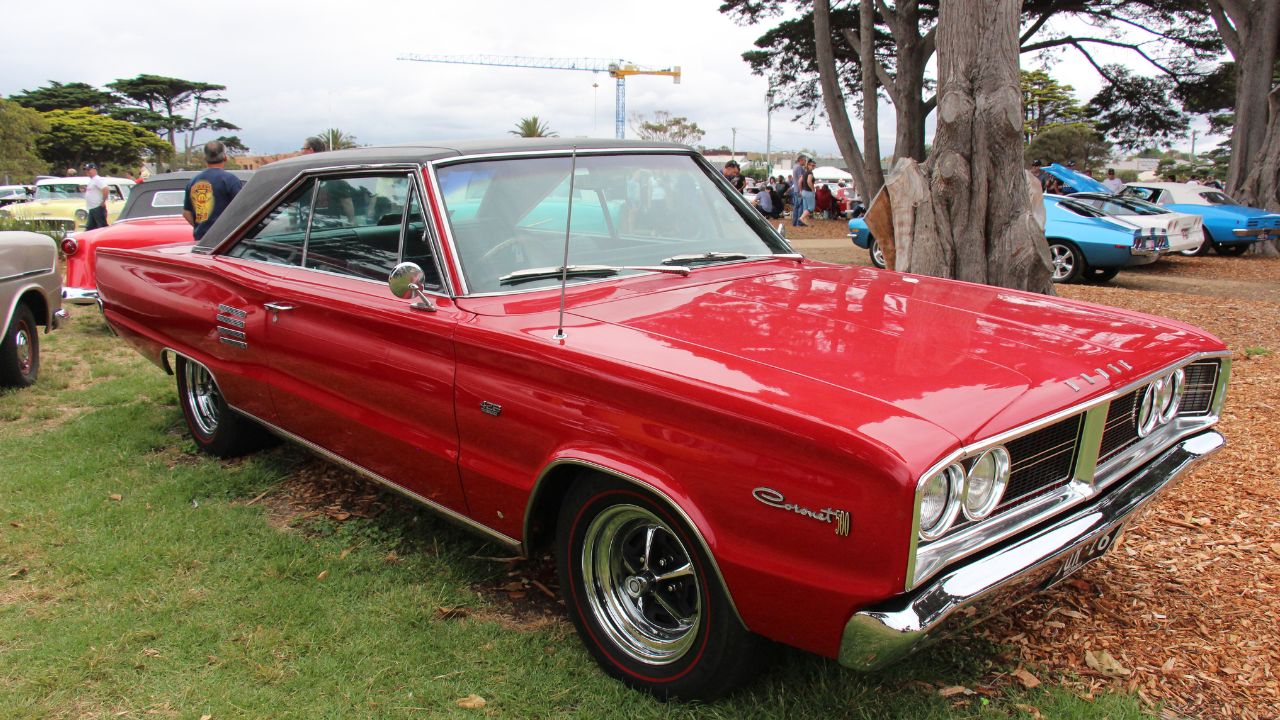
Dodge redesigned the Coronet for 1966, and buyers could order it with the street version of the 426 Hemi. An RM Sotheby’s catalog entry for a 1966 Coronet 500 Hemi hardtop lists the engine at 425 horsepower with dual Carter four-barrel carburetors.
Dodge built a total of 136 Coronet 500 Street Hemis for 1966. That RM car was one of 135 Coronet 500 hardtops built with the Hemi and the TorqueFlite automatic for U.S. sale that year. Then, for 1967, Chrysler decided the Hemi belonged only in its badged muscle cars, such as the Coronet R/T.
Our take: a Hemi in a family-friendly Coronet 500 feels like an engine that outgrew its home. The factory seems to have agreed, because it moved the Hemi into dedicated performance models a year later. That is why we think fans should know the 1966 car. A bucket-seat Coronet with race-bred hardware under the hood is a rare kind of contradiction. RM Sotheby’s sold that hardtop for $51,700 in Arizona in 2017.
9. 1972 Pontiac Firebird Trans Am 455 HO
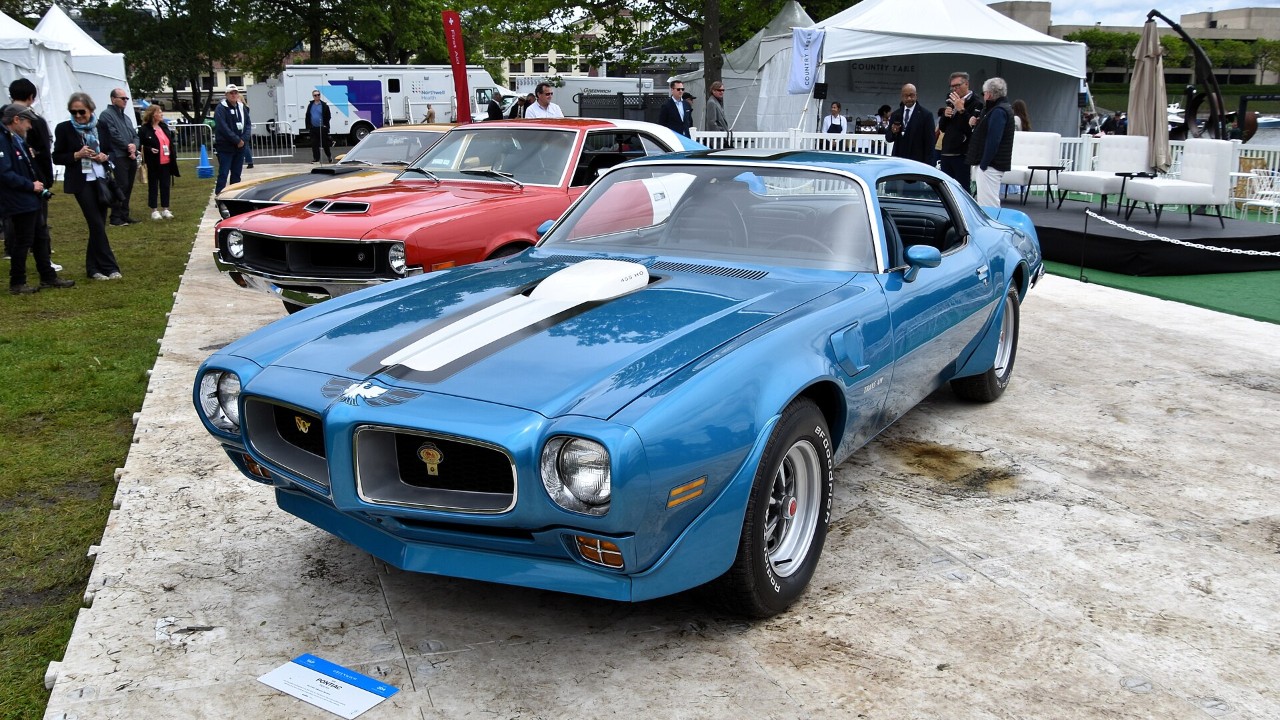
On the 1972 Trans Am, the 455 HO was not an option. It was the standard engine, so every Trans Am that year carried it. By comparison, the Formula buyer had to ask for it. That made the Trans Am the one Firebird where the big engine came with the badge, the spoilers and the attitude.
Production tells the story of a hard year. Pontiac built just 1,286 Trans Ams for 1972. During a strike that year, GM nearly dropped the Firebird and the Camaro together. Even so, the Trans Am kept the same 455 HO hardware as 1971, although Pontiac now quoted the lower 300-horsepower figure.
In our view, the 1972 Trans Am shows how close a great car came to vanishing. Pontiac had a strong engine and a strong image, yet labor trouble and new rules almost wiped out the line. As a result, it belongs on any fan’s must-know list. We would take one in a heartbeat. Few cars sum up the factory’s mixed feelings about performance better than this one.
That is our nine. Each one tells a different part of the muscle car story, from dealer loopholes to the last big-cube Pontiacs. If the 1972 car is your favorite, our look at why the 1972 Trans Am 455 HO became a rare performance icon goes deeper.
More from Fast Lane Only