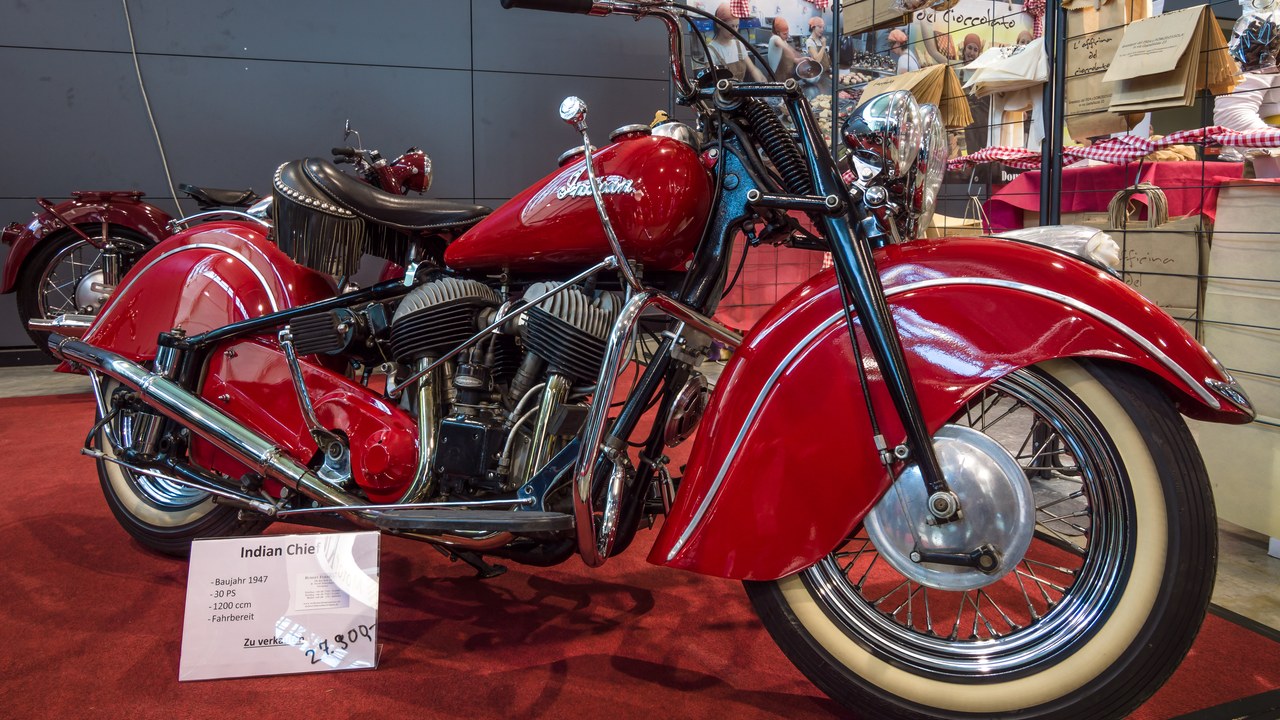
While the automotive world is filled with stunning designs that have captured the imagination of car lovers, not every beautiful car has managed to become a commercial success. Whether it was due to timing, pricing, or functionality, some attractive vehicles just didn’t make the sales cut. Let’s delve into nine cool-looking cars that, despite their aesthetics, were flops in the market.
DeLorean DMC-12
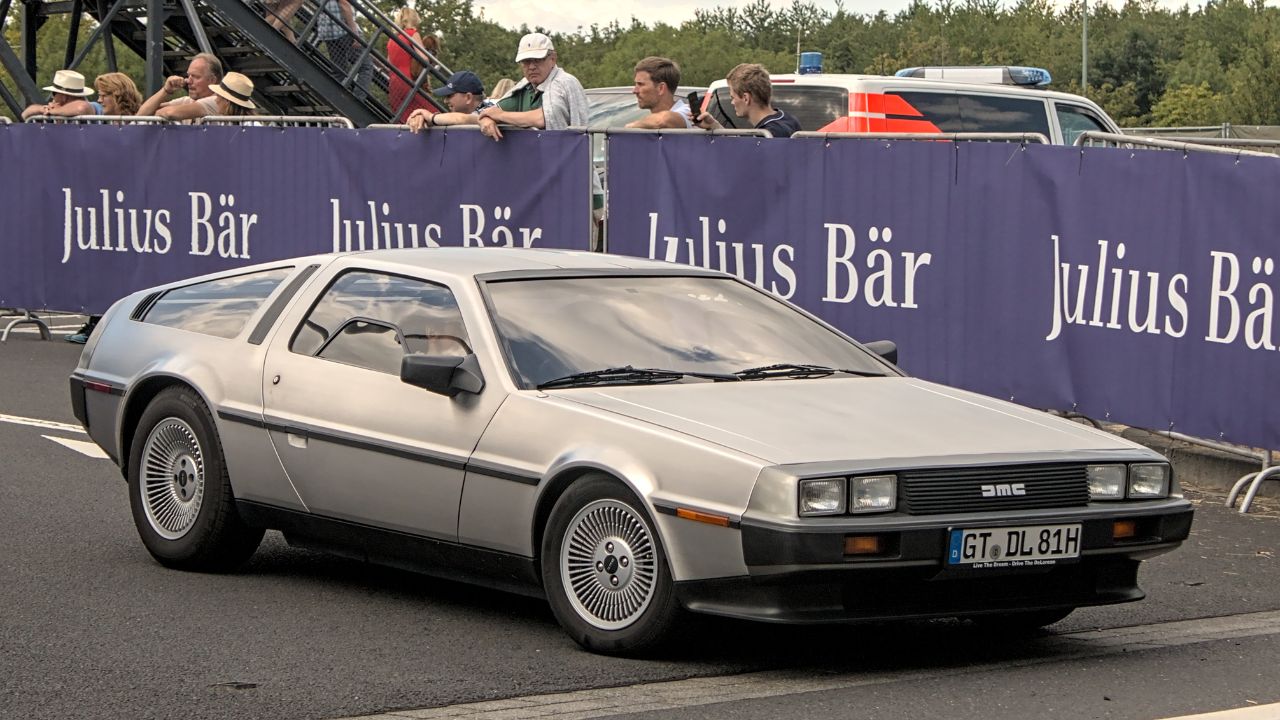
The DeLorean DMC-12 is perhaps best known for its starring role in the “Back to the Future” film series, but in reality, its sales journey was less than stellar. Despite its futuristic gull-wing doors and stainless steel body, the DeLorean struggled due to quality control issues and a hefty price tag. The car’s performance didn’t match its striking appearance, leading to disappointing sales figures.
Produced between 1981 and 1983, fewer than 9,000 units were made before production ceased. Today, it remains a cultural icon, but back in its heyday, it was a commercial disappointment.
Pontiac Aztek
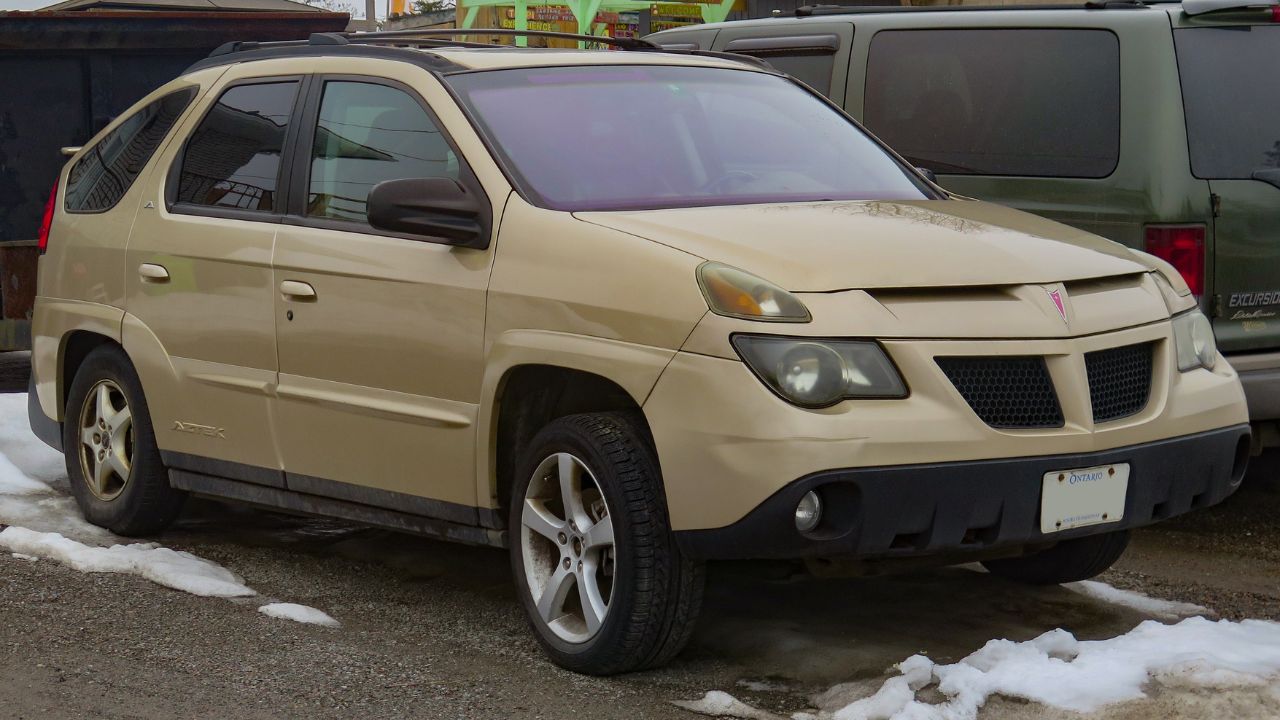
The Pontiac Aztek is often remembered for its polarizing design, which, while bold, didn’t translate into market success. Despite being marketed as an adventure vehicle with unique features like a built-in tent, the Aztek’s unconventional looks deterred buyers. Its sales numbers were so low that it became synonymous with failure.
However, the Aztek has gained a cult following in recent years, partly due to its appearance in the TV show “Breaking Bad.” Its design was ahead of its time, but unfortunately, it didn’t resonate with consumers during its production run.
Bricklin SV-1
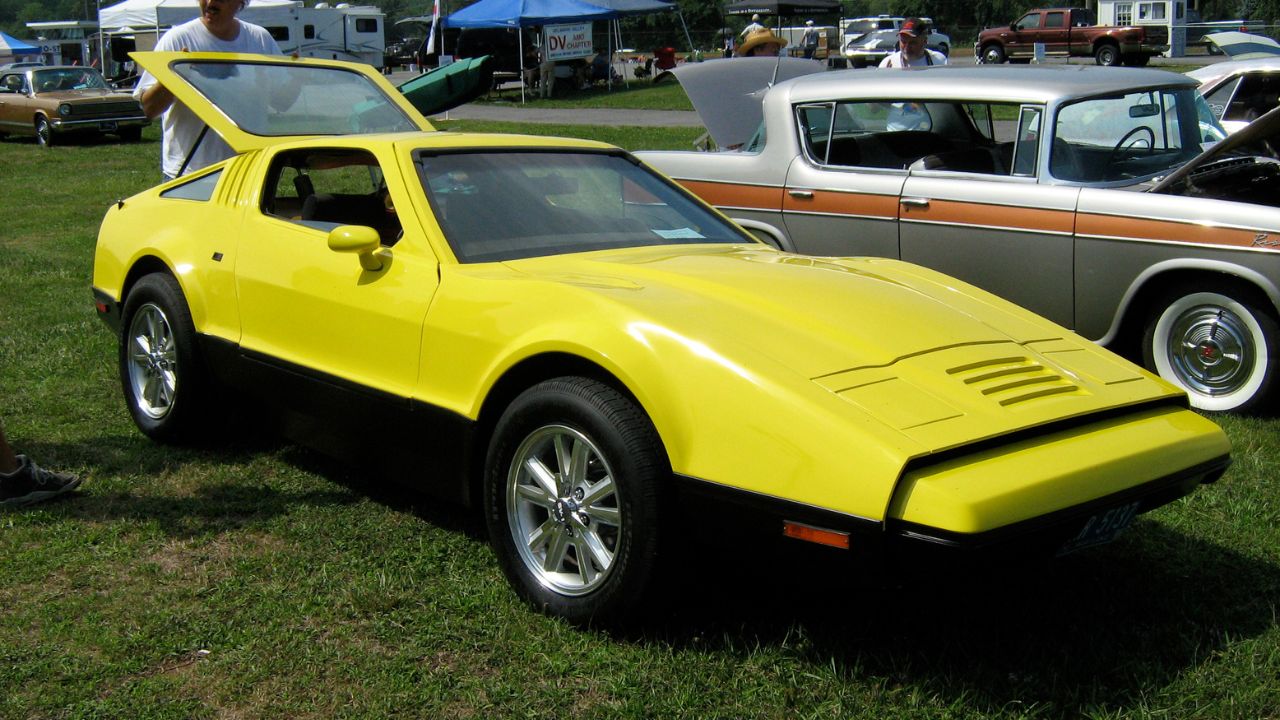
With its safety-first design and gull-wing doors, the Bricklin SV-1 was an attention-grabbing sports car. However, its heavy build and mechanical issues contributed to its downfall. The SV-1, produced from 1974 to 1975, was intended to combine performance with safety, but it ended up being an expensive proposition that failed to deliver on either front.
Only about 2,854 of these cars were made before the company went bankrupt. The Bricklin SV-1’s ambitious concept could not overcome the practical challenges it faced, leading to its commercial failure.
Tucker 48
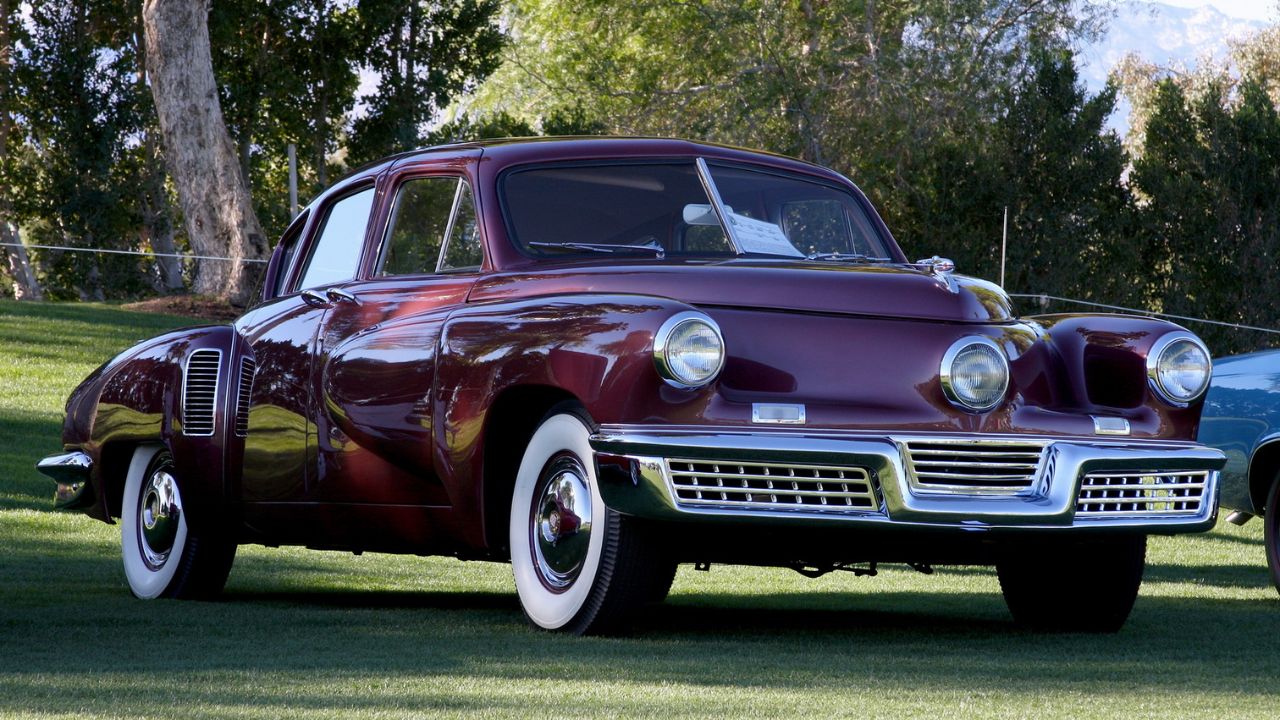
The Tucker 48 was a revolutionary vehicle that boasted innovation far ahead of its time, including safety features like a padded dashboard and a third headlight. Despite its sleek design and forward-thinking technology, the car’s production was cut short due to financial troubles and controversy.
Only 51 units were ever produced, and the Tucker 48’s story is often seen as a cautionary tale of ambition meeting harsh economic realities. Despite its failure, it remains a cherished piece of automotive history.
Ford Edsel
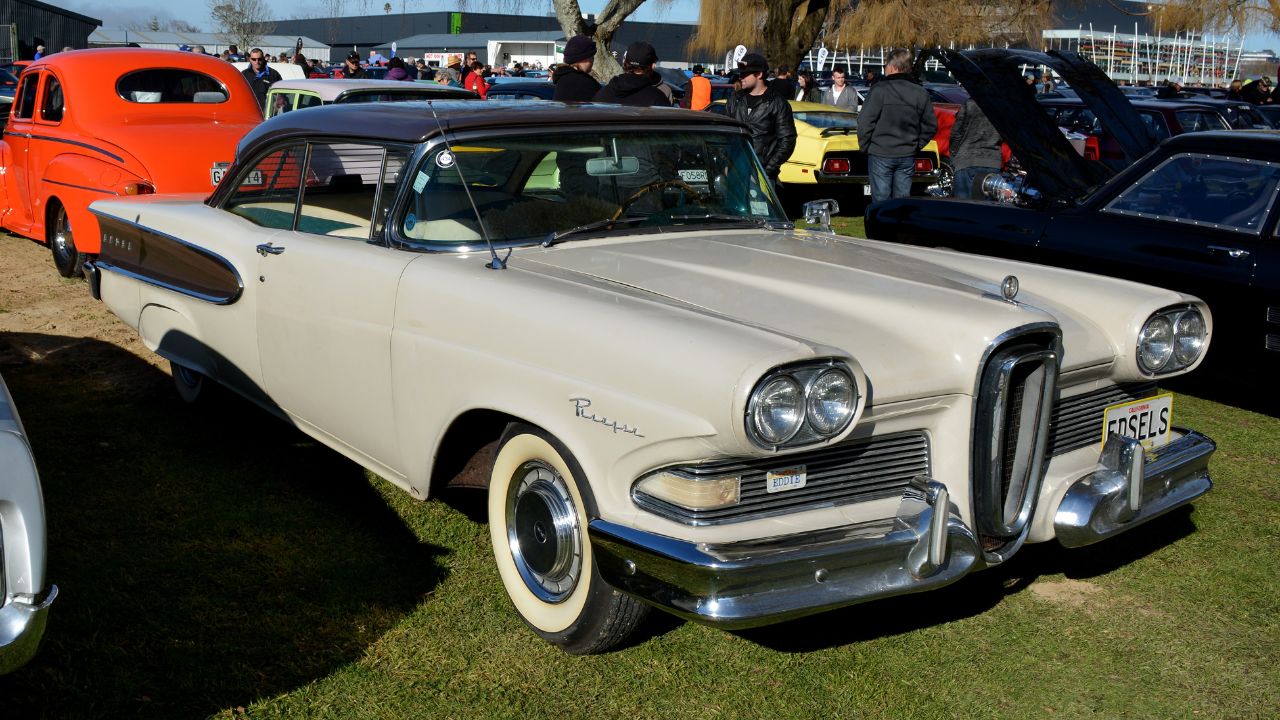
The Ford Edsel is infamous in the automotive industry as a monumental flop. Launched in the late 1950s, the Edsel was marketed as the car of the future, but its styling and pricing failed to attract buyers. Its launch coincided with an economic recession, further dampening its prospects.
Despite its distinctive design features, the Edsel was discontinued after just two years of production. Today, the Edsel serves as a reminder of the complexities involved in predicting market trends and consumer preferences.
Plymouth Prowler
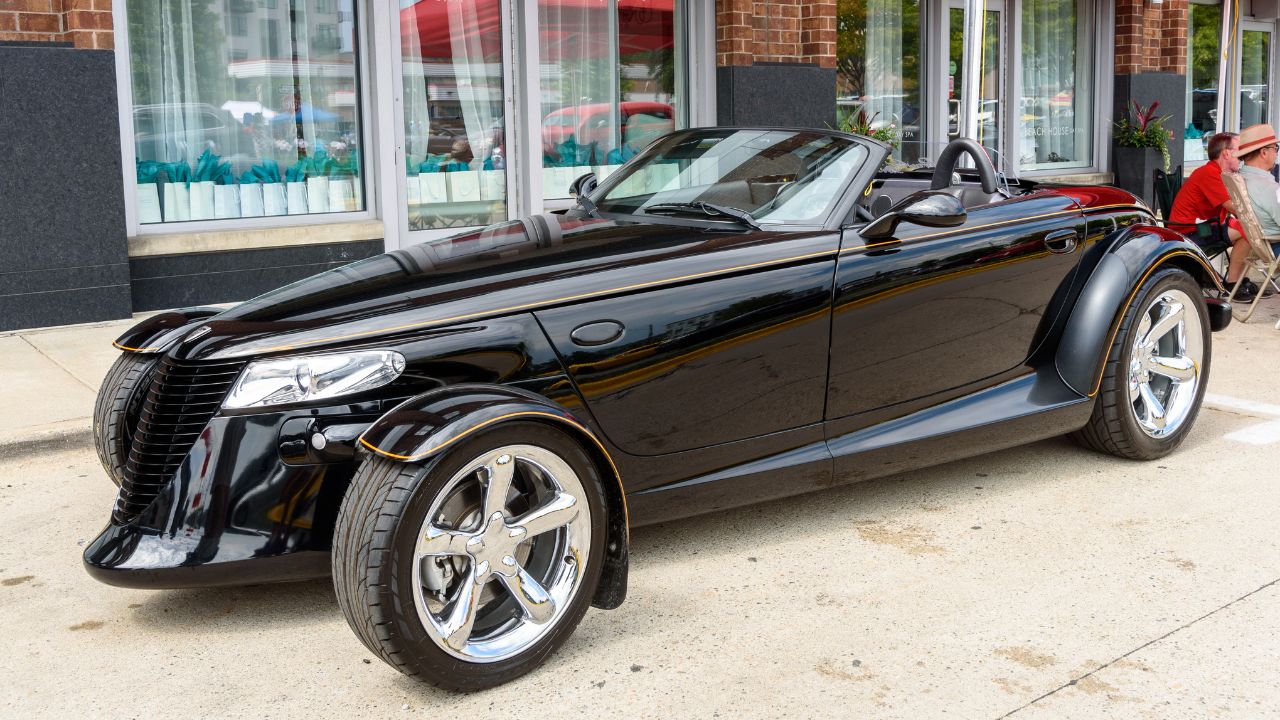
The Plymouth Prowler was a bold attempt to bring hot rod styling to the masses. With its retro design and open-wheel front, it certainly turned heads. However, its appeal was largely limited to its looks, as performance and practicality were lacking.
Produced from 1997 to 2002, the Prowler enjoyed a brief surge in popularity but never achieved significant sales. Its design remains iconic, even though it didn’t live up to its initial promise on the sales charts.
Fisker Karma
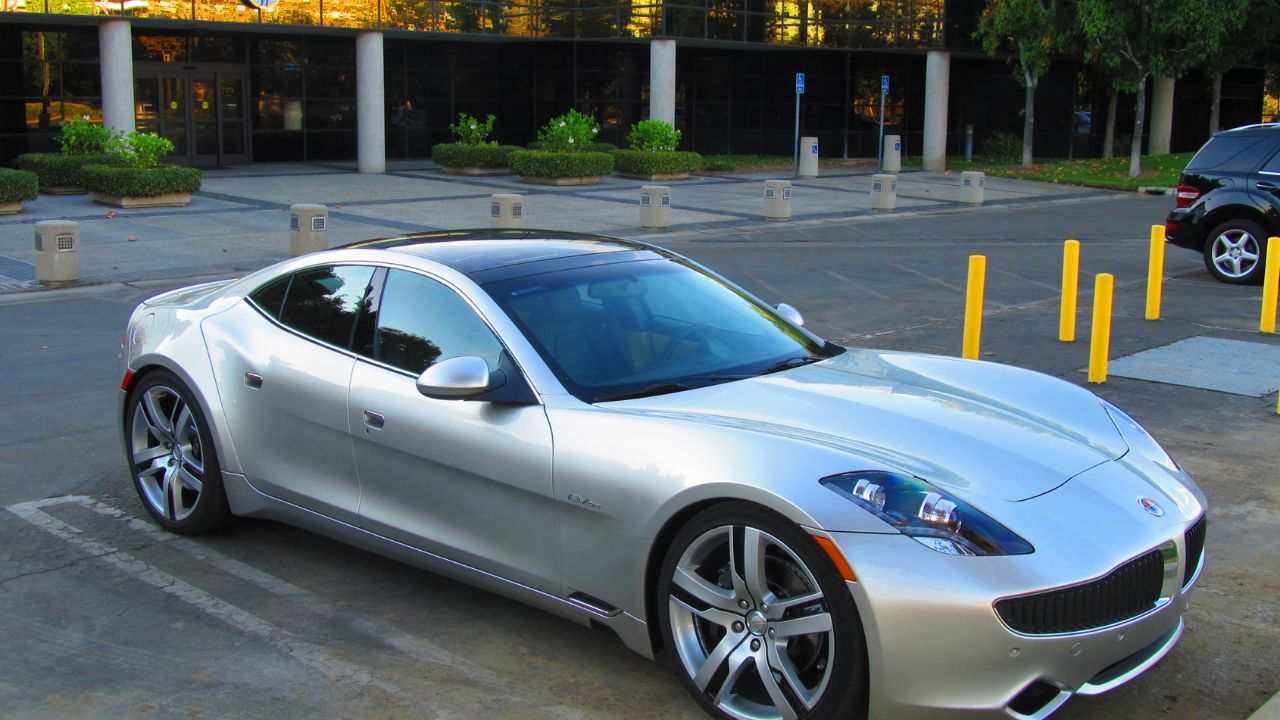
The Fisker Karma was an eco-friendly luxury sedan that featured an eye-catching design and a plug-in hybrid powertrain. Despite its green credentials and stunning looks, the Karma was plagued by production delays and reliability issues.
Only about 2,450 units were ever built, and Fisker Automotive filed for bankruptcy shortly after. Today, the Karma is remembered as a missed opportunity in the early days of electric vehicles.
Subaru SVX
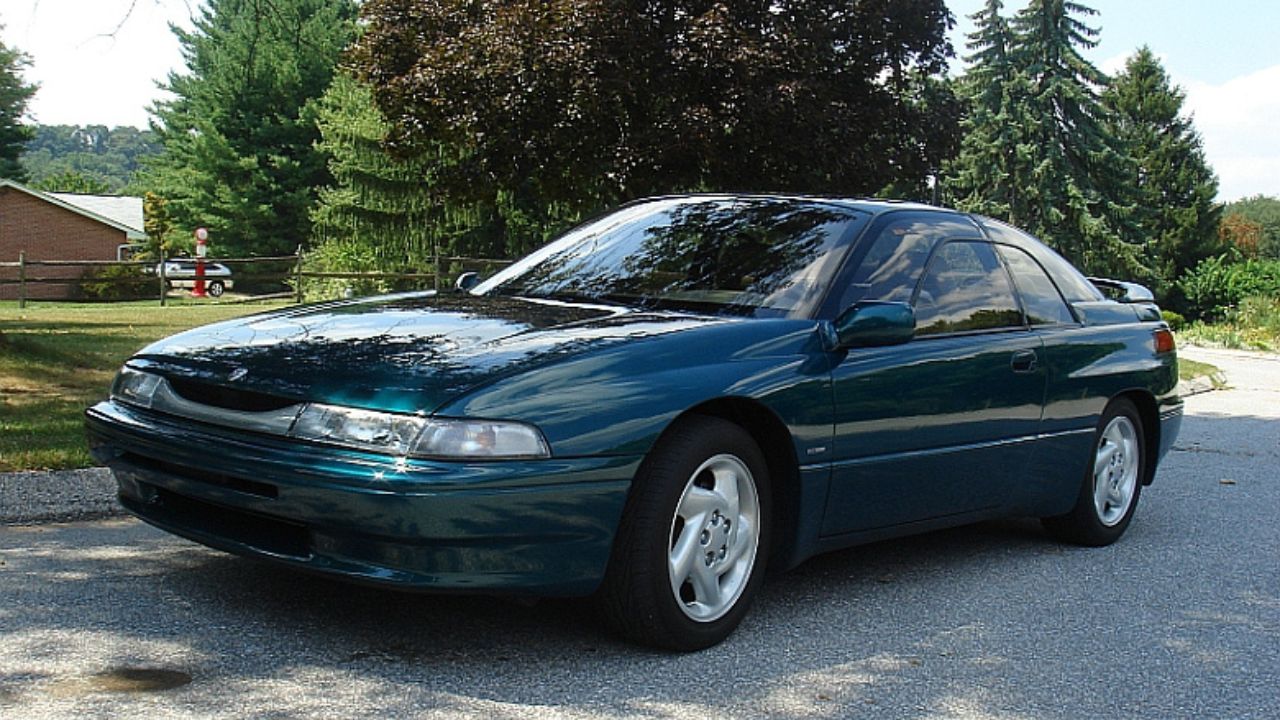
The Subaru SVX was a unique sports coupe known for its futuristic design and aircraft-inspired windows. Despite its innovative styling, the SVX struggled to find its market niche. Its high price and niche appeal limited its sales potential.
Produced from 1991 to 1996, the SVX was a technological showcase for Subaru, but it failed to resonate with the broader car-buying public. It’s now considered a rare find for enthusiasts of quirky, cool vehicles.
Alfa Romeo Montreal
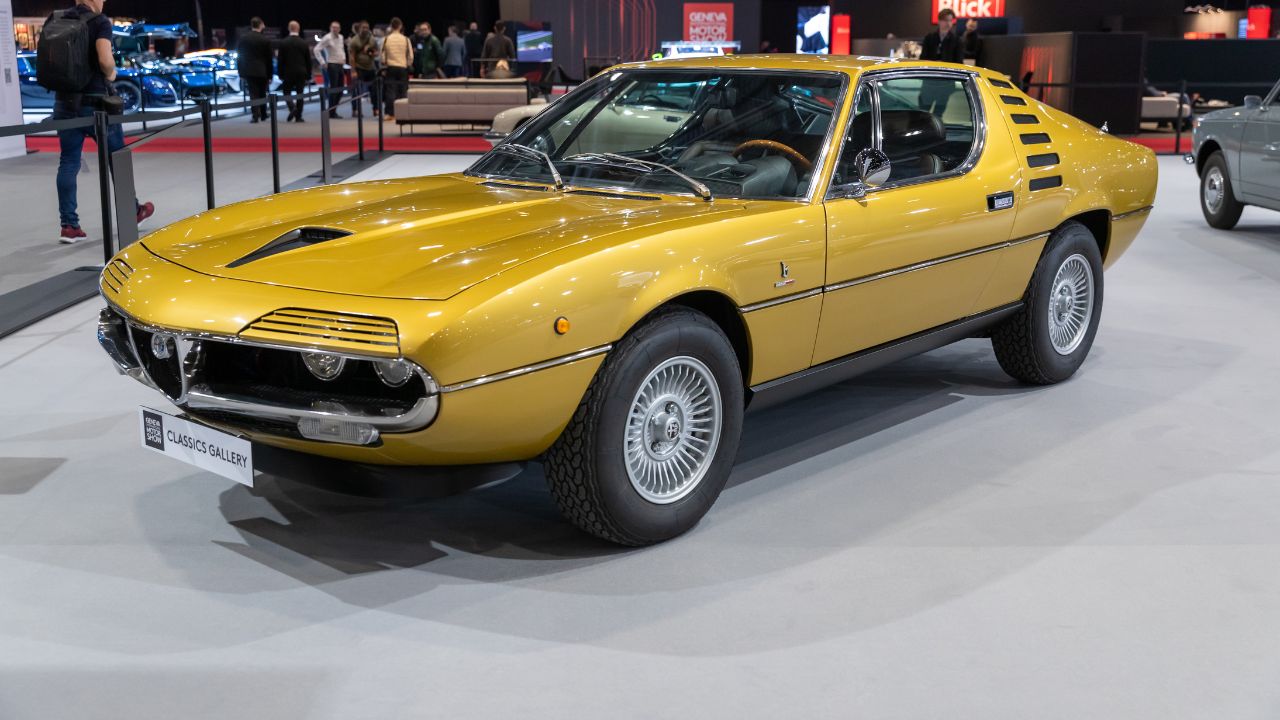
The Alfa Romeo Montreal was a beautiful sports car that exuded Italian flair, but it struggled in the market due to its high price and competition from other European automakers. Introduced in the early 1970s, the Montreal was powered by a V8 engine and offered a luxurious interior.
Despite its allure, it was produced in limited numbers, with fewer than 4,000 units made. The Alfa Romeo Montreal is now a collector’s item, appreciated more for its design heritage than its commercial success.
Like Fast Lane Only’s content? Be sure to follow us.
Here’s more from us:
- All New Trans Am: 10 Things You Need to Know
- The Fastest Farm Truck Ever Built
*Created with AI assistance and editor review.